REVIEW · KANAZAWA
Kanazawa: Kenrokuen Tea Ceremony Experience
Book on GetYourGuide →Operated by 兼六亭 Kenrokutei · Bookable on GetYourGuide
A teacup can slow time in Kanazawa.
Inside Kenrokuen Garden at Kenrokutei, this tea ceremony is built around the full ritual: you watch the careful steps in a formal tea room, then get guided through what’s happening and why.
I like that the experience includes both tasting wagashi and trying to make your own matcha with help. That mix turns it from a show into something you can actually repeat later (at home, with a very small, very serious whisk).
One catch: the tea room doesn’t give you garden views during the ceremony, and the 320 yen Kenrokuen entry ticket is separate. So plan your garden time before or after, not just in between sips.
In This Review
- Key highlights you should care about
- Kenrokuen Tea Ceremony: Why This One Feels Like the Real Deal
- Meeting Kenrokutei in Kenrokuen: The Setup You Need Before You Sit
- Entering Kenrokutei: A Historic Tea Room Inside the Garden
- Watching the Master: What the Ceremony Looks Like Up Close
- Etiquette Coaching: What to Do With Your Body and Mind
- Making Your Own Matcha: The Hands-On Moment That Sticks
- Wagashi Sweets: Small Bites That Explain the Tea Mood
- Price and Value: What $35 Really Buys You (Plus the Garden Ticket)
- Timing, Quiet Rules, and Photo Etiquette in a Formal Room
- Who This Tea Ceremony Is Best For (and Who Should Rethink It)
- Should You Book This Kenrokuen Tea Ceremony Experience?
- FAQ
- Is Kenrokuen Garden entry included in the tea ceremony price?
- How long does the tea ceremony last?
- Where exactly do I meet the guide?
- What’s included in the $35 per person price?
- Can I take pictures during the ceremony?
- Is there an age limit?
- Can I request a chair if I can’t sit on the floor?
- What language is the instruction?
- What happens if I arrive late?
- Can I get translation services into my native language?
Key highlights you should care about
- Formal Kenrokutei tea room where you learn how to act in a traditional ceremony
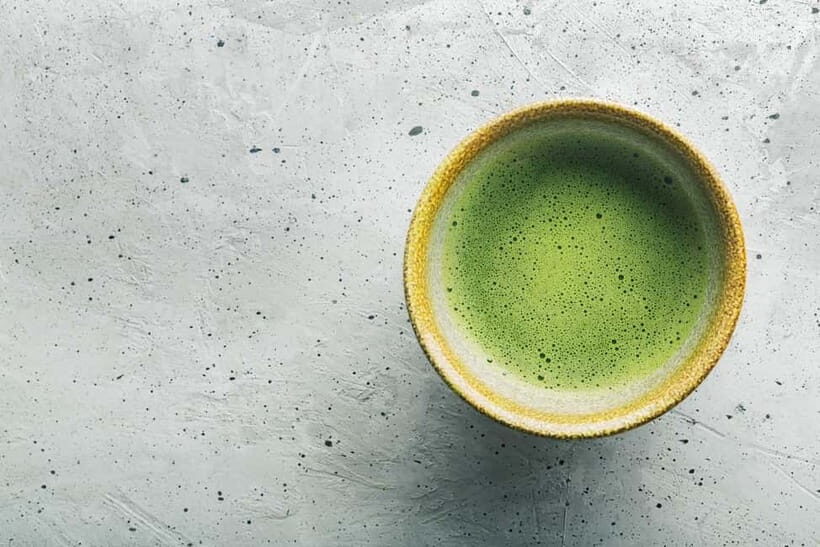
- Watch a master’s matcha procedure and understand the meaning behind the movements
- Make matcha yourself with coaching, not just standing and watching
- Wagashi sweets included, made by a renowned confectioner you’ll be able to taste right in the moment
- English instruction with clear explanations (some guides like Océane and Nana are specifically praised for how they teach)
- Photos allowed, so you can capture the moment without feeling like you’re breaking the rules
Kenrokuen Tea Ceremony: Why This One Feels Like the Real Deal
If you’re curious about Japanese tea culture, this is the kind of activity that makes it click quickly. You’re not just handed a cup and told to be grateful. You’ll see how the ritual is structured, what etiquette is about, and how matcha becomes something more than a drink.
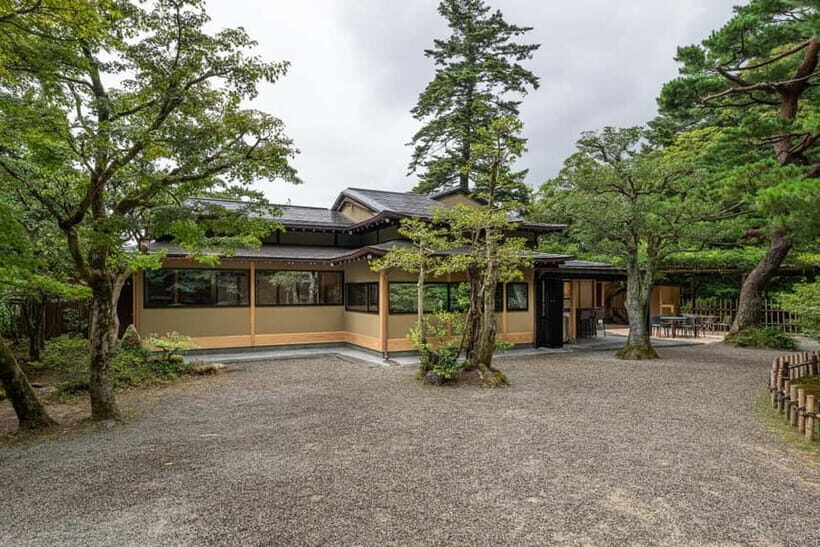
The setting matters, too. Kenrokutei is a historic spot inside Kenrokuen where important guests were entertained by Lord Maeda. Even if you’re not looking at the garden during the ceremony (more on that soon), you’re still surrounded by the cultural weight of the place you’re in.
What I like most is the pacing: you’ll watch the master’s steps, then get help to do it yourself. The ceremony stays quiet, formal, and calm—so you can actually focus on what your hands are doing, not just what your phone is filming.
You can also read our reviews of more tours and experiences in Kanazawa.


Meeting Kenrokutei in Kenrokuen: The Setup You Need Before You Sit
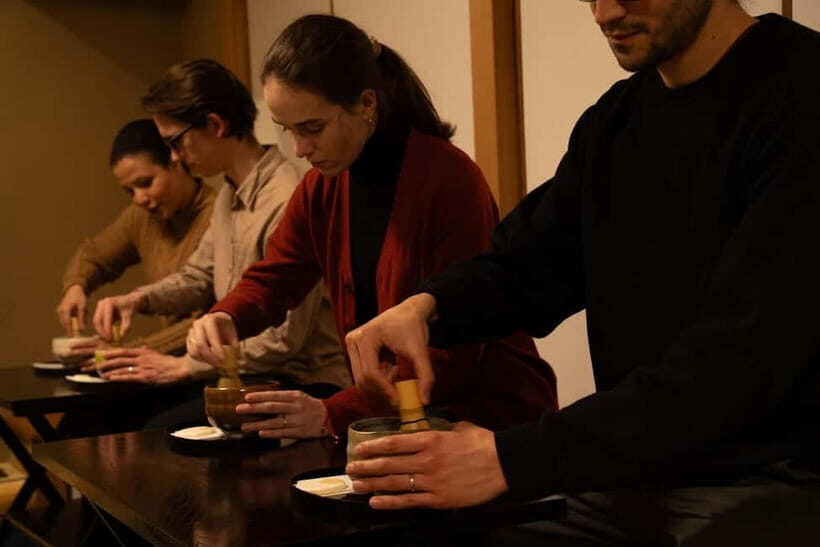
You meet at Kenrokutei, in front of the fountain inside Kenrokuen Garden. That’s a helpful detail because it’s easy to orient yourself once you’re inside the grounds.
Here’s the practical part: the tea ceremony ticket does not include Kenrokuen entry. You’ll need to buy the garden admission separately (320 yen). If you forget this, you can waste time right when you should be settling in.
Also, timing is strict. You need to be punctual. If you arrive more than 10 minutes late after the starting time, your reservation is canceled. For something this quiet and structured, arriving late disrupts the flow for everyone.
One more useful tip: the tea room is on the floor, but you can request a chair if kneeling isn’t comfortable for you. That small option can make or break your experience, especially if you’ve got stiff knees or a bad day.
Entering Kenrokutei: A Historic Tea Room Inside the Garden
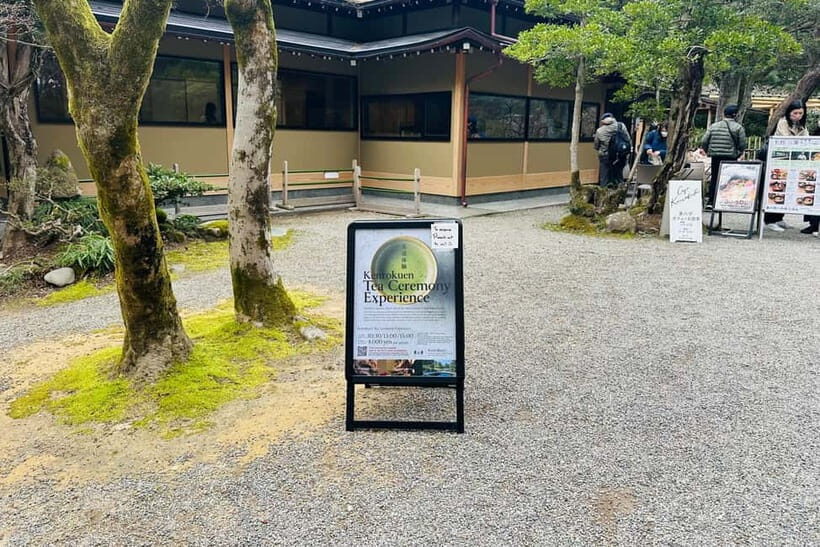
This tea ceremony takes place inside the tea room at Kenrokutei. And while the larger Kenrokuen Garden is the star, the tea room itself is designed for the ceremony—not for outdoor views. In other words: don’t count on seeing the garden during the actual ritual.
So I recommend treating it like this:
- Come early enough to enjoy the Kenrokuen grounds first.
- Then do the tea ceremony.
- If you still have energy, return to the garden after.
That approach helps you get the full Kanazawa feeling: the calm garden stroll plus the controlled, mindful tea ritual.
Kenrokutei also gives your tea moment historical context. You’ll hear an explanation of how tea ceremonies developed and how they functioned as formal entertainment for important guests under Lord Maeda. Even if you don’t remember every detail, the meaning lands because the ceremony itself repeats those ideas in a very physical way.
Watching the Master: What the Ceremony Looks Like Up Close
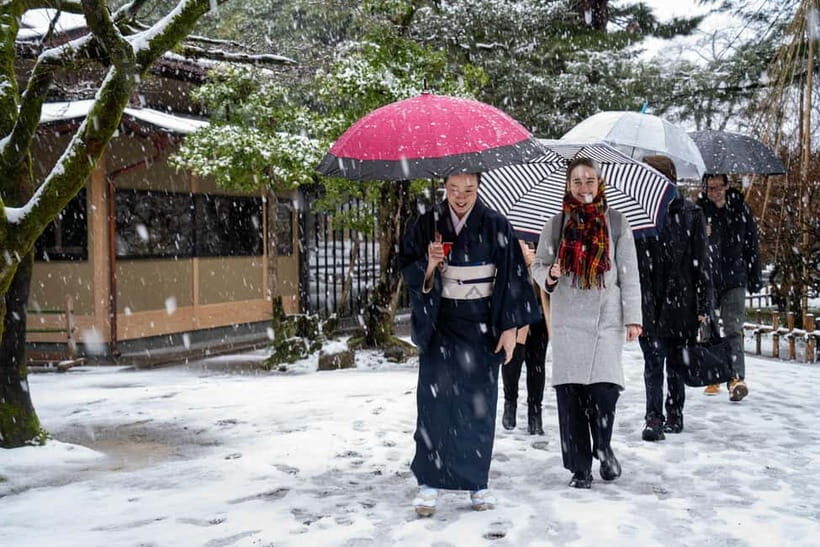
Once you’re seated, the experience follows a clear rhythm.
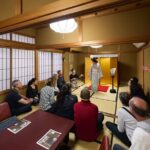
First, your guide explains the way of the tea—the purpose of the ritual and what each step signals. Then the master performs the matcha procedure. You’ll be able to see the careful timing, the movements, and how the utensils are used.
This isn’t just choreography. The ceremony trains your attention. When the guide talks you through the meaning and then you watch it happen, you start noticing the small choices—how the actions stay measured and how the room stays quiet and respectful.
You’ll also get guidance on how to act and behave during the ceremony. That matters because a formal tea room isn’t the place to improvise. Follow the instructions and you’ll blend in quickly, even if it’s your first time.
And yes, it’s okay to take pictures for your memory. It’s one of those rare cultural experiences that doesn’t require you to choose between respect and documentation.
Etiquette Coaching: What to Do With Your Body and Mind
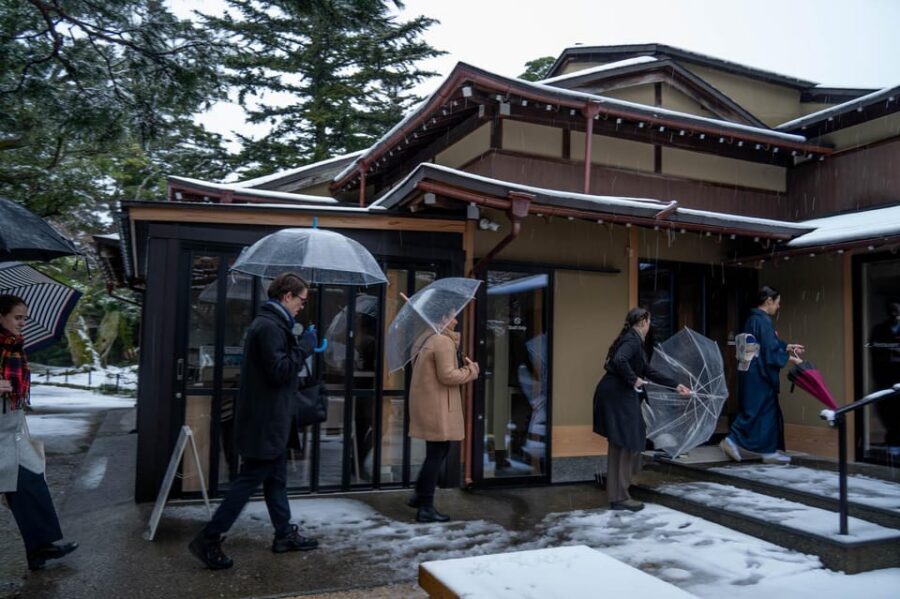
The best tea ceremony experiences don’t just show you what to do—they teach you how not to worry.
You’ll get instruction on tea-room behavior before you try participating. That includes simple but important etiquette for how to sit, move, and respond. The goal is to help you join without awkwardness. Since the activity is held at the same time as other groups, the organizers also aim to keep it quiet so the atmosphere stays pleasant for everyone.
If you’re nervous about floor seating, don’t guess. Ask for the chair option in advance or right there with the staff. It’s better to get comfortable than to spend the ceremony fidgeting.
One more behavior point: this is a moment for attention. You might be tempted to talk while you’re waiting. Don’t. Keep your focus on the guide and the master. The calm you’re looking for is part of the package.
Guides in English can vary in style, but many people praise how clearly certain hosts explain both the procedure and the reasons behind each gesture. If you’re curious, ask questions when invited. It’s one of the easiest ways to make the hour feel more personal.


Making Your Own Matcha: The Hands-On Moment That Sticks
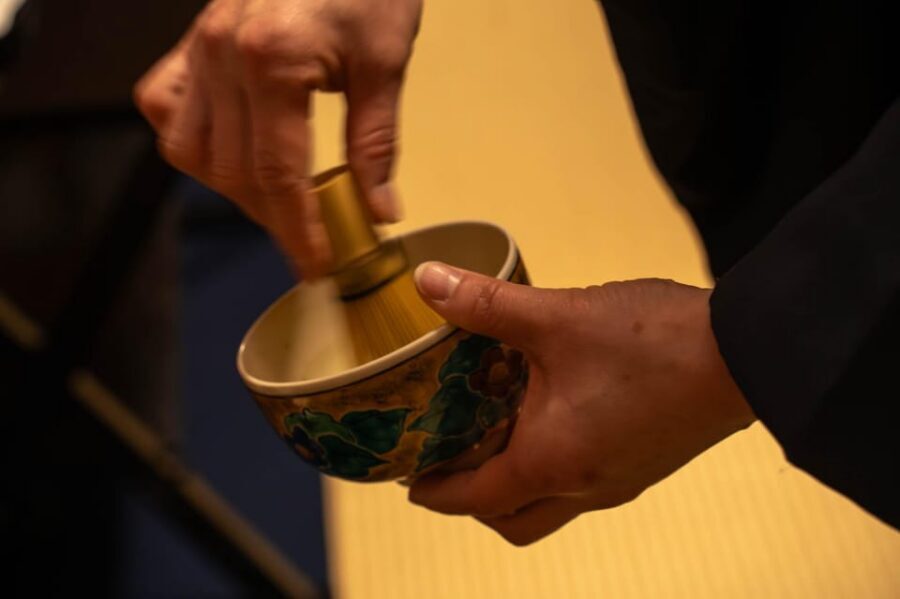
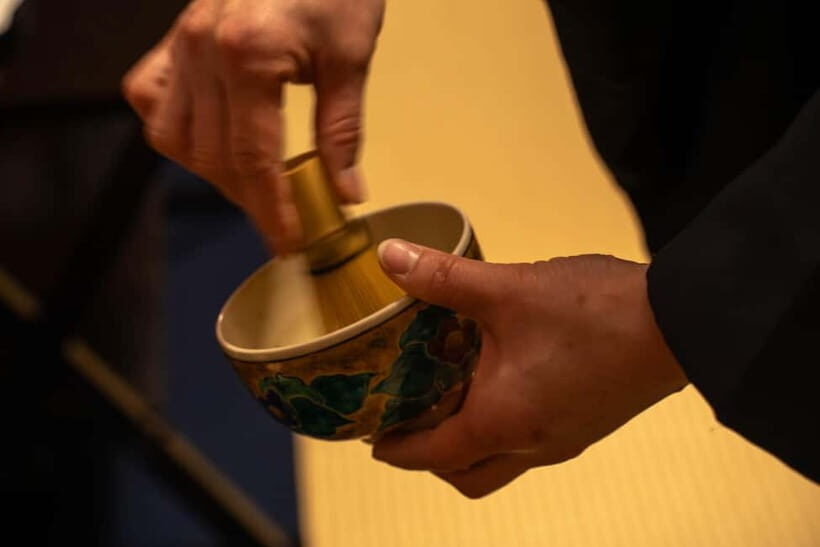
The ceremony doesn’t stop at watching. After the master’s demonstration, you’ll try making matcha yourself with help.
This is where the experience gets surprisingly fun. Matcha preparation is more technical than it looks. You’ll learn how to handle the tools and how to whisk properly to get the right texture and balance.
Expect to be coached step-by-step. That’s important because the matcha ritual depends on process. Even small changes in how you whisk can affect the result you taste.
Also, this is your chance to understand the tea as a ritual of timing and respect, not just a flavor. When you do it yourself, you feel how the steps create a mood—slow, deliberate, attentive.
If you’ve never tried matcha before, you’ll also pick up what you’re actually tasting. Many people come away saying the matcha here feels smoother and more balanced than what they’ve tried elsewhere. That makes sense because good preparation matters, and the ceremony style is built around it.
Wagashi Sweets: Small Bites That Explain the Tea Mood
Tea ceremonies in Japan often pair matcha with wagashi—traditional sweets designed to complement the flavor and pacing of the meal. Here, you’ll taste a few sweets made by a renowned confectioner.
What I like about including wagashi is that it teaches you rhythm. You’re not expected to drink straight through. Instead, you taste something sweet in a structured moment, then move into the matcha.
Wagashi also helps you understand the ceremony isn’t only about caffeine. It’s about balance: sweetness and bitterness, softness and ritual formality, talking and quiet attention.
Some people also mention that the sweets make the matcha taste even better, which is exactly what you should expect from a well-planned pairing. If you’re trying Japanese sweets for the first time, this is a good entry point because the sweets are served in a context that explains how they fit.
Price and Value: What $35 Really Buys You (Plus the Garden Ticket)
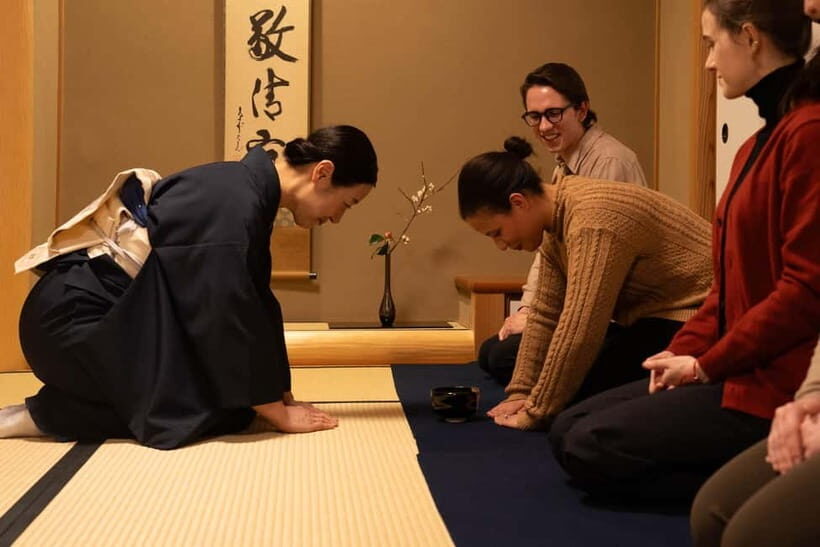
At $35 per person for about one hour, you’re paying for structure. This isn’t just a tasting. It’s a guided ceremony with instruction, sweets, and a chance to participate by making matcha.
Here’s what’s included:
- The tea ceremony
- Sweets (wagashi)
- Photograph
Not included:
- Kenrokuen entry fee (320 yen)
So your real budget is $35 plus the garden ticket you’ll buy separately. The good news is you get a lot of “do” time in that hour. You watch the ritual, learn etiquette, and actually make matcha yourself. That’s better value than a passive demo where you only observe and leave.
If you’re on a tight schedule in Kanazawa, the 1-hour length is also practical. You still get a complete tea moment without losing half a day.
Timing, Quiet Rules, and Photo Etiquette in a Formal Room
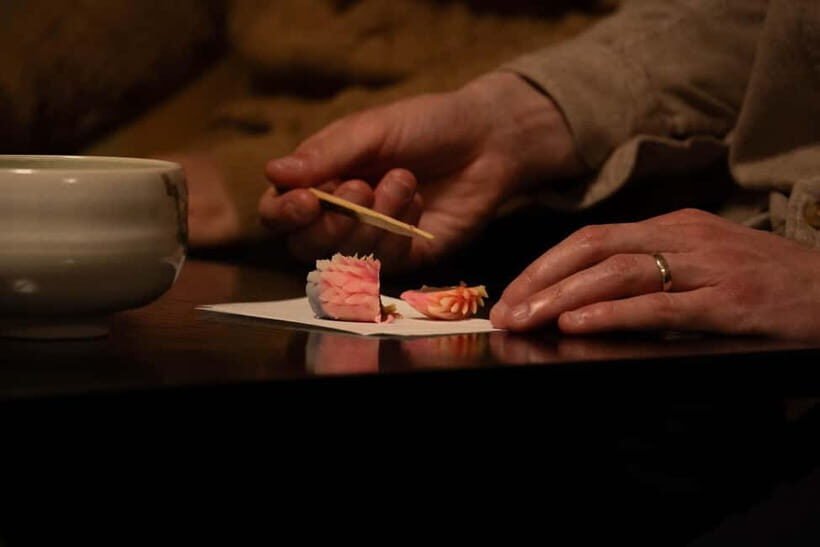
This is a calm experience. The ceremony is held with other groups at the same time, but the space is managed so the event stays quiet and enjoyable.
You’ll want to arrive on time for the reservation window because the ceremony is paced and timed. Being late doesn’t just risk your spot—it can disrupt the flow.
Photo policy is friendly: you’re allowed to take pictures. The trick is to do it at respectful moments—before or after key steps—rather than during the master’s procedure.
One thing to know: the tea room focuses on the ceremony, not on outdoor views. So if your goal is Kenrokuen photos, don’t assume you’ll get them from inside the tea room. Your best garden photo opportunities happen before or after.
If something unexpected happens (like noise from nearby rooms), the staff typically handles it with care. The atmosphere matters here, and the organizers seem to take that seriously.
Who This Tea Ceremony Is Best For (and Who Should Rethink It)
This experience is a great match if you want a gentle, structured introduction to Japanese tea culture. You’ll learn etiquette, watch the ritual properly, and take part in making matcha. It’s also a good fit if you like quiet cultural activities where you can slow down.
It’s not suitable for younger kids: participants must be aged 7 and older, and the info specifically notes it’s not appropriate for children under 8. If you’re traveling with a child around that age range, plan ahead and check comfort with sitting on the floor.
It’s also a good option if you want clear English instruction. The instructor is listed as English, and many people praise how understandable the explanations are—how guides teach the meaning behind steps, not just the steps themselves.
Should You Book This Kenrokuen Tea Ceremony Experience?
Yes—if you want more than a snack-and-a-photo cultural stop. This one earns its time because it’s watch + learn + do in an hour. You taste wagashi, you learn matcha etiquette, and you make matcha yourself.
Book it with confidence if:
- You’re visiting Kenrokuen anyway and want a meaningful ceremony inside it
- You want an English-led experience that teaches you the why, not only the what
- You’d rather participate than just watch
Think twice if:
- You strongly want garden views during the ceremony itself (the tea room doesn’t provide them)
- You’re the type to arrive late or hate strict timing
- You’d rather skip the extra Kenrokuen entry ticket and keep everything bundled
If you can handle one extra ticket and you’re ready to sit calmly for an hour, this is a standout Kanazawa experience.
FAQ
Is Kenrokuen Garden entry included in the tea ceremony price?
No. Kenrokuen entry is required separately. The garden fee is 320 yen, and the tea ceremony ticket does not include it.
How long does the tea ceremony last?
The experience runs for about 1 hour.
Where exactly do I meet the guide?
You meet at Kenrokutei in Kenrokuen Garden, in front of the fountain inside the garden.
What’s included in the $35 per person price?
The price includes the tea ceremony, sweets (wagashi), and a photograph.
Can I take pictures during the ceremony?
Yes. You are allowed to take pictures to remember the moment.
Is there an age limit?
Yes. Participants must be aged 7 years old or older, and it’s stated as not suitable for children under 8.
Can I request a chair if I can’t sit on the floor?
Yes. You can request a chair if you have difficulty sitting on the floor.
What language is the instruction?
The instructor provides English guidance.
What happens if I arrive late?
If you arrive more than 10 minutes late after the starting time, the reservation is canceled.
Can I get translation services into my native language?
Translation services require a private reservation (send an email) so other guests are not disturbed.