REVIEW · KANAZAWA
Kanazawa Private Tour: Highlights of an Old Samurai Town
Book on Viator →Operated by Trip Designer Inc. · Bookable on Viator
Kanazawa feels like a time machine. A private walking tour in the city center is a smart way to connect the big landmarks with the everyday life behind them, from Kanazawa Castle to Kenrokuen and the calm museums in between.
I like that you get hotel pickup and drop-off, so your day starts clean instead of scrambling for trains or buses. I also love how the route mixes power and peace: castle walls, a major national garden, then ideas from D.T. Suzuki and daily samurai-era life at a preserved family home. One thing to consider: this is still a walking tour with uneven surfaces and mountain-path steps, so comfortable shoes and a moderate pace really matter.
In This Review
- Key things that make this Kanazawa tour a strong pick
- Why a private guide works so well in Kanazawa
- Price and what you really get for $171.73
- Stop 1: Omicho Market, the city’s kitchen window (40 minutes)
- Stop 2: Kanazawa Castle, built in 1583 (45 minutes)
- Stop 3: Kenrokuen Garden, one hour to reset your brain (about 1 hour)
- Stop 4: D.T. Suzuki Museum, Zen ideas with a Kanazawa home (50 minutes)
- Stop 5: Nomura Family Samurai House, life behind the title (about 50 minutes)
- Walking, weather, and comfort tips that keep the day enjoyable
- How to get the most out of your private day
- Who this tour suits best
- Should you book this Kanazawa private tour?
- FAQ
- How long is the Kanazawa private tour?
- Is hotel pickup and drop-off included?
- What is the maximum group size?
- Are entrance tickets included?
- Is food included?
- Is there a vegetarian option?
- What should I wear, and is the tour suitable for limited mobility?
Key things that make this Kanazawa tour a strong pick
- Private guide time in a compact 7-hour loop focused on core Kanazawa sights
- Hotel pickup and drop-off plus bus tickets included, which cuts logistics stress
- Admissions included for the castle and the major cultural stops
- D.T. Suzuki Museum adds a Zen-philosophy layer most sightseeing days skip
- Samurai house visit helps you understand daily life, not just famous figures
- English-speaking guides like Yumiko, Yumika, Yuri, Kazu, Makiko, and Toshiko are repeatedly praised for warmth and flexibility
Why a private guide works so well in Kanazawa
Kanazawa is the kind of place where getting context changes everything. A walk through Kenrokuen is pretty, sure, but a guide can help you notice why specific spots matter and how the city’s culture grew around art, gardens, and samurai power. That matters because Kanazawa has a reputation for being quieter than the big names like Tokyo and Kyoto, yet it has its own big achievements.
This tour is built for a small group, with a maximum of 8 people per booking, and it’s private in the sense that only your group participates. That’s a real advantage when you want to ask questions without feeling rushed, and when you want the pace to match the weather or your energy level.
Another quiet win: your guides are English-speaking, and multiple guides tied to this tour have been praised for being friendly, flexible, and willing to tailor the day. One guide was also noted for helping with train-station logistics and even making a reservation for an extra stop outside the core plan, which is exactly the kind of helpful extra that can save you time later.
You can also read our reviews of more private tours in Kanazawa


Price and what you really get for $171.73
At $171.73 per person for about 7 hours, this isn’t a bargain tour. But it also isn’t just a guide plus a map. What you’re paying for is the mix of guided time, hotel pickup/drop-off, and the entry fees and bus tickets that would otherwise take time to sort out.
Here’s what’s included: an English guide, hotel pickup and drop-off, all fees and taxes, and bus tickets. The major paid sights on this route have admission included, so you’re not doing the math mid-day. What’s not included is food and drinks, so you’ll still want a plan for snacks or lunch on your own.
There’s also a practical note: private transportation by taxi or private car isn’t included, but it can be arranged for an extra fee. That can matter if you’re traveling with someone who tires fast. If you’re fine walking, you likely won’t need it; if you’re not, asking early is the smarter move.
Stop 1: Omicho Market, the city’s kitchen window (40 minutes)
Your day starts at Omicho Market, often described as a kind of kitchen for Kanazawa citizens. You get about 40 minutes here, with admission free. The point isn’t to do a full food crawl. It’s to get your bearings and taste the local rhythm: seasonal fish and fruit show up, and the Sea of Japan is part of the story through seafood like crabs.
This is one of the best times to ask your guide what to try, because they can read the room fast. If you want a simple strategy, do a quick walk-through first, then pick one thing you’ll actually eat rather than trying to sample everything. Since food and drinks aren’t included, you control the budget.
A small drawback: 40 minutes goes by fast in a market environment. If your priority is eating multiple bites, you may need to treat this as a quick flavor scout and plan a longer market stop either before or after the tour.
Stop 2: Kanazawa Castle, built in 1583 (45 minutes)
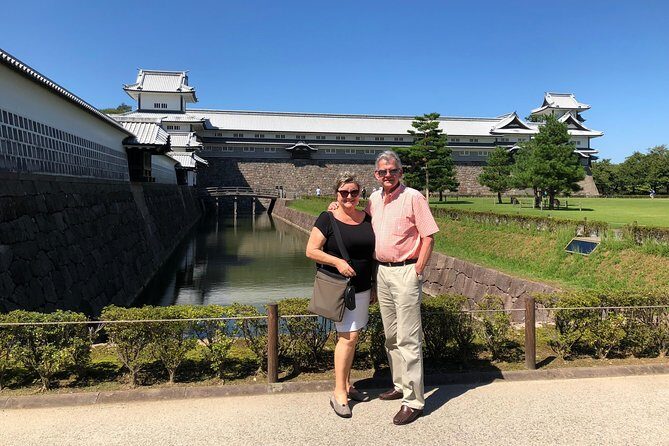
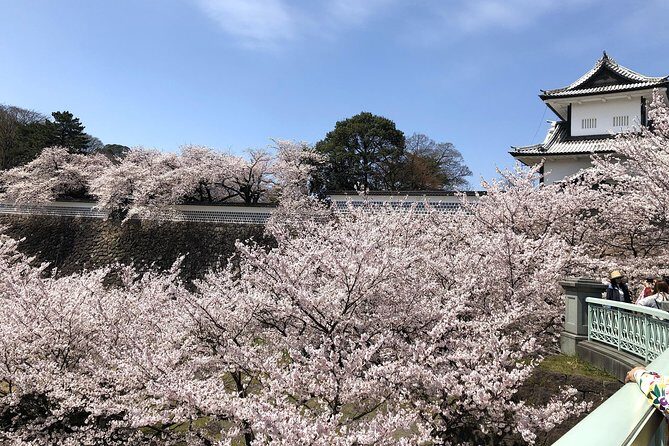
From market energy to military-era scale, you’ll head to Kanazawa Castle. This is one of the city’s defining monuments, built in 1583 by Toshiie Maeda. It served as the residence of the 14 Maeda family of the Kaga clan until 1869, so you’re not just touring stone and walls. You’re walking through the story of rule and survival, then the slow shift toward a different era.
Your time here is about 45 minutes, and admission is included. You’ll also see major preserved parts such as the Ishikawa gate and other sections tied to the castle grounds. A good guide helps you connect what you see to why it was built the way it was, and why this castle became such a symbol of the region.
Consideration: 45 minutes is enough for a solid overview, not enough for castle obsessing. If castles are your top interest, you’ll still enjoy the basics, but you might want to return later for longer time around the details.
Stop 3: Kenrokuen Garden, one hour to reset your brain (about 1 hour)
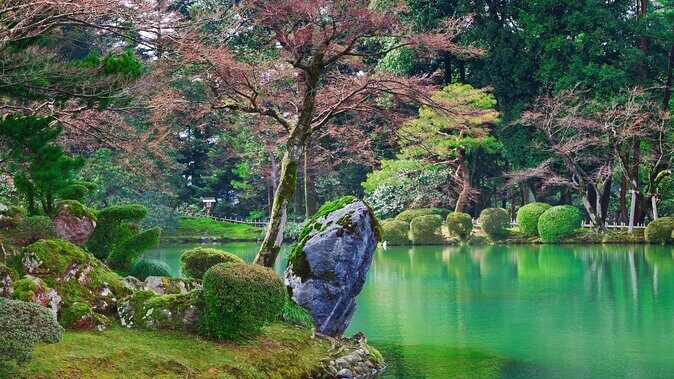
Kenrokuen is one of Japan’s three famous national gardens, grouped with Mito Kairakuen and Okayama Korakuen. You’ll get roughly one hour here, with admission included, and that timing is intentional. After castle facts and market sensory overload, a garden break works like a reset button.
What you’ll likely notice right away is how Kenrokuen is meant to look good across seasons. The garden is known for strong winter scenery, but it’s framed as a place that offers its best in different ways depending on when you visit. Your guide can help you pick what to focus on during your exact season, so the hour doesn’t turn into random walking.
How to pace it: don’t try to see everything. Choose two or three viewpoints to linger at, then use the paths to connect the scenes. If you’re prone to rushing, set a gentle rule for yourself: stop for photos only when you’re also reading what’s around you.
Small caution: the tour’s overall walking conditions include uneven surfaces and mountain-path sections. Even inside garden areas, you’ll want shoes with grip and support.


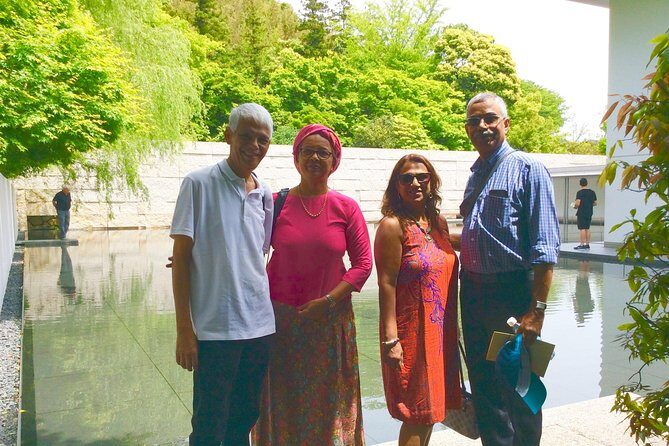
Stop 4: D.T. Suzuki Museum, Zen ideas with a Kanazawa home (50 minutes)
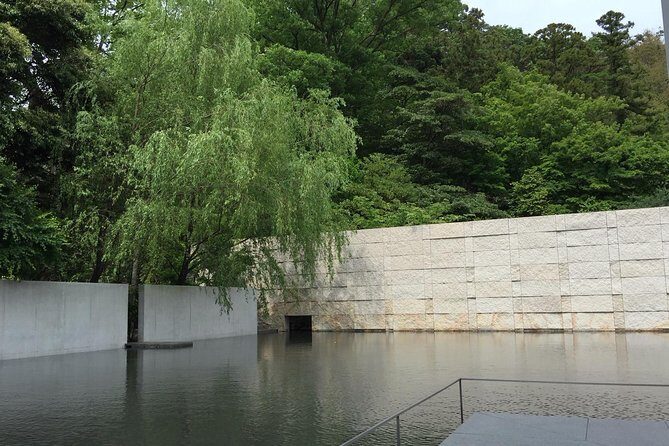
This stop is what makes the tour feel more than just a greatest-hits checklist. You’ll visit the D. T. Suzuki Museum, tied to the Buddhist philosopher Suzuki Daisetsu, who was born in Kanazawa. The museum is presented as a place infused with his thoughts, and it highlights how he helped Zen culture gain wider attention abroad.
You get about 50 minutes here, with admission included. The value isn’t that you have to understand Zen philosophy in one sitting. It’s that you get a human thread connecting Kanazawa’s local roots to global ideas. If you enjoy museums that add context beyond what you see outside, you’ll appreciate this.
The practical part: museums move differently than gardens. You’ll likely spend time reading, looking, and then listening to your guide connect the dots. If you’re the type who gets tired of reading, tell your guide early. Good guides can steer you toward the core concepts first, then offer optional deeper details if you want them.
Stop 5: Nomura Family Samurai House, life behind the title (about 50 minutes)
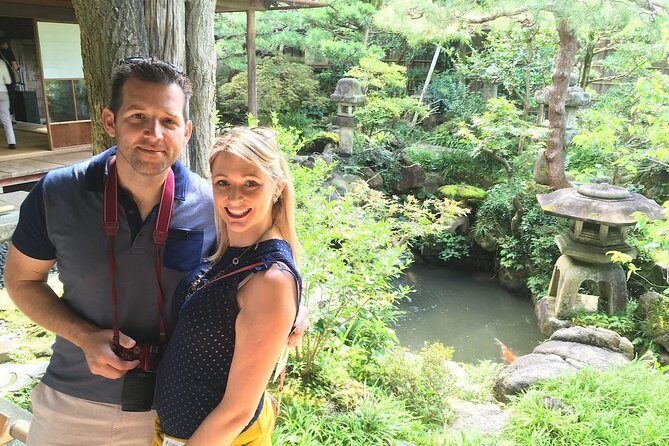
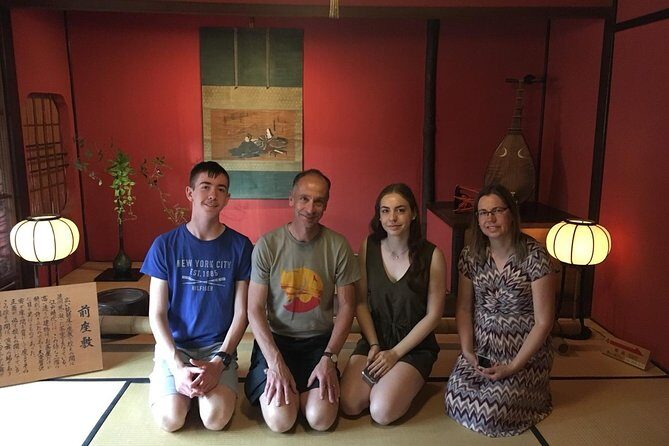
To understand a samurai town, you need more than armor and big names. That’s why the Nomura Family Samurai House matters. You’ll spend about 50 minutes here, and admission is included. The house includes displays that explain life in earlier times in this part of the city, and it’s described as beautifully preserved. There’s also a lovely garden attached to the house, which helps you understand how daily life shaped the environment.
This stop is ideal for the kind of questions you might not ask at a castle: What did people do day to day? How did space work in a household? How did the garden relate to the rhythms of the home? With a good guide, the house feels like a snapshot of lived experience instead of a static exhibit.
Possible drawback: If you’re mainly chasing dramatic buildings and views, a preserved house can feel quieter. Still, it’s a strong contrast that rounds out the day.
Walking, weather, and comfort tips that keep the day enjoyable
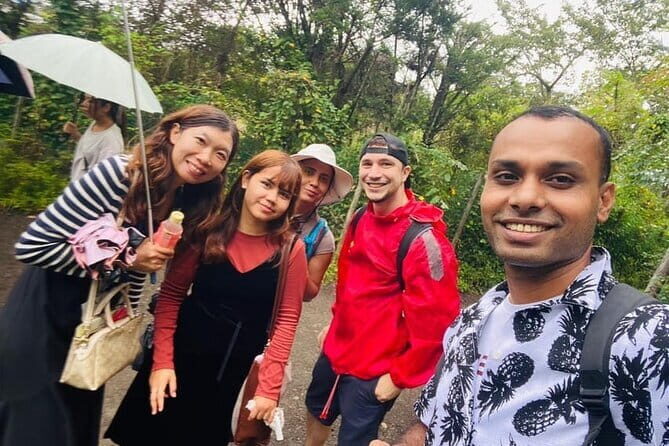
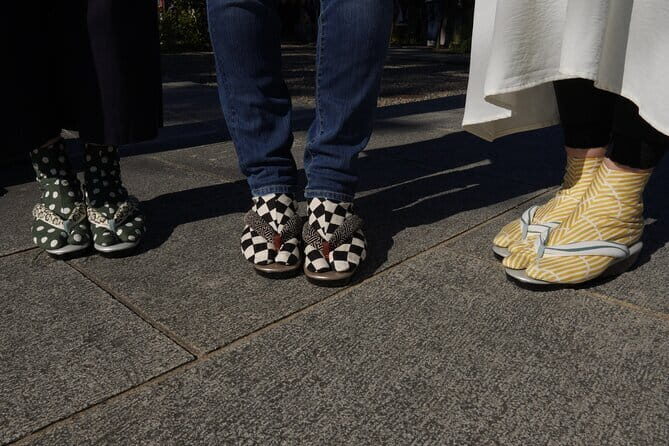
This is not a sit-and-ride tour. You’ll walk mountain paths and uneven ground, and the tour isn’t recommended if you have walking disabilities. You should wear shoes that are easy to walk in, and you’ll want traction because the day includes varied surfaces across multiple stops.
Timing also depends on weather. The tour requires good weather, and during severe winter weather the agenda may be subject to change. That’s worth keeping in mind if you’re planning a tight itinerary in Kanazawa during colder months.
If you’re trying to decide what kind of day this is, think of it as cultural walking with short, focused stops. You’ll cover the core landmarks without feeling trapped in a long museum-only schedule.
How to get the most out of your private day
This is the kind of tour where small choices make a big difference.
First, tell your guide your priorities at the start. If gardens are your thing, you can ask for a slower path through Kenrokuen and which viewpoints are best for your season. If philosophy appeals to you, ask what parts of the D.T. Suzuki Museum are the best starting points before you start reading.
Second, use Omicho Market as a guide-led warm-up. If you want snacks, ask for suggestions that match what you actually like. Since food and drinks aren’t included, you’ll appreciate keeping your spending under control while still getting the local flavor.
Third, wear layers if you’re traveling in shoulder season. The route includes outdoor areas and walking sections, so temperature swings can change how comfortable you feel even if the itinerary time looks fixed.
Who this tour suits best
I’d book this private Kanazawa tour if you want:
- A guided overview of the core landmarks without juggling tickets and transport
- A blend of castle, national garden, museum, and samurai-era domestic life
- A day that runs about 7 hours with a small group cap of 8
- A guide who can explain Kanazawa’s culture in plain language, not just recite facts
I would think twice if you:
- Have limited mobility or find uneven surfaces difficult
- Expect food to be part of the included package (it isn’t, so plan your own lunch/snacks)
- Want a long, unhurried deep-dive at a single site. This tour is spread out intentionally, so your time at each stop is limited.
Should you book this Kanazawa private tour?
Yes, if you’re aiming for a smooth first visit to Kanazawa and you like guided context. This tour earns its price through hotel pickup/drop-off, included admissions and bus tickets, and a route that connects major sights to the city’s ideas and daily-life details.
Book it especially if you enjoy that mix: the Maeda-era castle for power and planning, Kenrokuen for calm design, D.T. Suzuki Museum for the Zen-philosophy thread, and the Nomura Family Samurai House for what the samurai world looked like at home.
Skip it only if walking uneven surfaces is a problem for you, or if you’d rather spend half a day fully stuck in one museum or one neighborhood. For a one-day overview that feels personal and practical, this is a strong choice.
FAQ
How long is the Kanazawa private tour?
The tour is about 7 hours.
Is hotel pickup and drop-off included?
Yes. Hotel pickup and drop-off are included.
What is the maximum group size?
The booking is limited to a maximum of 8 people.
Are entrance tickets included?
Yes. All fees and taxes are included, and admissions are included for Kanazawa Castle, Kenrokuen Garden, D. T. Suzuki Museum, and the Nomura Family Samurai House.
Is food included?
No. Food and drinks are not included, so you’ll need to cover snacks and lunch on your own.
Is there a vegetarian option?
A vegetarian option is available. You should advise the tour at the time of booking.
What should I wear, and is the tour suitable for limited mobility?
Wear shoes that are easy to walk in because you’ll walk mountain paths. The tour is not recommended for those with walking disabilities due to uneven surfaces.