REVIEW · KANAZAWA
Kanazawa 6hr Private Tour with Government Licensed Guide
Book on Viator →Operated by Japan Guide Agency · Bookable on Viator
Kanazawa can feel big. This private 6-hour walk makes it feel doable, with a government licensed guide calling the shots and tailoring your stops. I like that you get undivided attention (no group shuffle) and the freedom to choose which Kanazawa highlights matter most to you.
One thing to consider: it’s still a walking tour. Many of the best sights have extra entrance fees, so your total cost will rise if you pick several ticketed places.
In This Review
- Quick Kanazawa tour wins
- Price and value: what $155.22 per person buys you
- How the 6-hour private format works (and why it matters)
- Your Kanazawa stop menu: what each choice adds
- Kenrokuen Garden: the stop that sets the tone
- D.T. Suzuki Museum: philosophy with a cultural filter
- Myoryuji (Ninjadera): the legend, explained
- Higashi Chaya District: chaya culture, not just a pretty lane
- 21st Century Museum of Contemporary Art: modern art with a practical payoff
- Seisonkaku Villa: elegant Edo-era samurai life
- Nagamachi Samurai District: atmosphere you can walk through
- Omicho Market: plan for food time
- Kanazawa Castle: power, control, and the Maeda story
- Kanazawa City Nishi Chaya Museum: the chaya story on the western side
- Oyama Shrine: Maeda devotion and Edo-era meaning
- What the guide actually changes in your day
- Best 3–4 stop combos for a true 6-hour day
- Garden + Geisha street + Modern pause
- Samurai atmosphere + Edo villa + castle power
- Philosophy + temple legend + cultural ending
- Market + Chaya districts + flexible museum option
- Practical tips so your day doesn’t feel like a workout
- Should you book this Kanazawa private tour?
Quick Kanazawa tour wins
- Government licensed, English-speaking guide: you get clear answers, not just signboard reading
- Choose 3–4 sights from a strong menu, so your time stays focused
- Kenrokuen Garden as a top anchor stop, with context that makes the scenery make sense
- Chaya districts (Higashi and Nishi) explained properly, including the geisha entertainment tradition
- Mix old + new: samurai-era districts and a major contemporary art museum in the same day
- Local market time options around Omicho, for real Kanazawa food energy
Price and value: what $155.22 per person buys you
At $155.22 per person, you’re paying for the practical stuff: a licensed guide, a private format, and route flexibility. The money is going to time-saving decisions. Your guide doesn’t just point; they connect each stop to the bigger Kanazawa story.
The main caution is that entrance fees and lunch aren’t included. Some stops are free (like the Higashi Chaya District streets and Omicho Market), while others are ticketed (Kenrokuen, the D.T. Suzuki Museum, Myoryuji, the 21st Century Museum, Kanazawa Castle, and more). That means your day may cost a bit more depending on your pick.
You can also read our reviews of more guided tours in Kanazawa


How the 6-hour private format works (and why it matters)
This is a private tour/activity, meaning only your group participates. You meet your guide within a designated area on foot, and the tour is “walk-first,” not “vehicle-first.” The upside is you’ll cover compact areas efficiently, without waiting around for transport.
Because you choose 3–4 sites, your guide can match pacing to your group. If you want gardens and history, great. If you’d rather prioritize architecture, temple culture, or food stops, your plan can shift.
You’ll also get a mobile ticket, and you can often benefit from pickup options depending on your situation. Still, plan on doing the walking part of Kanazawa. Bring shoes you trust.
Your Kanazawa stop menu: what each choice adds
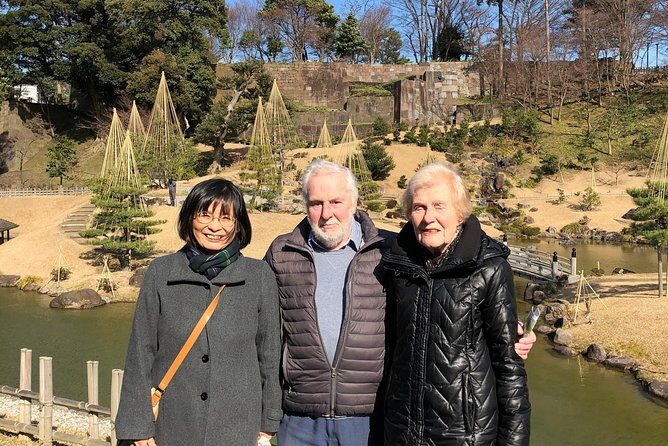
Think of this tour as a menu. You won’t necessarily do everything in one run, but your guide can build a tight 3–4 stop day from these highlights.
Kenrokuen Garden: the stop that sets the tone
Kenrokuen is one of Japan’s top three scenic gardens, and it earns its reputation. The guide value here is simple: you don’t just walk paths, you understand what you’re seeing and why it was designed that way.
Why I like it: it’s a calm start that also gives you a foundation for the rest of the day’s culture.
Consideration: Kenrokuen has an entrance ticket, and the time can slip if you stop for photos nonstop.
D.T. Suzuki Museum: philosophy with a cultural filter
The D.T. Suzuki Museum focuses on the life and works of Suzuki Daisetz Teitaro (1870–1966), a prominent Buddhist philosopher. It’s a quieter, more cerebral stop than the big visual attractions.
Why it works in a 6-hour day: it adds depth without requiring hours.
Consideration: it’s ticketed, so if you’re optimizing budget, pair it with a free area afterward (like a chaya district street stroll).
You can also read our reviews of more private tours in Kanazawa



Myoryuji (Ninjadera): the legend, explained
Myoryuji Temple is often called Ninjadera, but the point your guide will make is that it’s not really tied to ninja the way the nickname suggests. It’s one of those places where popular stories meet temple reality.
Why you’ll probably like it: your guide helps separate myth from what the site actually represents.
Consideration: it’s another ticketed stop, so choose it if your group enjoys temple atmosphere and historical framing.
Higashi Chaya District: chaya culture, not just a pretty lane
The Higashi Chaya District is about the traditional chaya entertainment houses, where guests were entertained by geisha with song and dance in designated Edo-period entertainment areas.
Why I like it: the cultural explanation matters. Otherwise, you’re just walking down historic streets.
Consideration: the district streets are free to explore, but the best experience comes from learning what the buildings and traditions meant.
21st Century Museum of Contemporary Art: modern art with a practical payoff
Kanazawa’s 21st Century Museum opened in 2004 and is near Kenrokuen. That location advantage is real: it’s easy to connect modern art with garden time without making your day feel chaotic.
Why it’s a strong choice: it breaks up temple-and-history fatigue with a different kind of conversation.
Consideration: it’s ticketed, and contemporary art can be hit-or-miss depending on your group’s mood.
Seisonkaku Villa: elegant Edo-era samurai life
Seisonkaku Villa was built in the late Edo period by a Maeda lord for his mother. It’s described as one of the most elegant surviving samurai villas in Japan.
Why it’s worth choosing: it gives you a “how the powerful lived” angle that complements the castle and samurai districts.
Consideration: it’s ticketed, so again, budget depends on your 3–4 stop mix.
Nagamachi Samurai District: atmosphere you can walk through
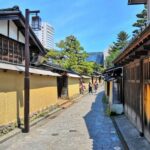
Nagamachi was a samurai district at the foot of the former Kanazawa Castle. This is where samurai and their families lived, and it preserves a historic sense of place with surviving residences.
Why I like it: you don’t just learn about the samurai era, you see how daily life would have looked around the castle.
Consideration: it’s free to explore, which is great, but it can feel like a “walk and imagine” experience—perfect if you like that kind of slow historical thinking.
Omicho Market: plan for food time
Omicho Market has been Kanazawa’s largest fresh food market since the Edo period. It’s a network of covered streets with roughly 200 shops and stalls today—so it’s lively in a practical, everyday way.
Why it’s valuable: even if you don’t plan a big lunch, it helps you understand what “local” tastes and buying habits feel like here.
Consideration: this is free to visit, but you’ll be tempted to snack. If you have a tight schedule, set a small plan (one tasting item, then move).
Kanazawa Castle: power, control, and the Maeda story
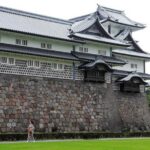
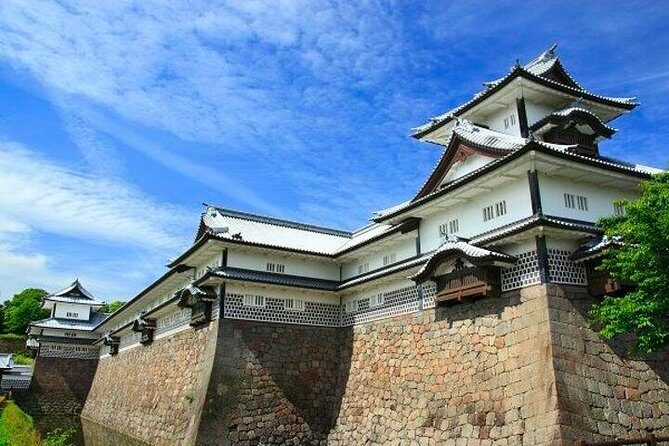
Kanazawa Castle was the seat of the Maeda Clan. It ran from 1583 through the end of the Edo period, and the Maeda domain of Kaga ranked second only to Tokugawa holdings in the feudal order.
Why it works after samurai neighborhoods: it “connects the dots” between where samurai lived and where authority was exercised.
Consideration: ticketed, and it can take a bit to settle into if your group is more into streets and food.
Kanazawa City Nishi Chaya Museum: the chaya story on the western side
Kanazawa has three preserved chaya districts, and the Nishi Chaya Museum focuses on the chaya tradition again—complete with the geisha entertainment context of song and dance.
Why it’s a smart complement: if you do Higashi Chaya District, this adds perspective and keeps the theme from feeling repetitive.
Consideration: it’s ticketed, so consider whether your time would be better spent elsewhere.
Oyama Shrine: Maeda devotion and Edo-era meaning
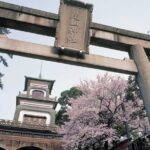
Oyama Shrine is dedicated to Maeda Toshiie, the first lord of the Maeda Clan. It was constructed in 1599 by Maeda Toshinaga.
Why I like ending here: it gives you a “belief + power” feeling that ties back to the castle and samurai areas without repeating them.
Consideration: ticketed, so it helps to choose it as one of your four priorities, not a last-minute add-on.
What the guide actually changes in your day
A guide isn’t just facts. They help you avoid the common traps: spending too long in the wrong spot, missing the point of a place, or getting hungry at the worst possible moment.
I also like that the guides bring real teaching energy. Names you might get include Asa, Yoshi, Yumiko, Keiko, Tomoko, and Shoten/Sho. Across the experiences tied to these guides, the pattern is consistent: they tailor to your interests and help you understand what you’re seeing.
Here are a few ways that private guiding shows up in real terms:
- You can ask for a plan that mixes garden time with culture and streets, rather than doing a checklist
- You can get help with practical navigation, including public bus use and how to handle local transport needs during your stay
- You’ll get food guidance that feels local, like points of interest around the market and casual choices such as oden in the right context
- You’ll get photo help too, including where to stand for better compositions around key sights
The biggest win: someone competent is steering. Your job becomes looking at Kanazawa instead of managing it.
Best 3–4 stop combos for a true 6-hour day
Because you’re choosing a focused set, you can build a day that feels coherent instead of frantic.
Garden + Geisha street + Modern pause
- Kenrokuen Garden
- Higashi Chaya District
- 21st Century Museum of Contemporary Art
This is ideal if you want classic scenery, Edo-era entertainment culture, and a modern break close by.
Samurai atmosphere + Edo villa + castle power
- Nagamachi Samurai District
- Seisonkaku Villa
- Kanazawa Castle
This day leans into how the Maeda world shaped Kanazawa, from residences to authority.
Philosophy + temple legend + cultural ending
- D.T. Suzuki Museum
- Myoryuji
- Oyama Shrine
This is for when your group likes ideas and context, and wants the day to feel thoughtful, not just scenic.
Market + Chaya districts + flexible museum option
- Higashi Chaya District
- Omicho Market
- Kanazawa City Nishi Chaya Museum (or 21st Century Museum)
This is a good “culture plus food” mix, especially if your group loves walking and snacking.
Ask your guide to time it around your energy level. That’s where private really pays off.
Practical tips so your day doesn’t feel like a workout
- Wear comfortable shoes. It’s a walking tour, and the pacing is on you and your guide together.
- Bring some cash or a card for ticketed stops. Entrance fees and lunch are not included, and you’ll likely want them.
- Plan for food with Omicho in mind. Even if you don’t do a full lunch, quick market bites keep you happy until your next ticketed stop.
- Use your guide for timing. If you want fewer crowds or a calmer pace, ask. A good guide can often steer the order of stops.
- If you’re arriving by cruise or have a strict schedule, confirm meet-up timing. One day can hinge on minutes, so send a quick message or double-check the meet-up point.
And yes, Kanazawa has seasons that change the feel of everything. If it’s hot on your visit, go slower in garden time and save energy for the evening strolls.
Should you book this Kanazawa private tour?
Book it if:
- You want Kenrokuen + culture but hate rigid group schedules
- You like understanding what you’re seeing, not just taking photos
- Your ideal day includes a mix of old Kanazawa (temples, samurai areas, shrines) and modern contrast (the 21st Century Museum option)
- You’d benefit from help with local navigation and food timing
Skip or reconsider if:
- You hate walking and want a vehicle-heavy day
- You’re trying to keep costs strictly low, since multiple ticketed sites can add up
- Your group only wants one or two landmarks and would rather self-guide
If you’re the type of traveler who likes your stops connected by a story, this tour fits. You’ll leave with a sense of Kanazawa that feels like more than a list of names.