REVIEW · KANAZAWA
Kanazawa: Private Tour with Local Guide
Book on GetYourGuide →Operated by JGA Inc. · Bookable on GetYourGuide
Kanazawa on a private walk feels personal fast. This tour puts a licensed local guide at your side so you can shape the day, from major sights to smaller stops that fit your interests. You also get a classic Kanazawa mix: gardens, samurai-era places, and the preserved Edo-era streets of the chaya districts.
I like two things a lot. First, you’ll hit top Kanazawa highlights in a way that makes sense on foot, especially Kenroku-en plus the castle park area. Second, the guides are flexible in real ways, like Yoshi keeping a snow-day pace smooth or Sho using a bus strategy to save your legs.
One thing to consider: not everything is included. You’ll want to budget for lunch and any entrance fees, and bring cash, since the tour includes walking (and possibly transit) but not those added costs.
In This Review
- Key points worth caring about
- Why Kanazawa feels different on a private walking tour
- The value of $119: what you’re really paying for
- Meeting your guide and building your route from scratch
- Kenroku-en: walking the garden like a story, not a photo stop
- Kanazawa Castle Park and the reconstructed look of power
- Omicho Market lunch: where Kanazawa shows its everyday self
- Higashi Chaya and the Edo-era streets you can still walk through
- Using buses without losing the walking experience
- Flexibility in real life: how guides handle timing and needs
- When the weather turns: rain-or-shine planning
- Who this private tour is best for
- Should you book this Kanazawa private tour?
- FAQ
- How long is the Kanazawa private tour?
- What’s included in the price?
- Are entrance fees covered?
- What languages does the guide speak?
- Is the tour wheelchair accessible?
- What should I bring?
- FAQ
- Can I customize the itinerary?
- Does it run in bad weather?
- What’s the cancellation policy?
- Is there a pay-later option?
- When will my booking be confirmed?
Key points worth caring about
- Hotel lobby pickup: your guide meets you about 10 minutes before the scheduled time.
- Custom route control: choose what you want, or let your guide build the plan.
- All the big hitters: Kenroku-en, Kanazawa Castle Park, Omicho Market area, and Higashi Chaya-style streets.
- Real local guidance in English/Japanese: guides like Yumiko and Sachi are praised for clear explanations.
- Flexible pacing: plans can shift, including using city buses when it helps (ask your guide).
- Rain-or-shine day planning: you’re still moving, so good footwear matters.
Why Kanazawa feels different on a private walking tour
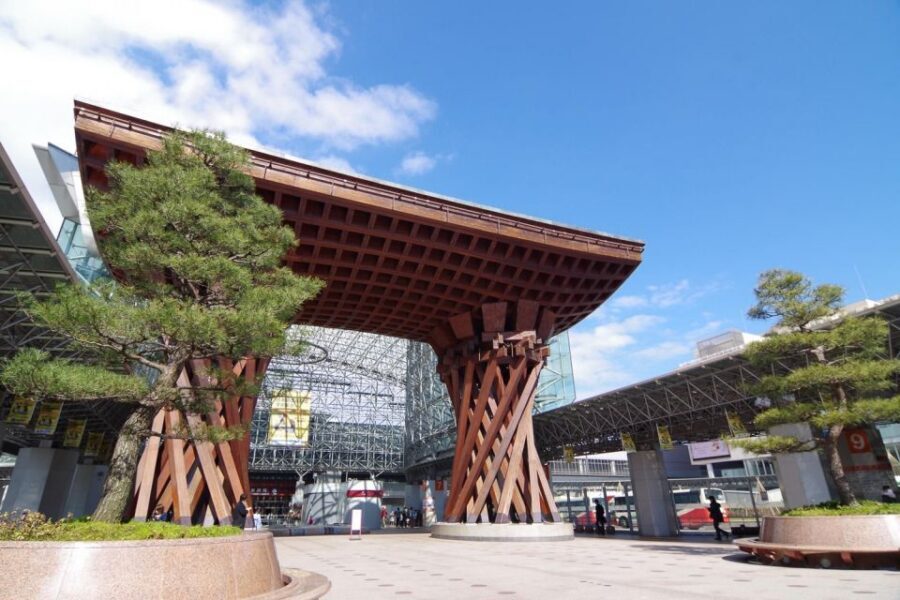
Kanazawa is the kind of city where details matter. On a guided walk, you notice why a garden bends a certain way, why a district kept its old street pattern, and how people lived and shopped back in the Edo period. A private guide also means you’re not rushing to fit ten things into thirty minutes.
The best part is that this tour is built around your choices. If you’re drawn to gardens, your guide leans into Kenroku-en and the surrounding feudal-lord garden logic. If you’re more into old-town atmosphere and crafts, you’ll spend time in the chaya districts and working shops.
And because it’s private, you can ask practical questions while you walk. That’s how you end up with better lunch timing, smarter transit decisions, and a day that feels efficient instead of exhausting.
You can also read our reviews of more guided tours in Kanazawa


The value of $119: what you’re really paying for
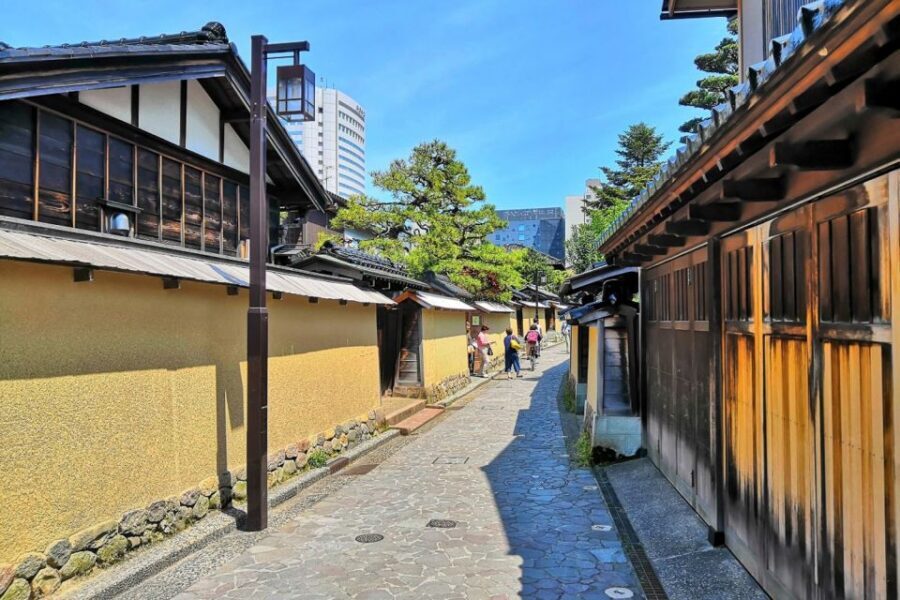
At $119 per person for a 4 to 6-hour private tour, the value comes from three things: time, flexibility, and a licensed guide you can speak with directly.
A self-guided day in Kanazawa can be fine, but it tends to become trial and error. With a private guide, you get structure early and adjustments in the moment. That matters if you have limited time, want a specific area, or need the day paced around your body. Arun’s tour note mentions patience with a spouse’s back problems, which is exactly the kind of real-world difference that makes a private plan worth paying for.
You’re also paying for the ability to swap routes without losing the thread. One guide, Kako, coordinated ahead and suggested a good lunch spot, then stayed timed so the day didn’t sprawl. When you’re paying for 4 to 6 hours, that time-management skill is part of the package.
Meeting your guide and building your route from scratch
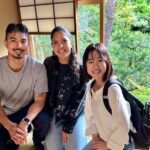
Your day starts with a meeting point that’s easy: your guide waits in your hotel lobby about 10 minutes early. If you’re within reasonable walking distance, pickup is on foot—so plan to step outside and walk a bit at the start.
From there, you choose your route. You can pick the sites and timing, or you can hand it to the guide and say what you care about: gardens, samurai sites, old districts, crafts, or food markets. The guides are praised for taking wishes seriously, like Shoten Sasaki planning an itinerary that matched what the group wanted before the day arrived.
Language support is also part of the comfort. You’ll have an English and Japanese live guide, and the reviews repeatedly point to guides speaking clearly and answering questions well. That turns the walk into more than a sightseeing checklist.
Practical note: this experience is not confirmed until your guide contacts you, typically within 7 days. That’s normal for custom coordination, but you’ll want to keep an eye on messages after booking.
Kenroku-en: walking the garden like a story, not a photo stop
Kenroku-en is the headliner, and your guide will help you see it in layers. This is one of the Three Great Gardens of Japan, and on a private walk it becomes more than a “see the ponds” stop. You’ll understand how feudal-era garden design was meant to guide views and moods as you move.
What makes this stop strong on a guided tour is pacing. In rain or snow, it’s still possible to enjoy the garden, but the route and timing matter. Yoshi guided a family through Kenroku-en during a snow storm, and that’s the kind of day where local guidance helps you keep your footing and still enjoy the atmosphere.
Also, Kenroku-en pairs well with what comes next. After you’ve walked the garden, the castle-park area feels like the other half of the same world—power, land, and design.
Drawback to keep in mind: you’ll be walking on garden grounds. Wear shoes with grip, especially if the weather turns.
Kanazawa Castle Park and the reconstructed look of power
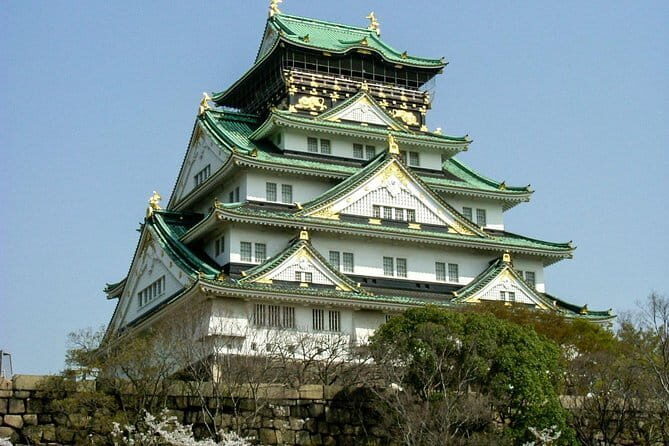
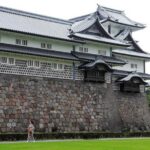
Next up is Kanazawa Castle Park, including Kanazawa Castle. The castle area is known for buildings and gardens reconstructed accurately in recent years, so it’s not just ruins—it’s a careful rebuild that helps you picture what the site was meant to represent.
Your guide’s job here is to connect the space to the era. One review highlights Yumiko explaining history and customs around samurai and geisha quarters, and that kind of framing works perfectly when you’re looking at reconstructed structures. You start to understand why people focused on certain spaces and how the layout ties to status and daily life.
This stop is also a good chance to slow down and ask questions. If you’re the type who likes context—how the castle functioned, how authority shaped city life—your guide can tailor the explanation.
Small consideration: if you’re trying to maximize the number of stops, this area can still take time. It’s worth it, but don’t schedule a “museum sprint” style day unless you want to cut something else.
You can also read our reviews of more private tours in Kanazawa



Omicho Market lunch: where Kanazawa shows its everyday self
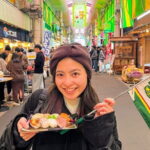
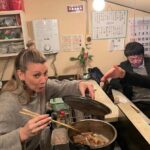
After castles and gardens, you’ll likely want something grounded. Omicho Market is that reset. It’s a smart lunch move because it’s a food-focused place where you can sample what the city is known for without turning it into a formal restaurant hunt.
Your guide can also help you choose what fits your tastes and time. The itinerary example includes a lunch stop at Kanazawa’s Kitchen within the market area, and it’s easy to see why: you can get fresh fish and local vegetables in a way that feels distinctly Kanazawa.
One more practical plus: markets are lively, but they can be overwhelming when you’re hungry and unfamiliar. A guide helps you move quickly while still making choices you’ll actually enjoy.
Not included in the tour price: food and drinks. Plan to pay for lunch separately, and consider carrying some cash for easy transactions.
Higashi Chaya and the Edo-era streets you can still walk through
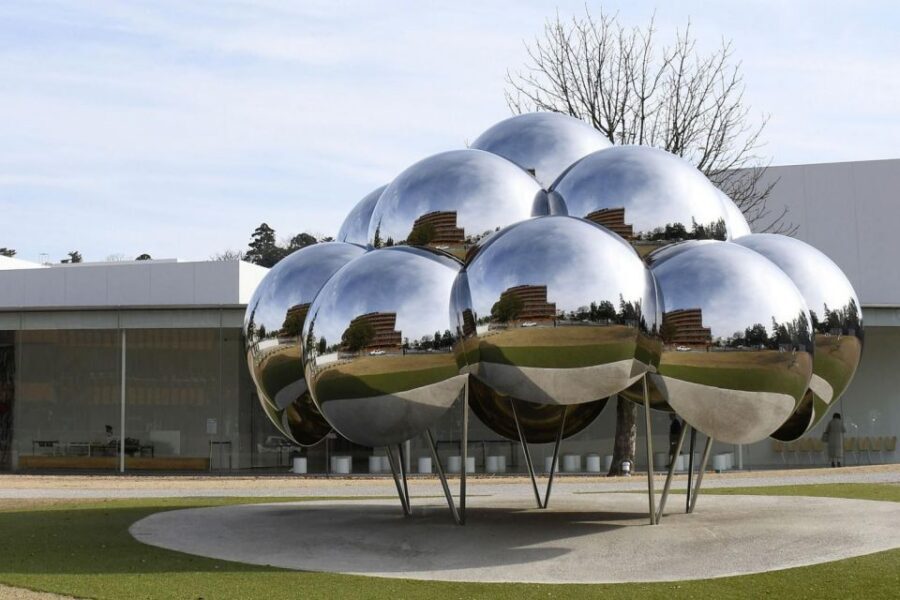
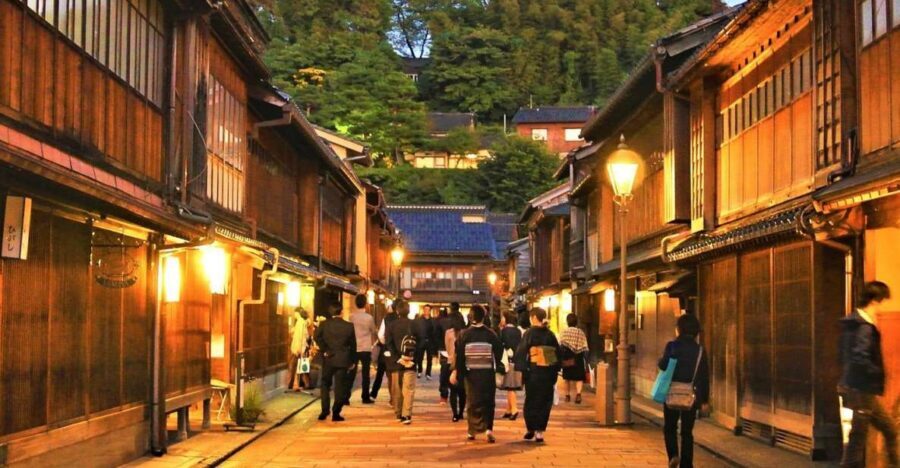
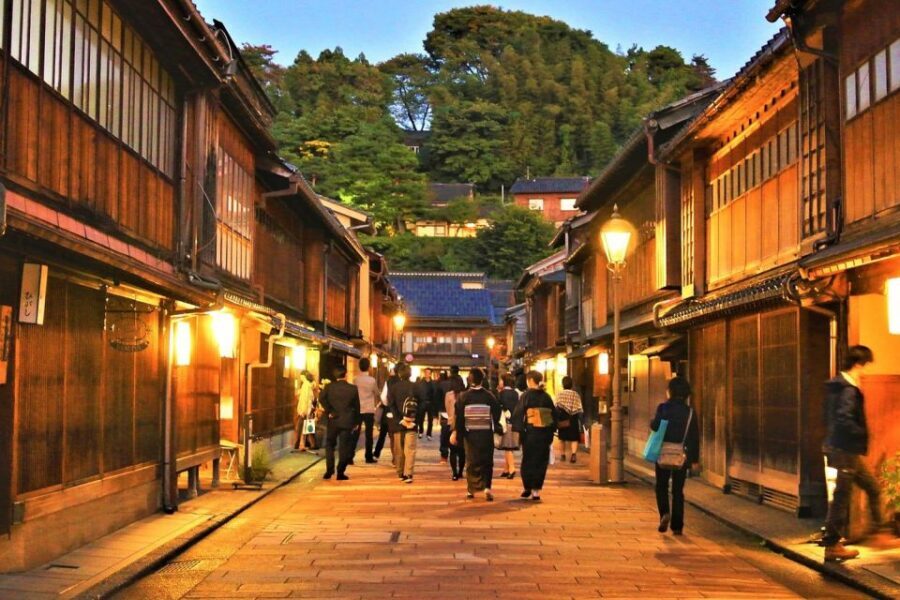
The chaya districts are where Kanazawa slows down. Higashi Chaya is known for architecture that retains grace from the Edo era, and it’s full of the small lanes and shopfronts that make the city feel human-scale.
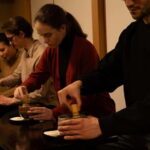
This is where your guide’s craft-and-custom focus pays off. You’ll see miso stores, rice shops, and teahouses serving wagashi confections. More importantly, you’re not just looking at storefronts—you’re learning what these places did and why certain trades took root there.
If you like arts, this stop gets even better. The itinerary example includes traditional folkcraft shops and the Kaga Yuzen art of dyed fabrics. That pairing is a Kanazawa hallmark: the city’s aesthetic isn’t limited to gardens. It shows up in what people made and how textiles were decorated.
A small caution: if you want to shop, give yourself time. It’s easy to lose 20 or 30 minutes browsing, and this tour is time-based by design.
Using buses without losing the walking experience
Even on a walking tour, it’s smart to use local transit when it helps. One review notes that the group used city buses to cover more ground in bad winter weather. Another mentions Sho suggesting a bus day pass to save time and reduce unnecessary walking.
So here’s a practical tip: don’t treat walking as a rule. Use the guide to decide what’s efficient. If you’re traveling as a couple, with kids, or with mobility limits, you’ll likely appreciate mixing walking with short transit hops.
Also, other transport can be arranged at an additional cost. If you want less walking, ask early. The earlier you ask, the easier it is for your guide to design a route that still hits the core sights.
Flexibility in real life: how guides handle timing and needs
What I really like about this tour setup is that it’s not just a script. Guides are praised for adapting to group needs and shifting plans when situations change.
Examples from guide behavior you can expect in similar form:
- Yoshi is noted for making strong recommendations when time is limited.
- Sachi is praised for friendliness and knowledge while moving through samurai, temple, and garden areas.
- Sho is mentioned as punctual and practical with transit planning.
- Junko and Kako are mentioned as flexible with what the group wanted.
- Masayo is credited with local connections and even helping with an entry situation when time was short for a geisha-house style event—something that only matters when you’re trying to make the most of narrow windows.
- Yuki is praised for helping when there was a train cancellation, which signals a guide who stays supportive beyond the strict walk-and-point routine.
You won’t get the same exact results every time, but the pattern is consistent: the best tours aren’t only about sights. They’re about how your guide keeps the day working for you.
When the weather turns: rain-or-shine planning
This experience takes place rain or shine. That’s a relief in Kanazawa, because you’re not stuck with the stress of rescheduling every time clouds roll in.
Your guide will adjust the route and pacing. For snow or rain, start with the basics: good shoes, a light rain layer, and something to keep your phone protected. Then let the guide handle the rest, like keeping you moving through sights that still feel worth it even when the city looks different.
Also, if you’re visiting in fall, you can get standout color moments around Kenroku-en and the castle area, and a guide will help you time views with your schedule.
Who this private tour is best for
This tour is a great fit if you want Kanazawa in a few focused hours without wasting time. I’d especially recommend it for:
- First-time visitors who want the “main Kanazawa” highlights in a logical route.
- Couples or families who prefer a private pace over a group scramble.
- Travelers who like context: history, customs, and why places look the way they do.
- Anyone with limited mobility who benefits from a guide adjusting the pace. The tour is described as wheelchair accessible, but you should still ask about how much walking is involved for your exact route.
If you’re the type who loves wandering with zero structure, you might not need a private guide. But if you want your day to feel efficient and meaningful, this one usually delivers.
Should you book this Kanazawa private tour?
If your time in Kanazawa is short, you care about more than just photos, and you want your route tailored to your interests, I think this is an easy yes. The combination of licensed local guidance, core highlights, and customizable routing makes it a strong value at $119 per person.
Book it especially if you’ll benefit from someone handling the details: where to go next, how to pace the walking, and how to weave in market time and old-town atmosphere without turning your day into a chaotic map chase.
Only skip it if you already have a tight plan, don’t want to pay for a guide, or you’re hoping for a mostly sit-down, low-movement day. Otherwise, meeting your guide at your hotel and letting the day flow is one of the simplest ways to enjoy Kanazawa well.
FAQ
How long is the Kanazawa private tour?
The tour runs for 4 or 6 hours, with the exact starting time depending on availability.
What’s included in the price?
You get a private, personalized tour with a licensed local guide, pickup from your accommodation on foot if you’re within reasonable walking distance, and a walking tour. Entrance fees, food and drinks, and transportation costs during the tour are not included.
Are entrance fees covered?
No. Entrance fees are not included, so you’ll need to plan to pay separately if you visit paid sites.
What languages does the guide speak?
The live guide is available in English and Japanese.
Is the tour wheelchair accessible?
Yes, this experience is listed as wheelchair accessible.
What should I bring?
Bring cash.
FAQ
Can I customize the itinerary?
Yes. You can choose what you want to see and what time you want to start, or you can let the local partner plan the route for you based on your interests.
Does it run in bad weather?
Yes. The tour takes place rain or shine.
What’s the cancellation policy?
You can cancel up to 24 hours in advance for a full refund.
Is there a pay-later option?
Yes. You can reserve now and pay later to keep your plans flexible.
When will my booking be confirmed?
It isn’t confirmed until the guide contacts you regarding your tour, which most guides do within 7 days.