REVIEW · KANAZAWA
Kanazawa Half Day Tour (Private Guide)
Book on Viator →Operated by Kanazawa Tours · Bookable on Viator
Four hours, four Kanazawa icons. A private tour like this is a fast way to get the big hits, from Kenrokuen Garden to the samurai and tea-house districts, with an English-speaking guide adding context as you go. Guides such as Kayo and Nozomi are repeatedly praised for helping you understand what you’re actually seeing, not just ticking boxes.
I love that you get real control over pacing and priorities, especially when your schedule is tight. The tour also benefits from hotel pickup and drop-off and a custom plan that can adapt on the spot. One possible drawback to plan for: transportation between stops isn’t automatically included, and if you use taxis or buses to save time, you may be paying those fares yourself—plus in some tight itineraries you may not fully cover every planned stop.
In This Review
- Quick hits before you book
- How this Kanazawa half day tour really plays out
- Kenrokuen Garden: one hour to understand Edo-era artistry
- Kanazawa Castle Park: power, gate details, and a quick history lesson
- Higashi Chaya District: tea-house streets and geiko culture context
- Nagamachi Bukeyashiki ruins: samurai life, not a costume show
- The private guide factor: why names like Jorge and Nozomi show up
- Walking, buses, taxis, and staying on schedule without stress
- Price and value: $134.69 for a guided Kanazawa hit
- Who this Kanazawa tour fits best
- Should you book this Kanazawa Half Day private guide?
- FAQ
- How long is the Kanazawa Half Day Tour?
- Is this tour private?
- Do I get hotel pickup and drop-off?
- What are the main areas you visit?
- Are entrance fees included?
- Is transportation between attractions included?
- Do I need a physical ticket?
- What’s the cancellation policy?
- Is the tour suitable for most people?
Quick hits before you book
- A four-stop Kanazawa sampler built around Kenrokuen, the castle area, Higashi Chaya, and Nagamachi Bukeyashiki
- Admission for Kenrokuen and Kanazawa Castle Park is listed as free for this tour setup
- Private guide, only your group with custom route adjustments for your interests and pace
- English support is consistent, with feedback that guides like Ai, Jorge, and Tetsuro made the history click fast
- Time-savvy routing may involve walking plus optional paid transport if the clock is tight
- Local extras show up in the details, from gold-leaf tips to photo help and handy travel booklets
How this Kanazawa half day tour really plays out

This is designed for people who want structure without feeling herded. You’re in Kanazawa long enough to see the classics, but not so long that you lose the day to logistics. At about 4 hours, the tour focuses on four areas that explain Kanazawa’s story: garden design, feudal power, entertainment quarters, and samurai-era living.
The “private” part matters more than you’d think. With one group and one guide, you can ask questions mid-walk, slow down for a viewpoint, or adjust if rain hits. That flexibility shows up in guide feedback again and again, including guides who tailored routes for families or cruise-day timing.
Your best mindset: use this tour to get your bearings fast, then build on it afterward. Kenrokuen and the castle grounds give you the broad layout. Higashi Chaya and the samurai district give you the texture—streets, walls, house styles, and the way neighborhoods were planned.
You can also read our reviews of more guided tours in Kanazawa


Kenrokuen Garden: one hour to understand Edo-era artistry

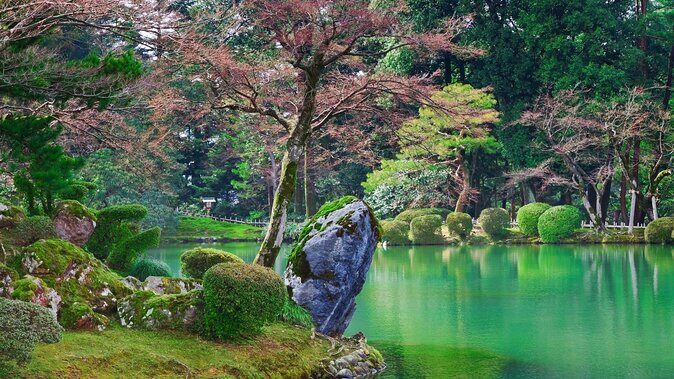
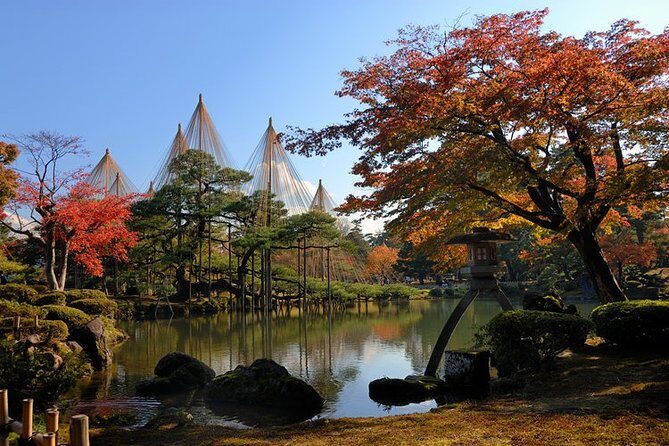
Kenrokuen Garden is the signature stop. It’s listed for about one hour, and admission is marked as free in this tour structure. That matters because Kenrokuen can eat time if you wander without context. With a guide, you can spend that hour looking at the right things: paths and sightlines that were designed for viewing, not just strolling.
What I like about this setup is the pacing. One hour is enough to see how the garden is organized, but not so long that you get garden fatigue. Guides mentioned in feedback for this type of tour commonly add small explanations that help you connect features to the Edo-era mindset—why certain stones, bridges, and water edges matter, and how the garden was meant to be experienced from specific angles.
Practical tip for you: wear shoes you can trust. You’ll be walking inside a garden setting, and the stone paths can be a lot easier with grippy soles. If it’s wet, expect slick spots and plan a slower pace.
Kanazawa Castle Park: power, gate details, and a quick history lesson
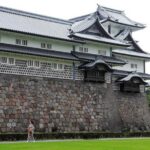
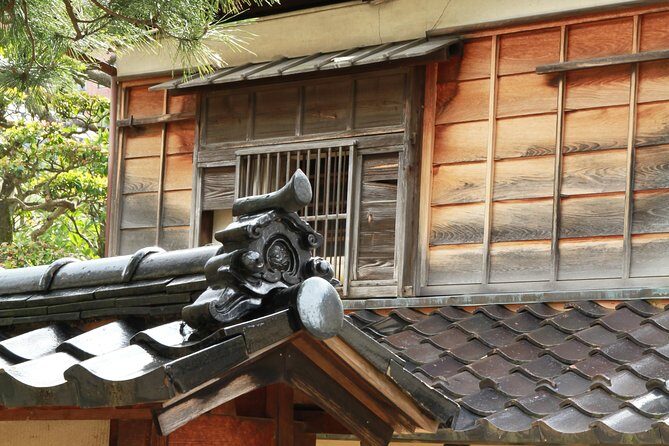
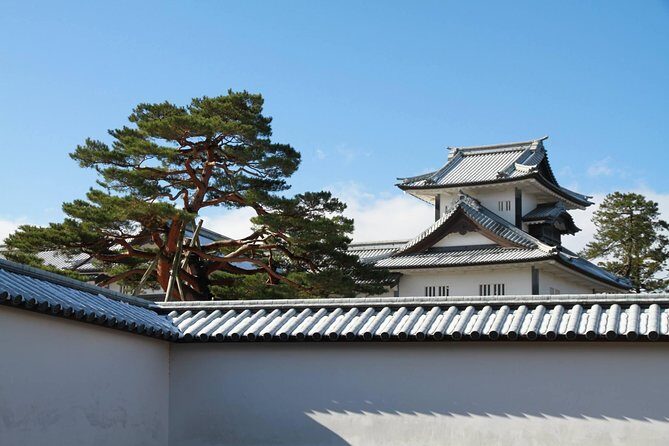
Next comes the castle grounds area for about one hour, also marked with free admission in the tour notes. This stop is where you get the “why” behind the city. Kanazawa’s old ruling influence shaped everything from defense to town layout, and the castle area is the clearest place to feel that.
A small detail in the tour description is telling: the plan includes close attention to gate and architecture, including the Ishikawa Mon gate area. That kind of “stop and look” time can turn a photo moment into an understanding moment. You’re not just standing in front of a big structure—you’re being pointed toward the features that communicate authority and craftsmanship.
Drawback to consider: castle grounds can be slightly exposed depending on where you’re walking. If weather is a factor, a good guide will route you with timing in mind, but you’ll still want a light layer and a rain plan.
Higashi Chaya District: tea-house streets and geiko culture context
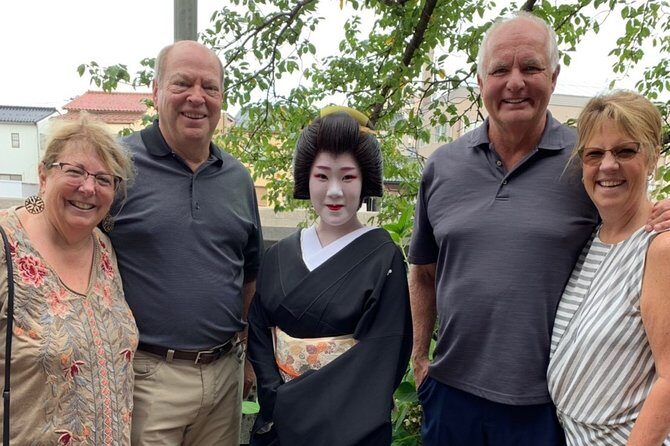
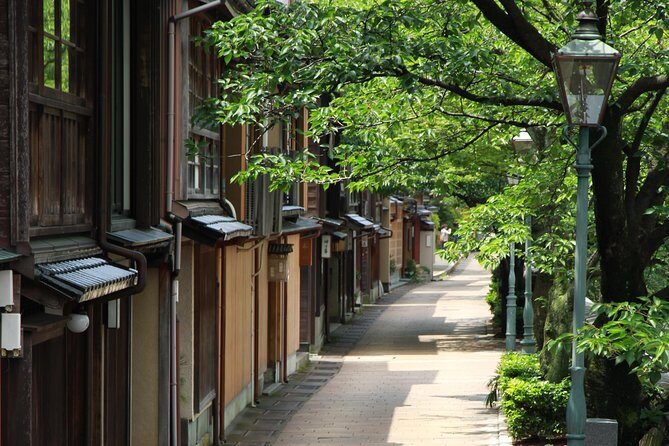
Higashi Chaya District is where Kanazawa shifts from military-era visuals to entertainment-quarter atmosphere. It’s listed for about one hour, and admission is marked as free in the tour structure.
This stop is valuable because it isn’t just “pretty streets.” With a guide, you can understand how tea houses, local performance culture, and neighborhood layout work together. In guide feedback for this kind of tour, guests often highlight how the guide explained the roles and traditions around the district—especially the tea-house culture associated with geisha/geiko districts.
A personal favorite angle for your planning: you’ll likely see the district more clearly because you’re not trying to decode it alone. The streets can be charming but confusing if you’re hunting for landmarks. A guide keeps you pointed toward the parts of the district that best communicate the story.
Practical tip: this area often feels best when you slow down. If you’re rushing, you’ll miss the quiet cues—wall details, narrow lanes, and the way the neighborhood feels “designed” rather than accidental.
Nagamachi Bukeyashiki ruins: samurai life, not a costume show
The Nagamachi Bukeyashiki ruins are your samurai-era anchor. This is listed as about one hour and framed as one of the best-preserved samurai district areas, with attention to how foot soldiers (ashigaru) lived, alongside the more powerful samurai residences.
This stop earns its keep when the guide can connect street shape and house layout to social structure. That’s exactly what shows up in the feedback: guests praise guides for making samurai history feel real through explanations of how people actually lived, not just who held power. One guest experience even points to being able to go into an upper samurai’s house, which is the kind of moment that makes the whole district click.
What to watch for: depending on timing, you may not spend equal time on every house area or every side street. That’s not a flaw—it’s how a half-day tour stays on schedule. If you have a strong preference (for example, you care more about the samurai residences than the garden), prioritize that early with your guide.
You can also read our reviews of more private tours in Kanazawa



The private guide factor: why names like Jorge and Nozomi show up
A big part of the value here is human. You’re paying for someone to interpret Kanazawa for you, and feedback keeps circling back to guides doing that in specific, memorable ways.
Examples from guide feedback:
- Jorge is repeatedly praised for turning history into walking stories and for being able to fit a lot into an active half day.
- Nozomi stands out for tailoring the route to family needs and handling weather-related timing so you still get the core stops.
- Kayo is mentioned for deep local context around the castle and both the samurai and tea-house districts.
- Kumiko is noted for being organized and prepared, including using a travel booklet to help shape what people wanted to see.
- Tetsuro is praised for making it possible to cover major highlights in a short window, including guiding people through the garden, samurai area, and geisha district, which can be a big help if you’re connecting to a train day.
Here’s why this matters to you: if you’ve only got one half day in Kanazawa, you don’t want a “sightseeing checklist.” You want interpretation—especially for neighborhoods like Higashi Chaya and Nagamachi, where the meaning lives in details.
Also, some guides add small practical perks: helping with photo spots, sharing tips for where to eat or shop after the tour, and even sending photos afterward. Those aren’t required for the tour to work, but they’re the kind of “how did they think of that?” touches that make a half day feel complete.
Walking, buses, taxis, and staying on schedule without stress
This is the part that can make or break your experience. The tour includes hotel pickup and drop-off, but transportation to and from attractions isn’t listed as included. In plain terms: you may walk a lot, but you might also use paid transport during the tour if distances or timing demand it.
Some guests specifically called out that taxis or buses may be required at their own cost to keep the tour on track, and that in very tight schedules the tour may end up covering fewer than the four listed stops.
So, what should you do?
- If you want all four stops fully, tell your guide early you want maximum coverage.
- If you’re sensitive to extra costs, ask what the guide recommends for getting between stops: walking, bus, or taxi.
- If weather is bad, accept that taxis can be the difference between a smooth tour and a day lost to wet streets.
The good news: the route is set up to be flexible. Guides are praised for adapting when schedules change, including cruise-day and family scenarios.
Price and value: $134.69 for a guided Kanazawa hit
At $134.69 per person for a private half-day, you’re not paying for a low-cost bus ride. You’re paying for:
- a professional English-speaking guide
- hotel pickup and drop-off
- a custom itinerary
- support from a native English team
- and, based on the stop notes, free admission for Kenrokuen and Kanazawa Castle Park in this tour setup
Is it worth it? For many people, yes—if your priorities match the tour design. If you care about history context (samurai district and castle) plus atmosphere (Higashi Chaya) plus a top garden, a guide can save you time and help you avoid wandering.
Where value can feel uneven is when you end up not covering all planned stops due to schedule, or when paid transport comes into play. The tour’s structure makes it possible to see a lot, but your exact experience depends on pace and routing decisions. If you want to minimize surprises, plan to ask about transit choices before you set off.
Who this Kanazawa tour fits best
This tour is a great fit if:
- you have one half day and want a strong overview of Kanazawa’s major districts
- you want a guide to explain the meaning behind the sights, not just point them out
- you’re traveling with family or mixed ages and want flexibility around pacing
- you’re aiming to connect Kanazawa to a train schedule (feedback includes people using the tour as a fast add-on before/after travel)
It may feel less ideal if:
- you want a fully unhurried visit with lots of free time in each neighborhood
- you dislike extra transport costs and prefer an all-walking plan
- you’re expecting the tour to function like a self-guided route where every planned stop is guaranteed regardless of timing
Should you book this Kanazawa Half Day private guide?
If you want a focused introduction to Kanazawa, I’d say yes—especially because the combination makes sense. Kenrokuen gives you artistry and layout. The castle grounds give you power and context. Higashi Chaya and Nagamachi Bukeyashiki give you the cultural and social texture.
Book it if you’re the type who likes questions, photos with context, and a plan that reduces guesswork. Before you confirm, ask your guide how they expect to handle transport between stops so you can budget calmly, and clarify whether you prefer maximum coverage or deeper time at fewer places.
If that lines up with how you like to travel, this is an efficient way to get Kanazawa’s main story in one morning or afternoon.
FAQ
How long is the Kanazawa Half Day Tour?
It runs for about 4 hours.
Is this tour private?
Yes. It’s a private tour, and only your group participates.
Do I get hotel pickup and drop-off?
Yes. Hotel pickup and drop-off are included.
What are the main areas you visit?
The tour includes Kenrokuen Garden, Kanazawa Castle Park, Higashi Chaya District, and the ruins of Nagamachi Bukeyashiki.
Are entrance fees included?
Admission for Kenrokuen Garden and Kanazawa Castle Park is listed as free in the tour stops. Optional entrance fees are not included.
Is transportation between attractions included?
Transportation to/from attractions is not included. The tour does include pickup and drop-off, but you may need to pay for transport used during the tour depending on timing and routing.
Do I need a physical ticket?
A mobile ticket is part of the tour features.
What’s the cancellation policy?
You can cancel for a full refund up to 24 hours before the experience’s start time.
Is the tour suitable for most people?
Most travelers can participate, and service animals are allowed.