REVIEW · TOKYO
From Tokyo: Mount Fuji Sightseeing One Day Trip
Book on Viator →Operated by F Trip · Bookable on Viator
Fuji in a single day beats planning. This one-day Mount Fuji trip is built for comfort and speed: you get round-trip transport from Tokyo/Shinjuku and a packed schedule of big photo stops so you spend less time figuring out trains and more time framing the views. You also get short, timed cultural and scenic breaks that make the day feel structured, even if you’re traveling solo.
My favorite part is how much ground you cover without the usual headache. You’ll still want to plan around one reality: Mt. Fuji visibility can be weather-dependent, so even with perfect logistics, fog and cloud cover can limit what you see.
In This Review
- Key Things That Make This Mount Fuji Day Trip Work
- A Mount Fuji Day Trip Built for Logistics (Not Guesswork)
- Price and What You’re Really Buying for $58.90
- The Day’s Real Tempo: How 10 Hours Feels in Motion
- Chureito Pagoda in Arakurayama Sengen Park: The Classic Fuji Shot
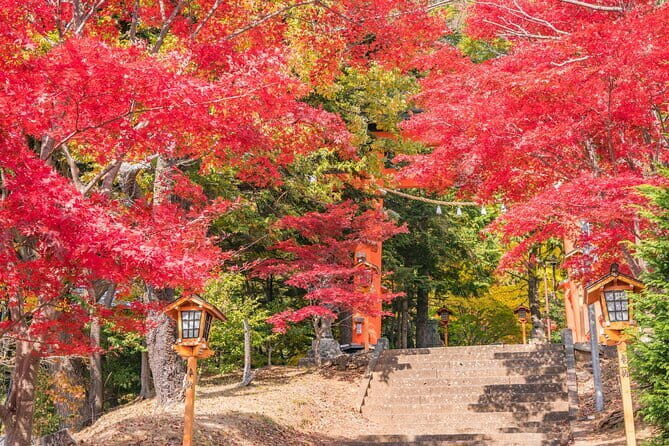
- Arakura Fuji Sengen Shrine: Old Faith, Short Break
- Lake Kawaguchiko: Fuji Views With Real Water (Not Just a Mountain)
- Oishi Park: Flowers, Promenades, and a Fuji “Combo Plate”
- Oshino Hakkai: Eight Ponds and Clear Water Details
- Hikawa Clock Shop: A Town Path With Fuji in the Background
- Lawson Fujikawaguchiko Town Hall: The Modern Blue Photo Hit
- Guides, Bus Ride, and the Most Important Human Factor
- Weather Rules Everything: How to Set Your Mount Fuji Expectations
- Who This Tour Fits Best (And Who Might Prefer Another Plan)
- Should You Book This Mount Fuji One-Day Trip From Tokyo?
- FAQ
- How long is the Mount Fuji sightseeing day trip from Tokyo?
- What is the price per person?
- Where does the tour start from in Tokyo?
- Is lunch included?
- Are admission tickets included for the main stops?
- Do I need a printed ticket?
- How many stops are included in the itinerary?
- What’s the maximum group size?
- Is it possible that Mount Fuji won’t be clearly visible?
- What is the cancellation window?
- Do I need to notify the operator if I’m traveling with stroller or large luggage?
Key Things That Make This Mount Fuji Day Trip Work
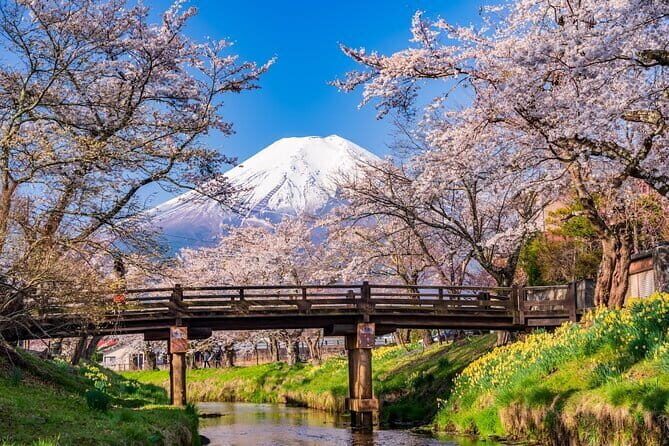
- Round-trip comfort from Tokyo or Shinjuku on an air-conditioned vehicle
- A photo-forward route: Chureito Pagoda, Lake Kawaguchiko, Oshino Hakkai, and quick town stops
- Free entry at the listed highlights, so your money goes mainly to guiding and transport
- Smaller group size (max 45), which helps keep timing under control
- Guide-led pacing, with many guides praised for organization and stop management (examples include Keiko, Jay, Joey, and Blair)
A Mount Fuji Day Trip Built for Logistics (Not Guesswork)
If you’ve ever tried to get from Tokyo to Lake Kawaguchiko on your own, you know the challenge: transfers, schedules, and the nagging question of whether you’ll show up at the right viewpoint at the right time. This tour solves that by handling the whole flow for you. You ride in an air-conditioned vehicle and let someone else manage the turns, timing, and stop order.
At $58.90 per person for about 10 hours, it’s not a “grab a train and wander all day” deal. It’s a guided day that trades flexibility for certainty: you know where you’ll be, roughly how long you’ll have, and which sites matter most for classic Mount Fuji views. That value equation tends to be a win when you’re on a first trip to Japan or you only have one day to spare.
A few more Tokyo tours and experiences worth a look



Price and What You’re Really Buying for $58.90
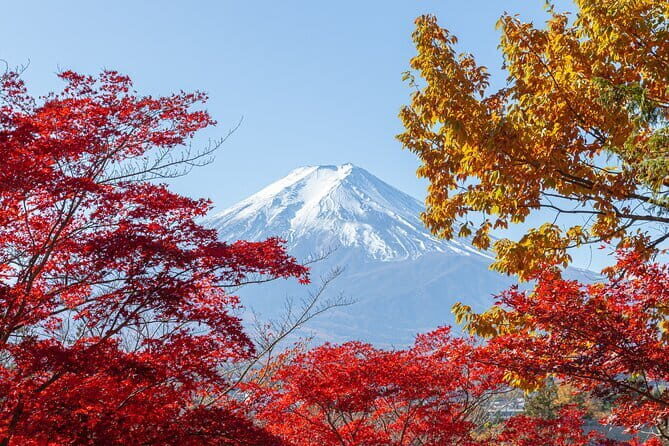
The ticket cost includes air-conditioned vehicle plus all fees and taxes. Admissions for the listed stops are shown as free, which is a big deal in Japan where entry costs can add up quickly.
Two important value notes:
- Lunch is not included, so you’ll want to budget for food on your own at or near the stops.
- You’re paying for planning and pacing as much as for the sights. The bus ride through the mountains is part of the experience too, and people have specifically called out that the route itself felt worth it.
For many people, this ends up being cheaper than you might expect if you compare it to the full cost of private transport plus a paid guide plus missed time from figuring things out.
The Day’s Real Tempo: How 10 Hours Feels in Motion
This is a tight, scheduled kind of day. You’ll have a series of stops where you can step out, take photos, and get back on the bus. The upside is that you hit multiple “Mount Fuji best hits” in one day. The downside is that you shouldn’t plan to linger.
A few stops are short on purpose:
- Some are 15 minutes (like the shrine stop).
- Others are around 20–30 minutes (like Lake Kawaguchiko and Oishi Park areas).
- Two major photo/culture stops give you longer time: Chureito Pagoda (about 1 hour) and Oshino Hakkai (about 1 hour).
In real life, crowded seasons can shrink your effective free time. One common theme from past experiences: you may feel like it’s photo-first, snack-second. If you love slow wandering and deep shopping, this route may feel rushed.
Chureito Pagoda in Arakurayama Sengen Park: The Classic Fuji Shot
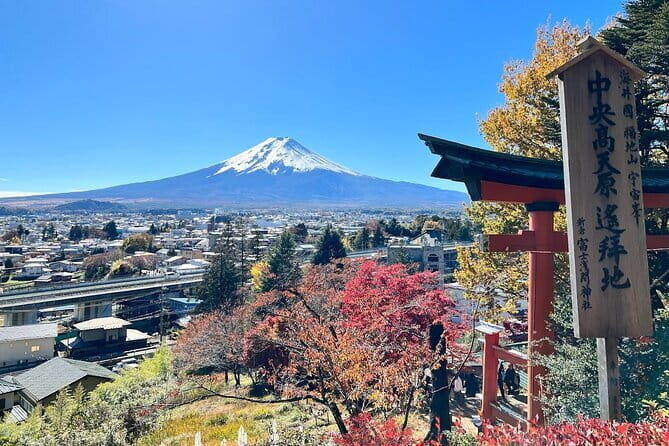
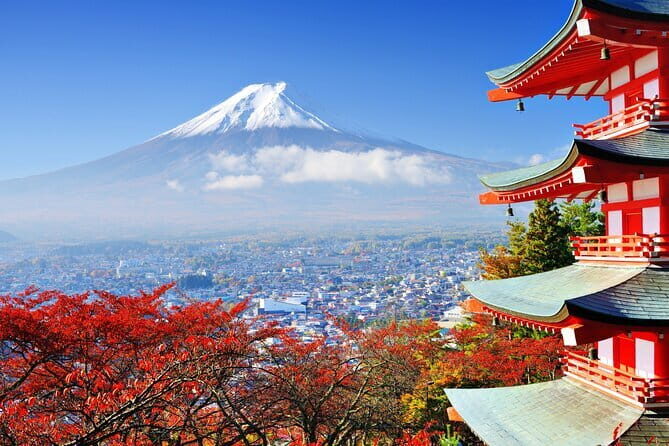
The tour starts (and often steals the show) at Chureito Pagoda in Arakurayama Sengen Park. This is famous for panoramic views that pull together three elements: the pagoda itself, Mount Fuji, and the cityscape of Fujiyoshida below.
Why this stop works so well:
- It’s purpose-built for taking photos, with multiple angles.
- The viewpoint is designed for the kind of composition you usually have to chase across multiple locations.
Time check: plan for about 1 hour. That’s enough to get a feel for the best angles and take a few rounds of photos, but not enough to fully escape the crowds if you arrive during peak hours.
Quick practical advice: wear grippy shoes. The pathways can be busy, and you’ll want to move steadily when you spot a clear line-of-sight.
Arakura Fuji Sengen Shrine: Old Faith, Short Break
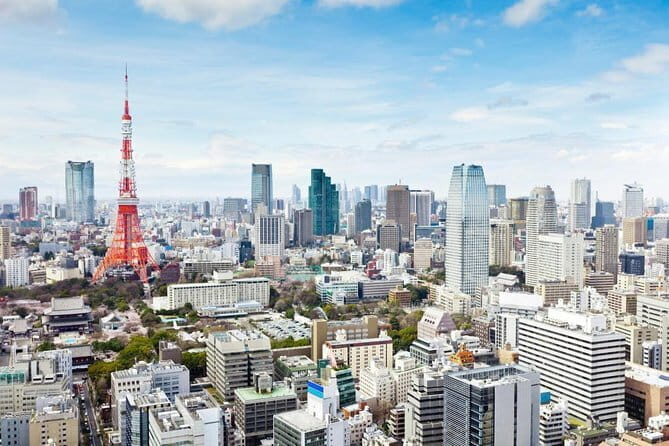
Next up is Arakura Fuji Sengen Shrine, with origins dating back to 705. The tour frames it as a guardian place for Arakura Village for over 1,300 years, so this isn’t just a pretty backdrop—it’s a living religious site.
You only get about 15 minutes here. That’s enough for:
- a quick look at the shrine space,
- a respectful walk through the area,
- and a pause to reset before heading back into “Fuji photo mode.”
Because the time is short, don’t expect long explanations at this stop. The experience here is more about atmosphere and history-by-context than deep pacing.






Lake Kawaguchiko: Fuji Views With Real Water (Not Just a Mountain)
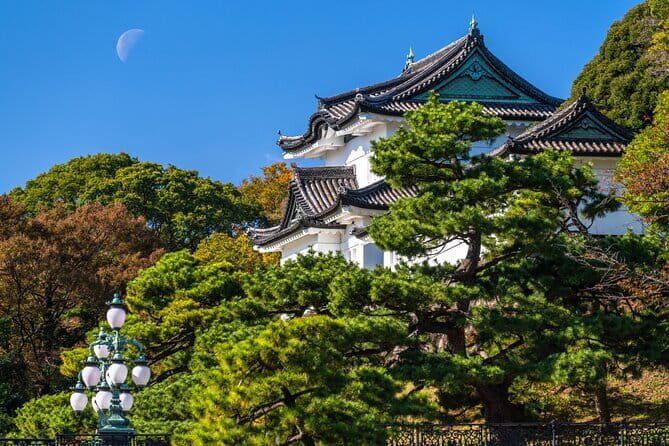
Then you shift from shrine grounds to Lake Kawaguchiko, one of the Fuji Five Lakes and often considered the most popular. The big selling point is straightforward: on calm, clear days you can see Mount Fuji reflected toward the shoreline.
Why I like Lake Kawaguchiko on a day trip:
- It broadens the picture. Instead of only a mountain with a structure, you get water and shoreline views.
- It sets up a “layered” Fuji experience: pagoda, then shrine, then a wide scenic setting.
You’ll have around 20 minutes here. That’s a short window, but it’s usually enough to walk a bit, find a good view line, and get photos without feeling like you’re sprinting across the entire lake perimeter.
If it’s foggy or cloudy, don’t panic. You may not get the full crisp mountain silhouette, but the lakeside atmosphere still photographs well, especially if the weather shifts during your visit.
Oishi Park: Flowers, Promenades, and a Fuji “Combo Plate”
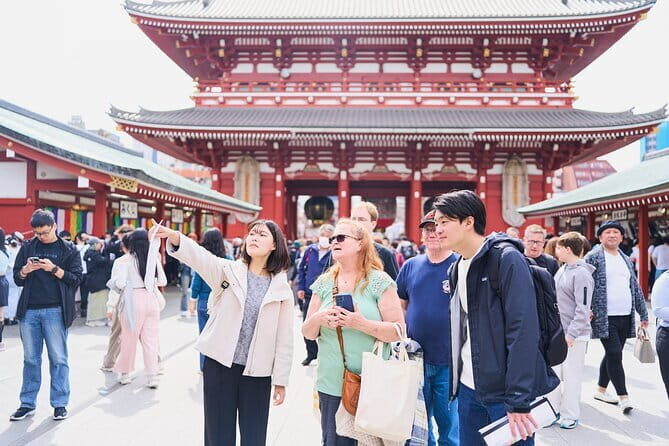
From the lake, you head to Oishi Park, described as a scenic area where you can enjoy views of flowers, the lake, and Mount Fuji all at once. There’s a lakeside promenade, and the flower display changes by season, which means the mood of the park changes depending on when you go.
Time is about 30 minutes. That’s the sweet spot for a park stop because:
- you can slow down a little,
- take a better walk than the 15–20 minute stops allow,
- and still stay on schedule.
One practical note: in peak seasons, park areas can feel crowded. If you’re hunting for the most open photo angles, go early in your stop window and avoid spending too long at the first viewpoint you like.
Oshino Hakkai: Eight Ponds and Clear Water Details
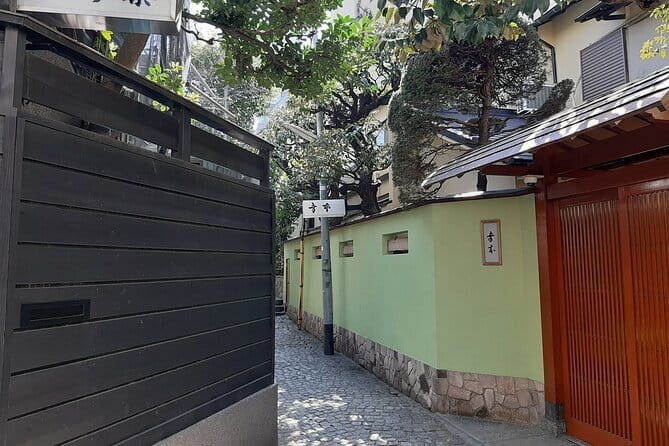
Your longer scenic stop after the lake area is Oshino Hakkai, known for eight spring water ponds. It’s also recognized as one of Japan’s Top 100 Famous Waters, and it’s classified as a Natural Monument.
This is where the day becomes more than just “take pictures of Fuji.” It turns into a place where you can focus on small details—water color, the pond shapes, and the way the village environment supports the natural setting.
You’ll get about 1 hour here. That’s a strong chunk of time on this tour, and it helps because Oshino Hakkai often draws crowds. With an hour, you can:
- take a loop through the pond areas,
- pause for photos without rushing,
- and find time for a drink or snack if you planned well.
If you’re the kind of traveler who likes meaningful side-stops (not just the headline attraction), Oshino Hakkai is one of the best reasons to do this day trip.
Hikawa Clock Shop: A Town Path With Fuji in the Background
Next is Hikawa Clock Shop, a stop that sounds small until you realize what makes it fun: there’s a serene path that can frame Mount Fuji behind you. The focus here is less about historic architecture and more about getting those street-scene moments where Fuji becomes the backdrop.
Time is about 20 minutes. This works as a breather between big view stops and the final quick photo stop.
If the weather is cooperating, this is a great place to experiment with angles. If not, it still offers a charming “Fuji on the horizon” vibe.
Lawson Fujikawaguchiko Town Hall: The Modern Blue Photo Hit
The last notable photo moment is at a Lawson location with a modern blue facade that’s known as an Instagram-style spot with Mount Fuji in the background. It’s quick—about 15 minutes.
Is this the most essential cultural stop? Not really. One past point of feedback was that this final stop can feel less necessary, especially if you came for traditional sights. But it does offer:
- a clean, high-contrast backdrop,
- and a convenient final chance to catch Fuji in a more urban composition.
Also, if you’re tempted by treats from that stop, plan for lines. Timing can turn into the main variable here.
Guides, Bus Ride, and the Most Important Human Factor
Transport and schedule matter, but the guide makes or breaks the day. Across the feedback, the strongest praise lands on guides who:
- keep the group on time,
- explain what you’re seeing in plain language,
- and help you take better photos by pointing out good angles.
Specific guide names that have shown up with high praise include Augustine, Keiko, Jay, Joey, Ann, Jimmy Lee, Allan, Blair, and Tim. People describe them as organized and helpful, with some guides adding humor and culture notes that make the long drive feel shorter.
A couple of considerations you should keep in mind:
- Some reports mention English clarity can vary by guide.
- Bus comfort can vary by day, and a few people wished the air-conditioning felt stronger.
My practical take: if you’re sensitive to comfort or language nuance, sit where you can hear clearly and don’t be shy about asking for a quick clarification at a stop.
Weather Rules Everything: How to Set Your Mount Fuji Expectations
This tour can be wonderful even when the mountain hides. That might sound like a letdown, but it’s actually the most honest way to plan for Fuji country.
Here’s what the experience data suggests:
- On clear days, you can see Mount Fuji from several stops and get multiple good photo moments.
- When it’s foggy or cloudy, Mount Fuji may be obscured for part of the day, sometimes leaving you with only cloud-topped views.
The best move is to think of this as a Fuji region day, not a guaranteed Fuji silhouette day. You’ll still see major highlights like Lake Kawaguchiko, Oshino Hakkai, and the iconic pagoda area—even if the mountain is partly hidden.
One simple tip that keeps showing up: bring an umbrella. Rain can happen fast, and the difference between a good day and a miserable one is often just whether you’re ready for wet sidewalks.
Who This Tour Fits Best (And Who Might Prefer Another Plan)
This is a great match for you if:
- You want a one-day Mount Fuji hit list without independent transit stress.
- You’re traveling with limited time (or you’re not excited about planning logistics).
- You like guided explanations and a structured photo schedule.
- You want to cover Tokyo or Shinjuku plus multiple Fuji Five Lakes area highlights in a single outing.
It’s not the best choice if:
- You hate crowds and want long, unhurried time at each place.
- You’re the type who expects lunch included.
- You need guaranteed crystal-clear Mount Fuji views (nothing in the data promises that).
Should You Book This Mount Fuji One-Day Trip From Tokyo?
Book it if you want maximum return for your time: round-trip transport, a focused set of Mount Fuji-area sights, and enough guidance to keep you moving smoothly. At $58.90, the value is strongest for first-timers who want to see the big names—Chureito Pagoda, Lake Kawaguchiko, and Oshino Hakkai—without building your own route.
Skip (or plan a different style of trip) if you know you’ll be crushed by cloudy views or you prefer to roam slowly and shop at leisure. Also, if you’re picky about comfort or want longer free time, you may feel constrained by the stop durations.
If you can bring a flexible mindset and pack for weather, this day trip is a solid way to experience Japan’s Fuji region without turning your vacation into a spreadsheet.
FAQ
How long is the Mount Fuji sightseeing day trip from Tokyo?
The trip runs for about 10 hours.
What is the price per person?
The price is $58.90 per person.
Where does the tour start from in Tokyo?
It’s offered from Tokyo or Shinjuku.
Is lunch included?
No. Lunch is not included.
Are admission tickets included for the main stops?
All fees and taxes are included, and the listed stop admissions are shown as free.
Do I need a printed ticket?
It’s a mobile ticket.
How many stops are included in the itinerary?
There are seven stops: Chureito Pagoda, Arakura Fuji Sengen Shrine, Lake Kawaguchiko, Oishi Park, Oshino Hakkai, Hikawa Clock Shop, and Lawson Fujikawaguchiko Town Hall.
What’s the maximum group size?
The tour has a maximum of 45 travelers.
Is it possible that Mount Fuji won’t be clearly visible?
Yes. Some experiences mention cloud cover, fog, or clouds hiding parts of Mount Fuji, even though the rest of the stops can still be enjoyable.
What is the cancellation window?
You can cancel for a full refund up to 24 hours in advance.
Do I need to notify the operator if I’m traveling with stroller or large luggage?
Yes. You should indicate when booking if you’re traveling with a stroller or large luggage.