REVIEW · TOKYO
Kyoto: Nijo Castle World Heritage Guided Tour with Admission
Book on GetYourGuide →Operated by Local Guide Stars · Bookable on GetYourGuide
Nijo Castle tells power stories in silence. This small-group, English-guided walk turns UNESCO sights into a clear story of Tokugawa authority—with the famous nightingale floors under your feet. I love the calm, up-close pacing (it stays engaging even for first-timers), and I love the way the guide connects palace design to shogun vs. emperor tensions. One thing to consider: the best parts happen after you remove your shoes, and the tour’s flow can feel strict once you’re inside the palace.
Most tours at big Kyoto sites feel rushed. Here, you get a guide who points out the details that usually get missed: how the buildings look like they’re meant for display and intimidation, not comfort, and how the castle’s layout guides your attention step by step. The group is capped at 10 people, so questions stay real, not an afterthought.
If you’re sensitive to formal rules like shoe-off entry, plan for that. And if you want totally free wandering with no structure, this guided format may feel a bit more directed than you’d like.
In This Review
- Key things I’d bank on
- Entering Nijo Castle with a small-group pace that actually works
- Meeting outside Nijōjō-mae Station: how to start smoothly
- The gardens and moats: photos are nice, but the story is better
- Walking the palace with shogun vs emperor rivalry in mind
- Ninomaru Palace: social hierarchy you can feel in room design
- The nightingale floors: sound as a security system
- The 1867 ending of the Shogunate in the exact room
- How the guides add real value: Nao, Uta, Benjamin, Alexander
- Price check: is $40 worth it for 90 minutes with admission?
- Who should book this tour (and who should skip it)
- Quick practical tips before you go
- Should you book Nijo Castle with this guided admission tour?
- FAQ
- Where do I meet the guide?
- How long is the tour?
- Is admission included?
- Is the tour guided in English?
- Do I need to remove my shoes?
- Is the tour wheelchair accessible?
Key things I’d bank on
- Up to 10 people keeps the tour personal and question-friendly
- Admission included means you’re paying for the guided access, not just directions
- Nightingale floors: you’ll hear the chirps tied to security design
- Koi in the moats make the photo moments easy, not forced
- The 1867 handoff is explained in the exact room where authority shifted
- Guides highlighted in recent tours include Nao, Uta, Benjamin, and Alexander
Entering Nijo Castle with a small-group pace that actually works
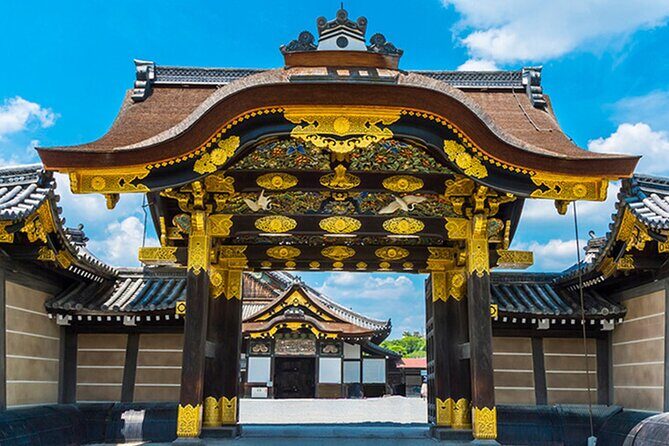
This tour is built for people who want something more than a checklist. With a group size limited to 10, you don’t have to fight for visibility or hope the guide catches your question. The pace is also short enough—90 minutes total—that you can focus without that end-of-day mental fog that hits when you stack too many Kyoto sights.
The other value-maker is admission. You’re paying $40 for a package that includes entry plus a 1.5-hour guided experience, so you’re not doing the awkward add-on math once you arrive. In a city where line time and ticket confusion can steal your energy, having it bundled helps.
You can also read our reviews of more guided tours in Tokyo



Meeting outside Nijōjō-mae Station: how to start smoothly
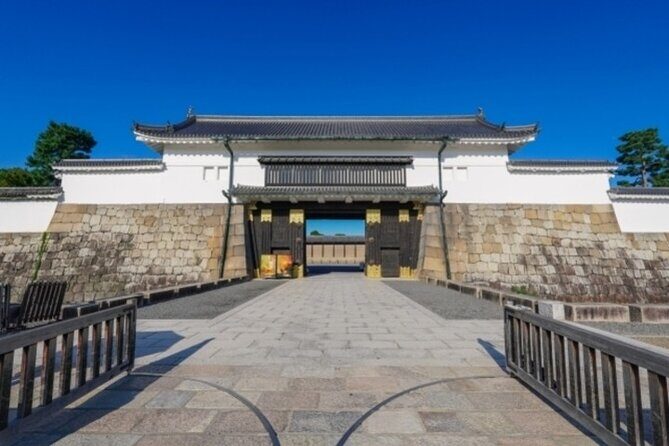
You meet outside Entrance (Exit) 1 of Nijōjō-mae Station. There’s a guide holding a sign that says Local Guide Stars. Arriving 5–10 minutes early makes the start easy, especially if you’re navigating Kyoto stations for the first time.
From there, the tour quickly sets the tone: you’re walking into a place where the architecture was designed to control how people feel. It’s not just pretty scenery. You’ll be guided to understand how the Tokugawa shoguns wanted authority to be obvious—even when they weren’t using open force.
One small but important practical note: the tour goes through a palace area where you must remove your shoes when entering. If you wear footwear that’s easy to slip on and off, you’ll be happier. If you hate the whole sock-moment, just plan for it now and move on.
The gardens and moats: photos are nice, but the story is better
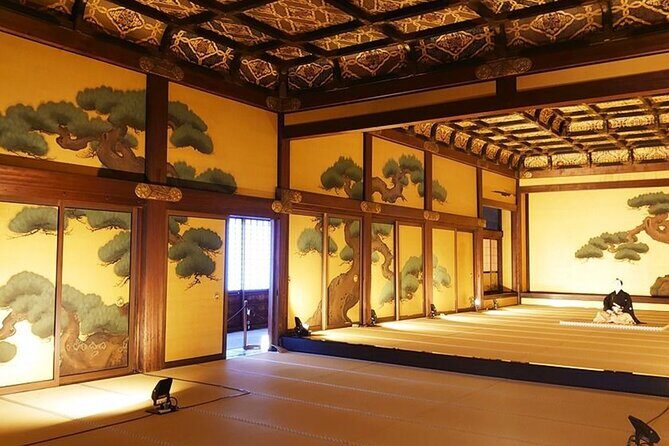
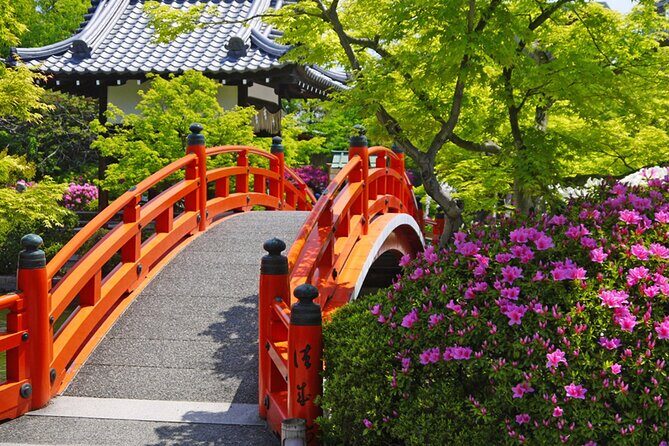
The experience includes those Kyoto postcard moments—especially the colorful koi carp swimming through the castle’s moats. It’s one of those scenes that feels calm, even though the site itself is loaded with political tension.
What makes those views worth your time is what the guide connects them to: this wasn’t a fortress aimed at battles. The Nijo Castle design is about power without war. You’ll learn why the Tokugawa shoguns built a lavish palace steps from Kyoto’s Emperor-centered world. It’s a statement. Not subtle.
As you walk, pay attention to how the spaces guide movement and attention. Even at a leisurely pace, you’ll notice the deliberate feeling of being directed—like the castle is steering your experience.
Walking the palace with shogun vs emperor rivalry in mind
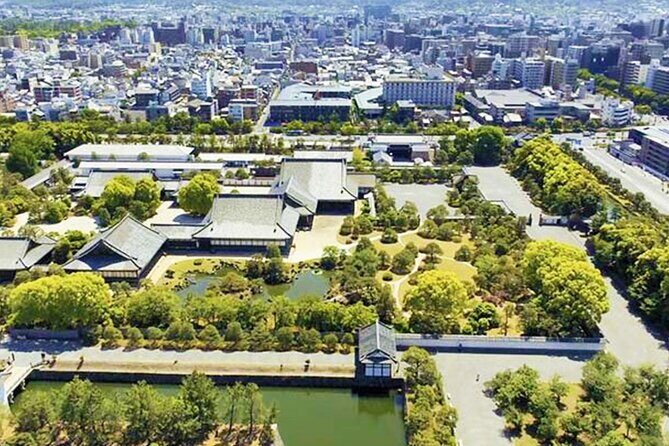
The tour doesn’t treat history like a lecture you survive. It frames Nijo Castle as a lived political argument: Tokugawa shoguns ruling from Edo (modern Tokyo) versus the Emperor’s authority centered in Kyoto.
A key idea you’ll hear: the Tokugawa leaders needed to assert their authority near the seat of imperial power, without turning the whole situation into open conflict. So instead of shouting, they built silence into the design. Walkways, gates, corridors, and room layout all play a role.
This is where the guided part matters most. If you’re touring Nijo Castle on your own, it’s easy to admire craftsmanship and miss the point of the layout. With a guide, you’ll get the “why” behind what you’re seeing, including how the spaces were engineered to create restraint and control.
Ninomaru Palace: social hierarchy you can feel in room design
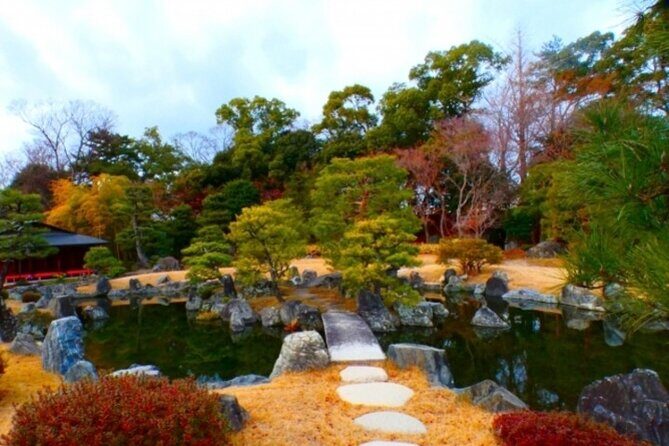
One of the tour’s centerpieces is the Ninomaru Palace. This is where the experience shifts from scenic walking to deeper interpretation.
You’ll learn to spot how strict social ranking showed up physically:
- Room scale and the way you move through space
- Floor height differences
- Decoration choices that reflect rank and expected behavior
It’s a little unsettling in a productive way. The point isn’t to scare you. It’s to show how the Tokugawa system tried to make hierarchy feel normal—almost natural—through architecture.
Also, corridors and gates are designed to affect psychology. You’re not just “passing through.” You’re being shaped into a certain kind of visitor: quieter, slower, more aware of power dynamics. The guide helps you notice layered routes, gate sequences, and how the layout can overwhelm you if you’re not paying attention.
You can also read our reviews of more historical tours in Tokyo


The nightingale floors: sound as a security system
If you’ve heard about Nijo Castle’s nightingale floors, this is the moment to connect rumor to experience. The famous chirping floors are tied to a security concept: the palace used clever acoustic cues to detect intruders.
Walking with the guide adds clarity. You’ll hear about what those floors were built to do and why it matters in a palace designed for intimidation and silent control. It’s not just trivia. It’s architecture doing its job.
And yes, it’s memorable in a very physical way. You feel the floor under your feet, and suddenly the castle makes more sense as a machine for protection—while still looking refined enough for display.
The 1867 ending of the Shogunate in the exact room
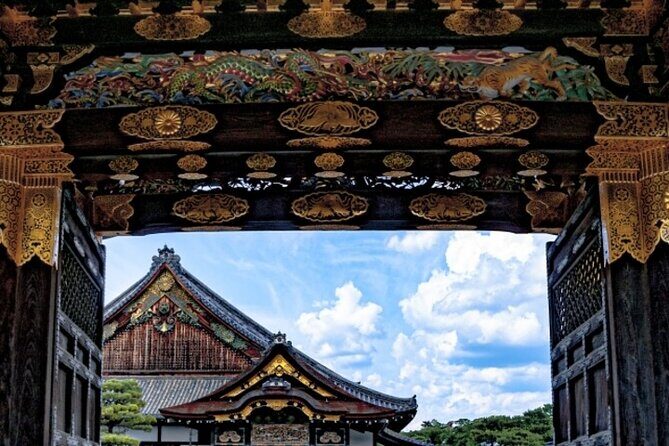
The emotional payoff of this tour is the explanation of a turning point: in 1867, Tokugawa Yoshinobu returned authority to the Emperor. Your guide will point you to the room where this shift is tied to the end of over 260 years of shogunate rule.
It helps to understand this isn’t just a date. You’re standing in a place where the end of one political order and the start of another gets framed through what the Tokugawa built—and what it ultimately couldn’t hold forever.
The guide’s narration gives this part weight without making it heavy. You’ll leave with a much cleaner timeline of how the Meiji Restoration connects to what you saw inside Nijo Castle.
How the guides add real value: Nao, Uta, Benjamin, Alexander
The quality of this tour tends to hinge on the storytelling, and the recent guide names that show up—Nao, Uta, Benjamin, and Alexander—all map to what you want from a guide: clear English, confident answers, and details that turn rooms into meaning.
In particular, you’ll get more than facts. The strongest tours (and the ones people rave about in their own words) feature a guide who:
- Answers questions without rushing you
- Adjusts pacing to match the group
- Points out “why this, not that” details you’d miss alone
Even when the group ends up very small (one guest has happened, turning it into a near-private experience), the tour still works. That’s a sign the guide approach is solid, not dependent on crowd noise.
If you want extra help for the rest of your Kyoto days, you might also come away with practical sightseeing tips—because some guides go beyond the castle and think in terms of your whole trip.
Price check: is $40 worth it for 90 minutes with admission?
For $40, you’re buying three things: admission, a guided walk lasting about 90 minutes, and a small-group format capped at 10. If you’ve ever done self-guided UNESCO sites in Japan, you already know the issue: you can see the objects, but you may miss what they were trying to accomplish.
This is why the price feels reasonable. You’re not paying for someone to hold your hand through a map. You’re paying for interpretation of:
- How the castle’s design supports authority
- How social hierarchy shows up in rooms and movement
- How security ideas show up in the nightingale floors
- How the 1867 shift of power is anchored in space
At this price point, the biggest value is not “being shown around.” It’s leaving with a story you can actually explain to friends back home.
Who should book this tour (and who should skip it)
This tour fits best if:
- You’re in Kyoto for a limited time and want a focused hit of Nijo Castle
- You like history when it’s tied to what you’re physically standing in front of
- You want a guide to clarify Tokugawa-era politics and why the palace was built where it was
- You appreciate small groups for easier Q&A
You might skip it if you prefer totally independent pacing, or if you dislike formal rules like shoe removal inside the palace area. The guide-led structure is part of the value here, so it works best when you’re happy to follow along.
Quick practical tips before you go
A few things will make the experience smoother:
- Wear shoes that are easy to take off and put back on
- Expect that the palace interior is more “controlled space” than open sightseeing
- Bring an open mind for political context like Emperor vs shogun rivalry
- Have your camera ready for the koi moat moments, but keep listening—some of the most important ideas are not the photo spots
Should you book Nijo Castle with this guided admission tour?
Yes—if you want Nijo Castle to make sense quickly. The tour gives you the big story (shogun vs emperor, Tokugawa authority, the 1867 handoff) and connects it to tangible details like the layout of the Ninomaru Palace and the chirping nightingale floors.
If you’re the kind of traveler who can enjoy a site mostly through visuals, you could do it on your own. But if you want the meaning behind the architecture—and you like small-group interaction—this $40 package is a strong way to get both access and interpretation without wasting time.
FAQ
Where do I meet the guide?
Meet outside Entrance (Exit) 1 of Nijōjō-mae Station. The guide will be holding a sign that says Local Guide Stars.
How long is the tour?
The duration is about 90 minutes total, including the guided visit to Nijo Castle.
Is admission included?
Yes. Admission to Nijo Castle is included in the tour price.
Is the tour guided in English?
Yes. It’s a live tour guide in English.
Do I need to remove my shoes?
Yes. When entering the palace area, all visitors must remove their shoes.
Is the tour wheelchair accessible?
Yes. The tour is wheelchair accessible, and the terrain is mostly flat.