REVIEW · TOKYO
Tokyo: Mount Fuji & Hakone Private Tour with Guide
Book on GetYourGuide →Operated by TheTokyoTravel · Bookable on GetYourGuide
Fuji and Hakone in one calm, private day. This private 10-hour tour strings together the big-name sights you actually came for, starting with classic Subaru 5th Station photo time and ending with the water-and-mountains mood of Lake Ashi. I really like how the schedule protects your best chance for Fuji views early, and I like that the day can be adjusted on the fly based on timing and conditions. The main drawback to plan around is simple: it’s a long day, and weather can affect how much of Mount Fuji you’ll see.
On the logistics side, you’re not stuck wrestling trains or transfers. You’re picked up from your hotel, driven in an air-conditioned vehicle, and kept moving with WiFi and bottled water along the way. And if you get a driver like Imran, Moon, Khan, or Zeshan, the vibe tends to be helpful, calm, and photo-friendly, with lots of explanations as you go.
One more thing to know: not everything is included in the price. Lunch and key rides/tickets (like the Fuji 5th Station entry fee and the ropeway/boat tickets) are extra, so you’ll want a little cash ready.
In This Review
- Key highlights you’ll care about
- A private Fuji-and-Hakone day that avoids the stress
- Subaru 5th Station: your best shot at seeing Mount Fuji clearly
- Shrines and Oshino Hakkai: the Fuji tradition side of the tour
- Hakone Ropeway and Owakudani: volcanic drama, plus line strategy
- Lake Ashi cruise: the moment the day clicks
- Chureito Pagoda at Arakurayama Sengen Park: spend the time here
- Price and logistics: what $761 buys you (and what costs extra)
- Who this tour fits best
- Should you book this Mount Fuji & Hakone private tour?
- FAQ
- How long is the tour?
- Is hotel pickup and drop-off included?
- What’s the price for this private tour?
- Is lunch included?
- Are Fuji 5th Station entry fees included?
- Are ropeway and pirate ship tickets included?
- Who provides the service during the tour?
- What should I bring?
- Can I cancel for a full refund?
- Is the tour suitable for everyone?
Key highlights you’ll care about
- Subaru 5th Station timing: Go high early for the best shot at clear views over the Fuji Five Lakes area
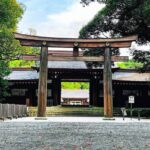
- Kitaguchi-hongu Fuji Sengen Shrine: Red torii gates, cedar paths, and stone lantern atmosphere
- Oshino Hakkai stop: Eight ponds fed by melting snow, plus tea and snack time
- Hakone Ropeway and Owakudani: Volcanic views, with real-world line planning needed
- Lake Ashi cruise: The payoff views come from the water, with mountain scenery around you
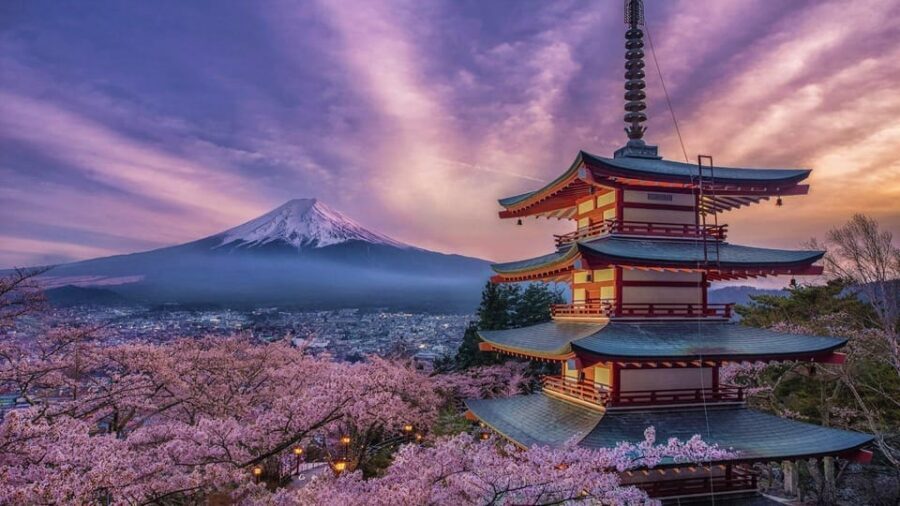
- Chureito Pagoda photo session: A full 2 hours at one of Japan’s most repeat-photographed Fuji backdrops
A private Fuji-and-Hakone day that avoids the stress
The best reason to book this kind of trip is also the most practical: it reduces friction. You get hotel pickup and drop-off in Tokyo, and you move between sites by car, not by hopping trains with time wasted on navigation. That matters most on a day like this, where you’re stacking multiple regions—Mount Fuji area plus Hakone—into one outing.
I also like the “long day, but not rushed” rhythm. Even though the route is packed, the structure gives you time to actually stand where the views happen, take photos, and walk a bit. When the group stays private, your pace is easier to manage—especially if you’re traveling with kids or anyone who needs breaks.
Customization is another big deal. The itinerary is flexible, so if a viewpoint is crowded, closed, or simply not showing Fuji well, you can often re-balance the day. In past trips, drivers like Moon and Zeshan have been able to adjust around traffic timing and keep the day flowing. If you’re the type who likes a “plan, but not a cage,” you’ll probably appreciate that.
You can also read our reviews of more guided tours in Tokyo
Subaru 5th Station: your best shot at seeing Mount Fuji clearly
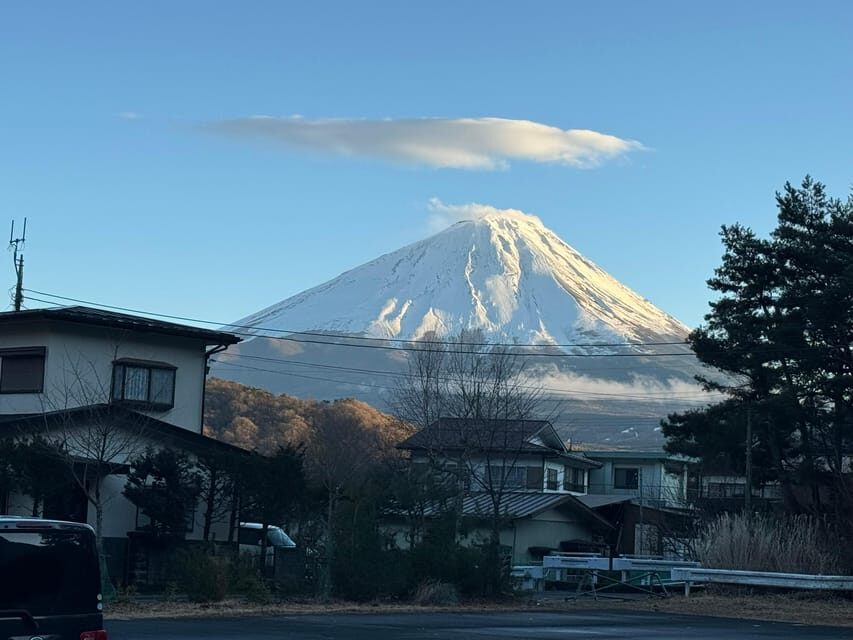
Subaru 5th Station is the first “wow” moment for a reason. You’ll head up by road and spend about an hour at the viewpoint area, with time for photos and short walks. It sits around 2,300 meters above sea level, which is high enough that clouds can act like a curtain—and when the sky clears, the view feels unreal.
From here, you’re positioned to look across the Fuji Five Lakes region. The itinerary also includes a stop at Tenjosan Komitake Shrine. That’s not just a checkbox. Shrines here are part of the Fuji tradition: a place for quiet respect, and also a solid way to frame the view of Lake Yamanaka and Fujiyoshida city.
What to consider:
- Fuji visibility can change fast. Even with great timing, clouds and rain happen.
- This stop includes walking, so comfortable shoes matter more than you think.
A small but useful mindset: treat Subaru 5th Station as your “best chance,” not as a guarantee. When skies cooperate, it’s the strongest part of the day. When they don’t, you’ll still see crater-area atmosphere and have time for photos around the shrine and viewpoint areas.
Shrines and Oshino Hakkai: the Fuji tradition side of the tour
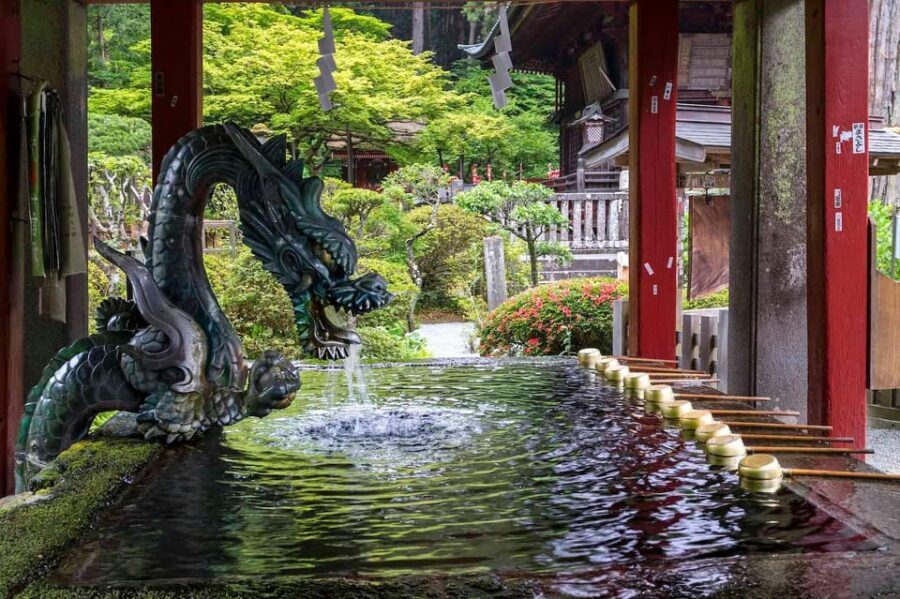
After the mountain viewpoint, the day pivots into culture and water. You’ll visit Kitaguchi-hongu Fuji Sengen Shrine, known for its iconic red torii gates. This is one of those places that feels different from the roadside photo spots—quiet, shaded, and built around ritual paths.
The itinerary includes walking time through cedar trees said to be over 1,000 years old, lined with stone lanterns. It’s a nice change of pace after altitude. Instead of looking outward at Fuji, you look inward at how people have lived with the mountain as a spiritual presence for generations.
Then comes Oshino Hakkai, where the story becomes water-science-meets-tradition. You’ll explore the village and spend about an hour around the eight ponds formed from melting snow of Mount Fuji. You can also take advantage of the built-in snack rhythm here: tea, lunch time planning, and street food options.
If you’re food-minded, there’s a good chance you’ll end up trying local noodles for lunch during the restaurant stop. Past guests have praised hoto noodles specifically, which fits the region’s warm-weather comfort style.
What to watch out for:
- Oshino Hakkai is popular, so plan on a bit of foot traffic.
- This is also where you’ll want to slow down and enjoy the sensory details: steam from tea, stone paths, and that Fuji water vibe that’s very different from Tokyo.
Hakone Ropeway and Owakudani: volcanic drama, plus line strategy
Hakone is where the scenery shifts again. After lunch, you head to the Hakone Ropeway area. This is your portal into volcanic landscapes—think sulfur atmosphere, dramatic ridgelines, and wide-angle views that change as the clouds move.
You’ll have around an hour here, including a gondola/ropeway ride and photo stops. The itinerary specifically points toward panoramic views from the Owakudani Valley area by ropeway/cable car.
Here’s the practical part: ropeways and viewpoints can get busy. Even on a well-run private day, long queues can eat time—especially both ways. That’s why timing matters. One helpful tip from experience: if a boat cruise is tied to specific times, don’t assume you can stroll casually through ropeway lines. Build buffer in your head.
Also keep expectations realistic:
- Volcanic areas can smell strong in open spots. It’s part of the deal.
- Visibility can vary. When it clears, the views feel cinematic. When it’s misty, you’ll still get the volcanic character, just with fewer distant details.
Lake Ashi cruise: the moment the day clicks
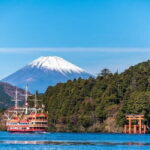
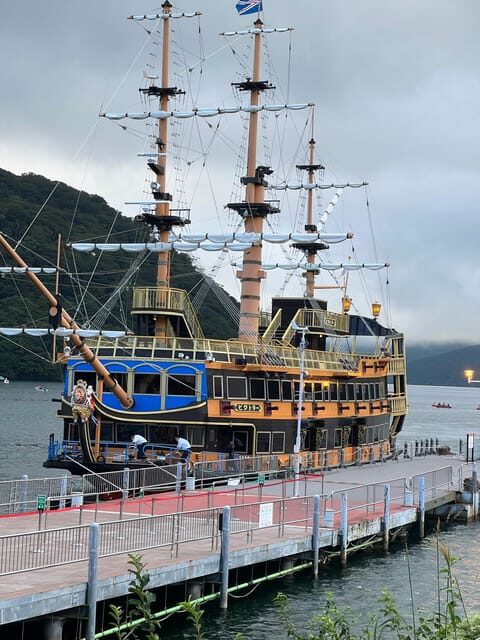
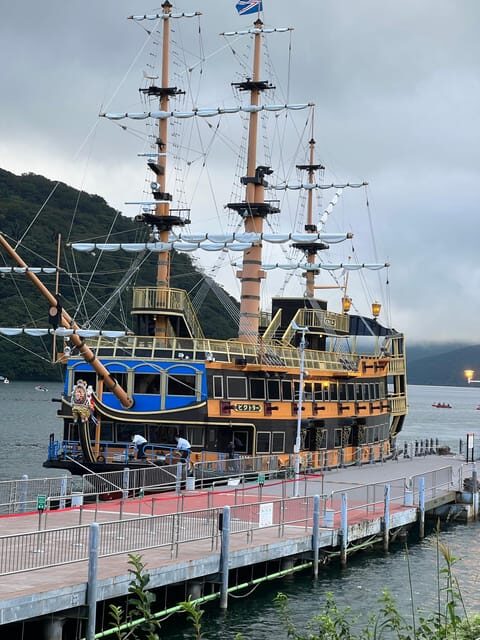
Lake Ashi is one of Hakone’s strongest “take a breath” experiences, and it’s exactly why the day feels worth it. You’ll head there for around an hour, including a boat cruise on the lake.
From the water, Hakone looks different. Instead of only looking up at hills and ridge lines, you get mountain layers behind the lake surface. You also get a chance to frame Mount Fuji in certain conditions, plus a view of the Hakone ropeway area and the volcanic backdrop.
One detail that really matters: the pirate ship ride timing. The itinerary mentions a boat cruise, and in practice, guests often recommend not underestimating ropeway lines so you can catch the last workable cruise window. If you’re trying to squeeze in the cruise that day, don’t treat the ropeway as optional. It’s the hinge.
If you like photography, Lake Ashi gives you the best lighting variety of the day—water reflections, changing clouds, and mountain textures. And if you’re traveling with kids, it’s also the least tiring stop, because the cruise is seated and scenic.
You can also read our reviews of more private tours in Tokyo

Chureito Pagoda at Arakurayama Sengen Park: spend the time here
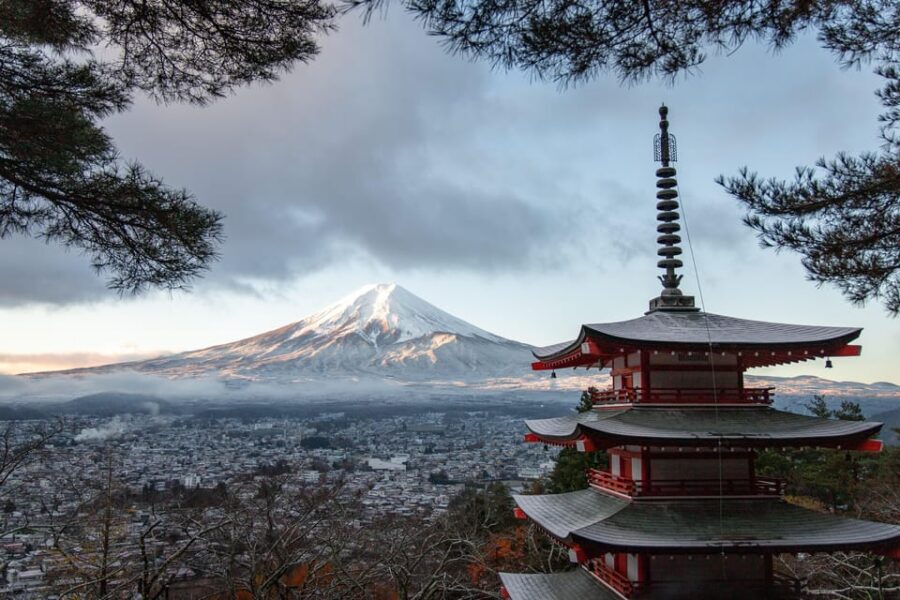
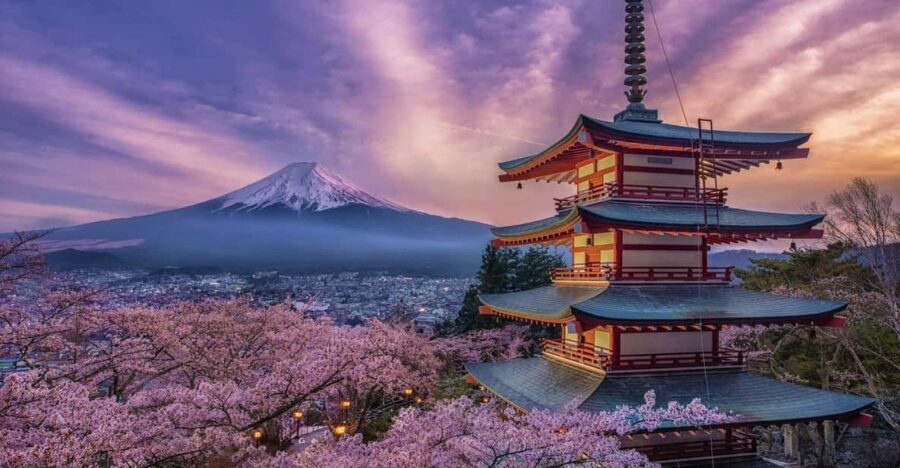
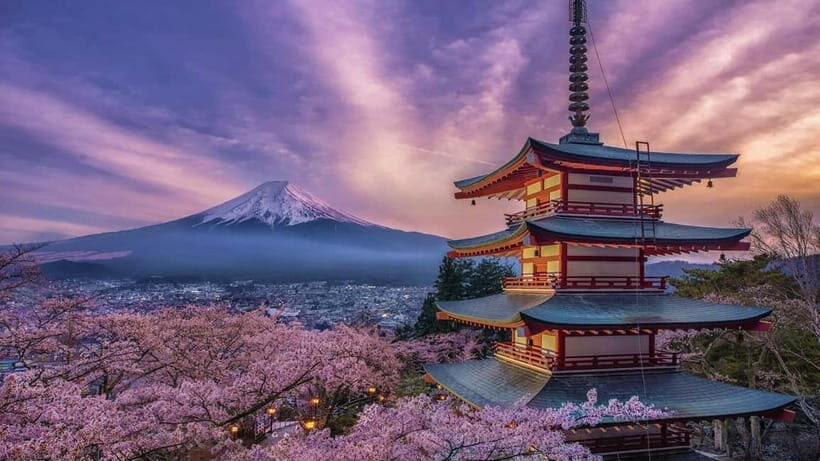
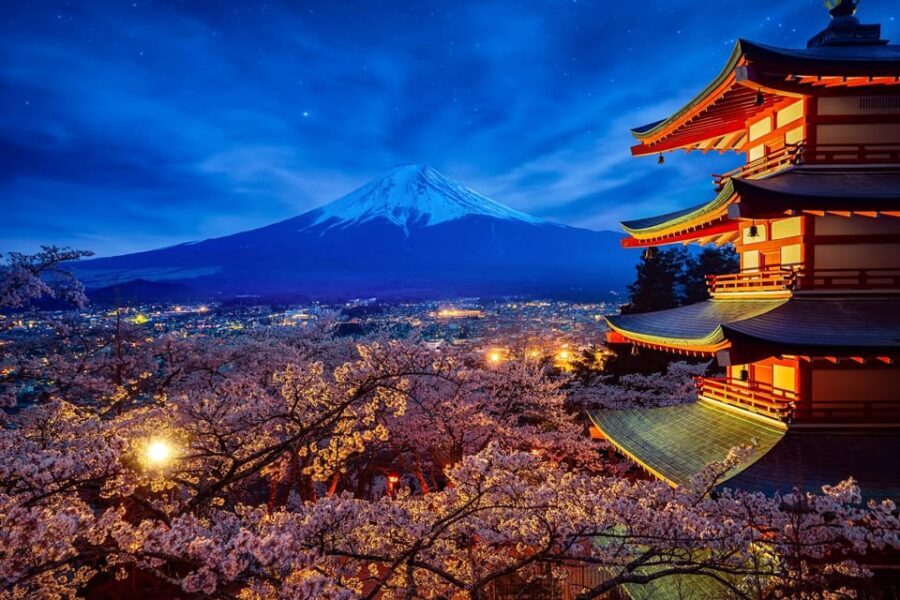
You’ll finish with the Chureito Pagoda, where the classic Fuji composition happens. The schedule gives you about two hours, which is exactly what this stop needs. It’s one of Japan’s most photographed Fuji spots, which means it can be busy and the best view angles can change depending on the crowd flow.
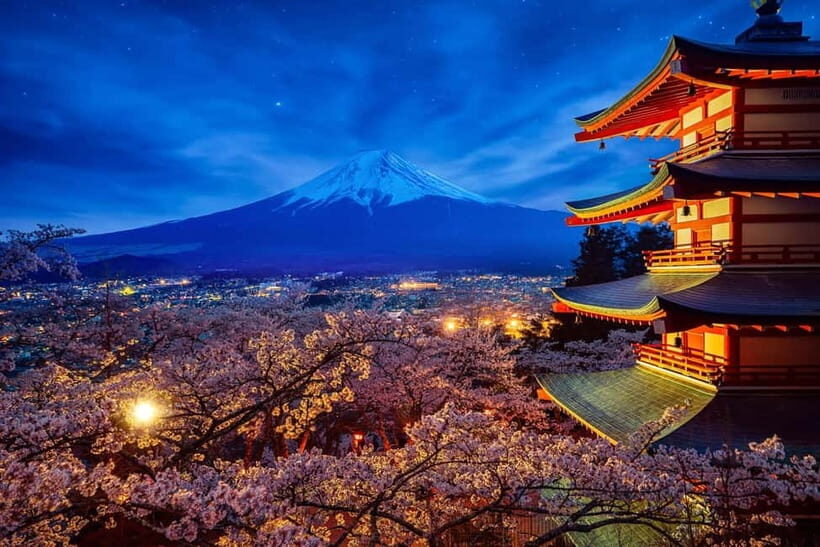
The pagoda sits in Arakurayama Sengen Park, and it’s a five-story structure that becomes extra dramatic during cherry blossom season and autumn foliage. Even outside peak seasons, the stone-and-pagoda path leading to the viewpoint makes the place feel like a walk-through photo set.
Because it’s a viewpoint, weather still matters. If Fuji is visible, it’s a standout. If it’s not, you’ll still get the pagoda scene and the park’s atmosphere, but you may not get the iconic Fuji alignment people chase.
Practical tip: arrive with your photos plan in mind. With two hours, you can do a first round of quick shots and then linger for better angles once the crowd pattern shifts.
Price and logistics: what $761 buys you (and what costs extra)
At $761 per group up to 5, you’re paying for a full-day private route with included transport and a lot of friction removal. That price can feel high if you’re thinking taxi-only. But it looks different when you break down what’s included: hotel pickup and drop-off, an air-conditioned vehicle, WiFi on board, bottled water, and coverage for fuel, parking fees, and highway tolls. Passenger insurance is included too.
What’s not included:
- Lunch
- Fuji 5th Station entry fees
- Ropeway gondola and pirate ship ride tickets
So you should budget a little extra in cash for meals and tickets. It’s also smart to carry cash because the tour notes cash is required. If you hate extra spending, this is the part to plan for up front.
Also note the customization angle. When you can adjust timing to avoid traffic or tweak stops, the private nature starts to justify itself. In real-world use, drivers like Imran and Khan have been praised for keeping schedules moving without feeling rushed—and for pivoting when the sky doesn’t cooperate.
One more logistics detail that matters: pickup time includes waiting in the hotel lobby about 5 minutes before pickup. The driver should contact you the day before and again shortly before arrival.
Who this tour fits best
This is a strong choice if you want:
- A single-day plan that covers Mount Fuji + Hakone without train transfers
- Photo stops built around the most famous Fuji viewpoints
- A private group where you can set a comfortable pace
It can be especially good for families, since the day is structured but still flexible. Past trips have included accommodations for children, and guides/drivers were described as patient and helpful.
Not suitable for people over 95 years, so if you’re traveling with anyone older, double-check before booking.
Should you book this Mount Fuji & Hakone private tour?
If your goal is maximum highlights with minimum hassle, I’d say yes. The combination of Subaru 5th Station + Hakone’s lake and ropeway views + Chureito Pagoda photo time is a well-built “best-of” day, especially because it’s private and customizable.
I’d book with a weather mindset. Fuji views depend on conditions, and rainy or cloudy days can reduce what you see. Still, the tour doesn’t collapse—shrines, Oshino Hakkai, and the Hakone experience itself remain worthwhile even when the mountain isn’t fully on display.
My best “decision help” tip: if you care most about Fuji visibility, prioritize early starts and be ready for some walking and changing sky conditions. If you care most about scenery and atmosphere, this route will still deliver, and the Lake Ashi cruise is often the part people end up loving most.
FAQ
How long is the tour?
The tour duration is 10 hours, including hotel pickup and drop-off.
Is hotel pickup and drop-off included?
Yes, hotel pickup and drop-off are included (for pickups within Tokyo’s 23 wards).
What’s the price for this private tour?
The price is $761 per group, up to 5 people.
Is lunch included?
No, lunch is not included.
Are Fuji 5th Station entry fees included?
No, Fuji 5th Station entry fees are not included.
Are ropeway and pirate ship tickets included?
No, gondola ride and pirate ship ride tickets are not included.
Who provides the service during the tour?
A driver is included, and the driver communicates in English and Japanese.
What should I bring?
You should bring comfortable shoes, comfortable clothes, and cash.
Can I cancel for a full refund?
Yes. You can cancel up to 24 hours in advance for a full refund.
Is the tour suitable for everyone?
It is not suitable for people over 95 years.