REVIEW · TOKYO
Tokyo 4hr Private Tour with Government-Licensed Guide
Book on Viator →Operated by Japan Guide Agency · Bookable on Viator
Tokyo can feel like a moving maze.
This private 4-hour tour uses a government-licensed guide to help you hit major Tokyo sights fast, without the map panic. You also get customization: choose 2–3 stops from a long menu, so you only walk toward what you actually want to see. In practice, it’s a great way to mix iconic sights with calmer breaks, depending on your mood and energy.
I especially like the practical payoff: you’re not just looking at landmarks, you’re learning how to move around Tokyo’s train system with a guide. Several guides have been praised for helping guests navigate the metro, manage passes like Suica, and even avoid stairs when needed, like Julie did for older travelers. And when you land at places like Shibuya Crossing or Senso-ji, you get the story and the flow, not just photos.
One consideration: it’s a walking tour, and while some entrances are free, others are not included (plus any food stops or non-listed admissions are on you). Also, while the guides are consistently well-rated, there’s at least one report of difficulty understanding the guide’s English—so if language clarity is a deal-breaker, plan to ask questions early and communicate what you need.
In This Review
- Key points before you go
- What $109.43 really buys you in Tokyo
- How the 2–3 site customization changes the whole day
- Asakusa and Senso-ji: old Tokyo that feels real
- Shibuya Crossing and Hachiko: the postcard view with context
- Imperial Palace grounds: what you can see (and what you can’t)
- Gardens and parks: the built-in recovery plan for 4 hours
- Shinjuku Gyoen National Garden
- Koishikawa Korakuen Garden
- Hama Rikyu Gardens
- Rikugien Garden and Yoyogi Park
- Meiji Jingu: a shrine stop that feels like a pause button
- Tsukiji, sushi energy, and where food fits into 4 hours
- Akihabara and Tokyo’s tech-and-nerd side
- Harajuku and Takeshita Street: fashion, youth culture, and fun photos
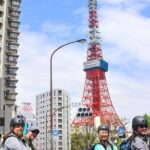
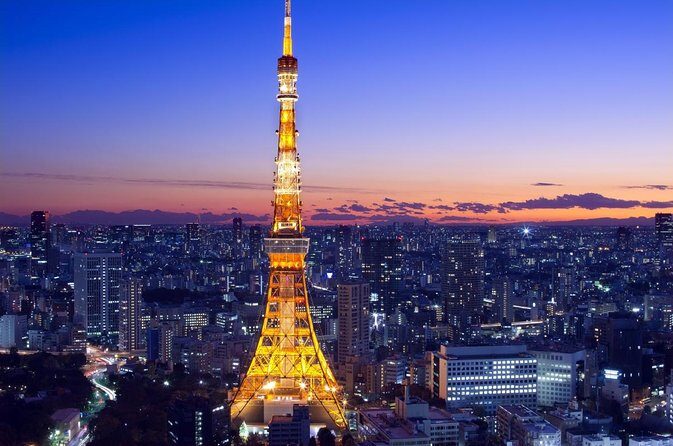
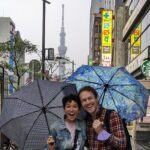
- Tokyo Tower: main deck only, but still worth it
- “Old neighborhoods” options: Golden Gai, Nezu, Shibamata, and Gotokuji
- Subway navigation tips your guide can turn into real time savings
- Pace, walking, and when to build your route for comfort
- Who should book this private Tokyo 4-hour tour
- Should you book it?
- FAQ
- How long is the tour?
- Is this a private tour?
- How many sites do we visit?
- Does the tour include entry inside the Imperial Palace?
- Is pickup included?
- Are entrance fees included?
- Can the guide help with public transportation?
Key points before you go
Private by default: only your group joins, so you can set the pace and questions.
Pick 2–3 sights: your guide builds a tight route around your choices.
Transit help is the real value: you’re coached through Tokyo’s public transport, not left to guess.
A smart mix of old and new: temples, gardens, pop culture, and viewpoints show up side by side.
Not everything is fully included: some gardens/museums/tower access cost extra.
Walking intensity varies by your picks: choose calmer parks if you want fewer steps.
What $109.43 really buys you in Tokyo
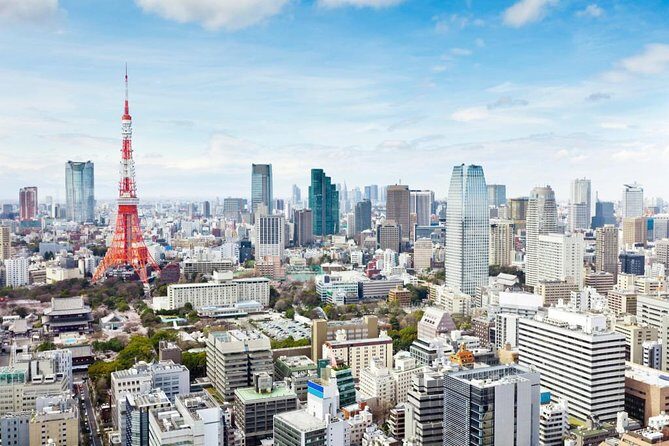
At about $109.43 per person for a 4-hour private tour, the value isn’t just that you get a guide. It’s that you’re paying for time compression plus decision support.
Tokyo is amazing, but it’s also big, busy, and easy to waste hours routing yourself between areas. A licensed English guide turns that into an efficient half day. And because you can customize your route, you’re less likely to burn energy on sights that don’t match your interests.
You should also know what’s not included. The tour does not cover transportation fees, entrance fees (many sights are free, some are not), lunch, or personal expenses. There’s no private vehicle. This is the “use the city like the city” style of touring: you get the guidance, then you actually experience the neighborhoods.
You can also read our reviews of more guided tours in Tokyo
How the 2–3 site customization changes the whole day
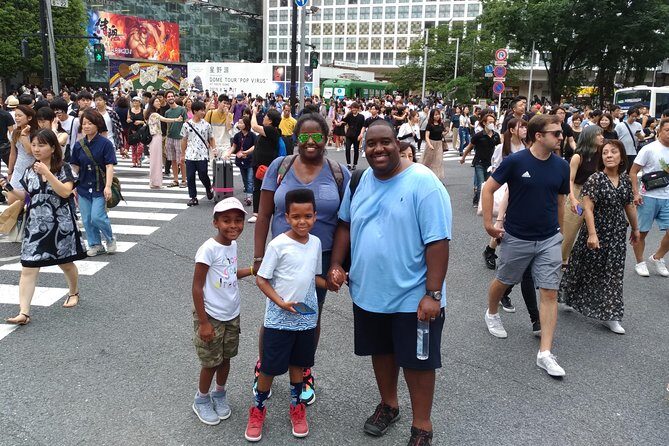
This tour is designed around choice. Instead of ticking every landmark, you choose 2–3 sites from the list of options. That’s the key detail that makes this work in 4 hours.
Your guide can shape the order based on what’s important to you:
- If you want classic Tokyo photos, you can stack Shibuya Crossing, Senso-ji, and a viewpoint like Tokyo Tower (main deck only).
- If you want quiet, you can prioritize Meiji Jingu Shrine plus one or two gardens like Shinjuku Gyoen or Hama Rikyu.
- If you want food and energy, you can pair Tsukiji (outer market area vibe) with Akihabara or Harajuku.
This is where you’ll feel the difference between a generic bus tour and a private guide. You’re not just walking between points. You’re choosing a theme for the day—old Tokyo, modern Tokyo, food Tokyo, or “calm Tokyo with a side of famous intersections.”
Asakusa and Senso-ji: old Tokyo that feels real
Asakusa is Tokyo’s shitamachi, the old-city side where the “past decades” mood hangs around. The centerpiece here is Senso-ji, one of Tokyo’s most colorful and popular temples.
If you pick Asakusa, you’ll get the kind of sightseeing that doesn’t feel sterile. It’s not just a stop on a list. It’s a neighborhood atmosphere: temple grounds, the feeling of traditional Tokyo rhythm, and a place where locals and visitors mix.
Practical note: Senso-ji is listed with free admission, so your cost stays simpler. In a tight 4-hour plan, that matters.
Potential drawback: Asakusa can be crowded depending on timing. Your guide’s value is that you’re not spending your energy trying to figure out what to do next.
Shibuya Crossing and Hachiko: the postcard view with context
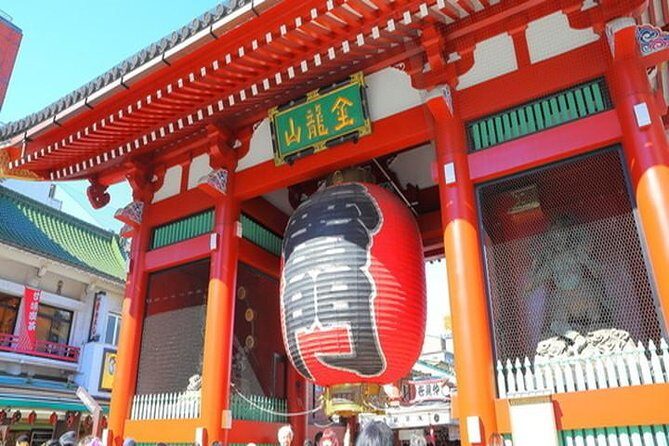
Shibuya Crossing is called Shibuya scramble for a reason. It’s one of the busiest crossings in the world, and it’s also where you’ll see the beloved Hachiko statue.
This is the Tokyo “wow” stop—the one you point at and say, yes, this is the city people talk about.
What I like about pairing Shibuya with the right second stop is contrast:
- Shibuya + Imperial Palace East Garden style sightseeing gives you a modern-meets-tranquil arc.
- Shibuya + Meiji Jingu gives you a city break right after the energy spike.
- Shibuya + Harajuku/ Takeshita Street (if you want youth fashion and street scenes) keeps it modern and colorful.
One caution: this is a photo-and-people stop. If you hate crowds, choose shorter time here and spend more energy in gardens right after.
Imperial Palace grounds: what you can see (and what you can’t)
The Imperial Palace area has the look of a classic Tokyo fortress: park-like spaces, moats, and massive stone walls. It sits on the former site of Edo Castle, which is why the area feels layered with history.
But here’s the important part: this tour does not include access to the inside of the Imperial Palace. Think exterior views and the kinds of public-access gardens/grounds your route allows, not a full palace tour.
This stop can still be excellent in a half day because it offers relief from the urban churn. It also gives you a clear historical frame for Tokyo that doesn’t require museum time.
You can also read our reviews of more private tours in Tokyo



Gardens and parks: the built-in recovery plan for 4 hours
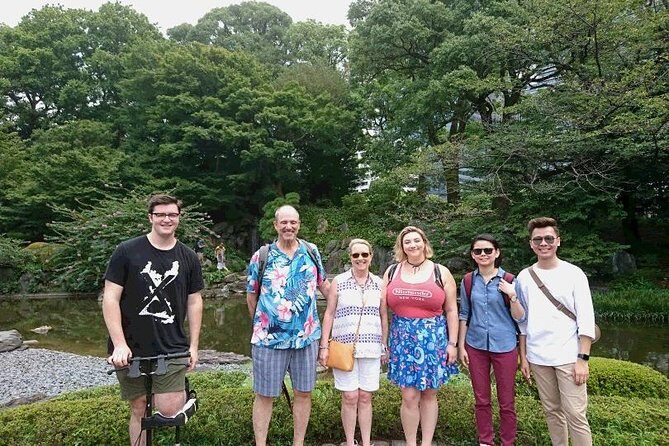
If you’re going to walk across multiple neighborhoods, gardens are your mental reset. This tour has several “choose one calm stop” options, and they’re spread across Tokyo so your route doesn’t feel random.
Here are the standout garden/park choices from the list:
Shinjuku Gyoen National Garden
Shinjuku Gyoen is one of Tokyo’s largest and most popular parks. It’s known for spacious lawns, meandering walking paths, and tranquil scenery. If your legs are tired, this can be the stop where you slow down.
Note: admission is listed as not included, so plan a small extra cost if it’s your pick.
Koishikawa Korakuen Garden
This is one of Tokyo’s oldest Japanese gardens, built in the early Edo period. If you like history that you can walk through—paths, water, and structured landscaping—this fits.
Admission is listed as not included, so check what that means for your specific date and plan.
Hama Rikyu Gardens
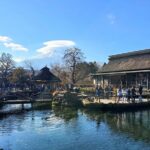
Hama Rikyu sits by Tokyo Bay and is known for seawater ponds that change level with the tides, plus a teahouse setting. It’s a great option if you want a “Tokyo feels coastal” moment.
Admission is listed as not included.
Rikugien Garden and Yoyogi Park
Rikugien is often compared as one of Tokyo’s most beautiful landscape gardens, built for a Tokugawa shogun. Yoyogi Park is more about green space—lawns, ponds, and forested areas—ideal for jogging or just breathing.
Both are listed as not included for Rikugien and free for Yoyogi Park (based on the data provided). If you want low-cost calm, Yoyogi is a smart pick.
Meiji Jingu: a shrine stop that feels like a pause button
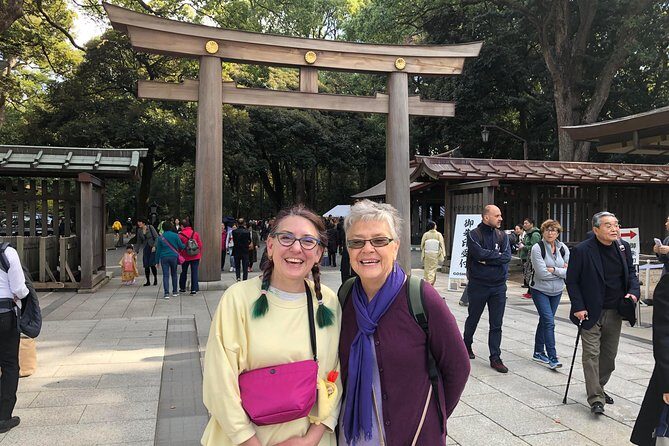
Meiji Shrine is dedicated to Emperor Meiji and his consort, Empress Shoken, and it’s located right beside the busy Harajuku area. That’s part of the charm: you step into a quieter world right after the city noise.
This tour lists free admission, so the shrine gives you strong value for cost.
There’s also a learning angle. In past guided experiences, guests have highlighted that guides explain what to do at the shrine and the basics of Shinto practice, which makes the visit more meaningful and less confusing. If you care about doing things respectfully (and not accidentally wandering wrong), this is a great pick.
Tsukiji, sushi energy, and where food fits into 4 hours
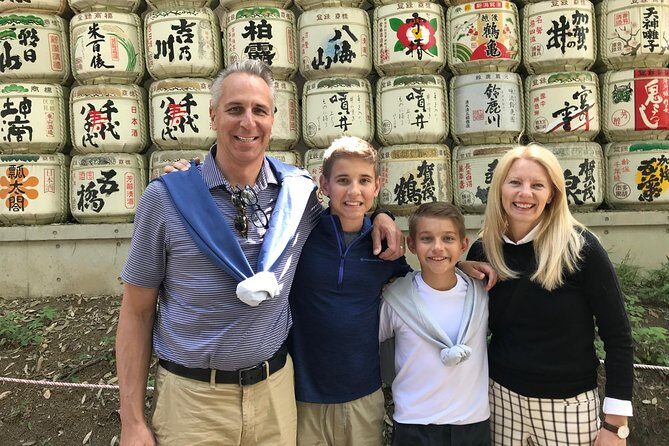
Tsukiji is described as the old fish market of Japan, full of delicious and unique foods. In a half day, it’s one of the best choices if you want Tokyo to taste like Tokyo.
The tour lists free admission for Tsukiji. The actual expense tends to be whatever you decide to eat, but you’re not paying entry just to walk around and take in the food scene.
One practical tip: if you’re food-motivated, consider letting your guide steer you to what’s efficient to buy and eat. Some guides have been praised for recommending food stops and helping guests find good options without derailing the rest of the schedule.
Akihabara and Tokyo’s tech-and-nerd side
Akihabara is famous for electronics shops. If you want the pop-culture, gadget, and niche-store Tokyo, this is one of the easiest choices to justify in 4 hours.
The list shows free admission, which helps. The “value” here is less about paying for a ticket and more about walking into the shops with guidance on what’s worth your time, especially if you don’t know where to start.
Potential drawback: if electronics stores are not your thing, this can feel like browsing rather than sightseeing. Pick it only if you actually want to shop or explore that side of the city.
Harajuku and Takeshita Street: fashion, youth culture, and fun photos
Takeshita Street is a Harajuku magnet tied to Japan’s teen culture and fashion. It’s listed with free admission, so you’re mostly paying with time and energy.
This works best if you want:
- color and street style
- people-watching
- an easy complement to shrine/garden stops
If you prefer quiet, you might skip Takeshita and do Harajuku-adjacent calmer places instead.
Tokyo Tower: main deck only, but still worth it
Tokyo Tower is listed with a key limitation: you only get access up to the main deck. The top deck is not included.
That’s not a deal-breaker; the main deck can still deliver strong views, and in a 4-hour window, keeping it to the included level is often the smarter plan.
If you’re view-focused, you might choose Tokyo Tower as one of your “big skyline” stops, then pair it with a calmer neighborhood afterward.
“Old neighborhoods” options: Golden Gai, Nezu, Shibamata, and Gotokuji
This tour’s list includes several neighborhoods that slow the pace and feel more local than the headline sights.
- Golden Gai: a cluster of small bars said to have started around the 1950s. It’s a fun nighttime-style vibe even if you only see it briefly in daylight.
- Nezu (Yanaka and Nezu area vibe): described as retaining last-century character, helped by avoiding major damage during wars and disasters.
- Shibamata: a neighborhood on Tokyo’s eastern edge with old-school charm near the Edogawa River.
- Gotokuji Temple: linked to the maneki-neko, the luck-inviting cat figurine.
These stops can be great if you want Tokyo beyond the most famous intersections. In a customizable route, they also help balance “big landmark” time with “walk and feel the neighborhood” time.
Subway navigation tips your guide can turn into real time savings
Here’s where the best guides make a difference. Tokyo’s transit system is legendary, but it’s also easy to get spun around.
Guides have been praised for:
- helping guests understand which line to take and how to transfer
- advising on where to reload Suica and how to handle basic money logistics like ATMs
- adjusting routes to avoid long stairs for older travelers
- adapting the pace for families, including a four-year-old in at least one successful plan
- even giving practical guidance for what to do next after the tour, like directions from Tokyo Station
If you want to leave the tour with more independence, this is the part to lean into. Ask your guide to show you how to get from your chosen stop back to where you’ll sleep. The goal is not just to see Tokyo today. It’s to stop feeling helpless in Tokyo tomorrow.
Pace, walking, and when to build your route for comfort
Because this is a walking tour with meet up on foot, pace matters. Some routes are straightforward and flat; others involve more stairs and crossings. Your choices shape the workload.
What helps:
- Pick fewer “far-reaching” stops if you’re visiting during peak crowds.
- Choose at least one calmer space (a garden or park) so your body can reset.
- If you have mobility concerns, communicate that early. Guides have been praised for adjusting to avoid stairs and choosing better routes.
One caution from the experience data: there are a couple of reports where the guide was hard to understand. I’d treat that as a reminder to speak up quickly if you can’t follow. A good guide can adjust language pace and re-explain what you’re seeing.
Who should book this private Tokyo 4-hour tour
This tour is a strong fit if you:
- have a half day and want maximum clarity with minimum research
- feel overwhelmed by Tokyo navigation and want a guide to handle the plan
- want flexibility to choose between icons (Shibuya, Senso-ji) and quieter stops (gardens, Meiji Jingu)
- care about learning context, like shrine basics or how Tokyo history shapes what you see
It’s also a nice honeymoon-style or couple-friendly option because private pacing makes it feel personal. Some guides have been praised for being friendly and punctual, like Koba and Yuri, and for making the experience relaxed rather than rushed.
If you dislike walking, or you’re expecting a tour that includes major paid attractions with everything pre-paid, you might want a different format. This one is built around guiding you through the city you’re already in.
Should you book it?
Yes, if you want a structured half day that still feels tailored. With 2–3 chosen stops, a licensed English guide, and real help navigating trains, the $109.43 per person price often feels fair because it buys back time and reduces stress.
I’d book it when your travel priority is clarity: where to go, what to do once you’re there, and how to get back. It’s also a good pick if you plan to visit multiple neighborhoods in Tokyo and want one guided “starter course” to make the rest of your trip easier.
Skip it if you’re hoping for a highly ticketed, indoor-heavy day, or if you want less walking. Also, if you’re very sensitive to language clarity, treat the first 10 minutes as your check-in point and ask for clarification if you need it.
FAQ
How long is the tour?
The tour is about 4 hours.
Is this a private tour?
Yes. It is private, and only your group participates.
How many sites do we visit?
You customize the day by choosing 2–3 sites from the available options.
Does the tour include entry inside the Imperial Palace?
No. The tour does not include access to the inside of the Imperial Palace.
Is pickup included?
Pickup is offered, but the tour is described as a walking tour with meet up on foot within a designated area of Tokyo.
Are entrance fees included?
Some stops are listed as free, while others are listed as not included. The tour notes that entrance fees are not included in general, so it depends on which sites you choose.
Can the guide help with public transportation?
Yes. The experience is near public transportation, and the guide is there to help you navigate Tokyo’s transit.

![[1 Group Only] Osaka Street Food Tour for Family - What you eat on this tour (and what you’ll likely add)](https://images.thejapantraveler.com/wp-content/uploads/1-group-only-osaka-street-food-tour-for-family.jpg)