REVIEW · TOKYO
Tokyo: Samurai Ninja Museum Guided tour and Experience
Book on GetYourGuide →Operated by GLOBA Inc. · Bookable on GetYourGuide
Samurai and ninjas meet real-world props. I love the English guided tour that makes the history feel clear and personal, with guides like Nami and Ken often bringing big energy. I also love the hands-on combo: shuriken throwing plus dressing up in a real helmet and holding a metal samurai sword.
One thing to consider is group size. Even though GetYourGuide limits bookings to a maximum of 15 people, other booking sites may run with more participants, so the space can feel a bit lively during the interactive parts.
In This Review
- Key takeaways before you go
- What you’re really doing at the Samurai Ninja Museum
- The vibe: history first, then fun
- Guided museum tour: armor, weapons, and the stories behind the image
- Samurai exhibits: more than costume armor
- Ninja exhibits: the mystery, explained
- The people factor: why the guide changes everything
- What I’d watch for if you’re choosing this as a couple or family
- A possible drawback: bigger groups during the hands-on parts
- Shuriken throwing: your accuracy test and a photo-friendly finale
- If there’s a contest, you might keep your star
- Photo tip: prepare your stance before you start
- Samurai dress-up: helmet and metal sword for quick, satisfying fun
- Why this matters even if you’re not a costume person
- Timing and how to fit it into a day in Tokyo
- How to plan around it
- Price and value: does $27 buy enough?
- Who the price is best for
- Who should book this (and who should skip it)
- Should you book the Samurai Ninja Museum tour?
- FAQ
- Is the tour in English?
- How long is the guided tour?
- What’s included in the experience?
- Do I have to book through GetYourGuide to join?
- What’s the group size limit when booking through GetYourGuide?
- Can I reserve and pay later?
- What is the cancellation policy?
Key takeaways before you go
- English-speaking guide: you’ll get a structured explanation, not just labels on a wall
- Hands-on shuriken practice: aiming and timing make it fun, not just a demo
- Real costume elements: a helmet and a metal sword for photos and photo-op confidence
- Armor-and-weapon exhibits: you get to see how samurai equipment actually looks and works
- Ninja history context: not just pop-culture vibes, but roles in Japanese history
- Short, focused timing: many groups report about an hour, so it fits tight Tokyo days
What you’re really doing at the Samurai Ninja Museum
This is not a quiet museum. It’s a guided history experience built around two things people remember: gear and action. You’ll walk through exhibits on samurai and ninjas, then you’ll switch modes and try the iconic skills yourself.
The price point is also refreshingly straightforward. At about $27 per person, you’re paying for more than entry tickets. You’re buying the guide’s explanation in English, plus the activities that turn the topic into a hands-on memory: throwing ninja stars and dressing up like a samurai.
You can also read our reviews of more guided tours in Tokyo



The vibe: history first, then fun
The rhythm here matters. You start with a museum tour that helps you understand what samurai and ninja were known for, why they mattered, and how the myths got exaggerated over time. Then the experience ends with the interactive bits, where you get to aim, pose, and take photos.
If you like your learning with a payoff, this format works. If you want a long, deep academic lecture, you may find it too short. Most people describe it as about an hour, which is exactly why it’s easy to fit into a busy Tokyo itinerary.
Guided museum tour: armor, weapons, and the stories behind the image
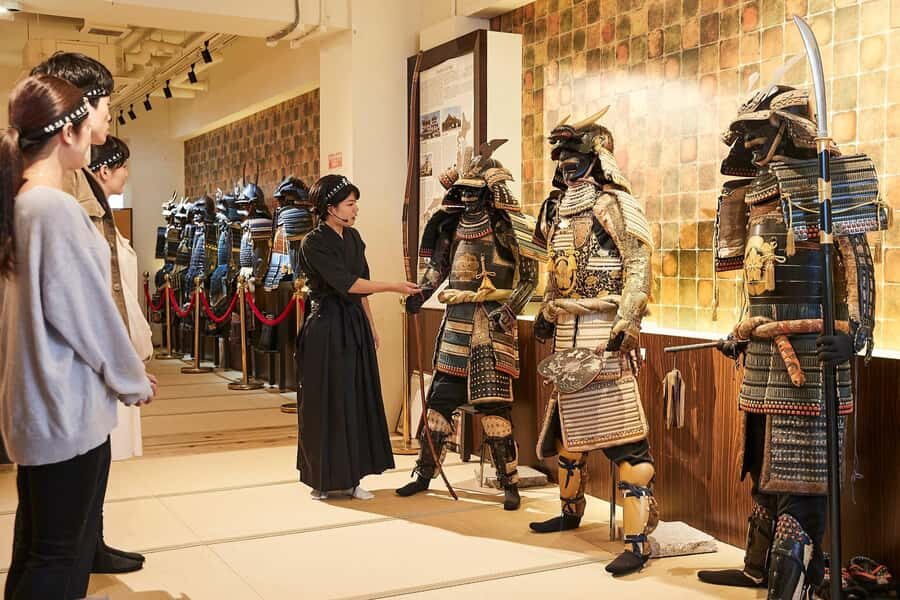
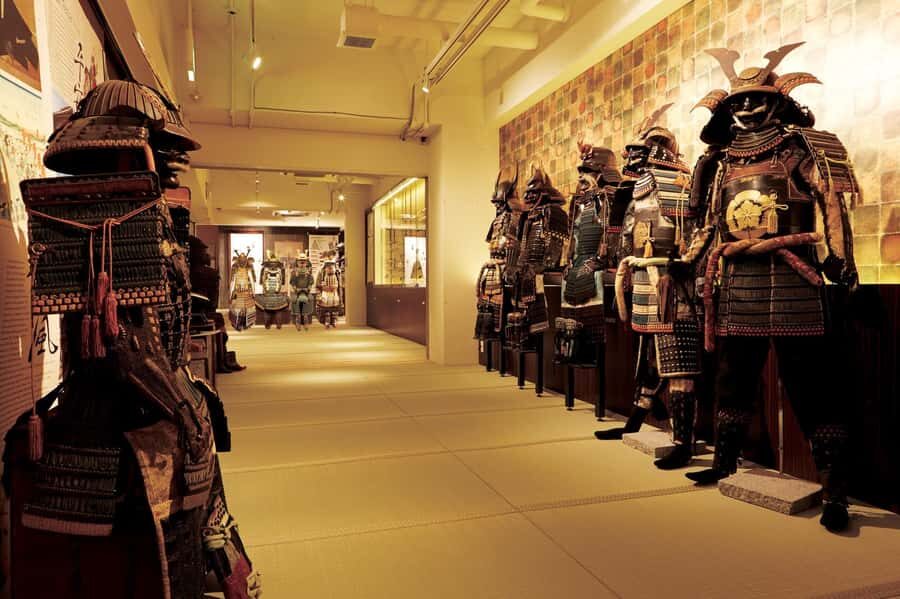
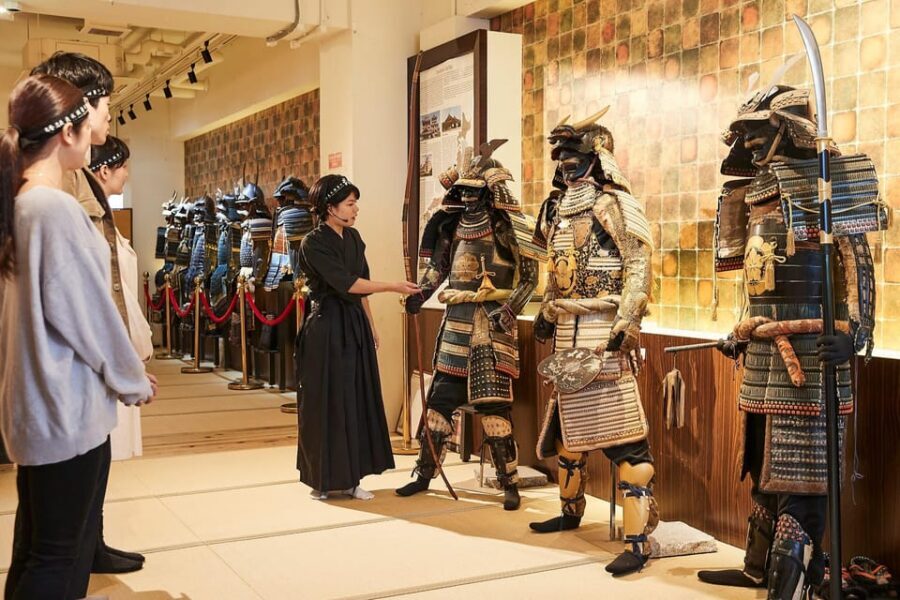
Your tour is built around seeing the real-looking side of the samurai legend. You’ll spend time admiring armour, helmets, and swords, and the guide ties what you see to what it meant in Japanese history.
The exhibits focus on the roles of both figures, and the guide helps you connect the dots. You don’t just get a list of facts. You get context about how samurai culture formed, why weapons and armor became symbols of status and duty, and how the ninja story overlaps with secrecy and myth.
Samurai exhibits: more than costume armor
A lot of samurai displays are impressive because of scale and detail. Here, you’re specifically set up to admire things like helmets and swords up close during the guided portion. That matters, because samurai gear is hard to understand from photos alone. Seeing the shapes and imagining the weight makes it real.
It’s also the kind of exhibit that keeps kids engaged without slowing adults down. Several guides mentioned by name, like Megan and Kenny, are described as making the information easy to follow and fun to listen to, which helps a group move together.
Ninja exhibits: the mystery, explained
Ninjas are often treated like superheroes in movies. The tour’s goal is to explain the mysterious reputation while putting it into a historical frame. You’ll learn about the ninja’s role in history—how secrecy and covert work fit into Japanese society.
One standout pattern in the guide style here is myth-busting. If you think you already know ninja facts from pop culture, the tour still has enough context to adjust your picture.
You can also read our reviews of more museum experiences in Tokyo



The people factor: why the guide changes everything
In Tokyo, lots of museums are just museums. What changes this experience is the guided storytelling. The tour is conducted with an English-speaking guide, and people consistently highlight how the guide’s personality and pacing affect the whole visit.
You’ll see guide names pop up in different groups, such as Nami, Ken, Kenny, Megan, Shin, Nao, Hashan, and Leon. While you can’t pick a specific guide from the info provided, the names give you a clue about the experience: the guides tend to be energetic, clear, and comfortable managing a mixed crowd.
What I’d watch for if you’re choosing this as a couple or family
If you’re traveling with kids or teens, you’ll likely appreciate the way the tour stays interactive even before the activities. If you’re an adult history fan, you’ll likely appreciate that the guide answers the common questions: what was the role, what was real, and what was later storytelling.
A possible drawback: bigger groups during the hands-on parts
Because group size can vary based on booking source, the interactive segments may feel busier at peak times. If you hate crowd pressure, plan to arrive a little early so you can settle before the group moves into the throwing and dress-up moments.
Shuriken throwing: your accuracy test and a photo-friendly finale
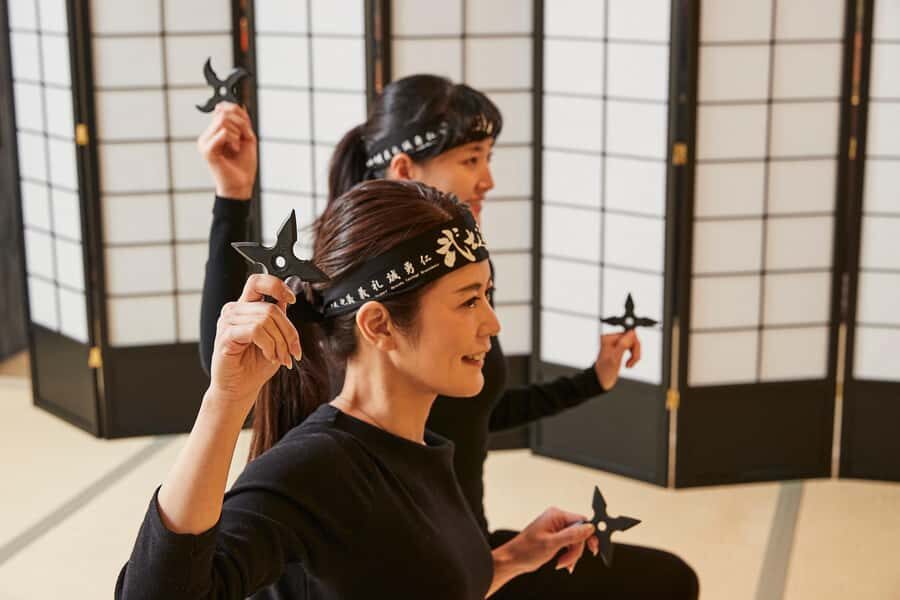
This is the moment most people remember. You practice throwing ninja stars (shuriken), and you get a clear reason to try again: accuracy matters. That turns the activity into a game, not a one-and-done photo stop.
The experience also works because it’s structured. You’re not wandering around trying to figure out what to do. The guide runs it like an activity, with a start, a practice, and then a finish.
If there’s a contest, you might keep your star
One detail worth knowing: there can be a throwing contest feel to it, and if you win, you get to keep your star. That adds a little extra motivation and gives you a small, fun souvenir that’s tied directly to the activity.
Photo tip: prepare your stance before you start
If you want photos that look sharp, watch the demo stance first, then copy the position quickly. Shuriken throwing is brief, and the best shots tend to happen when everyone commits to a similar pose and timing. Even if your throw isn’t perfect, your photo can still look like you took it seriously.
Samurai dress-up: helmet and metal sword for quick, satisfying fun
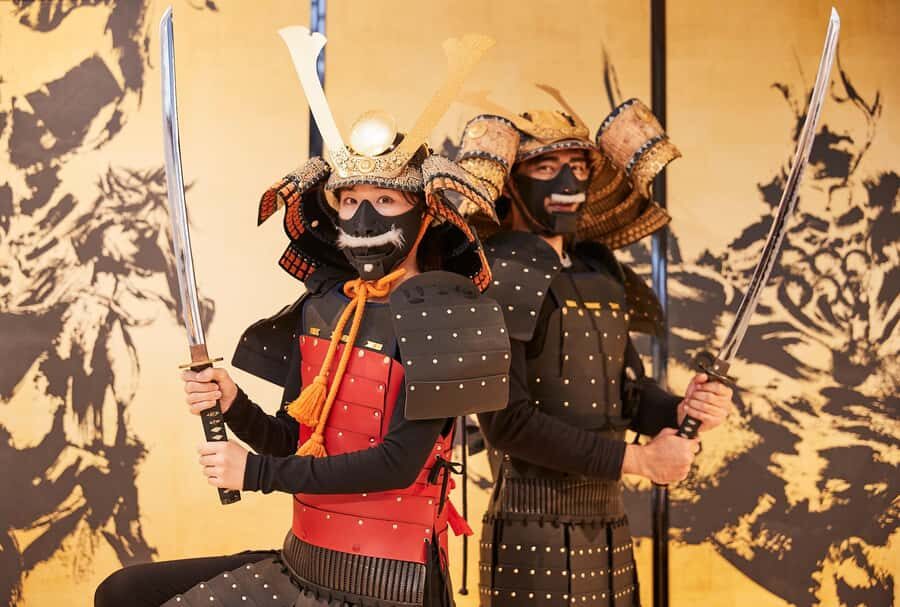
After the museum tour, the experience shifts into costume territory. You’ll dress up like a samurai, wear a real samurai helmet, and hold a metal samurai sword.
That combination is why the dress-up part lands. A costume alone can feel silly. Add a real helmet and a prop sword, and suddenly you can actually get that iconic samurai photo everyone wants.
Why this matters even if you’re not a costume person
You don’t need to be a sword-and-historical-fantasy fan. This is one of those activities where the main value is shared fun and quick role-play. Adults enjoy it because it breaks the routine. Kids enjoy it because they get to physically try the role, not just watch.
If you care about photos, treat the helmet and stance as the main shot. The experience is short, so don’t waste your best photo moments fiddling around. Get the helmet on, set your pose, hold steady, and let the guide’s timing do the rest.
Timing and how to fit it into a day in Tokyo
Most groups describe the tour as about an hour long. That’s huge for Tokyo planning, where you’re constantly juggling transit time and long queues.
How to plan around it
I’d treat this as a “one-hour anchor” activity. Do it early in the day if you want more energy for photos and games. Or place it near the end of a sightseeing stretch if you want something lighter before dinner.
Also, the museum is located in a shopping area and is easy to reach by train or taxi. That matters because you won’t feel forced to build your whole day around it—just plug it in where it makes sense.
Price and value: does $27 buy enough?
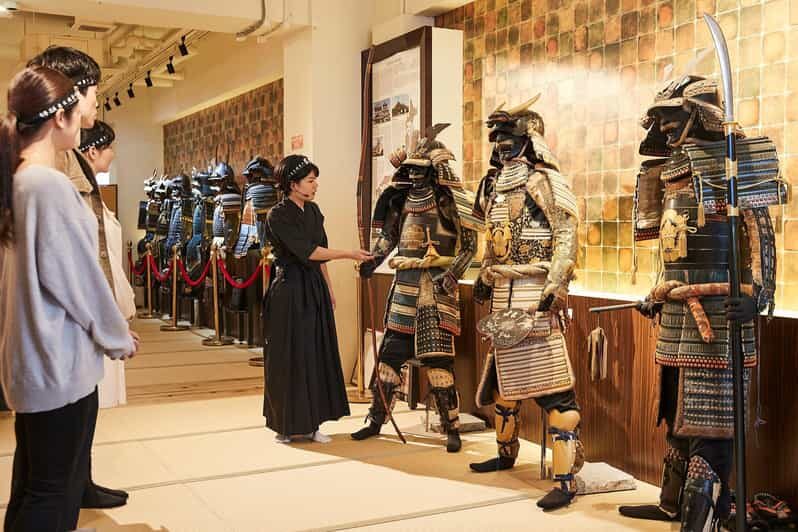
At $27 per person, the value is the combination. You’re not just paying for entry. You’re paying for:
- entry ticket
- a guided tour with an English-speaking guide
- a ninja star throwing experience
- a samurai dress-up experience, including a real helmet and a metal sword
In practice, this means you get both learning and an activity. Tokyo has plenty of attractions that do one or the other. This one does both in a tight format, which is why many people seem happy with the time-to-reward ratio.
Who the price is best for
This is great value if you:
- want a guided explanation instead of self-paced wandering
- like hands-on experiences
- are traveling with kids or teens and want something they won’t tune out of
- want a short activity that doesn’t eat your whole day
If you’re the type who only wants museum displays and you hate interactive activities, then you might feel the price is paying for the games as much as the exhibits. For everyone else, it usually feels like a fair deal.
Who should book this (and who should skip it)
Book it if you want a short, guided history experience that ends with action and photos. It’s especially suitable for families, teens, and anyone who likes learning through doing.
Skip it if you:
- expect a very long museum session
- prefer quiet, solo-style visiting
- dislike group movement during hands-on activities
Also, if you’re very sensitive to crowding, arrive early and keep your expectations flexible. The experience can run with different group sizes depending on where you book.
Should you book the Samurai Ninja Museum tour?
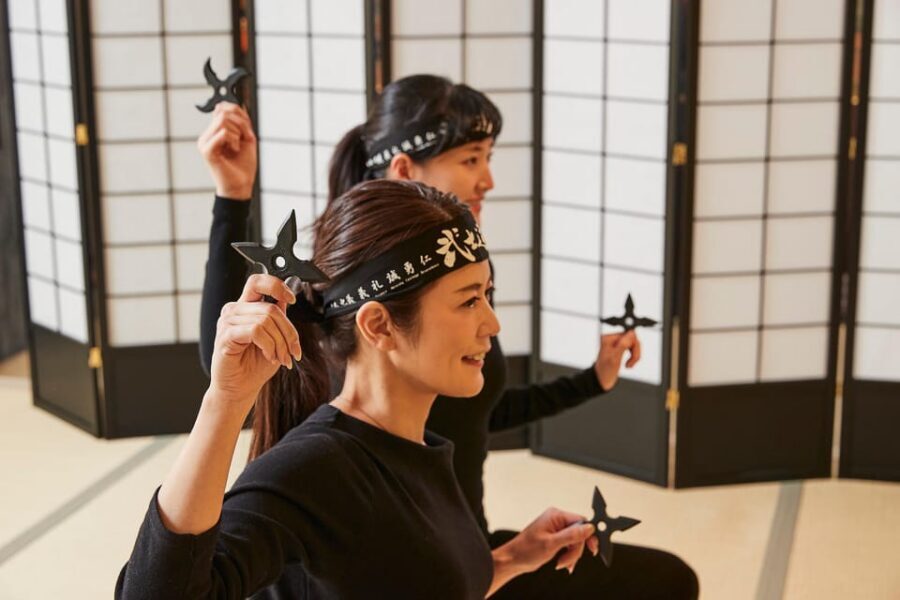
If you’re deciding between a quick stop and a full-day commitment, I’d book this if you want both context and fun in one package. The English guided tour helps you make sense of samurai and ninja beyond movie stereotypes, and the shuriken throwing plus samurai dress-up gives you a clear memory you can take home as photos and a kept star (if there’s a contest win).
It’s not trying to be a deep, hours-long scholarship museum. It’s trying to make Japanese history feel accessible, practical, and just playful enough to stick. For most people visiting Tokyo for the first or second time, that makes it an easy yes.
FAQ
Is the tour in English?
Yes. The experience lists English as the language, and it includes an English-speaking guide.
How long is the guided tour?
Many participants describe the tour as about an hour long.
What’s included in the experience?
The package includes an entry ticket, a guided tour with an English-speaking guide, a ninja star throwing experience, and a samurai experience where you dress up, wear a real samurai helmet, and hold a metal samurai sword.
Do I have to book through GetYourGuide to join?
No. The info says you can reserve through GetYourGuide, but you can also book on other sites, which may have more participants.
What’s the group size limit when booking through GetYourGuide?
The experience notes a maximum of 15 people when reserved from GetYourGuide.
Can I reserve and pay later?
Yes. It offers Reserve & Pay Later, so you can book your spot and pay nothing today.
What is the cancellation policy?
Cancellation is allowed up to 24 hours in advance for a full refund.
If you tell me your travel dates and whether you’re going as a couple or with kids, I can suggest the best time of day to slot this in and what to prioritize for photos.