REVIEW · OSAKA
Osaka: Sushi Class in Dotonbori
Book on GetYourGuide →Operated by Cooking Sun · Bookable on GetYourGuide
Three sushi styles, one Osaka evening. This hands-on Dotonbori class teaches you Oshizushi and Nigiri the Kansai way, with an English instructor and a kitchen setup that keeps you actually cooking instead of watching.
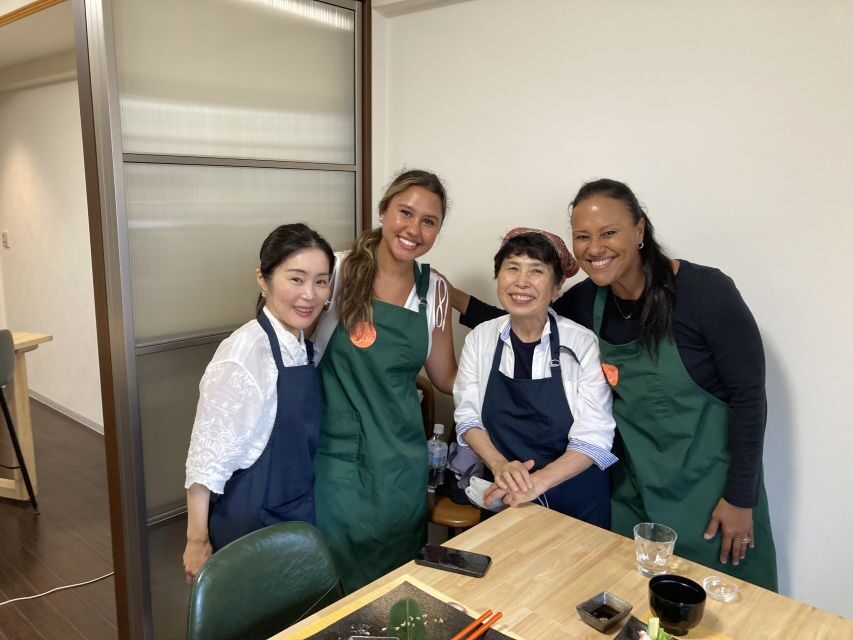
I love the mix of techniques you learn: a salad roll that’s part roll, part build-your-own lunch, plus nigiri where you focus on how rice and toppings come together. I also love the way instructors like Yoshi, Yoko, Ami, Naomi, Eriko, and others run things: clear, patient guidance with time to ask questions, and lots of attention so you’re not guessing.
One real consideration: the meeting spot can be a little tricky to locate in busy Dotonbori. Give yourself extra minutes to find Cooking Sun Osaka and the correct floor/room number.
In This Review
- Key Things I’d Not Skip
- Finding Cooking Sun Osaka and Meeting Your Instructor
- What 3 Hours Looks Like in a Real Sushi Workshop
- Salad Roll: Building a Roll With Nori, Fresh Veg, and Tamagoyaki
- Nigiri: Learning Why Vinegared Rice Matters
- Osaka Oshizushi Box Sushi: Pressing, Then Cutting Just Before Eating
- Eating What You Made, Plus the Cultural Bits That Stick
- Price and Value at $67 for Hands-On Osaka Sushi
- Tips for Getting the Most From Your Class
- Who This Class Is Best For
- Should You Book This Osaka Sushi Class?
- FAQ
- What sushi types will I make in this Osaka class?
- Is the instructor available in English?
- How long does the class last?
- What is the group size?
- Where is the meeting point?
- Can I request a vegetarian or gluten-free option?
- Is the class wheelchair accessible?
Key Things I’d Not Skip
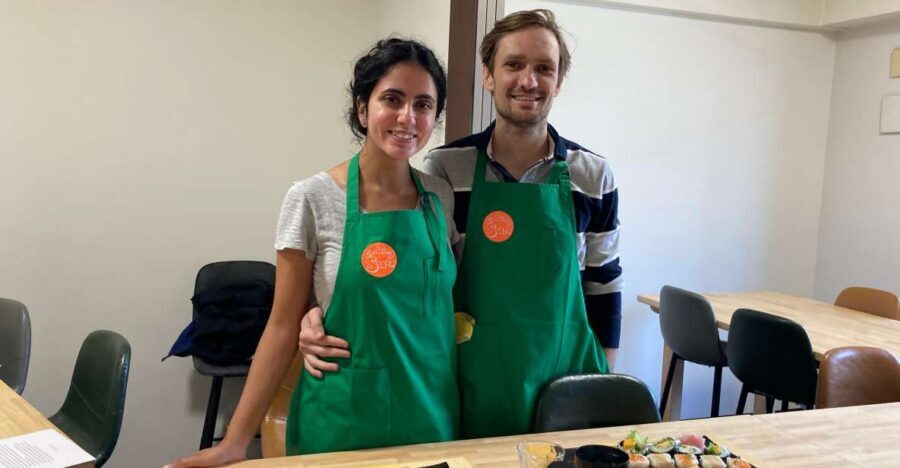
- You make 3 sushi types in one 3-hour session: salad roll, nigiri, and pressed Osaka box sushi
- Oshizushi is hands-on: you press sushi into a square frame, then cut it right before eating
- English instruction with Q&A time from instructors such as Yoshi, Yoko, Ami, Naomi, Eriko
- Small group size (limited to 8) means faster feedback and less waiting around
- Fresh, substantial food output: you end up eating what you make, not just tasting a bite
Finding Cooking Sun Osaka and Meeting Your Instructor
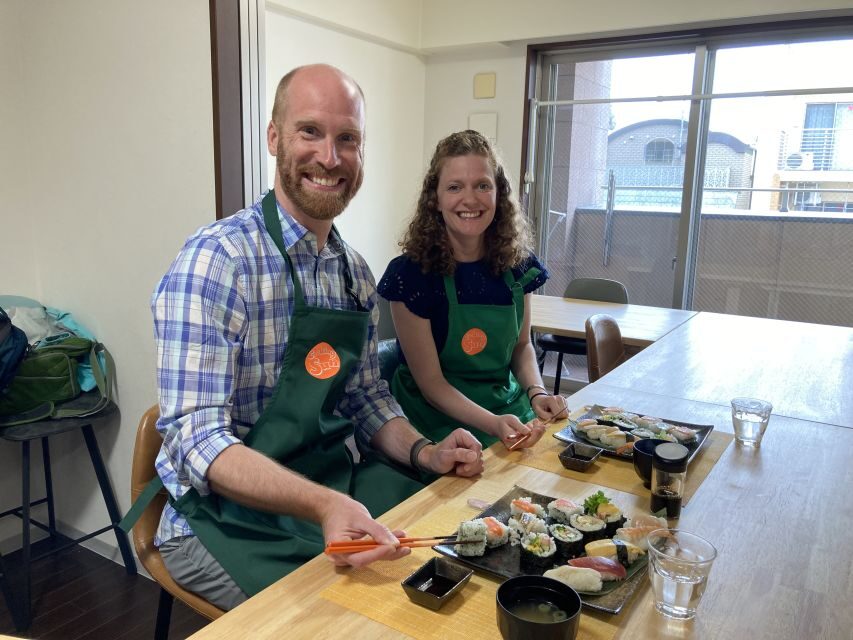
You’ll meet at Cooking Sun Osaka, room 202. On arrival, press 202 and then the entrance call button labeled 呼出. It sounds simple, but in Dotonbori you’ll want a plan: pull up the address before you head out, then circle a couple times rather than rushing.
A practical tip from past participants: it can take a bit to spot the exact location from street level. One helpful clue mentioned is a tree out front that’s hard to miss once you’re looking in the right spot. If you’re meeting near the busiest lanes, I’d rather you arrive early than sprint late.
The class itself is set up for comfortable cooking. Expect a clean, modern feel in the kitchen area, and a teaching style that’s interactive, not lecture-heavy.
A few more Osaka tours and experiences worth a look
What 3 Hours Looks Like in a Real Sushi Workshop
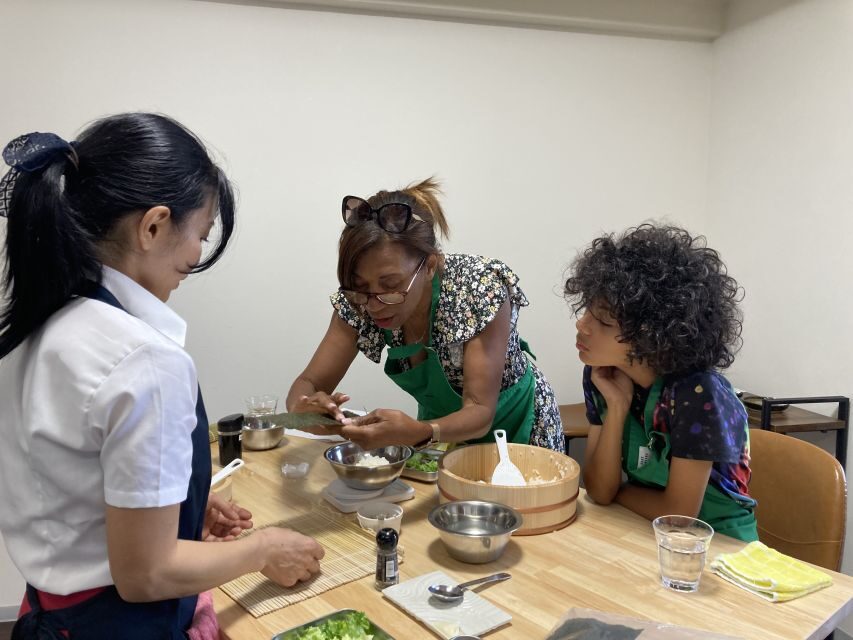
This isn’t a quick tasting. It’s a structured 3-hour lesson where you learn technique, then apply it. Since the group is capped at 8, the pace stays human: you’re not waiting for someone to free up counter space while your sushi rice goes cold.
Here’s what matters for your planning. If you’re hungry (which most people will be), you’ll be busy making sushi and then eating the results. One common theme in the experience: the food quantity feels substantial, enough that bigger appetites are satisfied by the end.
Also, your instructor teaches in English, which is a huge value add. You don’t have to rely on hand gestures for key steps like how rice should be handled or how pressed sushi should release cleanly from the frame.
Salad Roll: Building a Roll With Nori, Fresh Veg, and Tamagoyaki
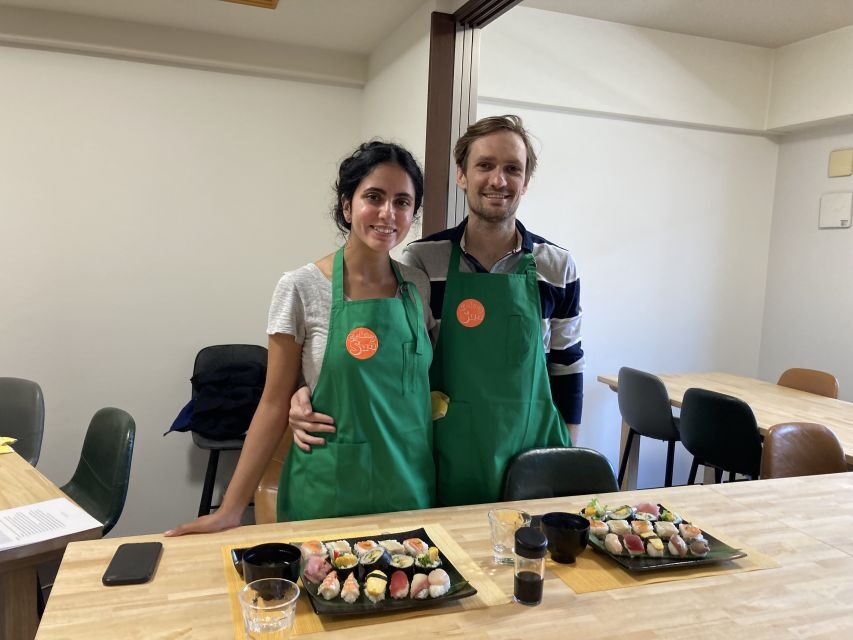
The salad roll is a fun first win because it’s part assembly line, part precision. You’re working with nori seaweed, fresh vegetables, and a filling that blends Japanese and Western-style textures without feeling gimmicky.
From the class plan, you’ll work with:
- crab-flavored kamaboko
- lettuce and cucumber
- tuna mixed with mayonnaise
- a tamagoyaki (egg roll) core inside the roll
This combo is smart for beginners. You get structure from the nori and the egg core, but the filling ingredients are forgiving compared with ultra-fussy fish slicing. If you’re new to rolling, starting here gives you confidence before moving to nigiri and oshizushi.
A note for your expectations: “salad” here isn’t a light garnish. It’s still sushi work. You’ll be handling ingredients, assembling, rolling, and learning how to keep the texture and shape right.
Nigiri: Learning Why Vinegared Rice Matters
Nigiri is one of the most recognizable parts of Japanese sushi culture. In this class, you’ll learn the core idea: sushi ingredients placed on top of vinegared rice, then balanced so each bite is cohesive.
The format is classic:
- vinegar-seasoned rice forms the base
- toppings can include fish, shellfish, and omelet
What you should watch for as you learn is the relationship between rice and topping. Too much topping and it slides. Too little and it feels dry. The instructors’ focus (the same approach praised by many past students) is on making sure you understand what you’re doing, not just copying a shape.
If you’ve only ever ordered nigiri in restaurants, this is the reality check. At home, you’d be dealing with rice texture, temperature, and portion control. In class, you’re taught how to handle that step-by-step with feedback so your nigiri holds together and tastes right.
Osaka Oshizushi Box Sushi: Pressing, Then Cutting Just Before Eating
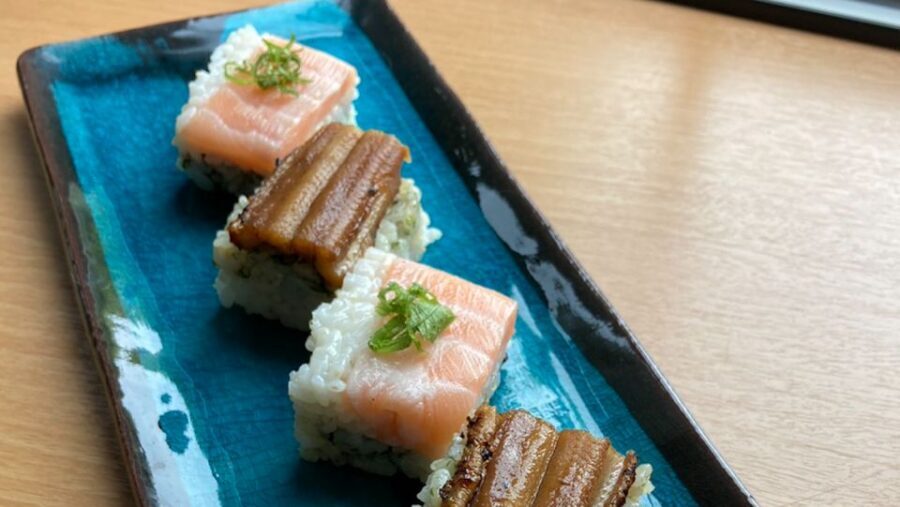
Now for the Osaka specialty: oshizushi, often called pressed sushi or box sushi in the Kansai region. This is the technique that makes the class feel distinctly Osaka, not a generic sushi workshop.
The method is straightforward in concept, dramatic in the results:
- fill a square wooden frame with sushi rice and toppings
- press the rice by hand so it sticks to the toppings
- end up with a square block
- cut into pieces right before eating
That last step matters. Pressed sushi is built to be eaten fresh after it’s cut, so your class flow should keep you from cutting too early and letting the texture shift.
This is also where you learn a very different logic from rolling sushi. Instead of shaping by rolling and tucking, you’re shaping by compression and alignment. You’ll feel the difference immediately when you press and lift.
And because oshizushi is still popular locally, it doesn’t feel like a tourist novelty. It’s a real regional food technique with a real reason to exist: it’s portable, consistent, and efficient—traits Osaka cooks take seriously.




Eating What You Made, Plus the Cultural Bits That Stick
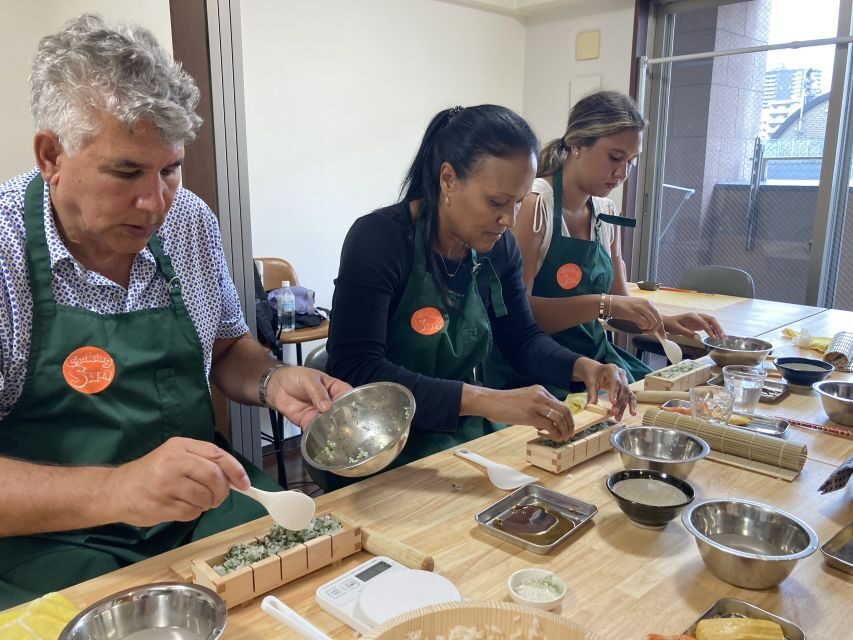
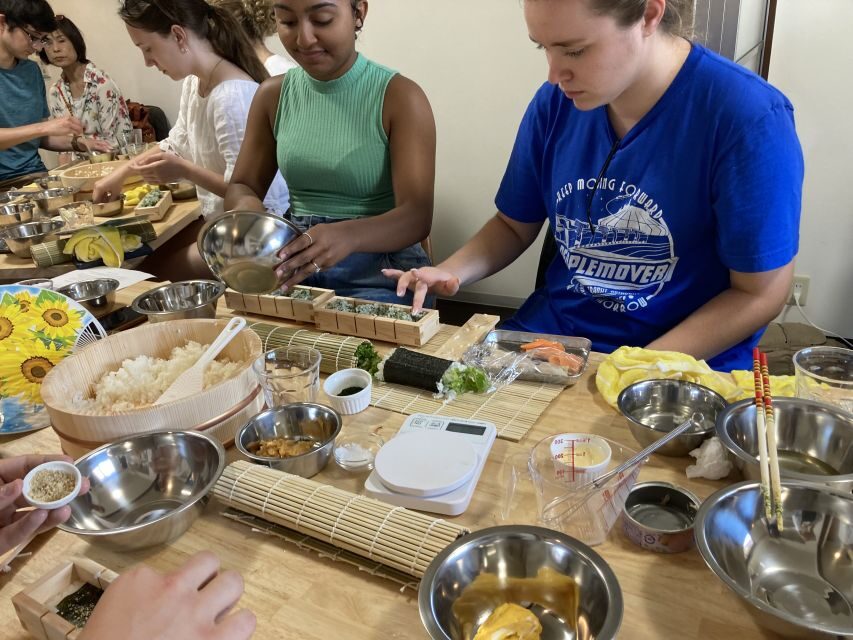
The payoff is eating what you make. And for this class, that’s not a small plate. Multiple experiences point out that the amount of sushi feels substantial, and that the food is fresh and delicious by the time you sit down.
This matters for your decision. Some cooking classes end with a tiny taste and a bill. Here, the session is designed so your work turns into your meal.
You’ll also get cultural context along the way. In past sessions, instructors asked about people’s trip plans and offered food recommendations. You can expect conversation that connects technique to how Japanese cooks think about preserving, pickling, and building flavor over time.
Names that have shown up often in praise include Yoshi, Yoko, Ami, Naomi, Eriko, and others. If you’re the type who likes learning the why, not just the how, this is where that shows up.
Price and Value at $67 for Hands-On Osaka Sushi
At $67 per person for a 3-hour class, the value comes from three things: time, technique variety, and the fact you eat what you produce.
Let’s translate that into real-life value:
- 3 hours gives enough time to learn multiple methods without feeling rushed
- 3 sushi types means you’re not paying for one trick repeated three times
- ingredients are included, so you’re paying for instruction plus the raw materials
- you leave with a meal, not just a photo
Compared with the cost of a single decent sushi dinner, the class feels like a teach-and-eat deal. You’re getting practical skills you can try later, plus a guided experience you won’t get wandering markets alone.
So yes, $67 is a clear line item. But you’re also buying a structured lesson, equipment access, and enough food output to make the session feel complete.
Tips for Getting the Most From Your Class
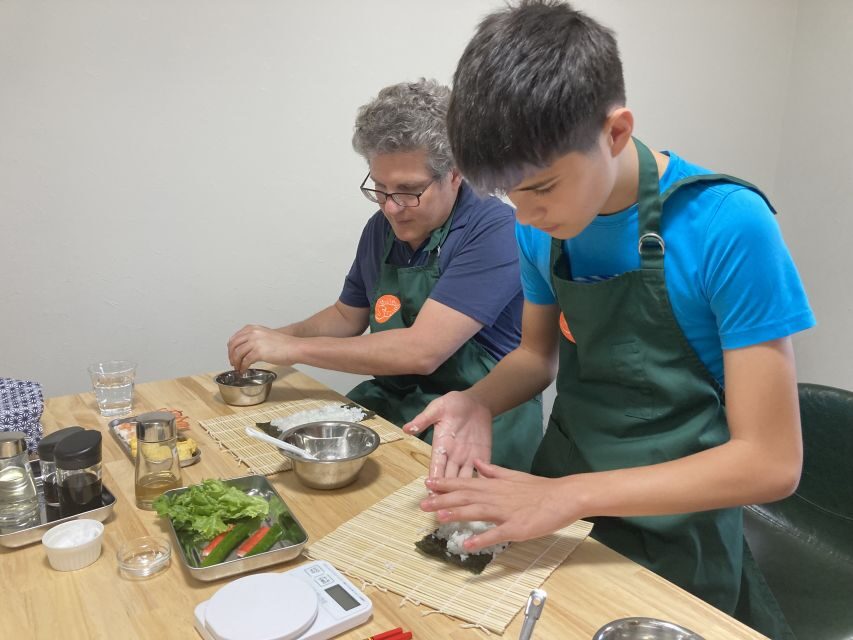
You’ll enjoy this more if you show up ready to work. Wear clothing you don’t mind getting a little kitchen-scent on. If you’re picky about ingredients or health needs, speak up early.
Two practical considerations from the class info:
- You can request a vegetarian or gluten-free option by leaving a note upon booking.
- The class is wheelchair accessible, and the kitchen setup is designed for an in-person workshop flow.
Also, don’t treat it like a passive show. The best outcomes come when you ask questions during the build stages, especially for nigiri and oshizushi where the texture and handling are the real tricks.
Who This Class Is Best For
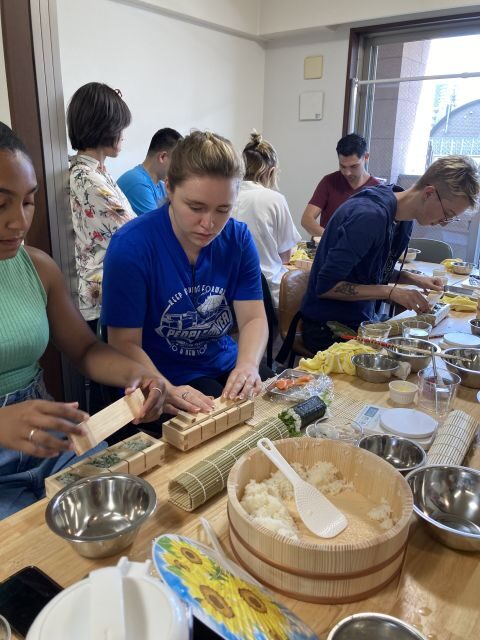
This is an excellent match if you’re:
- a sushi lover who wants more than ordering
- a beginner who still wants real technique, not just assembly
- someone who likes small-group teaching (it’s limited to 8)
- traveling solo or with a partner and want an interactive activity with English support
It’s also a strong option if you want something that feels Osaka-specific. Rolled sushi classes are common. Oshizushi-only or Oshizushi-inclusive classes are rarer, and that pressed box format gives you a skill that’s distinctly Kansai.
If you’re hard-core and expect cutting fish like a master, you might find your expectations shaped differently. The class focus is on the three sushi techniques listed, plus guided prep and making, with the eating payoff at the end.
Should You Book This Osaka Sushi Class?
I’d book it if you want an Osaka food experience that’s hands-on and structured, with English instruction and a small group size that keeps you involved. The fact that you make salad roll, nigiri, and oshizushi in one session is the main driver—three different ways of building sushi, all finished into something you can eat.
Book it sooner than later if you care about having vegetarian or gluten-free adjustments. Those requests need a note during booking, and it’s better to lock that in early than improvise.
If your main goal is simply to eat the cheapest sushi in town, this may not beat the market on price. But if your goal is skill plus meal plus a friendly teaching experience, this one is hard to dislike.
FAQ
What sushi types will I make in this Osaka class?
You’ll make three types: a salad roll, nigiri, and Osaka oshizushi (pressed sushi/box sushi).
Is the instructor available in English?
Yes. The instructor teaches in English.
How long does the class last?
The class lasts 3 hours.
What is the group size?
It’s a small group limited to 8 participants.
Where is the meeting point?
You’ll meet at Cooking Sun Osaka, room 202. When you arrive, press 202 and the entrance call button labeled 呼出.
Can I request a vegetarian or gluten-free option?
Yes. You should leave a note upon booking for a vegetarian option or a gluten-free option.
Is the class wheelchair accessible?
Yes, the activity is listed as wheelchair accessible.