REVIEW · OSAKA
Matcha Making Class in Osaka with Authentic Japanese Sweets Set
Book on Viator →Operated by Sushi Making Tokyo Cooking Class in Japan · Bookable on Viator
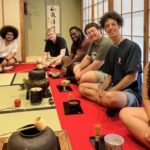
Matcha feels fancy until you learn the steps. In this Osaka class, I like that you get hands-on guidance to whisk a proper cup, plus time for Japanese sweets and photos. Hosts like Momo, Matty, Fuko, and Yui guide you in clear English, and you get quick fixes when something goes off. The only catch: finding the exact meeting spot can take a few extra minutes, so I’d plan buffer time.
What I really loved is how beginner-friendly it feels while still being correct. You learn the why behind the motion, so when you make matcha at home, you’re not guessing. You’ll also appreciate the intimate size, since the group is capped at 6 travelers.
In This Review
- Key things to know before you go
- A one-hour Osaka matcha class that focuses on the real technique
- Where you meet in Higashishinsaibashi (and how to avoid losing time)
- What happens during the class (from matcha background to your own cup)
- Making your matcha: the steps you’ll actually use at home
- Your teacher’s role: English clarity and quick corrections
- Japanese sweets with your matcha: pairing that makes the tea taste better
- Morning or afternoon classes: pick the one that fits your Osaka rhythm
- Small-group size (max 6): what it changes for you
- The value question: is $21.89 per person a smart use of time?
- Who should book this matcha making class
- My practical tips for getting the most out of your class
- Should you book this matcha making class?
- FAQ
- How long is the matcha making class in Osaka?
- Is this matcha class beginner-friendly?
- How many people are in the group?
- What’s included in the price?
- Is hotel pickup or drop-off included?
- Where does the class meet?
Key things to know before you go
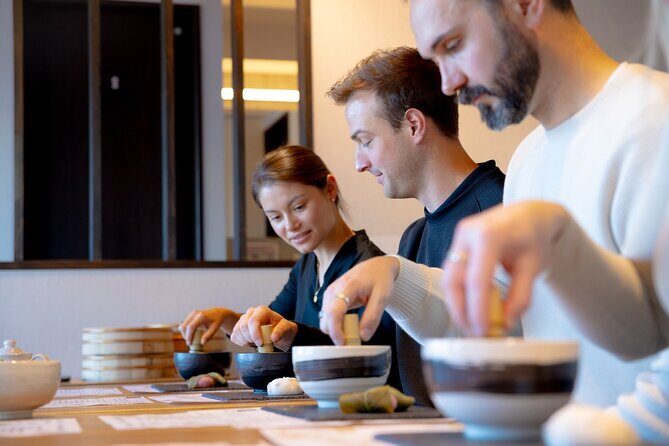
- Small group (max 6): More hands-on attention and easier Q&A in real time.
- English-speaking hosts: Clear explanations with visuals and interactive moments, including quizzes.
- Tools and ingredients handled: You’ll start ready to make matcha, not hunting for supplies.
- Matcha + Japanese sweets included: Your tea break isn’t an afterthought; it’s part of the experience.
- About 1 hour: Short enough to fit Osaka plans without eating your whole afternoon.
A one-hour Osaka matcha class that focuses on the real technique
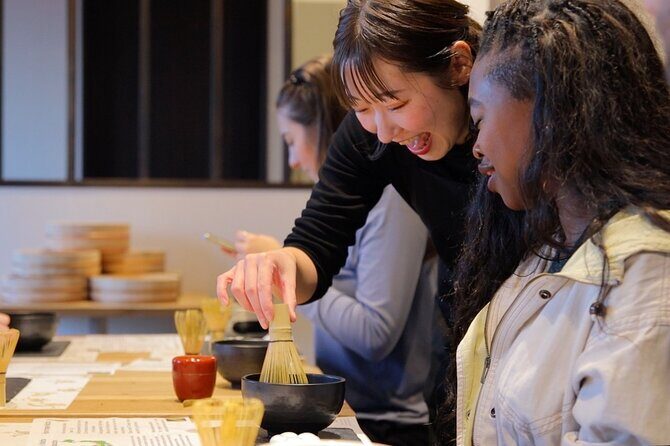
This is the kind of class that helps you slow down and pay attention. In about an hour, you learn how to make matcha the traditional way, step by step, while your instructor keeps things calm and beginner-friendly. The goal isn’t to turn you into a tea master. It’s to help you leave with a reliable method you can repeat at home.
I also like the structure: you’re taught, you practice, and then you drink at a comfortable pace. Many people come in thinking matcha is just powder and hot water. You’ll quickly learn it’s about temperature, mixing technique, and texture.
A few more Osaka tours and experiences worth a look
Where you meet in Higashishinsaibashi (and how to avoid losing time)
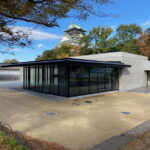
The meeting point is Matcha Making Osaka at 1-chōme-16-20 Higashishinsaibashi, Chuo Ward, Osaka, 542-0083. It’s in a busy part of Osaka, but the address is specific enough that it’s worth arriving with a map pinned in advance.
One theme from the experience style is that location can be slightly confusing the first time. If you’re arriving by foot from nearby stations, I’d give yourself extra time, not because it’s far, but because the building can be easy to miss when you’re rushing. Mobile ticket check-in helps, but your best move is simple: get there early and take a minute to confirm you’re in the right spot.
Good news: it’s near public transportation. So you’re not stuck with a taxi-only situation.
What happens during the class (from matcha background to your own cup)
You’ll get a mix of explanation and practice. The hosts walk you through matcha preparation in English, and they keep it engaging with visuals and interactive quizzes. That matters because matcha can feel intimidating, especially if you’ve only had it as a drink in a café.
You can also expect some context on matcha—how it’s made and why it’s treated like a ritual in Japan. The class tone is relaxed, so you’re not stuck copying a script. Instead, you’re learning what matters most for a good cup.
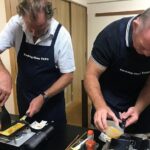
Then comes the hands-on part: you make matcha during the session. Your instructor corrects mistakes as you go, which is the difference between learning a recipe and learning a technique.
Making your matcha: the steps you’ll actually use at home
Even if you’ve tried whisking matcha before, you’ll probably learn something small but important here. The class emphasizes getting the process right, not just finishing a cup. When instructors correct your form or timing, it’s usually about texture—smooth, blended matcha instead of clumps.
Here’s what you should watch for as you practice:
- How you combine matcha so it doesn’t clump.
- How you manage the whisking motion for a consistent foam.
- How you judge when the mix is ready to drink.
You might think, I’ll remember it later. But this class is designed so you don’t have to. You’ll repeat the steps with your instructor watching, so the method sticks.
Also, everything is set up for you. Tools and ingredients are prepared in advance, which makes the session smooth. You’re not spending your attention budget on figuring out where to find the scoop, what kind of whisk to use, or how much powder to start with.
Your teacher’s role: English clarity and quick corrections
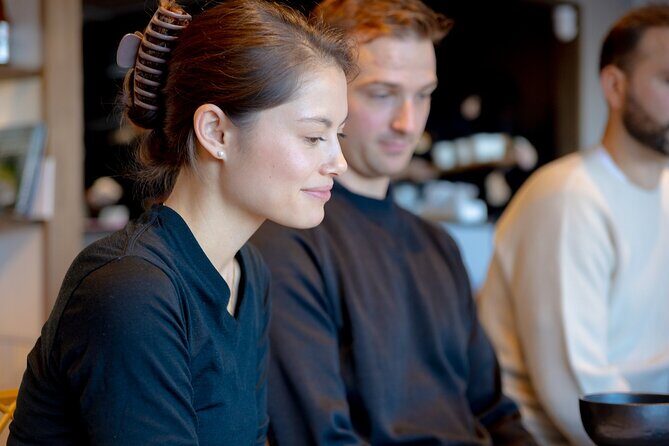
One of the biggest value points is the English-speaking instruction. If you’ve ever taken a class in a language you don’t fully speak, you know how frustrating it can be when you only half-understand the steps. Here, the hosts explain in a way that’s easy to follow, and they use visuals to keep pace.
I also like the interactive approach. People mention quiz-style moments, which makes it easier to remember the key ideas about matcha and its production. It’s not lecture-heavy.
And the “correct your mistakes” piece is practical. You’ll be guided right when something goes wrong. That’s how you leave with a cup you understand, not just a cup you finished.
A few more Osaka tours and experiences worth a look


Japanese sweets with your matcha: pairing that makes the tea taste better
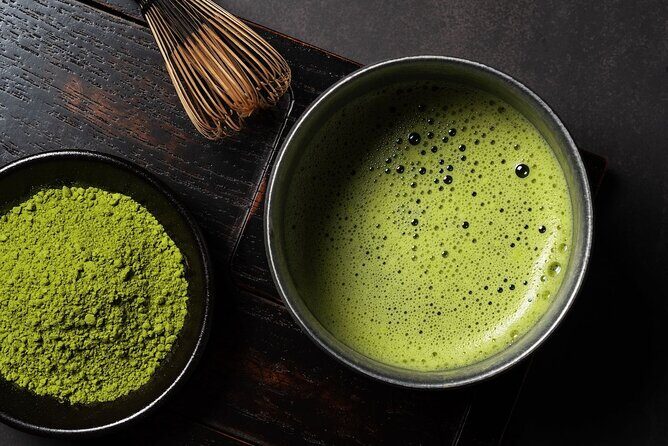
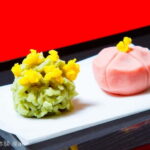
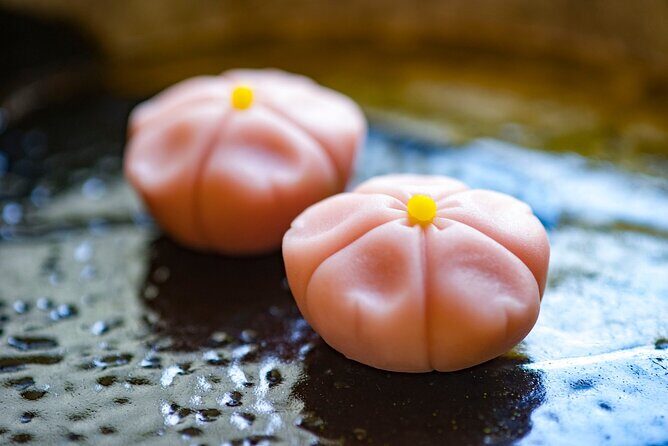
Your break isn’t just a sip. You’ll enjoy your matcha with Japanese sweets that complement it. This matters because matcha has a distinct flavor profile—earthy, sometimes slightly bitter, and very “green” in character.
The sweets give you a chance to experience matcha in a more complete way, like it’s part of a small tea moment rather than a standalone beverage. You’ll also get a nice photos-and-vibe window during the tasting portion. It’s a simple way to capture the experience without turning the class into a production.
If you’re a foodie, don’t treat this as filler. This pairing is part of why the class feels culturally grounded.
Morning or afternoon classes: pick the one that fits your Osaka rhythm
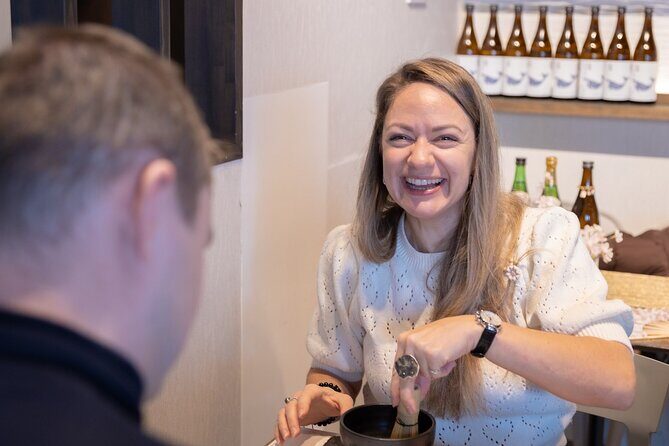
The class offers morning and afternoon options. Choose based on what you’re already doing in Osaka.
If you want something calm early, the morning slot can help you start the day with a slow, focused experience. If you’d rather build in a cultural break between sightseeing blocks, an afternoon class works well too. Either way, the structure stays the same: you’ll make matcha, then drink it with sweets at your class time.
Because the session is about one hour, it’s easy to plan around. You won’t feel like you booked a half-day commitment.
Small-group size (max 6): what it changes for you
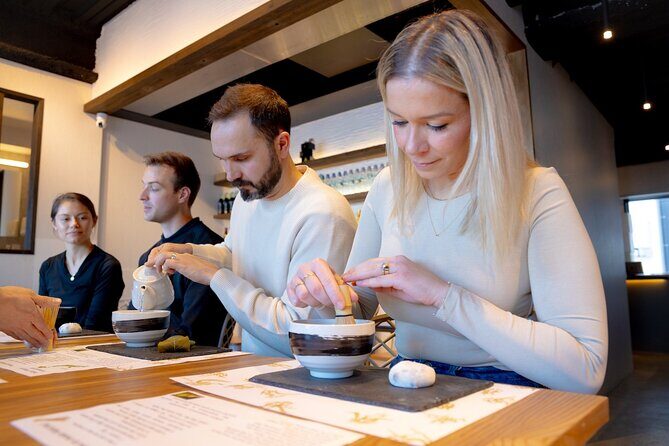
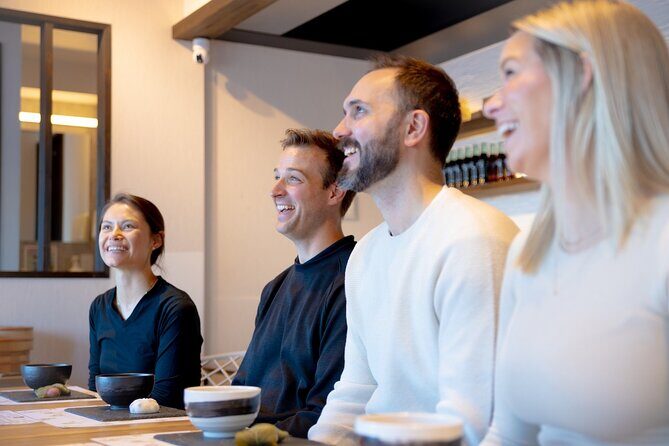
A group cap of 6 travelers is more than a nice detail. It changes how the instructor can teach. In a larger class, you often watch more than you practice. Here, you’re more likely to get individual attention while you’re whisking and mixing.
That’s what makes the experience feel intimate and hands-on. It’s also easier to ask questions when people aren’t competing for the instructor’s attention.
If you’re traveling solo, this is also a comfort factor. You’re not stuck performing your learning process in front of a huge group.
The value question: is $21.89 per person a smart use of time?
For about $21.89, you’re getting an hour of guided instruction in English plus matcha and Japanese sweets. That’s decent value, especially because the class includes hands-on correction.
A quick way to think about it: you’re paying for technique transfer. If you try to learn matcha alone from a video, you can end up wasting money on the wrong whisking method, the wrong texture, or a cup you don’t like. This class reduces that guesswork by coaching you live.
Also, the time cost is small. One hour is short enough to fit even a packed Osaka day. If you’re choosing between a quick food stop and a meaningful cultural activity, this one gives you something you can repeat at home.
Who should book this matcha making class
This class is a strong pick if you:
- Love matcha and want to make it properly.
- Like hands-on cultural experiences without stress.
- Want an easy entry point into Japanese tea culture.
- Are traveling with a friend, or solo, and prefer small groups.
It’s also a good choice if you don’t have any prior experience. The class is built for beginners, and the instructors guide you through each step.
You might skip it if you already have a solid matcha routine and you’re only looking for a very long, formal tea ceremony. This is more about learning technique in a relaxed setting, with sweets and conversation-friendly pacing.
My practical tips for getting the most out of your class
Here are a few moves that can make your hour go smoother.
Arrive a little early. Osaka is easy to navigate, but this class has a specific address. Give yourself time to get your bearings fast, especially if you’ve never been in Higashishinsaibashi before.
Come hungry, in a good way. You’ll get matcha plus Japanese sweets, so having a light snack beforehand is smart, but don’t show up stuffed. You’ll enjoy tasting more.
Pay attention to texture. When instructors correct your technique, it’s usually to help you achieve a smoother, better result. That’s what you’ll taste.
Ask questions while you’re making. If something feels unclear, ask immediately. The instructor’s corrections are most useful in the moment you’re practicing.
Should you book this matcha making class?
I think you should book it if you want an hour in Osaka that feels both cultural and practical. The standout strength is the combination of English-speaking guidance, hands-on technique, and the fact that you drink your own matcha with Japanese sweets right there. The small group size also helps you learn, not just observe.
If you’re unsure whether you’ll like matcha, you’ll still likely enjoy the process—this class is beginner-friendly and doesn’t assume you already know the rules. Just plan for an easy-to-miss meeting spot and arrive a bit early.
FAQ
How long is the matcha making class in Osaka?
The class lasts about 1 hour.
Is this matcha class beginner-friendly?
Yes. No prior matcha-making experience is required.
How many people are in the group?
The group has a maximum of 6 travelers.
What’s included in the price?
You get an English-speaking instructor and matcha with Japanese sweets.
Is hotel pickup or drop-off included?
No. Hotel pickup and drop-off are not included.
Where does the class meet?
It meets at Matcha Making Osaka, 1-chōme-16-20 Higashishinsaibashi, Chuo Ward, Osaka, 542-0083, Japan. The activity ends back at the meeting point.