REVIEW · OSAKA
Osaka: Sashiko Japanese Craftsmanship Workshop
Book on GetYourGuide →Operated by Junale · Bookable on GetYourGuide
Sashiko is the kind of craft that slows you down. In this Osaka workshop, you’ll learn sashiko stitching and leave with handmade coasters, guided by instructor June. I like that it’s hands-on from the start, and the teaching style keeps things calm and doable, even if you’re a first-timer. One downside to flag: this is a focused craft session, not a sightseeing tour, so plan your expectations around a 2-hour studio experience.
The setup is practical and beginner-friendly. You get all the tools and materials, instruction in English (with Japanese support), and a small group capped at 8, which means you’re not stuck guessing alone with fabric. If you’re hoping for advanced embroidery techniques or a big variety of projects, you might find the scope is intentionally focused—one main piece built through the session.
What you make is the best part: a geometric-pattern design that connects you to how Sashiko started as functional stitching and later became regional art. I also appreciate the atmosphere described as homey, in an older wooden-style space, with time built in to practice until your piece feels finished and satisfying.
In This Review
- Key points to notice before you go
- Sashiko stitching: why this workshop feels different
- From welcome to finished coaster: the real 2-hour flow
- 1) A short intro to Sashiko’s purpose
- 2) A demonstration of the fundamental stitches
- 3) Geometric practice on small items (coasters)
- 4) Finishing up and taking your piece home
- The instructor vibe: patient, friendly, and not intimidating
- Your workshop space in Osaka: old wood, calm focus
- Patterns and meaning: what you’re really learning
- The patterns teach consistency
- You’ll connect the look to its roots
- You’ll get insight into the “story” of stitches
- What’s included (and what you’re not paying extra for)
- Who should book this Sashiko class
- Price and value in Osaka terms
- Logistics that matter (without turning your trip into paperwork)
- Should you book Osaka: Sashiko Japanese Craftsmanship Workshop?
- FAQ
- How long is the Osaka Sashiko workshop?
- What will I make in the class?
- What does the $67 price include?
- Do I need previous sewing or embroidery experience?
- What languages are used during the workshop?
- How big is the group?
- Where is the meeting point, and can you meet me at a station?
- Is the workshop wheelchair accessible?
- What if I’m traveling solo?
Key points to notice before you go
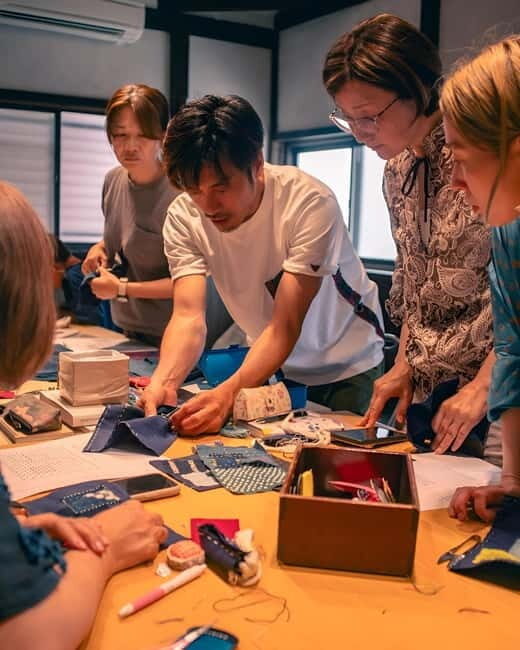
- A small group (up to 8) means real one-on-one help while you stitch
- All tools and materials are included, so you only bring yourself
- Geometric patterns on coasters give you an easy first win with Sashiko
- Instructor June teaches in English/Japanese, and the vibe stays patient and encouraging
- You can explore a nearby shopping corner for sewing kits and hand-dyed threads (cash discounts available)
Sashiko stitching: why this workshop feels different
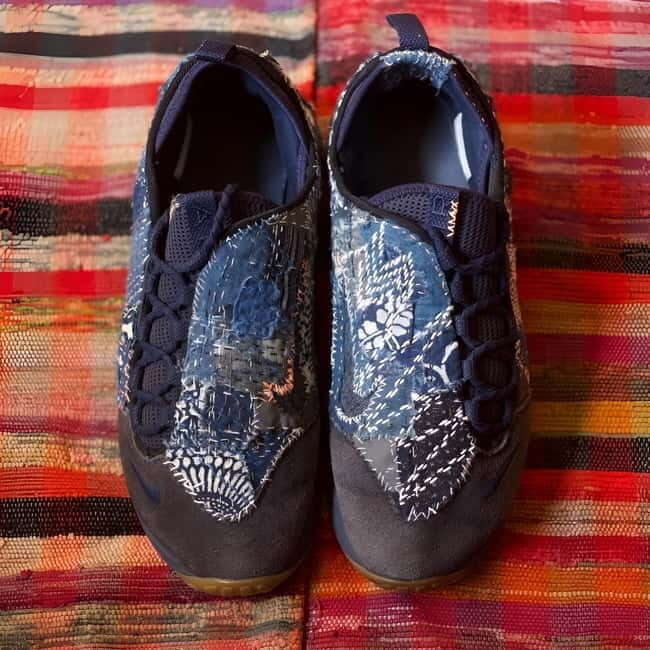
Sashiko literally translates to little stabs, and that sums up the rhythm you’ll be making: small, repeated stitches that create structure. Unlike many crafts that look complicated because they’re visually dense, Sashiko is built from simple motions you repeat until the pattern shows up.
The workshop’s focus on geometric stitches matters for you, not just for tradition. Clean geometry is easier to learn in a short session, because the pattern guides your hands. It also lets you see what Sashiko is really good at: turning plain fabric into something purposeful and decorative at the same time.
There’s also a cultural layer that makes the practice feel more meaningful. Sashiko began in the Edo period (1603–1868) as a practical way to reinforce and insulate clothing. Farmers and fishermen used it to mend worn garments and add warmth for harsh winters. Over time, different regions developed their own motifs, so what looks like a simple repeating pattern often carries local symbolism.
If you like crafts that are meditative and repeatable, this one fits well. Several people describe it as calm—part because the stitch motion is straightforward, and part because the teaching pace makes you feel safe to get things wrong and correct them.
A few more Osaka tours and experiences worth a look

From welcome to finished coaster: the real 2-hour flow
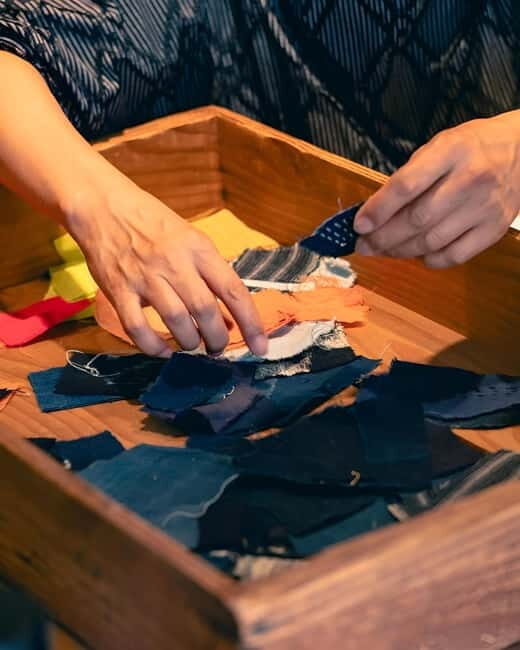
This is a straight-ahead class: learn the basics, practice with guidance, then take home your completed project. The pace is designed for both complete beginners and people who already stitch.
Here’s what the session feels like, in practical steps:
1) A short intro to Sashiko’s purpose
You start with a brief overview of what Sashiko is and where it came from. That context isn’t just trivia—it helps you understand why the technique became respected: it’s functional, durable, and visually recognizable even when you’re not trying to imitate an exact artwork.
2) A demonstration of the fundamental stitches
Then your instructor shows you the core stitch technique. You’ll learn how to place your needle and keep your spacing consistent. Sashiko is all about repetition with control, so this part matters a lot. If you get the first few rows right, the rest feels dramatically easier.
3) Geometric practice on small items (coasters)
Next you’ll apply the technique to a coaster-sized project. The workshop is built around making a coaster with geometric patterns, so you don’t need a big canvas or advanced planning skills. You’ll be supported while you stitch, and the group setup helps you ask questions without waiting.
A nice detail: if you pick it up quickly, the instructor may add an extra stitch practice step near the end. That’s a good bonus for anyone who likes to leave with slightly more than the minimum.



4) Finishing up and taking your piece home
By the end, you leave with your handmade Sashiko item. This is the moment you’ll appreciate the most if you tend to buy craft souvenirs but never buy lessons. You won’t just have an object—you’ll have the muscle memory of how to make it again.
The instructor vibe: patient, friendly, and not intimidating

The workshop is taught by June, and the class experience is consistently described as welcoming. Even when people go with teens or without much sewing background, the teaching style is said to be supportive and encouraging.
One reviewer mentioned Nene as a teacher and noted that Nene had lived in Melbourne, which hints at how the instruction can feel extra comfortable for English speakers. Another repeatedly mentions June as a friendly host and instructor.
What you can count on, based on the overall tone people describe, is guidance that doesn’t rush you. Sashiko is easy to do badly if you’re under pressure. Here, the pace gives you time to correct your stitch line and keep going.
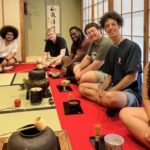
Also, the class is small—limited to 8 participants—which matters. In a bigger room, you’d spend more time waiting for help. Here, you’re more likely to get the specific correction you need when your spacing drifts.
Your workshop space in Osaka: old wood, calm focus

The setting is part of why people call the experience relaxing. One mention highlights an unexpected, beautiful interior: an older structure with wooden stairs and framework. That kind of venue changes the mood. You don’t feel like you’re in a factory lesson.
You also don’t feel rushed to perform. The workshop atmosphere is described as homely and calm. For a craft built on repeating small motions, that matters a lot. If you’re the type who gets stressed in class settings, this style of space can help you settle in faster.
And because the work is sitting-down and hands-on, the workshop doesn’t require you to be overly social to enjoy it. You’ll still meet people in the small group, but you’re busy in a good way.
Patterns and meaning: what you’re really learning
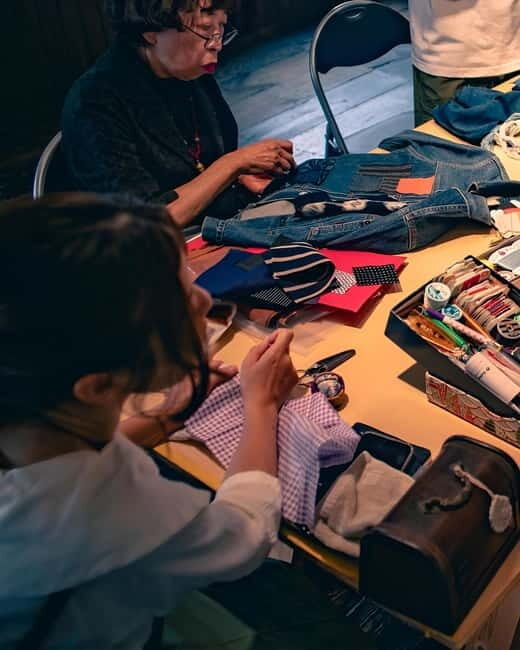
You’re not just copying a design. The class includes cultural insights about history and the significance of Sashiko patterns.
Here’s what’s valuable for you, even if you can’t memorize Japanese pattern symbolism on the first try:
The patterns teach consistency
Geometric designs force you to keep stitch placement even. When you learn to do that with Sashiko, you’re also learning a practical craft skill: how to control a repeating line.
You’ll connect the look to its roots
Since Sashiko started as mending and insulation, the technique has a practical logic. You’re making something that looks deliberate because it is deliberate. Later, regional motifs became a way to express identity, so a pattern can function like a visual signature.
You’ll get insight into the “story” of stitches
The workshop is set up so you learn that each pattern connects to Japanese heritage. That makes the coaster feel more personal: it’s not just a craft object; it’s a miniature version of a technique that evolved from everyday survival to celebrated art.
What’s included (and what you’re not paying extra for)
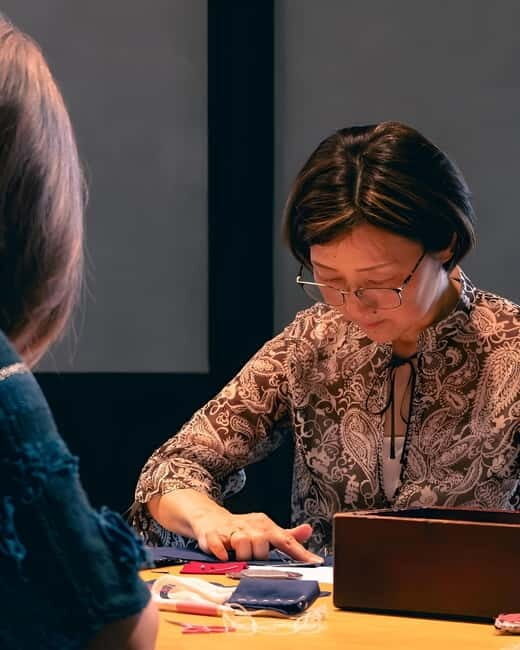
Let’s talk value, because this price is only fair if you get real materials and a real instruction setup.
At $67 per person (for a 2-hour session), the workshop includes:
- All necessary tools and materials, including fabric, needles, threads, and Sashiko-specific tools
- An experienced instructor guiding you during the workshop
- A completed Sashiko project you take home (like a coaster)
- Cultural context about the technique and pattern symbolism
What’s not included is transportation to and from the venue. That’s normal, but it matters in Osaka, because you’ll want to plan the train time.
Also note: insurance isn’t included, so if that’s part of your usual travel habits, arrange it separately.
Who should book this Sashiko class

This workshop is a strong fit if you want:
- A hands-on Japanese craft with instant results
- A beginner-friendly class where you get support as you stitch
- Something that feels meditative, not competitive
- A take-home item you made yourself (coaster-sized, manageable, and useful)
People also mention going with teens and having a positive experience, which suggests it’s accessible for a wider age range than you might expect.
It’s less ideal if you’re looking for a deep, multi-day textile course or a workshop that teaches lots of different project types. Here, the focus is tight on Sashiko fundamentals and producing a coaster-level piece.
Price and value in Osaka terms
$67 for a 2-hour craft session sounds simple, but the math changes when you list what’s included.
You’re paying for:
- Instruction (and time from an instructor)
- Sashiko-specific tools and materials
- Your take-home completed piece
- Cultural explanation that gives the craft context
If you tried to DIY Sashiko from scratch in Osaka, you’d likely spend time finding the right needles, threads, fabric, and starter kits. Then you’d still need someone to show you the stitch spacing and rhythm that makes the pattern clean. Paying for that guidance is what converts a hobby into a confident first piece.
The small group cap at 8 adds extra value too. In a small class, you’re more likely to get specific help when your stitches drift.
If you’re traveling solo, there’s a note in the setup: the workshop aims not to charge more for solo travelers, but if the minimum group number isn’t met, you may get options like an alternate date, a 3000 yen solo supplement, or a full refund. That’s worth checking when you book, so you understand how the schedule may shift.
Logistics that matter (without turning your trip into paperwork)
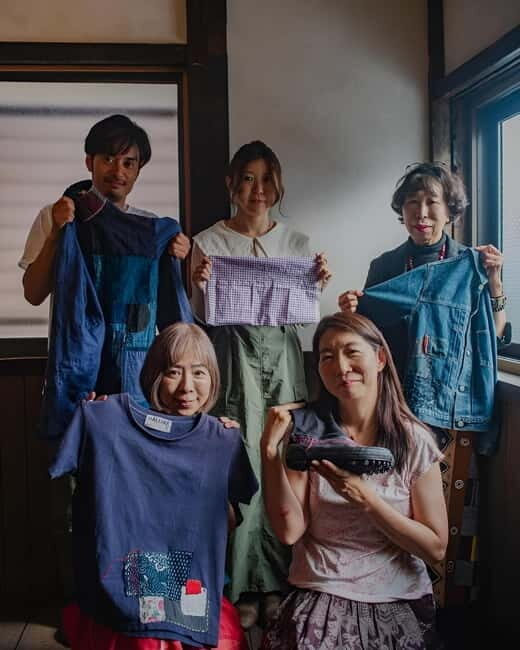
The meeting point can be arranged: with advanced notice, you can be met at Kyobashi station. That’s a helpful detail if you’re staying around central Osaka and want to avoid a last-minute map scramble.
The class language is English and Japanese, so you’re not stuck if you don’t speak Japanese. And the workshop is listed as wheelchair accessible, which is good to know if mobility is a factor for you.
Timing is also clean: the workshop is 2 hours. It’s an easy fit between other activities in Osaka, especially if you prefer one solid block of time rather than splitting your day into many short stops.
If you like planning with flexibility, the booking process offers reserve now & pay later, and cancellation is free up to 24 hours in advance for a full refund.
Should you book Osaka: Sashiko Japanese Craftsmanship Workshop?
Book it if you want a hands-on way to experience Japanese craft culture without needing prior skill. The combination of guided technique, a focused coaster project, and the chance to take home something you made is exactly what makes this class worth it for a lot of people.
Skip it if your main goal is big sightseeing hours or a long multi-project course. This is intentionally compact and skill-focused, and it works best when you’re happy to spend a couple hours with fabric, thread, and patient instruction.
If you’re the kind of traveler who likes learning one practical technique you’ll reuse later—this one is a great match.
FAQ
How long is the Osaka Sashiko workshop?
The workshop runs for 2 hours.
What will I make in the class?
You’ll create a Sashiko project, such as coasters, using geometric patterns. You’ll take the completed piece home.
What does the $67 price include?
The price includes all necessary tools and materials, instruction from an experienced instructor, and your finished Sashiko item. You’ll also receive cultural insights about the craft and pattern significance.
Do I need previous sewing or embroidery experience?
No. The workshop is designed to work for both beginners and people with some craft experience, since you’ll start with basic stitch instruction and practice with guidance.
What languages are used during the workshop?
Instruction is available in English and Japanese.
How big is the group?
It’s a small group limited to 8 participants.
Where is the meeting point, and can you meet me at a station?
With advanced notice, you can be met at Kyobashi station.
Is the workshop wheelchair accessible?
Yes, the workshop is listed as wheelchair accessible.
What if I’m traveling solo?
The workshop aims not to charge more for solo travelers, but if the minimum of 2 guests isn’t met, you’ll be offered an option such as attending on an alternate date, paying a 3000 yen solo supplement, or receiving a full refund.