REVIEW · OSAKA
Osaka: Cooking Class & Sake Tasting with Local Market Visit
Book on GetYourGuide →Operated by MagicalTrip · Bookable on GetYourGuide
Osaka’s best meals start with your own hands. I love the market visit where you pick fresh ingredients like you would locally, and the hands-on cooking that walks you through niku-sui, okonomiyaki, and gyoza with an English guide (like Chie or Emi). The only real catch: gluten-free meals aren’t available, and allergy-free cooking can’t be guaranteed.
Expect a relaxed 4-hour session in a small group capped at 7, with time to chat as you cook. I also like the sake and beer side of things—served as canned drinks alongside tea—so the meal feels social instead of purely instructional.
You’ll leave with downloadable recipes and photos emailed after the class, which makes it easier to recreate the dishes at home. One practical note: because you’ll be cutting and cooking with heat, this tour is for ages 12 and up.
In This Review
- Key highlights worth showing up for
- Starting in front of FamilyMart: the market stop that teaches Osaka shopping
- Niku-sui, okonomiyaki, and gyoza: three Osaka classics, one easy skill set
- Niku-sui: beef soup that feels like comfort food
- Okonomiyaki: the Osaka savory pancake with personal variations
- Gyoza: folding dumplings that get you laughing
- The big takeaway
- Sake tasting (plus beer) while you cook: why it works
- 4 hours, max 7 people: what the studio time feels like
- Leave with recipes and emailed photos: turning cooking class into a real dinner at home
- Price and value check: what $90 buys in 4 hours
- Who should book this Osaka cooking class (and who should rethink it)
- Great matches
- Who should consider a different option
- Should you book this Osaka Cooking Class & Sake Tasting with Local Market Visit?
- FAQ
- What dishes will I cook during the class?
- Is the tour gluten-free friendly?
- What’s included besides the cooking and lunch?
- How many people are in the group, and is the guide English-speaking?
- Where is the meeting point?
- Can I cancel and get a refund?
Key highlights worth showing up for
- A real supermarket stop so you learn what to buy (and how much) before you cook
- Three Osaka icons: niku-sui, okonomiyaki, and gyoza—taught step-by-step
- Tasting during the cooking with 3 canned drinks (alcoholic or non-alcoholic) plus tea
- Small-group energy (max 7) that keeps it friendly and interactive
- Recipes + photo follow-up sent after the experience, so you can cook again later
- Guides who bring context—from Osaka know-how to product and regional stories
Starting in front of FamilyMart: the market stop that teaches Osaka shopping
The day kicks off extremely close to transit: meet in front of FamilyMart, about a minute’s walk from the 4B Exit of Minami Morimachi Station. That matters because a lot of cooking classes start with a long commute. Here, the schedule feels tight and efficient, so you spend more time eating and less time orienting.
Then you head into a local supermarket to shop for what you’ll cook. This is more than a token photo moment. The point is that you see what’s readily available, how ingredients look in real life, and what you’d actually buy for a home-style meal in Osaka. Your guide handles the shopping plan, but you still get the “why” behind choices: what makes the beef soup comforting, what turns okonomiyaki into that Osaka-style savory pancake, and what you need for gyoza that are crisp outside and juicy inside.
If you’re the type who usually eats first and asks questions later, this market step changes your pattern. You’ll start paying attention to labels, packaging, and the kinds of sauces and seasonings that show up again and again in Japanese kitchens.
One more reason I like this setup: by the time you reach the studio, you’re not cooking from a mystery list. You’ve already seen the ingredients, so the step-by-step instructions land faster.
You can also read our reviews of more food & drink experiences in Osaka

Niku-sui, okonomiyaki, and gyoza: three Osaka classics, one easy skill set
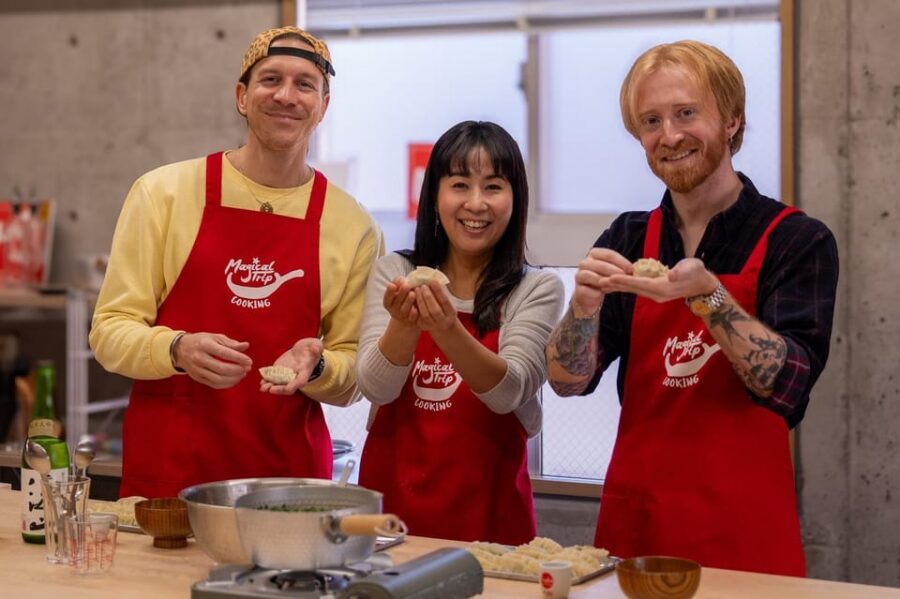
This class is built around three dishes that Osaka locals take seriously—yet each one is taught in a way that stays doable even if you’ve never cooked Japanese food before.
Niku-sui: beef soup that feels like comfort food
Niku-sui is a flavorful beef soup, and it’s one of those dishes that makes sense once you smell it simmering. The class frames it as a favorite locals eat for warmth and satisfaction, using ingredients that aren’t exotic. You’re not chasing rare items. You’re learning a method and flavor logic: savory beef, a comforting broth base, and the kind of balance that turns leftovers into something you actually want tomorrow.
For home cooking, this dish is one of the easiest to repeat because soups are forgiving. If you slightly adjust salt levels or timing, you still end up with something good.
Okonomiyaki: the Osaka savory pancake with personal variations
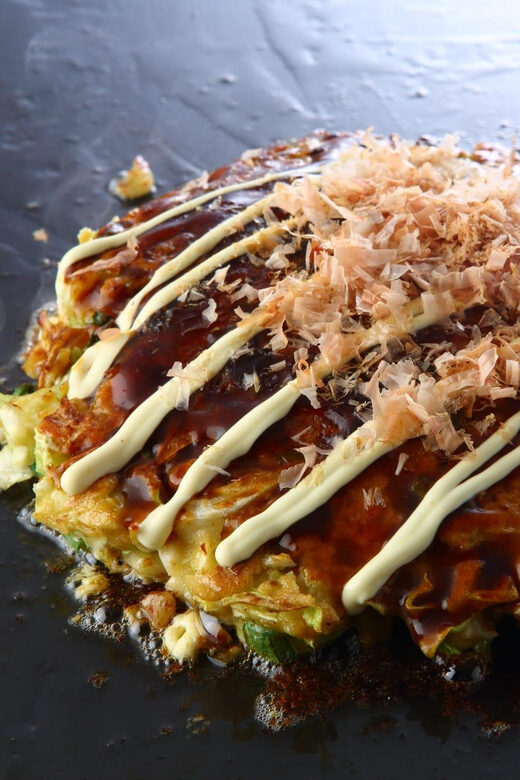
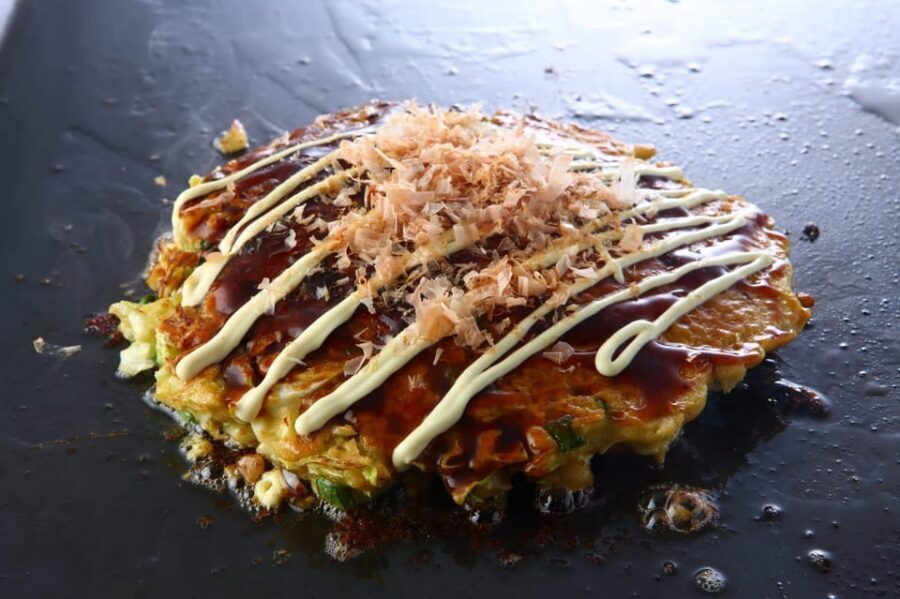
Okonomiyaki is Osaka-famous for a reason: it’s a savory pancake you can build and customize. In class, you’ll learn how to assemble it and cook it so it holds together while staying tasty.
The value here isn’t only eating it. It’s understanding why okonomiyaki has endless variations. Texture and balance matter—how toppings interact with the batter, how you manage heat, and how you aim for that satisfying savory bite. Once you’ve done it once here, you’ll be able to tweak your own version later without turning it into a whole science project.
Gyoza: folding dumplings that get you laughing
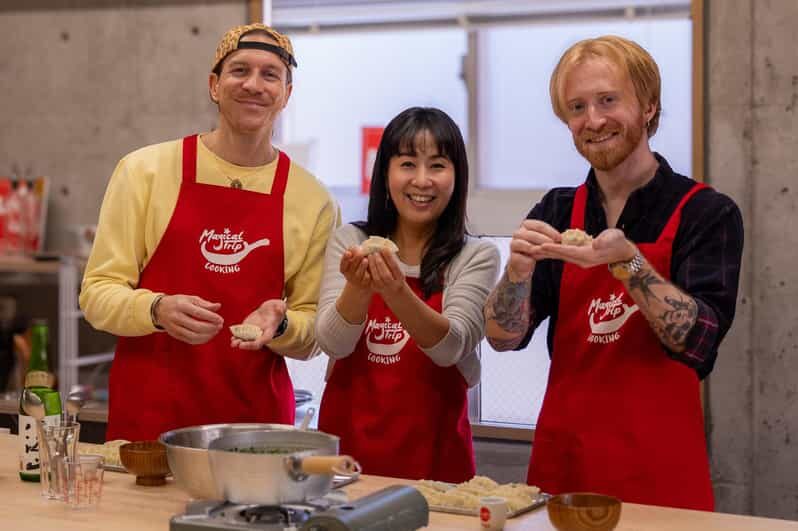
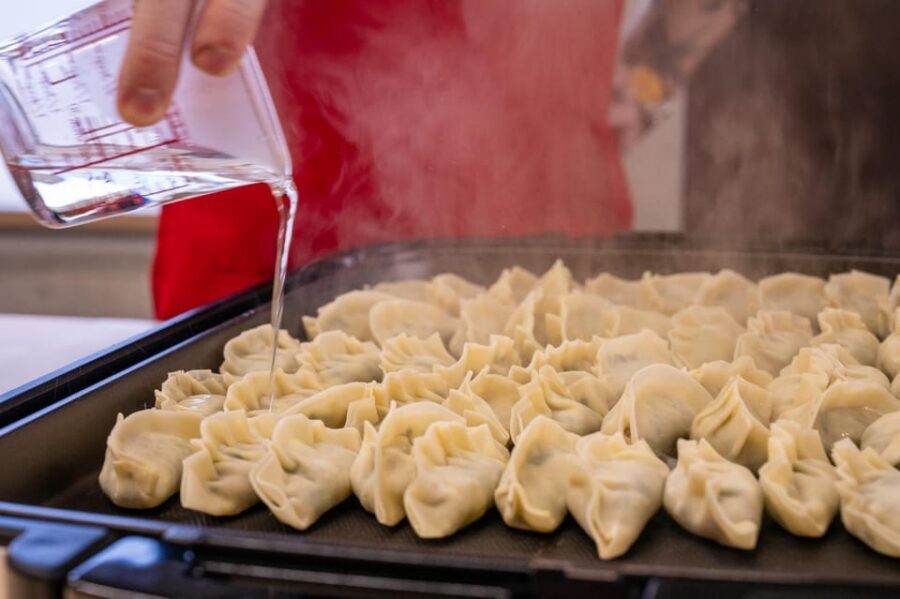
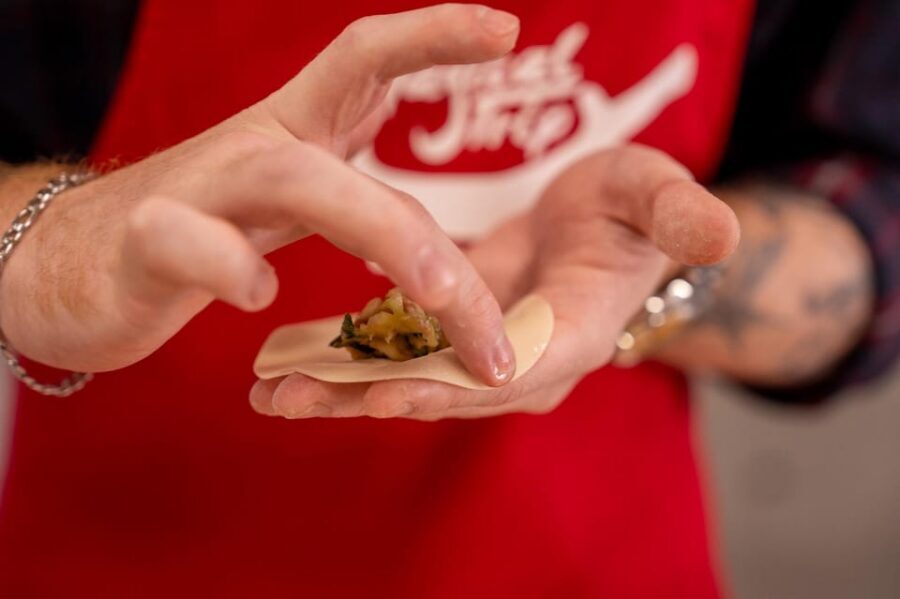
Gyoza is where the class turns interactive. You’ll be folding dumplings, and that’s where a lot of the fun comes from: it’s hands-on, a little messy, and there’s real momentum as your group tries to match the guide’s rhythm.
Even if your folds aren’t perfect the first time, you’ll still learn the practical shape cues that help gyoza cook well. Dumpling practice is also one of the best “transferable” cooking skills you can bring home—because once you understand the fold and sealing logic, you can repeat with different fillings later.
You can also read our reviews of more shopping tours in Osaka

The big takeaway
The recipes are designed to be authentic but simple, built around ingredients that are easy to source back home. That means this isn’t only an Osaka experience for one day. It’s also a template you can use for your next dinner plan.
Sake tasting (plus beer) while you cook: why it works
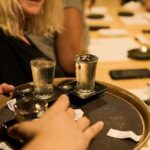
This is a food experience, not a drinking event, but you do get tastes during the cooking. Included are 3 canned drinks (alcoholic or non-alcoholic) and tea served during the experience.
The smart part is the pacing. Canned drinks keep things simple and quick, so you’re not waiting around while someone figures out pours or glassware. You can focus on the food tasks, then enjoy the conversation while you work.
You’ll also pick up cultural context from your guide. In past sessions, guides like Chie and Eri shared history and background tied to products and the regions connected to what you’re eating. That helps you connect flavors to places instead of treating everything as just taste.
And yes, some guides go the extra mile with fun details. One guide, Linda, was noted for being especially attentive and adding seasonal touches, like decorating the room with Christmas decorations. Another session included a guide making sure you could buy sake too, if that’s something you want to continue after the class.
4 hours, max 7 people: what the studio time feels like
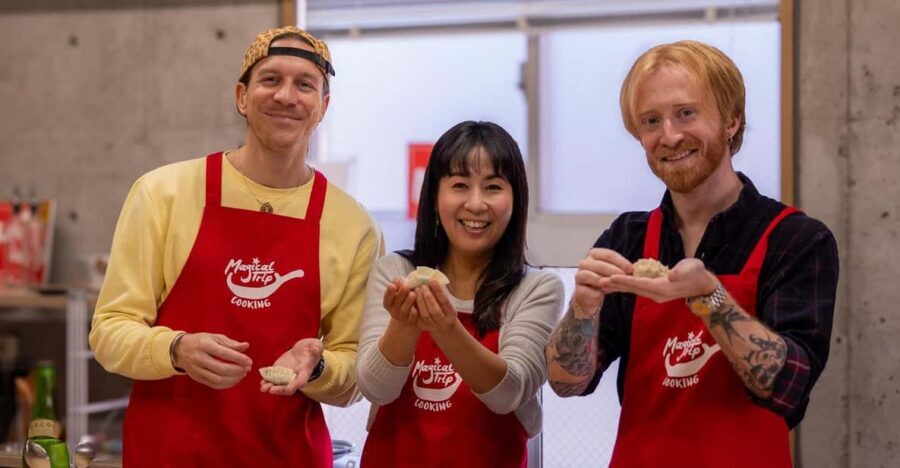
The class runs 4 hours and keeps a small group size (limit 7). That combination matters. You’re not standing in a long line watching someone else cook. You’re working at your own station with clear step-by-step guidance.
No cooking experience? No problem. The guide’s job is to make the process understandable, from prep to timing. You’ll get guidance while you’re cutting, mixing, assembling, and cooking—so the learning stays practical.
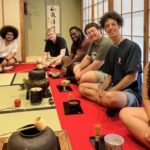
The group setup also encourages conversation. Several guides were praised for being friendly and chatty, with Q&A that went beyond the recipes into city and culture tips. People also mentioned that the mood stays calm and enjoyable, not stressful. One session even included choices around background music, which makes the time feel more like hanging out than following a script.
A small caution: because cooking involves cutting and heating, you’ll want to wear clothes that can handle a bit of kitchen chaos. Also, late arrivals can’t be accommodated, so plan to reach the meeting point a little early.
Leave with recipes and emailed photos: turning cooking class into a real dinner at home
This is where the class earns repeat value. You don’t just take home a full stomach.
You’ll receive:
- Downloadable recipes after the tour
- Tour photos taken by your guide and sent later by email
- Enough know-how to remake the dishes with ingredients you can realistically find later
That download feature is practical. Recipes let you recreate your exact steps instead of guessing what you did right or wrong. Photos add another layer: you can match your end result to what you saw in class.
If you like cooking, this follow-up can become your next project back home. If you don’t, it still helps—you’ll have a clear path to a few Osaka-style meals rather than relying on ordering takeout and hoping it matches.
One more reason this matters: kitchens at home often don’t mirror Japanese cooking tools perfectly. A guide-led class helps you understand which steps are essential for flavor and which ones are flexible. Once you know that, you can adapt without ruining the dish.
Price and value check: what $90 buys in 4 hours
At $90 per person for a 4-hour experience, the value depends on what you count as “worth it.”
Here’s what you’re getting for the price:
- A cooking experience and lunch
- All ingredients included
- 3 canned drinks plus tea
- An English-speaking local guide
- Small-group format (max 7)
- Recipes after the class and photos emailed afterward
That’s not just instruction. It’s a full meal plan plus coaching plus ingredients plus a cultural layer. If you’ve ever tried to recreate Japanese dishes at home without knowing where key ingredients and methods fit in, you know the hidden costs add up fast—time spent searching, trial-and-error, and wasted food.
The trade-off is also clear: gluten-free support is limited. Gluten-free options are unavailable, and allergy-free meals can’t be guaranteed because food is prepared in external kitchens. If you need strict dietary control, this might not be the best fit.
Also, the class is focused on learning three dishes. If you want a longer session, more practice time, or extra variations, you might find 4 hours a bit short. Still, for most people, it hits the sweet spot: enough hands-on work to remember what to do next time.
Who should book this Osaka cooking class (and who should rethink it)
This experience fits well if you want an Osaka food day that’s active, social, and structured.
Great matches
- You like cooking or want to learn a few dishes you can actually repeat
- You want more than a meal—something that teaches method and ingredient sense
- You’re traveling solo, as a couple, or with friends and want a small-group vibe
- You’re okay with cooking steps involving cutting and heat
The class is also open to people who don’t eat meat or who avoid certain foods:
- Vegan and vegetarian participants are welcome.
- You’ll need to inform the operator of dietary needs or allergies at least one day in advance (same-day requests can’t be accommodated).
Who should consider a different option
- If you need gluten-free, this isn’t set up for you. Gluten-free options are unavailable.
- If you have mobility issues, the class may include locations that are not reachable by wheelchair or stroller. In those cases, you’ll likely want a private tour instead.
Should you book this Osaka Cooking Class & Sake Tasting with Local Market Visit?
I’d book it if you want a hands-on Osaka food lesson that’s built around practical recipes, a real ingredient shopping stop, and a fun cooking environment with tastes included.
It’s especially worth it if you care about learning the “how,” not only eating the final plate. The downloadable recipes and emailed photos make it easier to turn the experience into something you repeat at home instead of leaving it behind after one meal.
Skip it if gluten-free needs are strict or if allergy safety is your top requirement. The class can’t guarantee allergy-free meals, and gluten-free options aren’t offered.
If you’re flexible, hungry, and ready to fold dumplings, this is a solid way to spend 4 hours in Osaka with a guide who brings the city into the kitchen.
FAQ
What dishes will I cook during the class?
You’ll cook iconic Osaka dishes including niku-sui (beef soup), okonomiyaki (savory pancake), and gyoza (dumplings).
Is the tour gluten-free friendly?
No. Gluten-free options are unavailable. You’ll also want to inform the organizer about allergies at least one day in advance, since same-day allergy requests can’t be accommodated and allergy-free meals can’t be guaranteed.
What’s included besides the cooking and lunch?
In addition to the cooking experience and lunch, the tour includes all ingredients, tea, and 3 canned drinks (alcoholic or non-alcoholic). You’ll also get tour photos taken by your guide and sent by email, plus downloadable recipes after the tour.
How many people are in the group, and is the guide English-speaking?
It’s a small group limited to 7 participants, led by an English-speaking local guide.
Where is the meeting point?
Meet in front of FamilyMart, about a 1-minute walk from the 4B Exit of Minami Morimachi Station.
Can I cancel and get a refund?
Yes. You can cancel up to 24 hours in advance for a full refund. The booking also offers a reserve now & pay later option.