REVIEW · OSAKA
Kuromon Market Food Walking Tour in Osaka (6 stops, 6 tastes)
Book on Viator →Operated by MagicalTrip Inc. · Bookable on Viator
Osaka food plans get easier when someone else handles the map. This Kuromon Market food walking tour strings together six stops in Minami, with six tastings and local guidance so you can eat well and shop smarter. You also get a side tour feel through Namba and Dotonbori, plus a pass by Doguyasuji for kitchenware browsing.
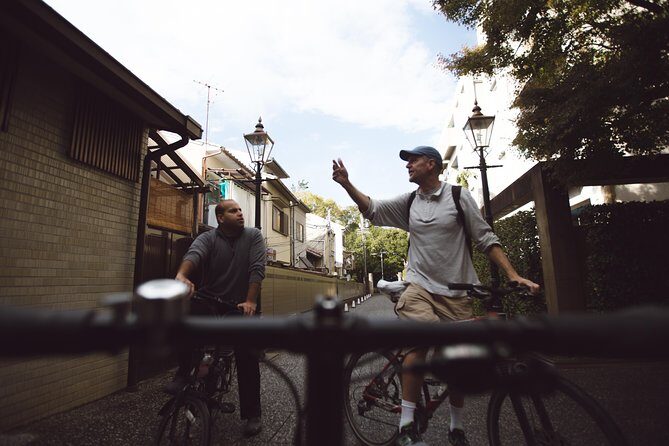
Two things I really like: first, the format is built for momentum. You start at Kuromon, walk between nearby spots, and keep moving without the awkward pauses of figuring things out alone. Second, the guides focus on practical culture—how Osaka eats, how to order with less stress, and where to look so you avoid the most obvious tourist-marketed traps.
One consideration: this is not a massive buffet-style tasting marathon. A couple of dishes can be small, and if you have strong dietary needs, options may be limited, so it’s smart to plan your expectations around a short, guided sampler rather than a full meal plan.
In This Review
- Key takeaways before you go
- Kuromon Market as your Osaka food reset
- Price and the value of six tastings in 2 hours
- Meeting at Nippon-bashi: start on time and you’ll glide
- Kuromon Market stop: where the food choices actually make sense
- What to watch for at Kuromon
- Doguyasuji street: buy kitchenware like you live here
- Nanba Grand Kagetsu and the comedy-theater vibe
- Namba and Dotonbori passes: get the lay of the lights
- Guides matter: pacing, English help, and real local context
- Dietary needs and allergies: plan smart, and ask early
- What to bring, and how to handle Osaka weather
- Who this Kuromon tour fits best
- Should you book the Kuromon Market food walking tour?
Key takeaways before you go
- Six stops, six tastings: you get enough variety to make the next day’s self-guided eating easier.
- Kuromon Market is the anchor: the walk starts where the action is and where you can spot quality fast.
- Doguyasuji street adds real shopping value: kitchenware and tableware browsing fits Osaka’s reputation for food-focused culture.
- You’ll pass iconic entertainment zones: Nanba Grand Kagetsu, Namba, and Dotonbori give context for the night-scene energy.
- Small group size up to 7: easier questions, smoother pacing, and better ordering help.
- Guides help with language and more than food: you’ll often hear history, plus tips for what to do after the tour.
Kuromon Market as your Osaka food reset
If you only have one or two chances to eat in Osaka’s Minami area, I think this tour nails the setup. Kuromon Market is the kind of place where you can accidentally wander for hours and still miss the best stuff—especially if you do not read the menu signs quickly. A guide helps you move straight to what matters.
You also get a “learn while you eat” rhythm. While you’re tasting, you’re hearing why Osaka snacks look the way they do, why certain items are popular here, and what to ask for when the shop is busy. It makes the market feel less random and more like a system.
You can also read our reviews of more walking tours in Osaka

Price and the value of six tastings in 2 hours
At $50.41 per person for about 2 hours, you’re paying for three things: local ordering help, curated food stops, and time saved. You also get a small group experience (up to 7 travelers), which usually means less waiting in line and more attention at each stop.
The “six tastings” promise is key for value. This isn’t six full-size meals, so you should treat it like a sampler that gives you proof of what you like—together with recommendations for what to come back for on your own. If you’re the type who wants variety without committing to one dish all day, this works well.
One more value point: the tour includes more than food. Passing by Namba and Dotonbori gives you context for the big billboards and the nightlife layout, and Doguyasuji adds a practical shopping lane if you want Osaka-style kitchen gear.
Meeting at Nippon-bashi: start on time and you’ll glide

The meeting point is in front of the SMBC ATM at Nippon-bashi 1-chome, near Kintetsu Nippon-bashi Station (Exit 10). There’s also a listed address reference for the exact spot, and the activity ends back near where you start.
I suggest arriving a little early, not because it’s dramatic, but because the tour starts on time. If you miss the group start, the policy notes you cannot join late (and you would not get a refund or reschedule). Osaka walking tours move fast, and the guide is working off timing to hit each stop with enough energy.
Also keep in mind you’ll likely do a lot of short walks between places. Comfortable shoes are not optional, especially if the weather turns humid or rainy.
Kuromon Market stop: where the food choices actually make sense
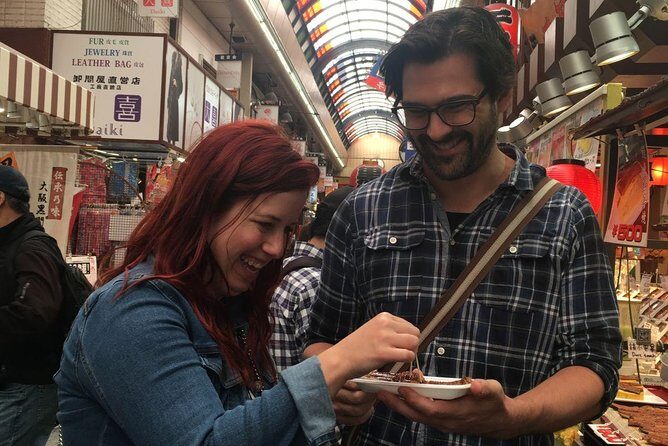
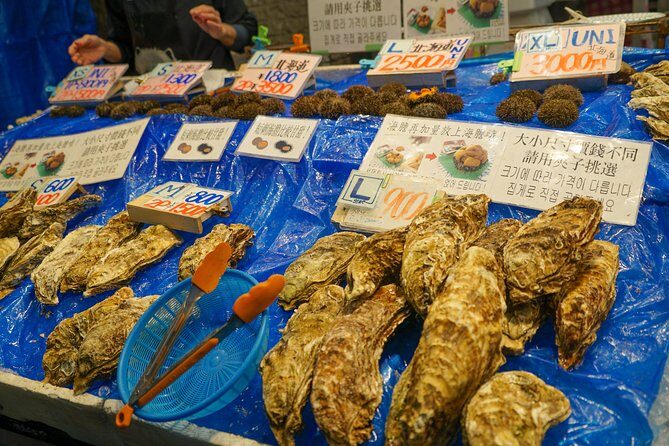
Kuromon Market is in Minami, the center of Osaka’s eat-and-shop scene. The market’s name comes from a black mountain gate at Enmyoji Temple, and that kind of detail is part of why a guided route helps. You’re not just grabbing snacks—you’re learning how the area became known for food.
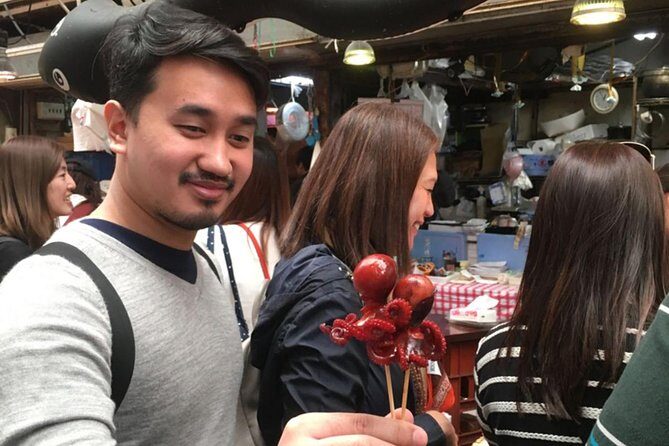
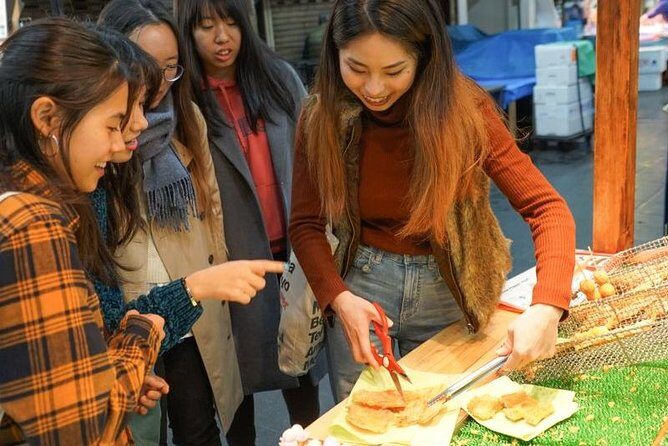
What you’ll likely taste depends on the day and your group needs, but the tour is designed around Osaka classics. Takoyaki is specifically mentioned as a must-try. I like that the tour isn’t just listing famous items; it’s guiding you through the market in a way that reduces the stress of sorting out which stall is worth your time.
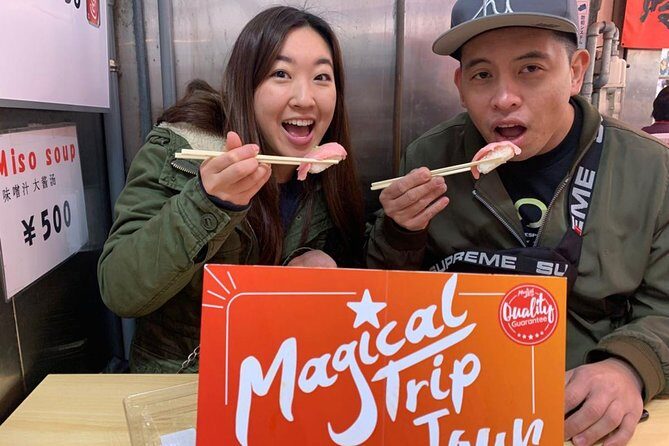
A practical benefit: your guide can help you order correctly, especially when menus are overwhelming. In reviews, guides like Nina and Taku are praised for English support, ordering help, and good pacing, which is exactly what you want in a high-signal market where lines can form quickly.
What to watch for at Kuromon
- Bring cash for extra snacks and drinks you decide to add. The tour covers the guide’s food, but you pay for anything you want beyond the included tastings.
- If you’re picky, tell your guide early. The better they understand your preferences, the better the route makes sense.
You can also read our reviews of more food & drink experiences in Osaka

Doguyasuji street: buy kitchenware like you live here
One standout part of this experience is the inclusion of Doguyasuji street, a lane known for kitchenware, tableware, and cooking equipment. This is one of those Osaka-details that adds depth: you’re seeing the “food culture” layer, not just the “food to eat” layer.
I really like this section because it changes how you remember Osaka. After tasting street food, it’s fun to also shop for the tools behind it—things like utensils, pots, and serving items that match the way Japanese cooking is approached. Even if you do not plan to buy anything big, you’ll learn what locals use and what shops specialize in.
If you’re traveling with a luggage plan, this is also where you can decide what’s worth bringing home before you commit. Since Doguyasuji is focused on practical items, you’ll often find it easier to compare quality and price than in souvenir-heavy shopping areas.
Nanba Grand Kagetsu and the comedy-theater vibe
After Kuromon, the route shifts into the entertainment spine of Namba. The tour includes a pass by Nanba Grand Kagetsu, a comedy and comedy theater run by Yoshimoto Kogyo.
You’re not going to see a full performance here; it’s more of a “put it on the map” moment. Still, it helps you understand why this part of Osaka feels different from quieter shopping streets. Comedy culture is part of modern Osaka identity, and Yoshimoto’s presence is a strong clue that entertainment is not a side dish—it’s a main course.
In a city where neon and signs can blur together, having a guide connect the location to the story makes the walk more memorable.
Namba and Dotonbori passes: get the lay of the lights
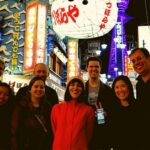
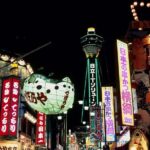
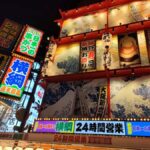
Namba is described as a high-energy entertainment district, with major commutes funneling people through. Dotonbori is famous for oversized 3D billboards—like the Shochikuza Theater, Kani Douraku, and the Glico sign—and it’s one of the quickest ways to feel Osaka’s night-world.
What I like about passing Dotonbori during a daytime or early evening-focused walk is that it frames the area. After you’ve eaten, you’re better prepared to navigate on your own—where to stand, which lanes lead where, and how the signs guide you.
In reviews, guides are also credited with helping solo travelers with practical things like photos and direction. That matters here because Dotonbori is a sign maze; a little guidance early saves time later.
Guides matter: pacing, English help, and real local context
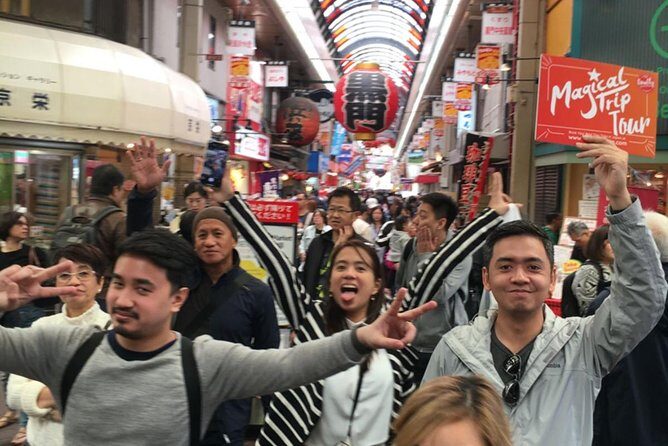
This tour’s reputation is strongly tied to the guides. Names that come up often in feedback include Nina, Yuto, Rie, Niko, Megumi, Taku, Aya, and Aina. Across these experiences, the common thread is simple: good pacing and helpful interaction.
Here’s what that means for you on the ground:
- You’ll get help communicating at stalls and ordering food with less guesswork.
- You’ll hear stories that connect the dishes to Osaka life, not just generic facts.
- You’ll have someone watching the group flow, which is important when you’re weaving through busy market aisles.
Some reviews also mention small care touches like hand wipes for messier food moments. That’s the kind of detail that makes the tour feel thoughtfully run, even if you are not the type to notice service at first.
If you’re a family traveling with kids, the guide energy seems to be a big factor too. Multiple comments praise guides for working well with children and maintaining an easy rhythm for questions.
Dietary needs and allergies: plan smart, and ask early
Diet is the tricky part of eating tours. The tour info states that gluten-free requests are unable to be accommodated, but it also says vegetarian, vegan, and gluten-free requests may be possible with limited options. To me, that signals the menu is mostly local restaurant-based and not fully engineered for special diets.
So here’s the practical approach:
- If you need vegetarian or vegan options, you should inform the operator at least one day before.
- If gluten-free is your requirement, do not assume you’ll be covered. The posted notes include limitations, and there’s no guarantee of allergy-free meals.
- You should expect that allergy handling is not perfect because food may be prepared in kitchens you are not controlling.
If dietary needs are serious, I’d treat this tour as a chance to eat with guidance, not as a guarantee of safe substitutions. Bring that mindset and you’ll enjoy it more.
What to bring, and how to handle Osaka weather
Japan’s climate can swing hard. The tour info notes summer temperatures can reach up to 40°C (110°F), and winter lows can drop to -5°C (20°F). That means your comfort depends on timing and what you pack.
I’d bring:
- Comfortable walking shoes
- A small umbrella or rain layer if the forecast looks wet
- Cash for extra snacks and drinks beyond the included tastings
- Any personal wipes or hand sanitizer if you tend to get messy when you eat street food
Since the tour covers market lanes and entertainment streets, you’ll be on your feet for most of the experience.
Who this Kuromon tour fits best
This tour works especially well if you want:
- A short, efficient way to understand Osaka’s food scene in Minami
- Help ordering when language is a barrier
- A mix of eating and light sightseeing without a long day plan
- A small group walk where you can ask questions and not feel rushed
It can also suit families. The tour info says all ages are welcome, and feedback mentions guide skills that work with young kids.
If you’re the type who loves researching on your own and building a self-guided itinerary, you might question whether tastings plus guide context are worth it. But if you’d rather save time and eat with confidence, the structure is doing the heavy lifting for you.
Should you book the Kuromon Market food walking tour?
I think you should book this if you want a guided start to Osaka’s street food world. The Kuromon Market anchor makes it practical, and the mix of Doguyasuji shopping context plus Namba and Dotonbori passes helps you understand where things fit in the city.
You might skip it if you’re hunting for a long list of massive portions or if you need strict gluten-free certainty. In those cases, the dietary notes and tasting-based format may not match what you’re imagining.
If you do book, do one thing that pays off immediately: tell your guide what you want to eat (and what you can’t). That’s when the tour turns from just a walk into a route that feels made for you.