REVIEW · KYOTO
Kyoto: Private Walking Tour with a Local
Book on GetYourGuide →Operated by Lokafy · Bookable on GetYourGuide
Kyoto makes more sense with a local friend at your elbow. This private Lokafy walking tour is built around you, with your route shaped on the fly instead of a rehearsed script.
I love two things right away: the chance to steer the day through conversation, and the way guides help you dodge the worst crowds by sending you to quieter corners and alternate viewpoints. One heads-up: it’s a walking tour, and costs like entrances and getting around by taxi or transit at your own expense can add up if you pack in extra stops.
In This Review
- Key things to know before you go
- Why this Kyoto private walk feels more human than a standard tour
- 3 to 6 hours on foot: what the day usually feels like
- Getting started: pickup from your hotel or a central landmark
- Building your route: temples, markets, cafés, and street culture
- A note on entrance fees and extra stops
- How guides turn Kyoto into real guidance, not just photos
- Food and shopping: where locals point when they’re not trying to impress you
- Communication that actually works: English, Spanish, German
- Wheelchair access and traveling with kids, handled with common sense
- Price and value: what $82 buys you in Kyoto
- Who should book this Kyoto private walking tour
- Should you book it?
- FAQ
- How long is the Kyoto private walking tour?
- Is this a private tour or a group tour?
- What languages are the guides available in?
- Where can pickup happen?
- What’s included in the price?
- What’s not included?
- Can I request a specific time for the tour?
Key things to know before you go
- Route shaped around your interests, not a fixed checklist
- Off-the-main-trail temples and shrines that help you escape peak crowds
- Real local food and shopping suggestions, including small spots outside the standard map
- A friendly, flexible guide experience in English, Spanish, or German
- Pickup from a centrally located landmark, or a set meeting point if that’s easier
Why this Kyoto private walk feels more human than a standard tour

Kyoto can be overwhelming fast. The streets look postcard-perfect, but the city’s rhythm, etiquette, and “where do I go next?” questions are what actually make or break your day. This tour’s big advantage is that it treats those questions as the main event.
Instead of a group lineup and a scripted script, you get a private walking tour with a local who tailors everything to your vibe. That means the day can shift from orientation to wandering to deep cultural context depending on what you care about. You might want street-life and small photos. You might want calm temples. You might want practical guidance on how to move around. The tour is designed to meet you there.
The local connection is more than comfort—it’s information quality. When your guide is from the neighborhood, tips come with context: what time something feels less crowded, how locals think about a place, and how to order or shop without turning it into a guessing game. In guides’ own words through their past tours, the common theme is simple: you’re not being dragged around. You’re being guided.
You can also read our reviews of more walking tours in Kyoto


3 to 6 hours on foot: what the day usually feels like
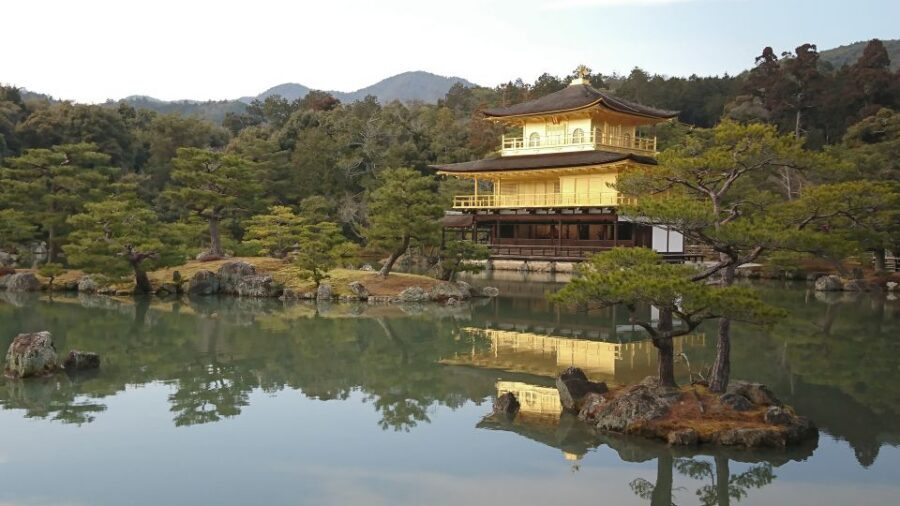
Your day runs 3 to 6 hours, and the pacing is flexible because it’s customized. Expect a classic walking-tour structure with a few adaptable beats:
You’ll start with pickup and a quick meet-up, then move into walking with a photo stop or two along the way. The goal here isn’t to “collect landmarks.” It’s to get your bearings and understand how neighborhoods connect, so later on your own you can pick routes that feel natural.
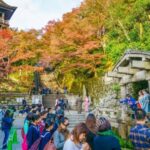
From there, the tour typically blends guided sightseeing and walking through areas that match your interests. One guide experience that came up more than once: taking people to temples and shrines outside the main tourist pull, especially when Kyoto’s autumn crowds can get intense. Even when you’re seeing big-name places, the value is often in the timing, the side streets, and the order you see things.
You also have options if your legs start bargaining with your brain. During the walking portion, you can choose public transportation or a taxi to get around at your own expense. And if you want, you can advise that you prefer a private car included. This matters because Kyoto is best enjoyed with fewer “backtracking loops,” and that’s exactly what a good local plan helps you avoid.
Getting started: pickup from your hotel or a central landmark
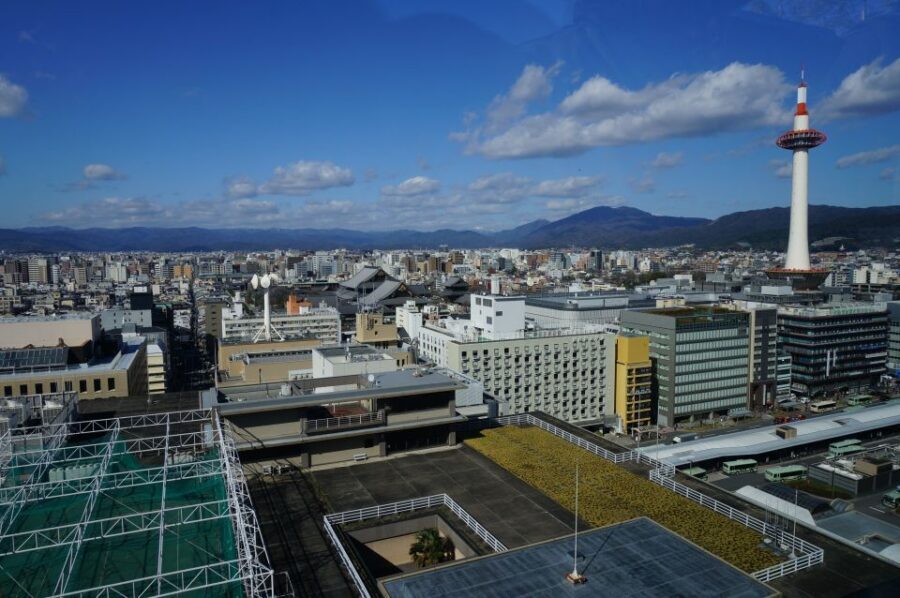
One of the easiest parts of this experience is that you don’t have to navigate a meet-up hunt at an end-of-the-line subway station. You can begin right from your hotel lobby or just outside your Airbnb, as long as it’s within the city center and tied to a centrally located landmark or intersection.
If you prefer a fixed meeting point, there are two pickup location options listed. One is MACCHA HOUSE Kyoto Kawaramachi, and the other is a specific city-office address in Kyoto.
Practically, this setup is a win for first-timers and for anyone staying somewhere slightly off the main tourist stream. Less time figuring out where to meet means more time walking Kyoto like it belongs to you.
Building your route: temples, markets, cafés, and street culture
Here’s the heart of the experience: you’re not locked into a single itinerary. You tell the guide what you want, and they build a route around it.
You can lean toward major Kyoto landmarks, or you can aim for atmosphere and less-crowded experiences. For example:
- One itinerary example from a past tour included hiking up Fushimi Inari Shrine and visiting Higashi Honganji Temple, plus time at Nishi Market. That’s a great combo if you want both iconic sights and everyday street energy.
- Another guide experience highlighted an autumn-season plan that included a temple not on the main tourist trail, a real strategy for escaping crowd crush while still getting temple beauty.
- If you’re into cultural corners beyond the usual photos, guides have also matched people with interests like Japanese netsuke, including follow-up help on a museum exhibition and an antique shop for that kind of collecting.
The tour can also swing toward simpler pleasures. Some past experiences mention being led to a courtyard café locals adore, or a favorite restaurant in a village next to the river. Other guides have pointed guests toward street-level culture like street art and cultural details you’d easily miss if you’re just following big signboards.
A smart way to use this customization: come with a short list of three things.
1) One “must-see” (even if it’s just a feeling, like temples at a calm pace)
2) One “I’m curious” theme (food, craft, gardens, street art, markets)
3) One “avoid” item (crowds, long lines, too much transit, etc.)
That’s how you get the kind of day where the route matches you instead of you fighting the route.
A note on entrance fees and extra stops
Entrance fees aren’t included, and if you add an attraction visit, you’ll need to cover the cost of entrance for the local guide as well. Also remember meals and drinks aren’t included, and transportation around the city is optional at your expense. This isn’t a deal-breaker—it just means you should decide early how “full day” you want it to be.
You can also read our reviews of more private tours in Kyoto



How guides turn Kyoto into real guidance, not just photos
In a great Kyoto day, you should learn how locals move through the city. This tour leans hard into that.
A few practical examples from past guide experiences:
- Guides have helped guests navigate public transport, even by preparing meeting details so you don’t waste time hunting.
- One guide helped with a supermarket run, which sounds small until you realize how much smoother “daily life” feels when someone shows you how to do it.
- If you’re traveling with family, patience is part of the service. One guide was mindful with a baby, and others supported kids with language practice or made the day comfortable without pushing too hard.
And then there’s the human stuff that makes Kyoto feel warmer. Several guides described their own style through their tours: humor, friendliness, and a clear effort to match the mood. Some even sent guests researched follow-up info afterward, like museum exhibition details and antique shop suggestions related to interests like netsuke.
That last part is underrated. Kyoto is full of things you’ll want to look up after you walk past them. Follow-up info can help you turn a single afternoon into a longer stay of meaningful exploring.
Food and shopping: where locals point when they’re not trying to impress you
Kyoto’s food scene is huge, but the real value of a local guide is how they interpret what you might enjoy. The tour includes local guidance, and that often shows up in two ways: where you eat and what you look at while shopping.
Some past experiences included a guide taking guests to a favorite restaurant with standout sashimi, and other moments included finding a small café spot that became a go-to during the rest of the trip. There’s also a practical shopping angle: helping you understand what to buy, where to go, and how to handle simple logistics without stress.
If you’re the kind of traveler who enjoys strolling through markets, you’ll likely love the way guides connect markets with the surrounding neighborhood rhythm. It’s not just “go here, eat this.” It’s “here’s what this area feels like, and here’s how it fits into your day.”
One practical tip for you: ask your guide for a quick “next meal plan” early in the walk. Even if you don’t eat immediately, a local suggestion can save you later when you’re tired and decisions start getting messy.
Communication that actually works: English, Spanish, German
This tour is available with live guides in Spanish, English, and German. That sounds basic, but it matters in Kyoto because the best parts aren’t facts on a sign. They’re small explanations—why something matters, how people behave there, and how to make choices without stumbling.
The past guide experiences show a consistent pattern: friendly guidance and willingness to adjust. Nicolo was described as helpful and accommodating. Agustin was praised for taking guests to a temple off the tourist trail and for emailing extra researched suggestions on interests like Japanese netsuke. Maha stood out for mixing local knowledge with humor, and for care with family logistics.
In other words, this isn’t “tour guide voice.” It’s conversational. You’ll get more value if you treat it like a discussion: ask questions, share what you’re curious about, and let the guide steer the details.
Wheelchair access and traveling with kids, handled with common sense
Kyoto can be tricky on uneven sidewalks, and this tour is listed as wheelchair accessible. One past experience even highlighted a guide researching and preparing for limited mobility with an excellent match of route and pace.
For families, children under 3 join free, and kids between 3 and 12 get a 50% discount. That can make a private guide feel more manageable when you want comfort and flexibility instead of squeezing into a group experience.
Still, remember it’s fundamentally a walking tour. The best approach is to tell the guide your pace needs up front, and to confirm where transit or taxi shortcuts make sense for your group.
Price and value: what $82 buys you in Kyoto
At $82 per person for a private 3 to 6 hour walk, you’re not paying for a checklist. You’re paying for customization, responsiveness, and a local who plans your day like it’s their own visitor request.
Here’s what’s included: a local guide and a customized private walking tour. Here’s what’s not included: entrance fees, meals and drinks, personal expenses, and city transit (unless you choose to use it at your expense).
So the value depends on how you use the tour:
- If you use it as an orientation day and let the guide craft the most efficient, less-crowded route, $82 can feel like a bargain because it reduces wasted time later.
- If you pack in multiple ticket attractions, meals, and extra transport, the total day cost rises. That’s normal, but you should plan for it.
For most people, the sweet spot is using the guide to get the first “shape” of Kyoto right—where to go, how to move, what to prioritize—and then carrying that momentum into the rest of your trip.
Who should book this Kyoto private walking tour
This tour is a strong fit if:
- You’re a first-time visitor and want fast, human orientation rather than just photos.
- You’re a repeat Kyoto visitor and want new angles like side streets, calmer temples, and different food stops.
- You prefer real conversation over rehearsed facts and want the day shaped around your mood.
- You have specific interests (temples, markets, street culture, craft details like netsuke) and want someone to translate those interests into a workable route.
- You’re traveling with kids or have mobility needs and you want a guide who can respond.
It may be less ideal if you want a rigid, time-boxed itinerary with no decision-making. Since the tour is customized, you’ll get the most from it by giving clear priorities.
Should you book it?
I’d book this Kyoto private walking tour if your goal is to leave with a feeling of connection to the city, not just a stack of landmark photos. The best part isn’t the walking—it’s the guidance: how to find quieter temples, how to choose food, and how to navigate Kyoto with less stress.
If you know exactly what you want and you communicate it clearly, you’ll likely get a day that feels personal. If you want something totally fixed and schedule-proof, you may feel the customization drag a bit.
The practical takeaway: this tour works best as your “set the tone” afternoon. Use it to get your bearings, learn what to chase (and what to skip), and then spend the rest of Kyoto exploring with confidence.
FAQ
How long is the Kyoto private walking tour?
The duration is listed as 3 to 6 hours. Starting times depend on availability.
Is this a private tour or a group tour?
It’s a private group experience, with no groups. The itinerary is tailored to you.
What languages are the guides available in?
Guides are available for live tours in Spanish, English, and German.
Where can pickup happen?
Pickup can start from your hotel lobby or just outside your Airbnb, as long as it’s within the city center and near a centrally located landmark or intersection. There are also listed meeting-point options including MACCHA HOUSE Kyoto Kawaramachi.
What’s included in the price?
The price includes a local guide and a customized private walking tour.
What’s not included?
Entrance fees, meals and drinks, transportation around the city, and personal expenses aren’t included. If you add an attraction, you’ll also need to cover the cost of entrance for the local guide.
Can I request a specific time for the tour?
Yes, you can request a specific time for this tour.