REVIEW · TOKYO
Tokyo Customized Private Walking Tour With Local Guide
Book on Viator →Operated by Japan Discovery Squad · Bookable on Viator
Tokyo can feel like a giant puzzle at first. This private tour turns it into a plan you can actually use, with a local guide who builds your day around your interests and timing. I like the custom itinerary part most. I also really value the hotel pickup and the way the guide mixes walking with public transit so you don’t waste time. One possible drawback: you’re paying for planning and guidance, so you’ll still cover things like food, entrance fees, and train fares.
When I think about why these tours work, it’s the human touch. Guides such as Kwan and Sumire explain how to act at shrines and temples, help you handle everyday logistics like transit passes on your phone, and point out photo-worthy details without turning it into a checklist. If your day is short—or you just want a smooth first experience—this format makes Tokyo feel manageable fast. The main consideration is weather: the tour requires good conditions, and if plans change, you’ll need to roll with a new date or refund.
If you want a day in Tokyo that feels like it has a direction—anime streets in the morning, a calm shrine stop after, then a final view and lunch—it’s hard to beat a private, customizable walking tour built for real people.
In This Review
- Key highlights you’ll feel right away
- Why this tour format works in Tokyo
- What you’ll get that you won’t get on your own
- Building your day: how customization actually helps
- A quick reality check on the time window
- Getting picked up and then moving like a local
- Why this pacing is good value
- Temples and shrines: the etiquette part you’ll actually use
- The best part
- A realistic drawback
- Akihabara, Shibuya-style streets, and the Tokyo you want to see
- Quirky stops exist if you ask for them
- City views and big-photo stops (Tokyo Tower, observatories, and beyond)
- Trade-off to know
- Food and lunch: how a guide saves you from restaurant roulette
- The drawback: you still pay for food
- What’s included, what isn’t, and how to budget smart
- How I’d budget for a first-timer day
- When to book and how weather affects your plan
- How to choose your ideal 2 to 8 hour route
- If it’s your first day and you want orientation
- If you want shopping and pop culture
- If you only have a layover window
- Should you book this private customized walking tour?
- FAQ
- How long is the Tokyo Customized Private Walking Tour?
- Is this tour private or shared?
- What does the tour cost?
- Will I be picked up from my hotel?
- Is public transportation used during the tour?
- Are attraction entrance fees included?
- Do you customize the itinerary?
- When do guides contact you to plan the route?
- What’s not included besides entrance fees?
- What happens if the weather is bad?
Key highlights you’ll feel right away
- 2–8 hours you control: short orientation day or a longer, neighborhood-hopping route.
- Private means your group only: no awkward “sit where you can” dynamics.
- Hotel pickup included: less stress than hunting down a meeting point in a new city.
- Local guide-led planning: they contact you ahead to shape the route to your interests.
- Walking plus public transport: better pacing than walking everything, better value than private cars.
- Culture and daily life, not just sights: shrine etiquette, transit tips, and practical know-how.
Why this tour format works in Tokyo
Tokyo has two speeds: the parts you can enjoy immediately, and the parts that drain your energy while you figure them out. This kind of private walking tour is designed for the second speed—your first trip, your jet-lag brain, your “where do I even start?” moment.
Because it’s customizable, you’re not stuck on a preset loop. You can choose what matters most: shopping, neighborhoods, history, street life, or a mix. A good guide does the real job here: translating your preferences into a route that makes sense on foot and by train.
The best part is that you’re not just getting information. You’re getting a rhythm. One guide might build a day around modern Tokyo and photo stops like Shibuya-style streets and the Godzilla area. Another might focus on temples, shrines, and park time. You’re steering.
You can also read our reviews of more walking tours in Tokyo

What you’ll get that you won’t get on your own
Tokyo is full of “looks cool” spots. The tricky part is knowing what to prioritize and how to connect them efficiently. With a guide, you’re less likely to spend your limited hours crossing town twice, or ending up at a place that sounds great but doesn’t fit your day.
Guides also tend to bring the stuff that isn’t obvious from a map: shrine and temple etiquette, how to move through transit smoothly, and which areas are best visited when foot traffic and lines aren’t working against you.
Building your day: how customization actually helps
Customization isn’t a marketing phrase here. It’s the difference between:
- a day where you follow signs and hope, and
- a day where your guide makes choices for you.
After booking, your guide contacts you within about two weeks before the tour to talk through your interests and schedule. That early conversation matters. It lets them plan around your pace, your must-sees, and your “skip that” list.
You’ll also notice the private setup makes it easier to adjust mid-tour. One family requested extra stops and the guide expanded the plan based on the kids’ interests. Another group asked for flexibility, and the guide adapted without making it feel like a problem. That’s the value of one guide for your group.
A quick reality check on the time window
The tour can run from 2 to 8 hours. In Tokyo, that range is huge.
- In 2–4 hours, you’ll usually focus on one to two compact areas plus one signature stop (like a shrine/temple moment or a major neighborhood walk).
- In 4–6 hours, you can add a second neighborhood and a transit ride to bridge the distance.
- In 6–8 hours, you’ve got time for more variety: a mix of modern Tokyo, cultural stops, and a food highlight.
If you’re planning around a specific event—like dinner reservations or a flight later—tell your guide early. You’ll get a better route.
Getting picked up and then moving like a local
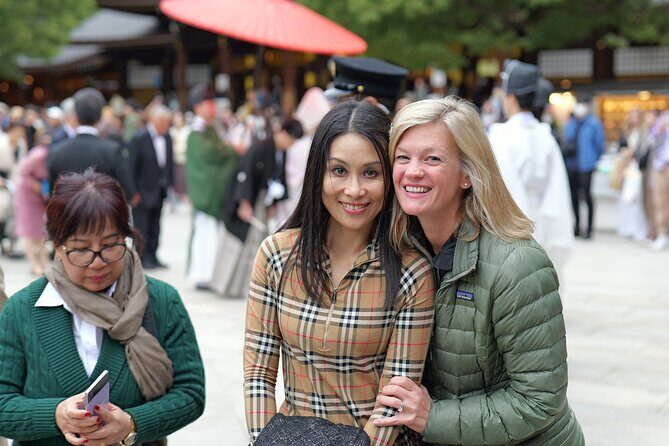
Hotel pickup is included, which is a big deal on day one. Tokyo stations and neighborhoods can be confusing if you’re tired. Starting from your hotel reduces friction, and it keeps the day from feeling like logistics before fun.
Then comes the movement style: walking plus public transit. Guides use trains to save time, not to “make it a transit tour.” You’re still seeing neighborhoods up close. The trains are the connector that prevents a day full of long detours.
Some guides even help with transit set-up on your phone. You might learn how to load a Suica card, and you’ll get practical guidance on using it. That can save you stress right away, especially if you haven’t used Tokyo’s systems before.
You can also read our reviews of more guided tours in Tokyo


Why this pacing is good value
If you try to “DIY” Tokyo from scratch, you’ll pay with time. Every wrong turn costs minutes. Every station confusion costs more than minutes—it costs confidence. A private guide is expensive compared to doing it alone, but the math often flips when you consider the total time you protect.
Also, guides are good at trimming the fat. They tend to choose routes where walking time feels rewarding, not repetitive.
Temples and shrines: the etiquette part you’ll actually use
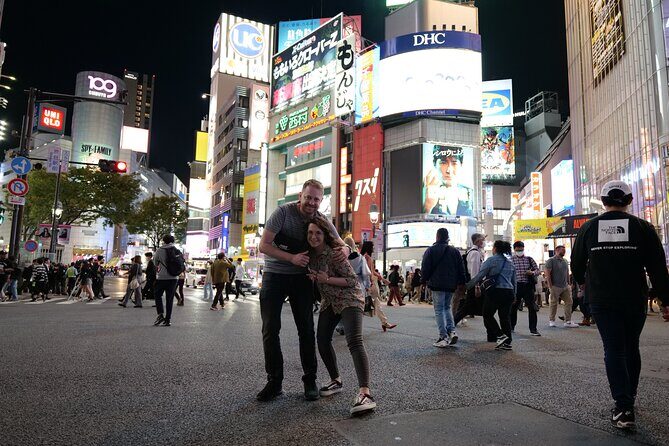
Tokyo’s spiritual sites are stunning, but they come with small rules that aren’t always obvious. This is one area where guides tend to earn their keep.
On shrine and temple visits, your guide can show you how to behave: what to do at the gates, how to approach areas respectfully, and how the space works culturally. You won’t just take photos—you’ll understand what you’re seeing.
A guide might take you to traditional spots in places like Meiji Park and near Meiji Jingu, or to other shrine/temple stops depending on your interests. Even if you’ve read about these places, the on-the-ground explanations make it easier to act correctly.
The best part
The etiquette tips also make you feel less like a tourist trying to copy moves. You can relax and pay attention.
A realistic drawback
Spiritual sites often mean stairs, uneven walkways, and crowds at peak times. If your group has mobility needs, mention it in advance. There’s at least one example of a guide accommodating a mobility scooter, which suggests flexibility is possible—but your comfort still depends on the exact route your guide builds.
Akihabara, Shibuya-style streets, and the Tokyo you want to see
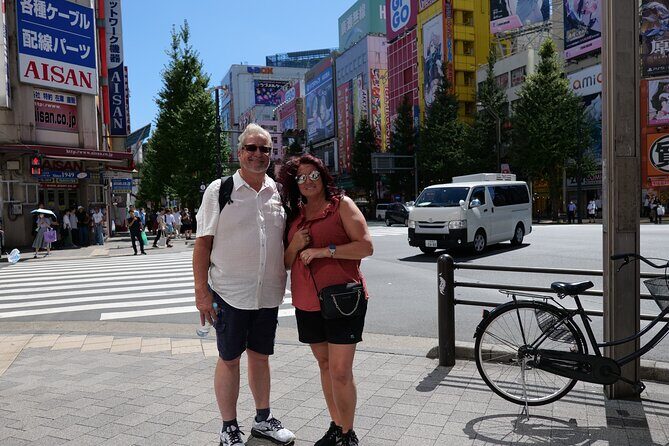
Tokyo is famous for a few neighborhoods, but the real trick is matching the neighborhood to your mood and your interests. This tour does that.
If you like tech and pop culture, Akihabara often makes sense: electronics, game arcades, and the kind of shopping energy that’s easier to handle with a guide because you can ask questions and avoid aimless wandering. One great example from a tour style like this included stops tied to fashion/electronics culture and even Pokémon card interests—exactly the sort of detail that makes a custom tour feel personal.
If you want the modern Tokyo street vibe, the route might include Shibuya-style photo stops and lively alleys, plus major landmarks like the Godzilla area. The key isn’t just seeing a famous intersection. A guide can help you time the walk so you’re not stuck at the worst moment, and can point you toward nearby streets where the atmosphere is more fun than the main flow of crowds.
Quirky stops exist if you ask for them
Not every tour wants a shrine, a view, and a department store. If your group is into unusual themes, some guides have taken people to oddball places like themed cafés. That’s the advantage of customization: you can lean into what you actually want, even if it’s not the “standard” list.
City views and big-photo stops (Tokyo Tower, observatories, and beyond)
A walking tour in Tokyo can get you far, but at some point you’ll want a wide-angle moment. Many plans include an observatory-style stop or a major landmark view.
Depending on your interests, you might consider:
- Tokyo Tower as a classic skyline moment
- an observatory with a wider city view
- a viewpoint route that aims for nicer light
One tour style even timed a final segment around sunset, giving a shot at a Mt. Fuji view when weather cooperated. That’s the kind of planning you can’t easily DIY on day one, because it depends on timing and route.
Trade-off to know
Viewpoints can mean waiting for space, and photo conditions depend on the day. If you’re chasing specific skyline photos, tell your guide what matters (sunset vs. morning light vs. less crowding), and they’ll build the plan around it.
Food and lunch: how a guide saves you from restaurant roulette

Lunch is where a new city can trip you up. You want something good, but you also don’t want a long wait or a place that doesn’t fit your preferences.
A guide can help by choosing a restaurant that matches your group and dietary needs within your schedule. In one example, a guide planned around the ability to secure a reservation and even discussed how much cash to take out for the day. That kind of practical preparation removes stress and helps you spend the meal enjoying Tokyo instead of troubleshooting.
You might also end up at a conveyor-belt sushi style lunch where food arrives on a track. It’s fun, fast, and it fits well inside a walking-and-transit day.
The drawback: you still pay for food
Food is not included. But if the guide helps you avoid wasted time and wrong picks, the money often feels worth it.
What’s included, what isn’t, and how to budget smart
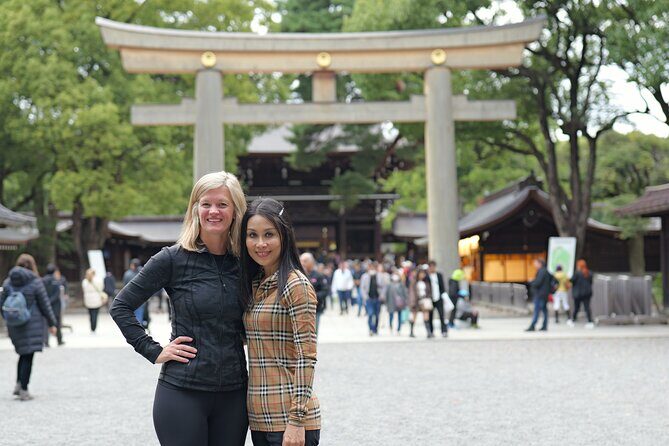
Here’s the simple way to think about the cost.
You pay about $58.98 per person, and that usually covers the guide’s time plus the “structure” of the day:
- hotel pickup
- tour customization
- walking and public transport as part of the route
What you generally won’t pay through the tour price:
- transportation fees (you’ll cover transit fares)
- food and personal expenses
- attraction entrance fees
- private transportation
So the value equation is this: you’re buying guidance and efficiency, not ticket costs.
How I’d budget for a first-timer day
Plan your day like this:
1) Set aside money for trains you’ll ride during the route
2) Add a lunch budget that matches your comfort level
3) If you choose paid attractions, include entrance fees
4) Keep a buffer for snacks and small purchases
If you tell your guide your budget boundaries, you’ll get a route that doesn’t force expensive add-ons.
When to book and how weather affects your plan
These tours need good weather. If conditions are poor, the operator offers a different date or a full refund. That’s normal for a walking-heavy experience.
It’s also smart to book with enough time. The average booking lead time is about 48 days, which suggests people plan ahead, especially during busier travel seasons.
How to choose your ideal 2 to 8 hour route
You’ll get the best results if you help your guide narrow your goals early. Here are easy frameworks that work well in Tokyo:
If it’s your first day and you want orientation
Ask for:
- one modern neighborhood walk
- one shrine/temple segment (with etiquette guidance)
- one photo-focused landmark
This kind of plan helps you understand how Tokyo “flows” before you commit to your own DIY days.
If you want shopping and pop culture
Ask for:
- Akihabara-style electronics and game arcades
- a second neighborhood that fits your style (photo street, street food area, or another shopping zone)
- a lunch stop your group will enjoy
If you only have a layover window
Aim for 2 to 4 hours, then pick:
- the top 3 things you want most
- one transit bridge (train ride) to save time
- a final landmark or viewpoint to end cleanly
Some guides have handled layover-time routing very well, covering main activities while keeping the schedule realistic.
Should you book this private customized walking tour?
Book it if:
- you want a first-time-friendly Tokyo day that doesn’t feel chaotic
- you like the idea of tailoring your route (and changing it during planning)
- you want real guidance with practical stuff like shrine/temple etiquette and transit navigation
- you value one-on-one attention enough to pay a bit more than DIY
Skip it (or choose a shorter plan) if:
- you’re on a tight budget and don’t want to pay for guided planning
- your schedule is extremely inflexible, since the tour depends on good weather
- you already know Tokyo transit well and prefer to roam completely solo
If you want Tokyo to make sense quickly—without rushing every step—this is a strong way to start. The private guide format is exactly what turns a city of thousands of options into one day that feels like it was built for you.
FAQ
How long is the Tokyo Customized Private Walking Tour?
The tour runs from 2 to 8 hours, depending on the schedule you arrange with your guide.
Is this tour private or shared?
This is a private tour/activity. Only your group will participate.
What does the tour cost?
The price is $58.98 per person.
Will I be picked up from my hotel?
Hotel pickup is included.
Is public transportation used during the tour?
Walking is included, and public transportation is part of the plan. Transportation fees are not included.
Are attraction entrance fees included?
No. Attraction entrance fees are not included.
Do you customize the itinerary?
Yes. The itinerary is arranged to match your interests and schedule.
When do guides contact you to plan the route?
Guides contact you after booking within about 2 weeks before the tour to discuss and arrange your schedule.
What’s not included besides entrance fees?
Food and personal expenses, plus private transportation, are not included.
What happens if the weather is bad?
The experience requires good weather. If it’s canceled due to poor weather, you’ll be offered a different date or a full refund.