REVIEW · KYOTO
Kyoto: Ghost Tour – Legends, Dark Tales, Bamboo Forest Night
Book on GetYourGuide →Operated by JAPANIFY TOURS · Bookable on GetYourGuide
Bamboo stalks whisper louder after dark. This Kyoto ghost tour in Arashiyama uses the bamboo forest at night as the main character, with a solo walk and scary stories tied to local legends and eerie events. I love the format that mixes humor and fear, and you’ll feel the difference between a crowded day visit and a quieter night.
Two things I really like: the solo bamboo path (you walk alone, but still feel supported), and the way the guide works in spooky lore without dragging it out. One consideration: it’s genuinely dark and you spend time walking alone in the forest, so if that idea makes your stomach drop, this may not be your kind of outing.
In This Review
- Key Highlights You Should Care About
- Bamboo Forest After Dark Is the Real Star
- Getting There: Saga-Arashiyama Meet-Up and Night-Ready Setup
- Arashiyama at Night: Passing Views and How the Group Transitions
- The Solo Bamboo Walk: A Courage Test With Clear Boundaries
- Dark Tales: Crimes, Ghosts, and Storytelling That Actually Feels Local
- Nonomiya Shrine: Slowing the Pace Without Losing the Mood
- The Creepy Surprise and the Anti-Curse QR Code
- Price and Value: Why $50 Can Make Sense for 150 Minutes
- What to Bring (and What You Absolutely Can’t)
- Who This Kyoto Ghost Tour Is For (and Who Should Skip It)
- Tips to Get the Most Out of Your Night
- Should You Book This Kyoto Ghost Tour?
- FAQ
- Where do I meet for the Kyoto Ghost Tour?
- How long is the tour?
- Is the tour in English?
- What is included in the price?
- Are flashlight, recording, or live streaming allowed?
- Do I need WhatsApp?
- Who is the tour not suitable for?
Key Highlights You Should Care About
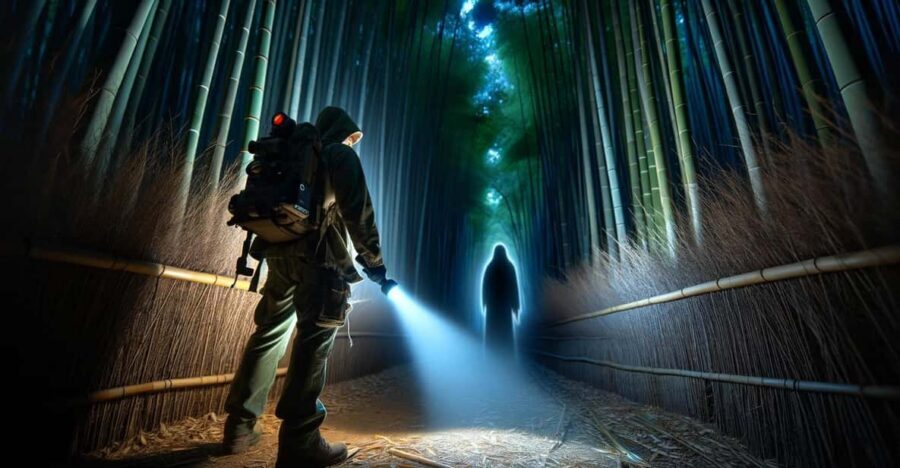
- Solo bamboo walk in the dark: You get a real “it’s just you and the stalks” moment.
- Storytelling that balances funny and scary: Guides like Eric, Aron, and Zowee lean into humor without killing the mood.
- True-crime and yokai-flavored tales: The stories go past generic ghosts into crimes, spirits, and unsettling events.
- Nonomiya Shrine visit: A change of pace from the bamboo, with a quieter, more grounded stop.
- Creepy surprise plus an anti-curse QR code: Small extras that help the theme stick.
- A single, optional-feeling scare spot: One stretch near the end can feel more isolated, and you can ask about opting out.
Bamboo Forest After Dark Is the Real Star
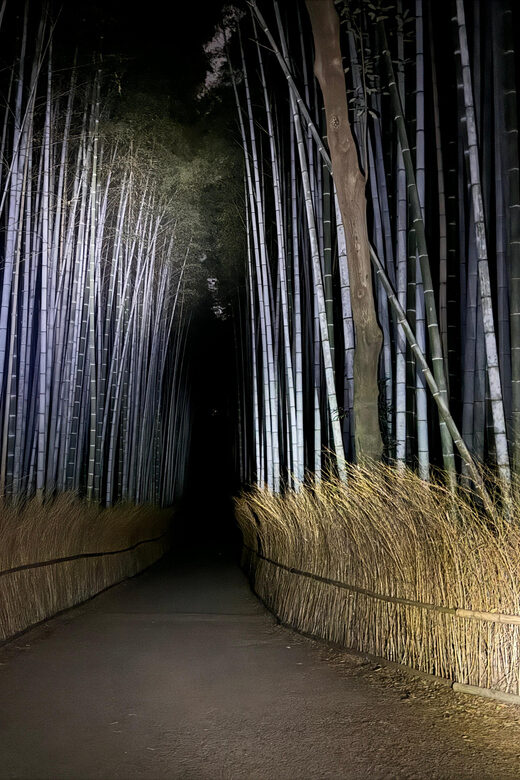
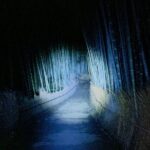
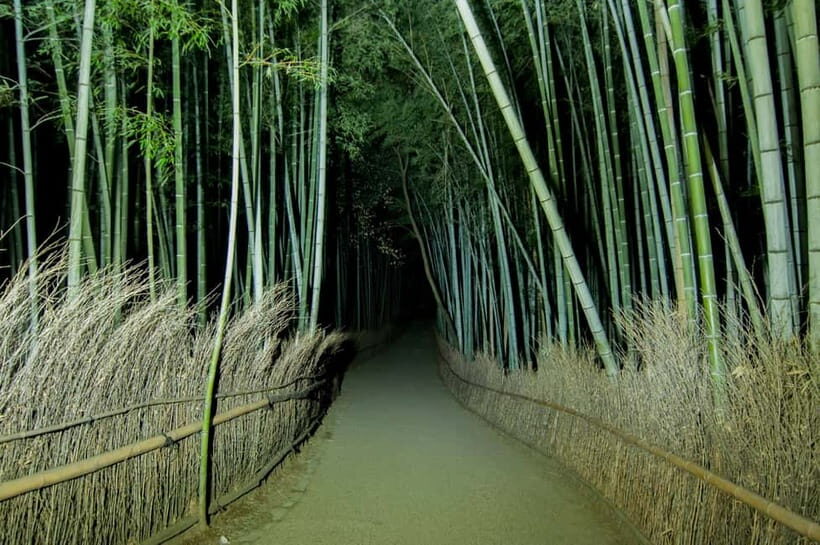
Kyoto’s Arashiyama Bamboo Forest is famous in daylight. At night, it changes. The paths feel narrower, the air feels colder, and the sound of your steps turns loud in a way you don’t get in the afternoon.
What makes this tour different is that it doesn’t just point and scare. You actually move through the forest in a structured way, and the guide uses that movement to time the stories and mood. The bamboo stalks aren’t scenery. They’re the stage for the whole experience.
If you like Japanese folklore, yokai vibes, or crime-and-ghost-style urban legends, you’ll likely appreciate how the stories are framed as local lore rather than spooky filler.
You can also read our reviews of more evening experiences in Kyoto


Getting There: Saga-Arashiyama Meet-Up and Night-Ready Setup
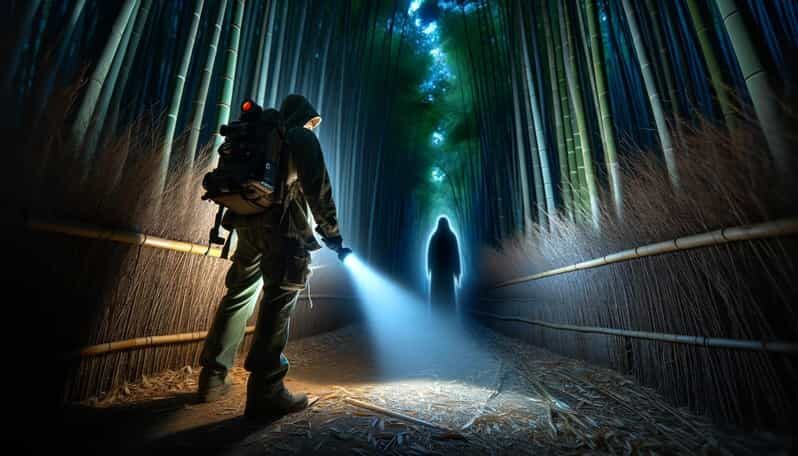
You meet at Saga-Arashiyama Station, at the rounded window near the North Gate, upstairs, inside. Show up on time. This tour runs as a tight evening flow, and arriving late can mess with the timing of the forest portion.
There’s also a practical heads-up: most nearby restaurants close in the evening. If you want to get settled before the tour, plan a pre-dinner stop at Kimono Forest, which is always open. It’s a good “warm up your brain” moment before the dark starts.
You’ll get full details by email and WhatsApp the day before, and the tour uses WhatsApp for updates. You don’t need to love messaging apps, but you do need the app installed so you don’t miss instructions.
Arashiyama at Night: Passing Views and How the Group Transitions
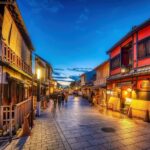
Right after you link up, you head into the Arashiyama area and get a short orientation-style pass. It’s not a long sightseeing detour, but it matters because it sets your mental map before the forest part.
You’ll then spend time near the bamboo forest and later have another quick pass through the shopping area. That short pacing is useful if you’re the type who gets anxious when you feel rushed. It gives you breathing room before the solo walk, and it also helps you transition out without feeling dropped off and left to figure everything out.
If you’re hoping for a full Arashiyama highlights loop, this isn’t that. The tour’s “value” is the night atmosphere and the stories, not extra stops.
The Solo Bamboo Walk: A Courage Test With Clear Boundaries
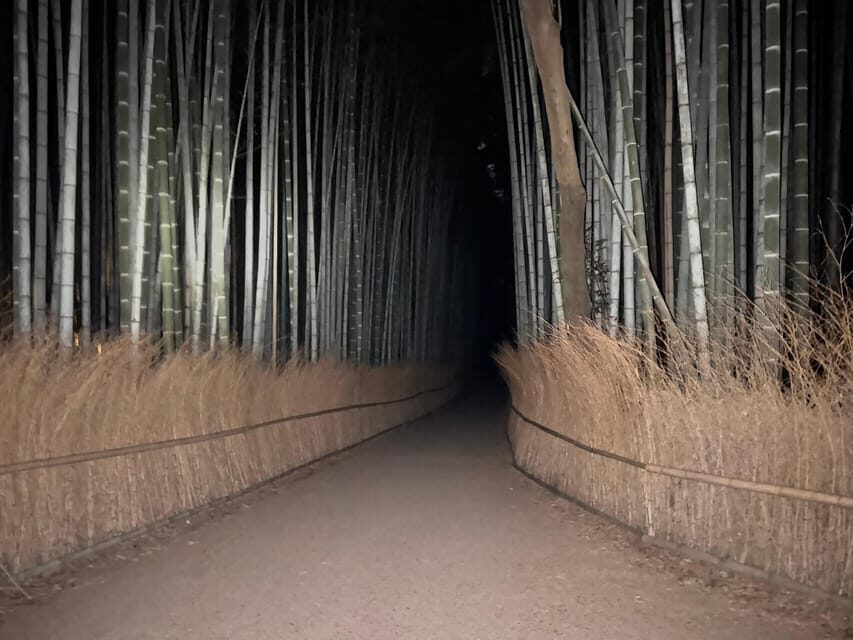
This is the big moment. You’ll do a guided tour through the bamboo forest, but the standout feature is the solo walk: guests walk alone through eerie bamboo paths.
Why this works so well: walking alone changes your brain’s volume settings. In daylight, bamboo feels decorative. At night, it feels directional and strange. You start noticing small sounds—wind movement, footstep rhythm, the distance between you and the guide—more than you’d expect.
The walking is described as mostly level ground in reviews, which helps. Still, it’s dark, and you’re dealing with uneven natural terrain like you would anywhere on a forest path. And you should take the restrictions seriously: no flashlight is allowed, and video/audio recording is not allowed during the whole tour.
A useful detail from reviews: there can be a brief, more isolated stretch near the end in the dark woods. If you’re worried about animals in the forest or you just don’t want that feeling, ask ahead of time about opting out of that portion. The guides are reported to care about comfort levels and safety.
Most people leave this part talking about how real it felt, not just how scary it sounded.
Dark Tales: Crimes, Ghosts, and Storytelling That Actually Feels Local
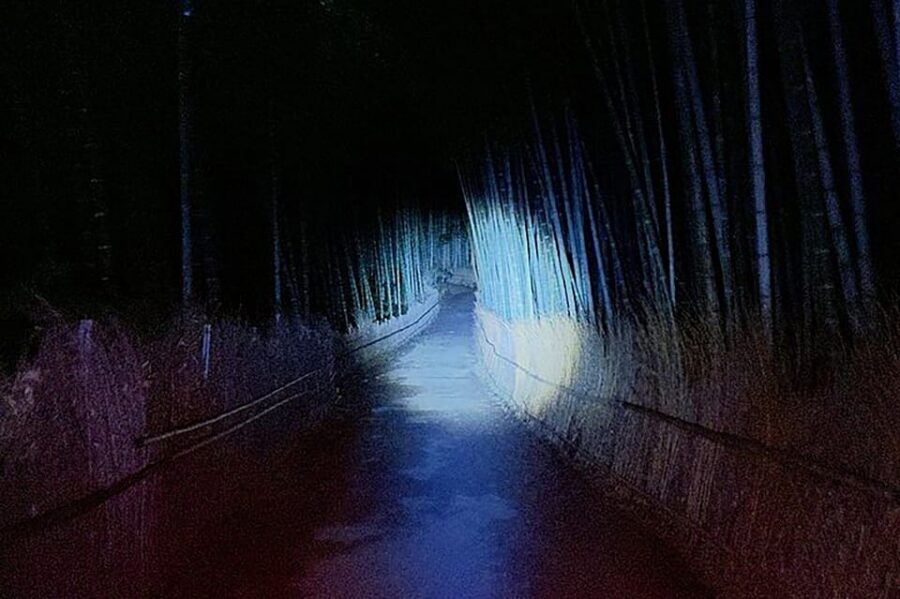
The tour’s theme is dark, but it’s not random. The guides share scary stories of crimes, ghosts, and unsettling events tied to the area’s legends. Expect yokai-style energy, the kind that fits Kyoto’s old-world atmosphere.
I especially like that the guides bring in humor. In practice, that means the fear isn’t constant. You get jolts of creepiness, then a release. Guides named Eric, Aron, Arran/Aaron, and Santiago (you may see different guide rosters) are mentioned for strong pacing and entertaining delivery.
This matters because a horror story tour can go two ways: it can feel like a monotone lecture, or it can turn into cheap jump-scare theater. Here, the stories sound like they belong to the place, and the tone keeps you engaged without turning the evening into a stress test.
If you’re the type who likes lore with a cultural spine, you’re likely to enjoy how the ghost stories are presented as part of Japanese mystery tradition—not just “boo” moments.
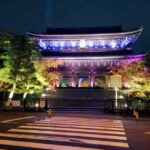
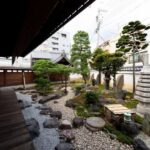
Nonomiya Shrine: Slowing the Pace Without Losing the Mood
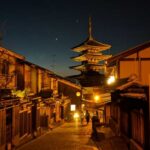
After the forest, you visit Nonomiya Shrine. This is a helpful tonal shift. The bamboo forest gives you claustrophobic, wind-in-the-stalks energy. A shrine stop brings you back into a more grounded setting.
Practically, it also gives you a place to reset your senses and catch your breath. You’re not done with the eerie vibe, but you’re no longer in the deep, dark maze feeling.
The shrine visit is also a good moment for the guide’s stories to land differently. You’re standing somewhere meaningful in the Kyoto area, and it helps the legends feel less like a performance and more like a connection to the local world.
The Creepy Surprise and the Anti-Curse QR Code
Included with the tour are two themed extras: a unique creepy surprise and an anti-curse QR code.
This is the kind of add-on that’s easy to dismiss on paper. At night, though, it works because it keeps the experience playful and interactive. It also gives you something to hold onto after you leave the forest, which can be nice when you’re trying to remember the night without only relying on your phone camera.
Since recording is off-limits, these extras function as a built-in memory maker. You can’t document the whole thing, but you can still walk away with a physical or digital token from the theme.
Price and Value: Why $50 Can Make Sense for 150 Minutes
The price is $50 per person, and the duration is 150 minutes. That’s about two and a half hours, which is a sweet spot for an evening experience: long enough for a real arc (meeting, bamboo time, shrine stop, return), short enough that you won’t feel like you need to clear half your day.
What you get for that money is not only stories. You also get:
- a drink (alcoholic or non-alcoholic)
- the solo walk portion
- the creepy surprise
- the anti-curse QR code
When you price it against the cost of just getting into major attractions, plus the time value of having a guide coordinate the night flow, it can feel fair—especially if you’re into horror, yokai lore, or you want Arashiyama at night without battling crowds.
If you’re in Kyoto for a short trip and you’re trying to pick a single “special evening” plan, this is one of the more memorable options you can choose.
What to Bring (and What You Absolutely Can’t)
Bring cash. You’re also expected to follow the restrictions closely, because they shape the atmosphere.
Not allowed:
- flashlight
- video recording
- audio recording
- live streaming
- walking sticks
- drones
- baby strollers / baby carriages
That list matters because it’s telling you the tour wants controlled darkness and full attention. It’s also a reminder to travel light. Leave your gadget gear behind and plan to experience it with your senses first.
Dress for the fact that it’s night in a forest environment. Even when it doesn’t rain, it can feel cooler than you expect in Japan. A warm layer is smart.
One thing I’d repeat from the guidance: do not visit the bamboo forest before this experience. If you do, you can lose part of the effect because the night will feel less like a reveal.
Who This Kyoto Ghost Tour Is For (and Who Should Skip It)
This tour is not for everyone. It’s designed for adults and teens who actually want a scary, mystery-focused experience.
Based on the tour’s guidance, it’s not suitable for:
- children under 16
- pregnant women
- people with heart problems
- wheelchair users
- people over 65
It’s also specifically not recommended if you’re afraid walking alone in the dark. That’s not a moral statement. It’s logistics and comfort. The solo bamboo walk is central to the experience, and you can’t “power through” that part without feeling it.
Where it shines:
- you love Japanese ghosts, yokai stories, and urban legends
- you enjoy humor mixed with fear
- you want Arashiyama in a different way than the usual daytime crowd scene
- you want a guided night experience that feels organized, not chaotic
If you’re expecting a gentle cultural lecture, you might find the tone too creepy. If you’re expecting full-on horror movie effects, you might find it more clever and story-driven than purely theatrical. Most people land happily in the middle.
Tips to Get the Most Out of Your Night
A few practical things make the difference between a good spooky evening and a great one.
First, go in with the right mindset. If you’re too busy trying to joke around, you may feel the vibe break. The best results come when you let the mood work on you for a while.
Second, don’t rely on your phone. Recording is not allowed, and the tour is built to be experienced live. Put your device away and focus on the guide’s timing and the darkness around you.
Third, if you’re worried about the more isolated section near the end, say so early. Reviews note that guides pay attention to comfort levels and safety, and that you may be able to opt out of that stretch if needed.
Finally, be ready for the “night reveal” feeling. You’ll enjoy it more if you keep the bamboo forest as a first-time-to-you experience for tonight.
Should You Book This Kyoto Ghost Tour?
Book it if you want Arashiyama Bamboo Forest at night in a way that feels story-first and personal. The solo bamboo walk is the hook, and the combination of dark tales, humor, and a shrine stop makes it more than a gimmick.
Skip it if you dislike walking alone in the dark, you’re not interested in Japanese ghost lore, or you’re in a group that the tour says is not suitable. Also skip if you need constant brightness or you can’t comfortably handle restrictions like no flashlight and no recording.
If you love scary stories and want an evening plan that feels distinctly Kyoto, this is a strong pick.
FAQ
Where do I meet for the Kyoto Ghost Tour?
Meet at Saga-Arashiyama Station, at the rounded window near the North Gate (upstairs, inside).
How long is the tour?
The tour runs for 150 minutes.
Is the tour in English?
Yes, it’s a live English tour with a guide.
What is included in the price?
You’ll get 1 drink (alcoholic or non-alcoholic), a solo walk in the dark, a unique creepy surprise, and an anti-curse QR code.
Are flashlight, recording, or live streaming allowed?
No. Flashlight is not allowed, and video recording, audio recording, and live streaming are not allowed during the whole tour.
Do I need WhatsApp?
Yes. Full tour details are sent by email and WhatsApp, and WhatsApp is required for updates.
Who is the tour not suitable for?
It’s not suitable for children under 16, pregnant women, people with heart problems, wheelchair users, and people over 65. It’s also not recommended for anyone afraid of walking alone in the dark.