Lanterns, teahouses, and stories on every corner. This Kyoto Geisha Walking Tour takes you through Gion’s cobblestone lanes with a live English guide, aiming to help you catch geiko and maiko heading to appointments. I like how the walk pairs atmosphere with real cultural context, and guides such as Michael (named in multiple reviews) explain what you’re seeing in plain, human terms.
I also like the practical payoff: you get off-the-radar photo moments and a long list of tried-and-trusted recommendations for restaurants, bars, and shops at the end of the tour. One possible drawback: the route is on foot, and it’s not suitable for mobility impairments or wheelchair users, so wear comfy shoes and plan for a steady 2-hour walk.
In This Review
- Key Things I’d Circle Before You Go
- Gion on Foot: the 2-hour “old Kyoto” feeling you can actually time
- Meeting by Hotel Alza Kyoto and finding the red parasols
- The main event: spotting geiko and maiko heading to appointments
- Gion’s quiet architecture: machiya townhouses, tea houses, and small shops
- Hōkan-ji Pagoda: a built-in photo stop with cultural weight
- Kennin-ji Temple: the calm contrast that anchors the walk
- Chion-in Temple and its national treasures (the stop many people miss)
- Off-the-beaten-path photo spots that don’t feel like a photo shoot
- Gion after sunset: lantern streets and smart timing
- What you get at the end: the list you’ll use for the rest of your trip
- Price and Value: is $25 for 2 hours actually a good deal?
- Who should book this (and who might want a different plan)
- Should you book this Kyoto Geisha Walking Tour?
- FAQ
- What is the duration of the Kyoto Geisha Walking Tour?
- How much does the tour cost?
- Where is the meeting point?
- Is there a live guide?
- Is the tour accessible for wheelchair users?
- What can I expect to see during the walk?
- Which temples or landmarks are included?
- Are photos part of the experience?
- Can I cancel for a refund?
- Is it possible to reserve without paying right away?
Key Things I’d Circle Before You Go
- Geiko and Maiko sightings on the move (not staged, just part of daily life)
- Temple stops that add context beyond the teahouse streets
- Hōkan-ji Pagoda photo moment plus quieter temple grounds
- Chion-in Temple’s national treasures inside a scenic walled complex
- Small-group or even private-feel walks when bookings are light
- A ready-to-use Kyoto rec list for food, drinks, and what to do next
Gion on Foot: the 2-hour “old Kyoto” feeling you can actually time
Gion is one of those districts where the street layout does half the storytelling for you. Instead of museum stuff, you’re walking through working neighborhood lanes lined with tea houses and preserved townhouses, with the mood shifting as the evening approaches. The tour is built for pace: long enough to connect the dots, short enough that you can still enjoy dinner plans afterward.
The big value here is that the tour doesn’t treat Geisha culture as a poster. It frames what you see in Gion—the district itself, the traditions, and how this world fits into modern Kyoto. If you like learning by looking, this format works well.
Two things that matter for your comfort: the walk is 2 hours, and it’s a real walking itinerary. You’ll be happiest if you’re okay with cold air in winter, sun glare at certain times of day, and the simple fact that Kyoto streets are narrow and busy in places.
You can also read our reviews of more walking tours in Kyoto


Meeting by Hotel Alza Kyoto and finding the red parasols
The meeting point is on a side street next to Hotel Alza Kyoto. Look for red parasol umbrellas with marble seats underneath. That detail saves you time, because Gion can feel like a maze the first time you’re there.
To make this smooth, arrive a few minutes early and have your phone map ready. The tour time is listed as starting at availability, so don’t assume you can stroll up late and still join.
The main event: spotting geiko and maiko heading to appointments
This tour is designed around one very specific kind of sight: elegantly dressed geiko and maiko as they make their way to appointments. The experience isn’t about guaranteeing a perfect photo at a perfect moment. It’s about teaching you how to look for what’s happening naturally in the district.
A useful expectation-setting point from real experiences: some people are lucky and see them, and some people don’t. I’d still book if your goal is understanding Gion’s culture and walking it with a guide, because the temple stops and architectural context hold up even if your street sighting luck isn’t perfect.
Also, keep your expectations tied to respect. You’re not wandering around to “collect” people in motion. You’re learning the rhythm of the district while staying out of the way.
Gion’s quiet architecture: machiya townhouses, tea houses, and small shops
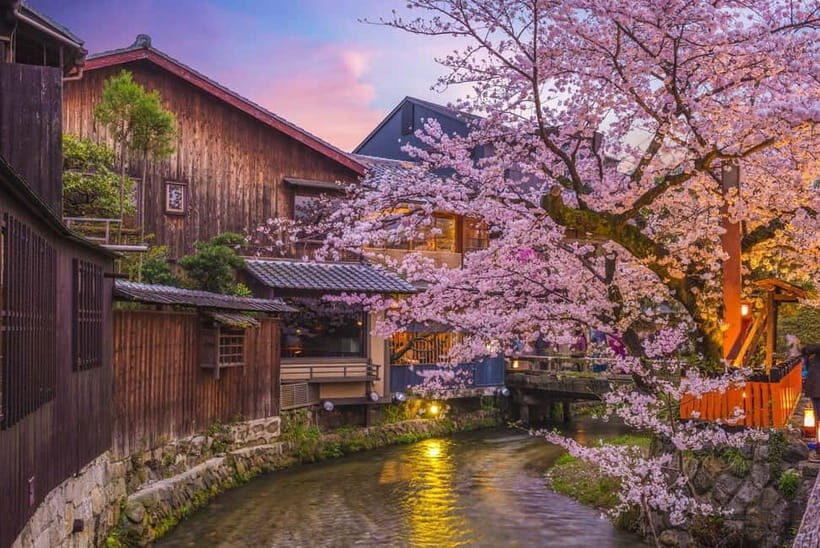
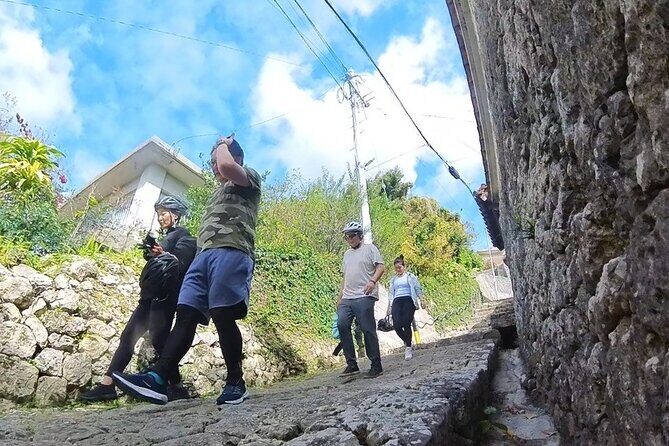
One of the smartest parts of the tour is how it moves beyond the most obvious streets. You’ll see preserved machiya townhouses, and you’ll get directed toward calmer spots where the architecture is doing the talking. That matters because Gion can look like one photo angle from far away, but up close it’s a patchwork of small stories—woodwork, narrow facades, and the way buildings hold privacy.
The tour also includes stops tied to teahouses and what the district offers behind the scenes. You’ll hear about tea houses where geiko and maiko make exclusive private performances for wealthy clientele. Even if you’re not entering one of those rooms, the explanation helps you understand why certain areas feel more formal or set back from the street.
And yes, you’ll pass boutique-style souvenir shops. This is good for two reasons: you can browse without forcing it, and you’ll be in the right mood for small gifts that don’t feel like tourist leftovers.
Hōkan-ji Pagoda: a built-in photo stop with cultural weight
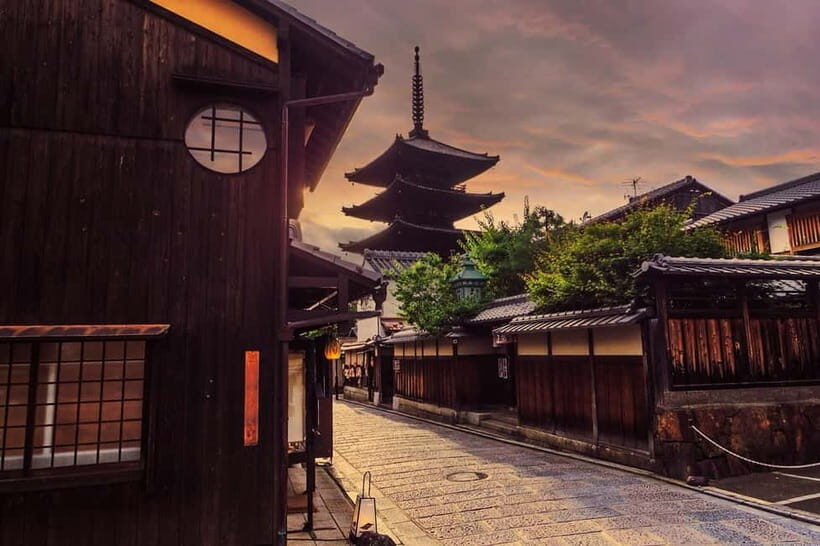
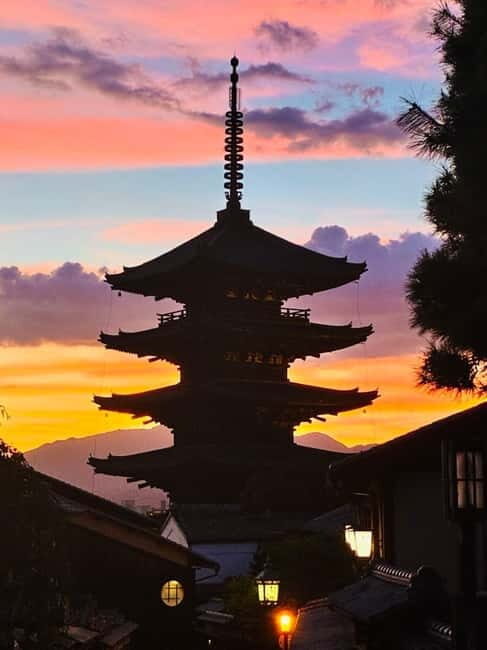
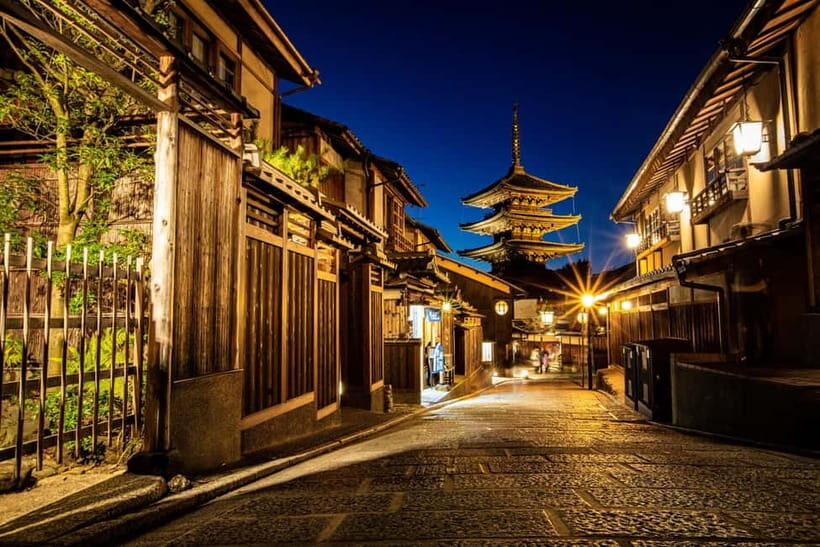
The walk includes a chance to see the Hōkan-ji Pagoda, described as a symbol of Kyoto’s cultural heritage. This is one of those moments where the guide’s context pays off. Without that framing, you’d see a pretty pagoda and move on. With it, you start to notice how structures act like landmarks for the district’s identity.
Photo tip that comes from how this tour is structured: the itinerary is set up for off-the-beaten-path locations along the route, so you’re not only photographing the loudest backdrop. You’ll also get guidance on where to pause for a better angle, which can be a real help if you’re traveling solo or with family.

Kennin-ji Temple: the calm contrast that anchors the walk
Next comes Kennin-ji Temple, highlighted as the oldest Zen temple in the city. That’s a big claim, and it changes the feel of the tour. You go from Gion’s teahouse world to a quieter, more grounded space. Even if you’re not a “temples person,” this stop gives your day structure and makes the surrounding streets feel more meaningful.
In practical terms, this is also where your pacing resets. The tour keeps moving, but the temple stop gives you a chance to slow down, look up at details, and ask questions. In multiple reviews, guides like Michael are praised for answering questions clearly and adjusting to your curiosity, so this is when your questions tend to land best.
Chion-in Temple and its national treasures (the stop many people miss)
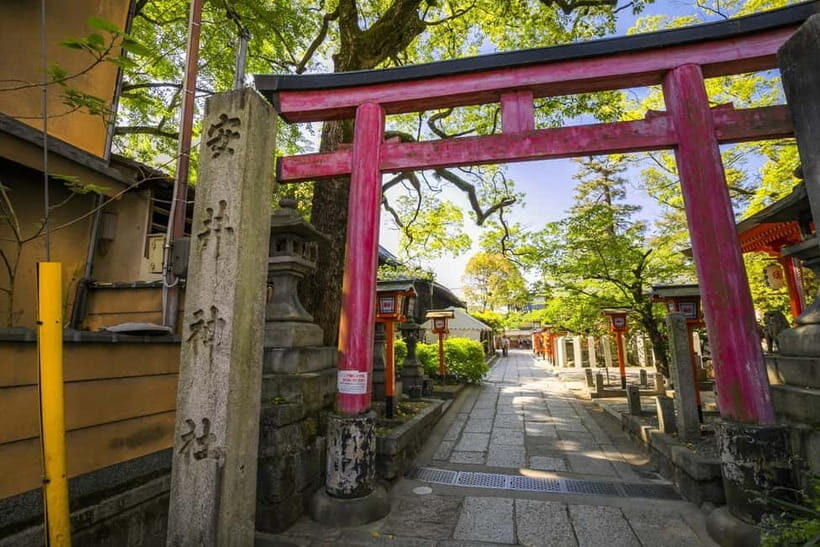
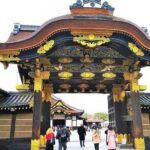
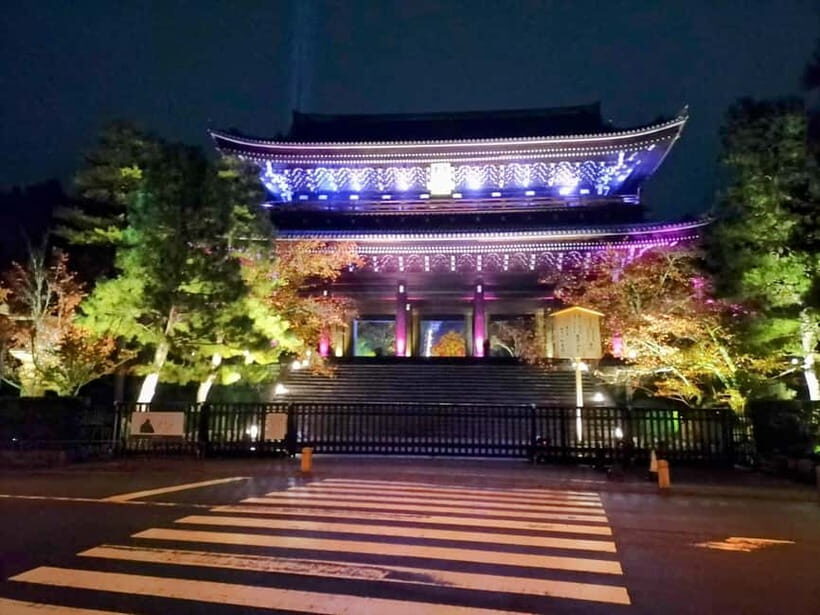
Then you get Chion-in Temple, called out as a hidden-spot in the sense that it’s often overlooked compared to the flashier names. It’s home to three designated national treasures within vast and scenic temple grounds, so it’s not just a quick photo break.
What I like about including Chion-in in a geisha-themed tour is that it widens the lens. You’re reminded that Kyoto’s cultural identity isn’t only about one neighborhood. It’s about the institutions, art, and sacred spaces that shaped daily life long before modern entertainment districts became famous.
If you’re the kind of person who prefers “one place you’ll remember” over “ten places you forget,” Chion-in is a strong candidate. Give it your attention even if you feel a little temple fatigue setting in.
Off-the-beaten-path photo spots that don’t feel like a photo shoot
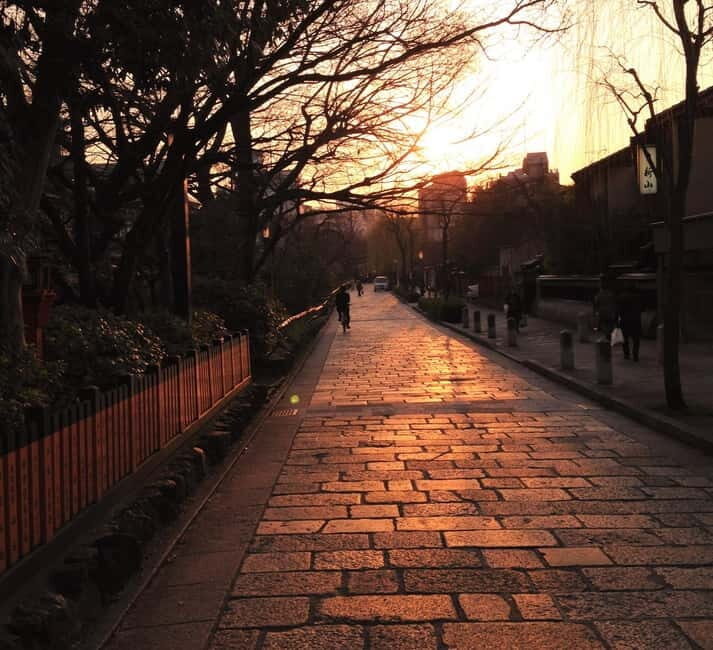
This tour promises photo opportunities at off-the-beaten-path locations. In practice, what that means is you’ll be guided toward spots where the streets look more like Kyoto than like a postcard reproduction. That’s especially useful in Gion, where the most famous corners can attract constant foot traffic.
The best way to use those photo stops is to treat them as short scene breaks, not picture-taking marathons. Pause, look around, and let your guide point out what you should notice. You’ll get better photos and a better sense of place.
Gion after sunset: lantern streets and smart timing
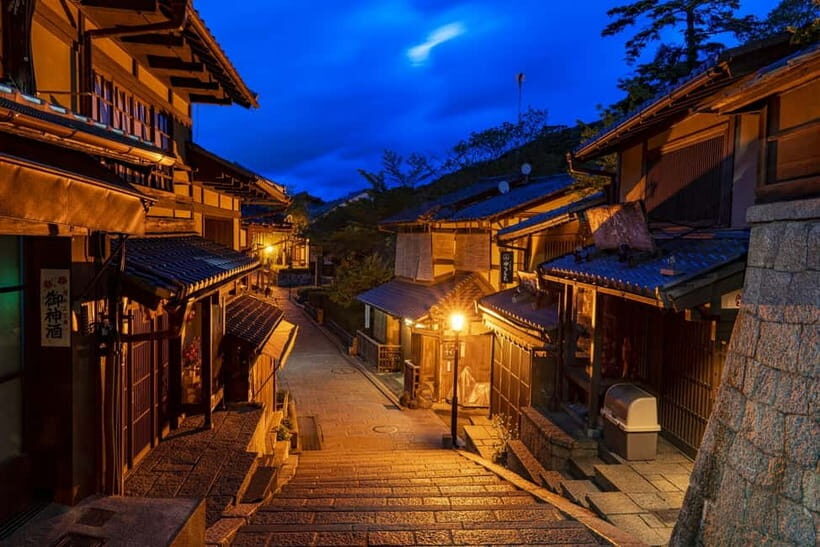
The tour description mentions how Gion transforms as evening falls, with lantern-lit streets. Several reviews also hint that timing changes the experience a lot. One person said 6pm was a perfect slot because the area was quieter and there was more space for questions and photos. Another noted that 3:00 might not be ideal due to sunlight.
So here’s my practical advice: if you can choose among start times, try to pick one that lands you in the zone where lanterns start to matter. If you’re sensitive to cold, plan layers because lantern-lit Kyoto often means chilly air and faster fatigue.
Also, if you want geiko and maiko sightings, you’re watching for motion. That can be more likely at certain times simply because appointments are scheduled, but the tour is honest about it being part of normal life rather than guaranteed.
What you get at the end: the list you’ll use for the rest of your trip
This tour doesn’t end at the last temple door. Near the end, your guide shares a full list of tried-and-trusted recommendations: restaurants, bars, shops, and other places to visit for the rest of your Kyoto stay.
This is one reason the price feels fair. Many walking tours tell you where to go in a vague way. Here, you leave with targeted suggestions that match what you just saw. It’s also a nice way to avoid the “what do we do now” gap after you finish your main sightseeing.
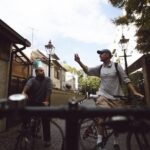
In reviews, guides are praised for being friendly and approachable—Michael is repeatedly mentioned for being fun, humorous, and very responsive. Other guides named include Yuri, Anton, and Ikuro, and they’re described as knowledgeable and respectful while tailoring the route when the group is small.
Price and Value: is $25 for 2 hours actually a good deal?
At $25 per person for 2 hours, this sits in the “low-stress, high-context” category. You’re paying for three things: a live English guide, access to multiple culturally meaningful stops, and guidance that helps you interpret what you’re seeing rather than just walking through it.
If you’d normally spend money on a separate temple entry, a city orientation tour, or a guide service for restaurant planning, this can add up fast. Even if you don’t see geiko and maiko during your walk, you’re still getting Gion architecture context plus named temple visits like Kennin-ji and Chion-in. That’s strong value for a short time window.
The main thing to weigh is your tolerance for walking. If you’re ready for 2 hours on your feet, the cost-to-time ratio is attractive.
Who should book this (and who might want a different plan)
This tour is a great match if you:
- want a structured way to understand Gion and Geisha culture without drowning in confusing details
- enjoy photo stops and don’t want to spend hours hunting for quiet corners alone
- like asking questions and getting direct answers in English
- want a jump-start to planning meals and evening plans after the walk
You might skip it if:
- you use a wheelchair or have mobility limitations, since it’s listed as not suitable for those needs
- you’re only interested in a guaranteed geiko/maiko sighting (the district doesn’t work like that)
It also seems like the group size is often small. Reviews describe cases where the tour felt close to private, especially when there was only one participant. That kind of setup usually means more personal attention and a calmer pace.
Should you book this Kyoto Geisha Walking Tour?
If your goal is to understand Gion beyond the obvious street views, I’d book it. The combination of Gion atmosphere, named sites like Hōkan-ji Pagoda, Kennin-ji, and Chion-in, plus the end-of-tour recommendations makes the 2 hours feel useful rather than just scenic.
I’d especially recommend it as an early activity in your Kyoto trip. You’ll get context you can use immediately, and the restaurant/bar/shopping list gives you momentum for the rest of your days.
Just go in prepared for walking and weather, and remember that sightings are part of daily life, not a performance staged for your camera.
FAQ
What is the duration of the Kyoto Geisha Walking Tour?
The tour lasts 2 hours.
How much does the tour cost?
The price is $25 per person.
Where is the meeting point?
It’s on a side street next to Hotel Alza Kyoto. Look for red parasol umbrellas with marble seats underneath.
Is there a live guide?
Yes, it’s a live tour guide in English.
Is the tour accessible for wheelchair users?
No. It is not suitable for people with mobility impairments or wheelchair users.
What can I expect to see during the walk?
You’ll walk in the Gion district and have the opportunity to spot geiko and maiko as they head to appointments, along with stops connected to temples and Gion’s teahouse culture.
Which temples or landmarks are included?
The tour includes Hōkan-ji Pagoda, Kennin-ji Temple, and Chion-in Temple.
Are photos part of the experience?
Yes. The tour includes photo opportunities at off-the-beaten path locations along the way.
Can I cancel for a refund?
Yes. You can cancel up to 24 hours in advance for a full refund.
Is it possible to reserve without paying right away?
Yes. The tour offers reserve now & pay later, so you can book your spot and pay nothing today.