REVIEW · KYOTO
Kyoto Arashiyama Walking Tour: Bamboo, Monkeys, Gardens & Secrets
Book on Viator →Operated by Japanify Tours · Bookable on Viator
A day in Arashiyama with less guesswork. You get a guided route through Kyoto’s most famous bamboo sights plus the calmer, story-rich spots most people skip. I like that it’s built around real logistics—starting near a train hub, keeping you moving, and ending somewhere convenient—so you spend your energy on scenery, not navigation.
Two things I really love: the mix of bamboo + gardens + temples, and the way the guide turns each stop into context you can actually use while you’re standing there. One fair consideration: the monkey park part includes a steep 20–25 minute hike, so plan for a real leg workout, not just a casual stroll.
In This Review
- 6 Key Reasons This Arashiyama Tour Works
- Why Arashiyama Feels Like Two Different Worlds
- Price and What You’re Actually Paying For
- The First Meeting Step: Get Oriented Near Arashiyama
- Nonomiya Shrine: Small, Historic, and Quiet Enough to Notice
- Okochi Sanso Garden: A Garden That Feels Like a Secret Room
- The Bamboo Forest Trail: More Than One Photo Spot
- Tenryu-ji Temple Gardens: UNESCO Views With Real Context
- Kimono Forest Stop and the Shift Toward River Views
- Togetsukyo Bridge: The View That Anchors the Day
- Monkey Park Iwatayama: The Hike, the Rules, and the Payoff
- A note on behavior and photos
- Lunch and Timing: How to Eat Without Wrecking Your Day
- The Guide Makes the Difference (And Names Matter)
- What to Wear and Pack for a Comfortable Day
- Who This Tour Fits Best
- Should You Book the Kyoto Arashiyama Walking Tour?
- FAQ
- FAQ
- How long is the Arashiyama walking tour?
- What is the price per person?
- Is this tour private or small-group?
- What’s included in the price?
- Is lunch included?
- Where does the tour start and end?
- Is pickup available?
- Will I be able to record or livestream during the tour?
- Is the tour in English?
- Is the monkey park hike steep and how long is it?
6 Key Reasons This Arashiyama Tour Works
- Crowd-aware routing that helps you see more without feeling trapped in lines
- Admissions included for the major stops like Tenryu-ji and Okochi Sanso
- A guided “history in place” approach, especially at shrines and gardens
- The bamboo grove experience is paired with quieter pathways, not just a photo sprint
- Monkey Park Iwatayama is a highlight, but you get the pacing and hike heads-up
- Small group size (max 12) keeps the day from turning into a herd
Why Arashiyama Feels Like Two Different Worlds
Arashiyama is famous for bamboo, yes. But it’s also a pocket of Kyoto where ancient religious sites sit right next to everyday city rhythms. Without a plan, you’ll bounce between “most popular” spots and long stretches where you’re not sure what you’re looking at—or where you should go next.
This walking tour is designed for the exact problem you’ll have in Arashiyama: you arrive expecting one iconic photo moment, then you realize there are multiple layers—shrines, gardens, river views, and a whole hillside monkey area. The guide keeps the day coherent so you feel like you’re moving through a story, not just checking boxes.
You can also read our reviews of more walking tours in Kyoto



Price and What You’re Actually Paying For
At $65.57 per person for a 5–6 hour small-group tour, you’re not just buying a walk. You’re paying for:
- A bilingual, English-only guide to connect sites and explain what you’re seeing
- Entrance coverage for key stops (including Tenryu-ji and Okochi Sanso Garden)
- A route that reduces wasted time in a busy area
If you were to DIY this, you’d still have to buy tickets, then spend time figuring out connections and order. Even with great transit apps, Arashiyama can be confusing because there are similarly named stations and multiple directions you can accidentally choose. The value here is time plus expert routing.
The First Meeting Step: Get Oriented Near Arashiyama
The tour starts in the Arashiyama area and gets you moving quickly. You’ll meet near the Saga-Arashiyama side, which matters because Arashiyama has several stations with similar names. One review note that stuck with me: people sometimes end up at the wrong “Arashiyama” station before rejoining the group. That’s easy to avoid if you double-check the meeting point.
Once you’re with the group, you’ll get a quick grounding—how the day flows, how much walking is coming, and what to watch for. This is where you benefit most from a guide: you’re not just sightseeing, you’re getting the “how this district works” map in real time.
Nonomiya Shrine: Small, Historic, and Quiet Enough to Notice
Your first cultural stop is Nonomiya Shrine, a Shinto shrine in Arashiyama. It may not look dramatic from the street, but it has real historical weight. The shrine was traditionally used for purification rituals by unmarried imperial princesses before they served as priestesses at Ise Shrine.
This is a great early stop because it changes your mindset. You stop treating Arashiyama like a theme park of bamboo photos and start seeing it as a lived religious and cultural landscape. You also get a short, easy break in the schedule—use it to slow down, look closely at details, and reset your legs.
Okochi Sanso Garden: A Garden That Feels Like a Secret Room
Next up is Okochi Sanso Garden. This garden sits at the end of the bamboo area and has a reputation for being peaceful. The key detail: it was once the private villa of a famous Japanese actor, so the layout and atmosphere were designed for refined leisure, not mass tourism.
Expect a calmer pace than you’ll get outside. You’ll walk through cultivated views—garden scenery framed like scenes—then you’ll understand why people call it one of Kyoto’s standout garden experiences.
A possible drawback: because it’s a garden and the group is moving on a schedule, you’ll want to pause at your favorite spots rather than trying to see everything all at once. If you’re the type who takes a lot of photos, this is where you’ll naturally lose time. That’s not bad, just plan for it.

The Bamboo Forest Trail: More Than One Photo Spot
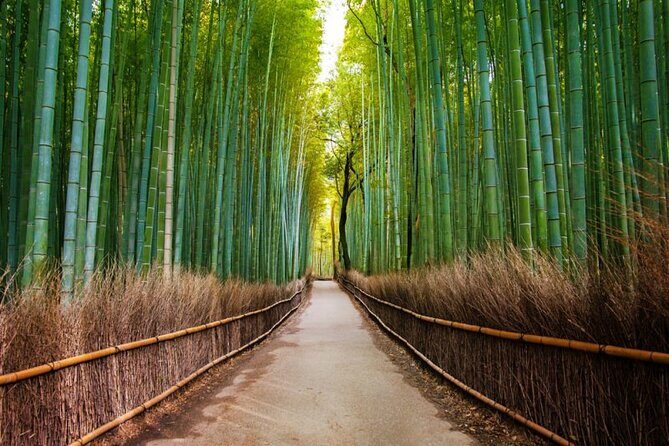
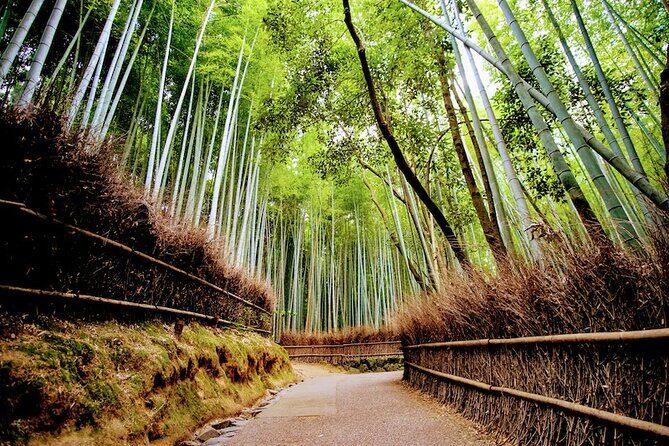
Then you hit the famous bamboo grove path. On your own, you can end up doing the “quick in, quick out” version—photos in crowds, then back out into the flow. With a guide, the bamboo is handled more like a timed experience. You’re brought to the bamboo area in a way that keeps the atmosphere more serene than you might expect.
What I like about this stop: the guide helps you see bamboo as architecture and sound. Towering stalks, narrow pathways, soft echoes—these details are easier to notice when someone points out what makes the grove special.
Also, the tour structure helps. You’re not wandering around wondering if you’re heading the right direction. You’re walking with intent, then moving on before you get stuck in the busiest pockets.
Tenryu-ji Temple Gardens: UNESCO Views With Real Context
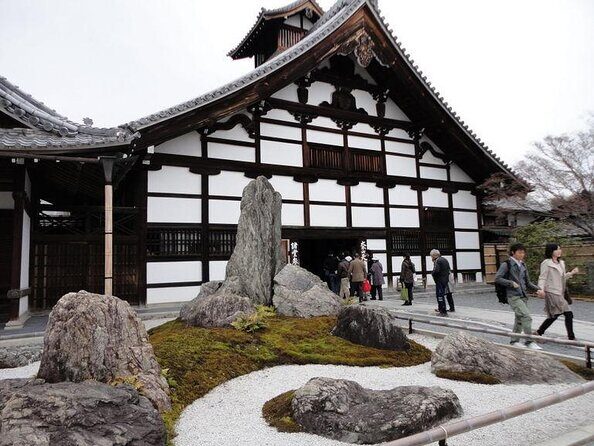
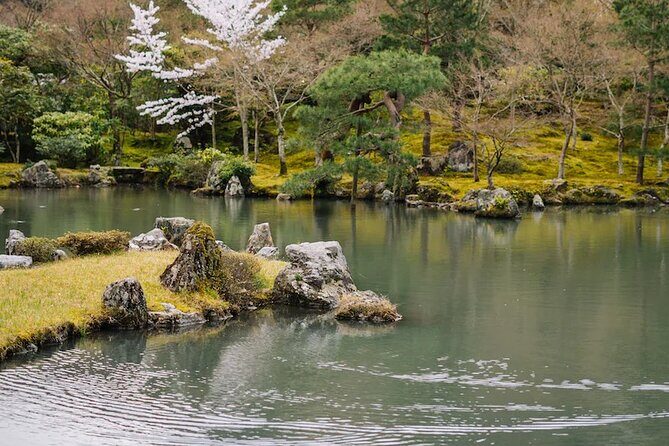
After bamboo, the tour shifts to Tenryu-ji and specifically Sogenchi Teien (the garden). Tenryu-ji is a UNESCO World Heritage site, and the garden is widely considered one of Japan’s best.
This stop matters because it connects the poetic idea of Kyoto gardens to how they’re designed. Even if you’re not a garden expert, the guide’s explanations make the scenery feel legible: why certain sightlines exist, how the garden layout guides your attention, and how the temple’s role fits into Arashiyama’s larger cultural identity.
Time here is long enough to actually look. It’s not a rushed “stamp and go.” Still, it’s on a schedule, so wear comfortable shoes and don’t pack your day with extra stops nearby.
Kimono Forest Stop and the Shift Toward River Views
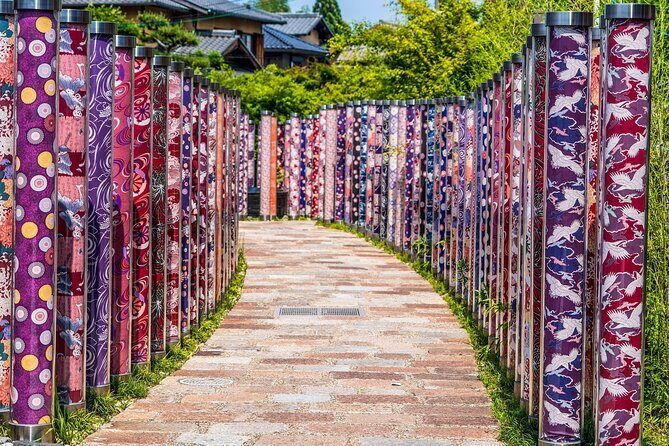
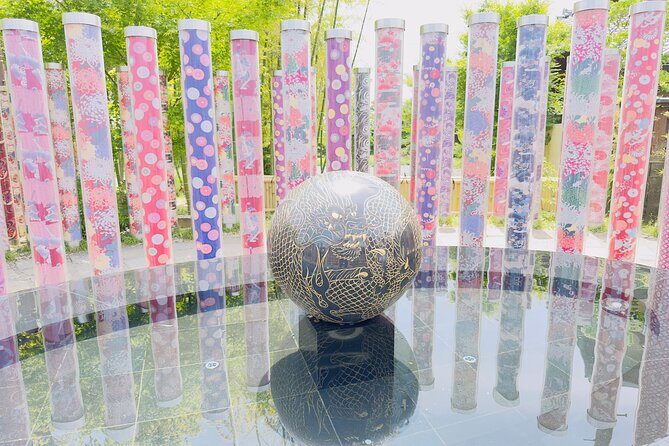
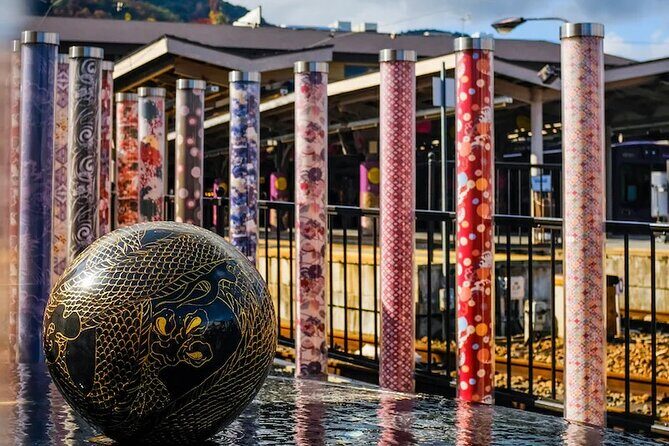
The route then moves you toward Togetsukyo Bridge, and along the way you may pass the Kimono Forest area as a photo-oriented stop. In a district full of scenic “sets,” this is the point where the visual style changes: you’re transitioning from garden calm to river-and-bridge views.
Even if you’re not buying a kimono photo, it helps to know that this area is meant for quick visual moments. Keep your eyes on the timing. The real pay-off is what comes next.
Togetsukyo Bridge: The View That Anchors the Day
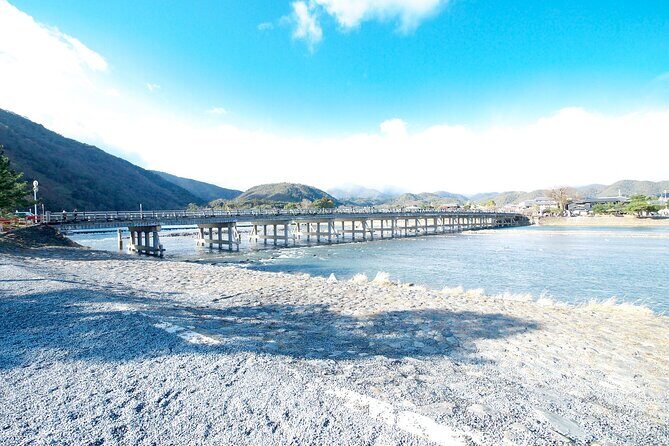
At Togetsukyo Bridge, you get a classic Arashiyama panorama over the Hozu River and surrounding mountains. This is one of those spots where everyone wants the same view, so pacing matters.
What I like about having a guide here: you’re less likely to end up stuck at the most congested angle. Instead, the group is guided to make the most of the time you have. Fifteen minutes is not long, but it’s enough if you’re ready with your best “I’ll take a few photos, then I’ll look longer” plan.
Monkey Park Iwatayama: The Hike, the Rules, and the Payoff
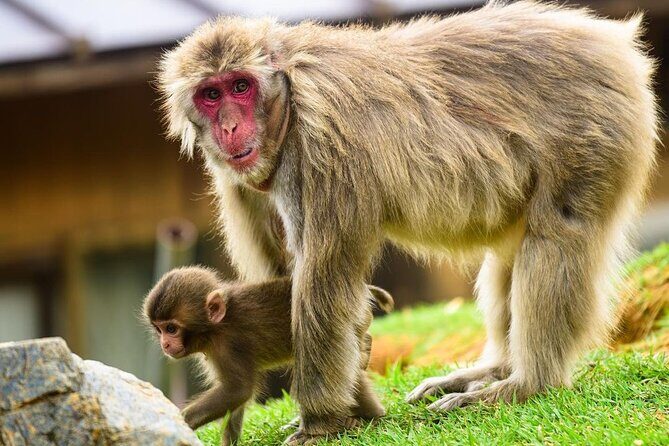
Now comes the part people talk about the most: Monkey Park Iwatayama. It’s about a 20–25 minute hike up to the hilltop, and the path is described as a bit steep.
If you like animals, it’s hard not to love this. The payoff is interaction and watching the monkeys in their environment from a viewpoint that feels elevated and dramatic. One review specifically mentions seeing 100+ monkeys running wild, which is exactly why people feel their cameras come out again.
Two practical considerations:
- Bring shoes with traction. This isn’t a flat walk, and you’ll be moving on a schedule with a group behind you.
- Expect a real workload. Even if you’re generally fit, that climb will feel like exercise after a bamboo-and-garden day.
A note on behavior and photos
The tour includes rules that affect how you document the experience. Recording and live streaming are not allowed, and smart glasses with recording capabilities are not permitted. That’s not just a tech preference—it changes how you’ll film. Plan on taking photos normally with your phone, and don’t count on video.
Lunch and Timing: How to Eat Without Wrecking Your Day
There’s a quick lunch break (about 35 minutes) during the tour, and lunch itself is not included. This is a good setup because you don’t lose half your day searching for a place to eat.
Here’s how I’d handle it: decide in advance if you’ll grab something fast and keep moving, or if you want to treat lunch as a sit-down moment. With only 35 minutes, you’ll feel rushed if you try to do both. Also, if you’re sensitive to humidity or heat, plan to carry water and take advantage of the shade when you can.
The Guide Makes the Difference (And Names Matter)
The biggest consistent theme in the guide feedback is how well they connect each stop to what you’re actually looking at. Guides like Teri/Terry, Marie/Mari, and Osin come up repeatedly for being engaging, keeping a smooth pace, and explaining history in a way that sticks.
I also liked the idea that some guides add small “extra value” moments. Reviews mention sake tasting and visits related to the kimono park vibe, plus the guide sometimes takes photos and may even provide a small souvenir photo like a polaroid. These extras aren’t guaranteed from the info alone, but they fit the broader pattern: the guide isn’t just reciting facts—they’re helping you make the day fun and photo-friendly.
What to Wear and Pack for a Comfortable Day
This tour is outdoors, and it includes climbing. I’d pack like this:
- Comfortable, grippy shoes for the monkey park hike
- Light layers (Arashiyama can feel cooler than central Kyoto according to guide-style feedback, so you’ll thank yourself later)
- Water for the climb and midday
- A plan for lunch since it’s not included
If you’re traveling with kids, this tour can work well because the monkeys are a natural attention magnet, but the hike is still the hike. If your group is less mobile, you’ll want to be honest about that 20–25 minute steep climb.
Who This Tour Fits Best
This is a strong choice if you:
- Want a high-hit itinerary without the stress of planning order
- Like having a guide explain shrines and garden design while you’re there
- Are comfortable with walking and a real hike to the monkey viewpoint
- Prefer small-group pacing (max 12) over big bus crowds
It may be less ideal if you:
- Strongly dislike steep walking
- Need recording/video for your content (the tour blocks recording and live streaming)
- Want pickup service (pickup is not available)
Should You Book the Kyoto Arashiyama Walking Tour?
I’d book it if your goal is to see Arashiyama efficiently and intelligently. The best part isn’t just bamboo and monkeys—it’s how the tour stitches together shrines, Tenryu-ji gardens, and river views into one smooth loop. At this price, you’re paying for time saved, admissions covered at major stops, and a guide who keeps the day on track.
If you’re choosing between a DIY day and a guided day, think about where you’ll spend your energy. DIY can be fine, but Arashiyama is easy to misunderstand and hard to order correctly when you’re tired. This tour handles the sequence for you—and gives you enough context that it feels like Kyoto, not just a photo circuit.
FAQ
FAQ
How long is the Arashiyama walking tour?
The tour runs about 5 to 6 hours.
What is the price per person?
It costs $65.57 per person.
Is this tour private or small-group?
You can choose a private or small-group format.
What’s included in the price?
Admission is included for the itinerary highlights such as the Nonomiya Shrine, Okochi Sanso Garden, Monkey Park, and Tenryu-ji Garden, plus the guide.
Is lunch included?
Lunch is not included, though there is a quick lunch break during the tour.
Where does the tour start and end?
It begins around the Arashiyama area near the train station and ends at a convenient central spot (the itinerary also points to the Monkey Park Iwatayama area for the end).
Is pickup available?
No, pick up is not available.
Will I be able to record or livestream during the tour?
No. Recording and live streaming are not allowed during the whole tour.
Is the tour in English?
The tour is in English only.
Is the monkey park hike steep and how long is it?
Yes. There is a 20–25 minute hike to the monkey park hilltop, and the path is described as a bit steep.