REVIEW · TOKYO
Tokyo: True Crime And Ghost Stories Tour
Book on GetYourGuide →Operated by Temples and Trails Tours Japan · Bookable on GetYourGuide
Tokyo’s nightlife turns scary fast on this walk. I love the way John turns real Tokyo events into story theater, with dark humor that never feels like a lecture. I also like the neighborhood-focused context, starting in Shinjuku around Golden Gai and then moving straight into Kabukicho. One heads-up: this isn’t for the squeamish—there’s gore-adjacent talk, adult language, and a fair bit of walking.
The tour’s spine is contrast: red-light streets and organized crime in the early part, then the heavier history tied to Unit 731 at Toyama Park, and finally eerie Japanese ghost storytelling in Aoyama Cemetery. It’s spooky, yes, but the real value is how it connects dark corners of the city to the history behind them.
It runs about 3 hours and is guided in English. You meet in front of the main Hanazono Shrine building stairs in Shinjuku (near Golden Gai), and you’ll finish up near Aoyama-Itchome Station.
In This Review
- Key things to know before you go
- Start at Hanazono Shrine, then walk into Shinjuku’s night-city mood
- Kabukicho and Golden Gai: organized crime, sex industry talk, and gang-war context
- Toyama Park’s darkest stop: Unit 731 and the ghosts that follow victims
- Aoyama Cemetery: Japanese ghost stories with Hachiko’s grave as an emotional anchor
- John’s guide performance: acting, jokes, and how he handles sensitive topics
- Price and value: what $35 buys you in a 3-hour walk
- Who should book this Tokyo true crime and ghost stories tour
- Should you book it?
- FAQ
- How long is the Tokyo true crime and ghost stories tour?
- Where do I meet, and how do I find John?
- Is this tour family friendly?
- What’s the extra cost for transportation?
- Are there entry fees for the stops?
- What language is the tour in?
Key things to know before you go
- John’s storytelling style blends humor, acting, and historical framing in a way that keeps the pace moving
- Kabukicho and Golden Gai give you a true Shinjuku “night city” start, not a sanitized version
- Toyama Park’s Unit 731 connection makes this more serious than just ghost entertainment
- Aoyama Cemetery is a huge setting for Japanese ghost lore, with Hachiko’s grave as a memorable stop
- It’s adult content plus walking, so wear shoes you don’t mind getting tested
Start at Hanazono Shrine, then walk into Shinjuku’s night-city mood
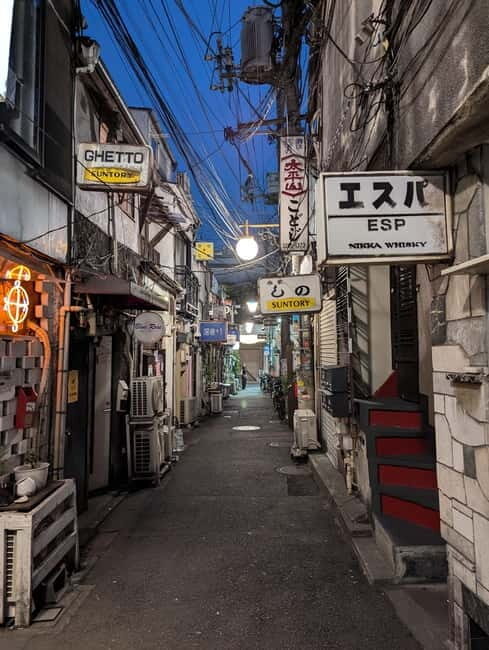
Your experience begins at Hanazono Shrine in Shinjuku. The meeting point is right in front of the stairs leading up to the main shrine building, inside the shrine grounds, near Golden Gai. This matters because the tour doesn’t start with a bus ride and a distant view of Tokyo—it starts on foot, in the same streets you’ll actually walk later when the city is lit up.
Your guide is John—a thin, bald white man—easy to spot once you’re at the stairs. He sets the tone fast. Expect dark jokes, spooky delivery, and that particular mix of “history class” and “true crime documentary” energy, but told in a street-level way that matches the areas you’re seeing.
One practical note: the shrine location is stair-heavy by nature, and the tour overall involves steady walking. If you tire easily, this is not the gentle, sit-down-and-stare-at-a-view kind of activity.
You can also read our reviews of more tours and experiences in Tokyo.



Kabukicho and Golden Gai: organized crime, sex industry talk, and gang-war context
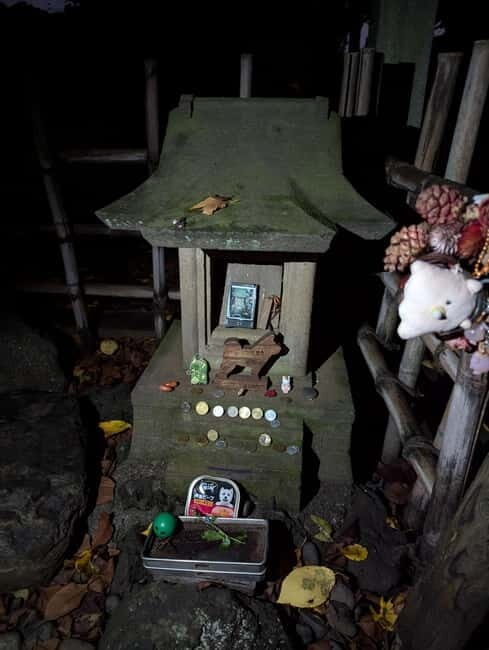
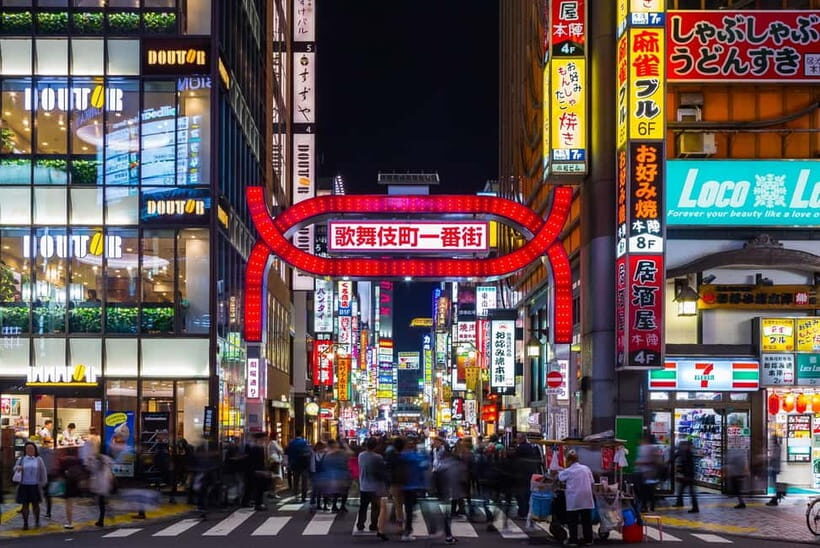
The first big neighborhood push is Shinjuku—especially Kabukicho, Tokyo’s largest red light district. This is where the tour goes from spooky stories into the city’s darker social mechanics: gang wars, shocking murders, “shirked lovers,” and a look at Tokyo’s quasi-legal sex industry.
What I like about this part is that it’s not just sensational. John gives you enough context that you can place what you’re seeing in the social history of the area, so Kabukicho doesn’t turn into a single-note “shady red lights” impression. You start to understand why this neighborhood became known for organized crime energy, and how that shaped the streets you see today.
And yes, the humor is part of the package. One traveler-friendly way to think about it: John uses irreverence to keep the tour from getting emotionally stuck in one tone. The result is a walk that feels like it’s moving, even when the subject matter is heavy.
A drawback to consider: adult language and awkward topics show up here. If you’re hoping for a family-friendly night out—or you get grossed out easily—this is where you’ll feel it most. The tour is also explicitly not designed for kids under 14, and it isn’t suitable for wheelchair users.
Toyama Park’s darkest stop: Unit 731 and the ghosts that follow victims

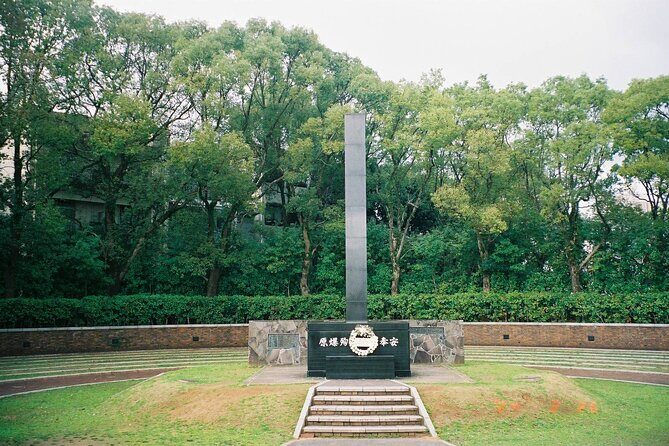
After Shinjuku’s night district, the tour shifts to something far more serious: Toyama Park. It’s described as a place shrouded in mystery, and it’s also tied to terrible crimes against humanity. The link given on the tour is to Unit 731 and its human experimentation projects.
This is the moment where the “ghost tour” label starts making more sense. The tour talks about the ghosts of victims connected to those atrocities, using that eerie framing to help you sit with what happened. It’s not just supernatural storytelling for thrills. It’s an attempt to keep the historical weight from floating away into pure horror-movie vibes.
If you’re a true crime person, you’ll probably appreciate the way John keeps the tour grounded in real historical consequences rather than pure shock value. If you’re more sensitive, you may find this the hardest stop. The content is explicitly not recommended for people who get easily grossed out.
Still, this stop has a clear travel value: it expands your Tokyo beyond the postcard map. You’re not only learning “what happened,” you’re learning how cities remember—through places that hold memory, even when the rest of Tokyo keeps moving.
Aoyama Cemetery: Japanese ghost stories with Hachiko’s grave as an emotional anchor
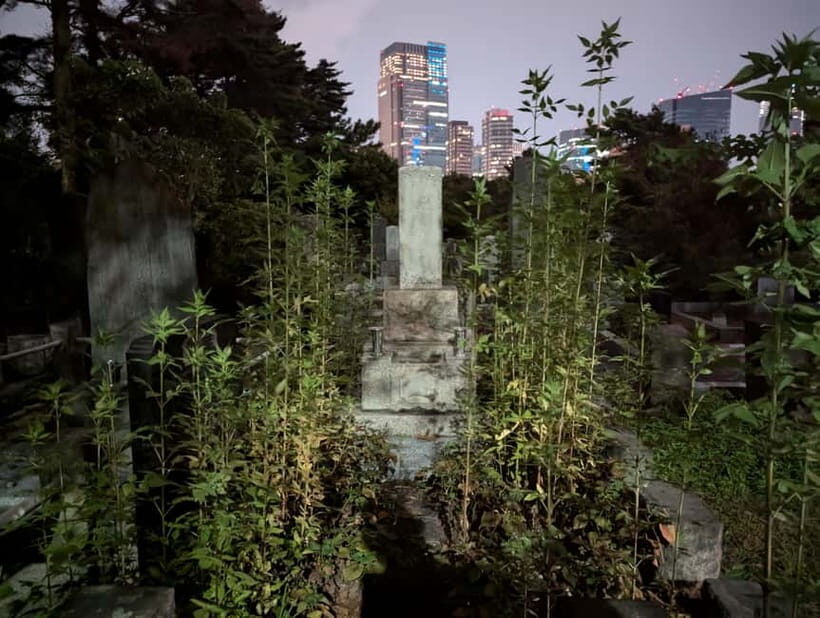
The final stretch is Aoyama Cemetery, described as the largest cemetery in Tokyo. Cemetery settings do something for ghost stories that street corners can’t. The space helps the tales land. Here, the tour leans into Japanese ghost stories in a setting that feels built for them.
The standout extra is Hachiko’s grave. It’s a famous story already, but seeing it in the context of a cemetery walk changes the emotional temperature. Instead of only fear, you get loyalty and remembrance in the middle of the spooky atmosphere.
This ending works especially well if you like tours that finish with something memorable that’s not just “one more stop.” Hachiko gives the route a human pause point. Then the tour can return to the ghost-story tone without making the whole evening feel relentlessly grim.
Expect more walking here too. If you’re doing this after a long day in Tokyo, plan for comfort first. This is also the part where darkness can feel more intense—bring a light layer and keep your footing in mind around evening paths.
John’s guide performance: acting, jokes, and how he handles sensitive topics
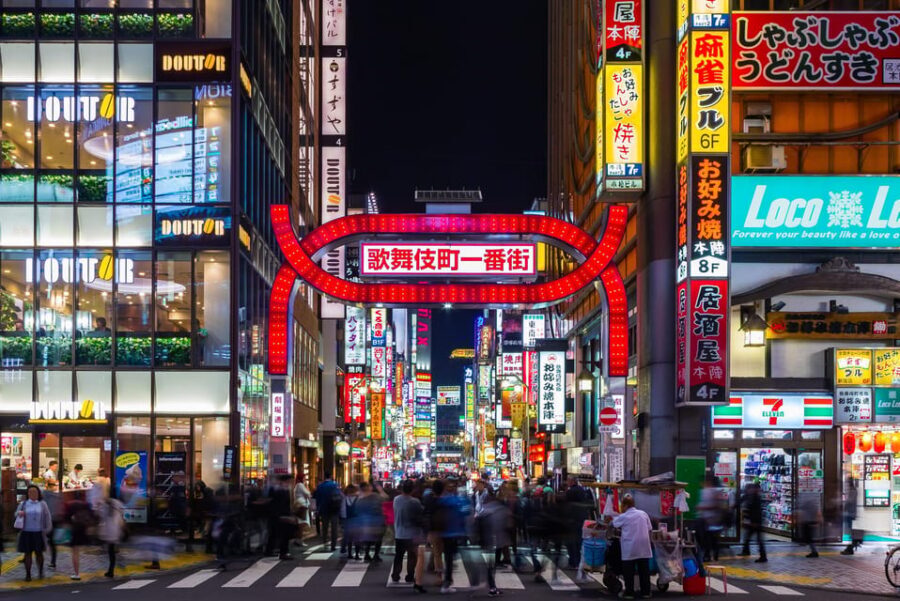
John is the reason this tour gets such consistent praise. His style is part scholar, part storyteller, part actor. He’s very comfortable performing the tone: dramatic ghost retellings, sharp punchlines, then historical context to glue it all together.
What I find practical in his approach is how he keeps the story threads understandable. He doesn’t just throw names and dates at you. He connects what happened to why the neighborhood or place matters. That’s what makes the walk feel like more than a list of “spooky coordinates.”
He also handles questions. If something hits you as you walk—crime history details, the meaning of what you’re hearing, or just how Tokyo works—John is set up for conversation rather than strict one-way lecturing. A lot of tour guides are good at talking; John is good at storytelling that invites you to stay with him.
One more detail that affects the experience: the humor is dark and occasionally awkward, so the tour includes moments that might feel censored depending on the group. If you’re the type who can enjoy jokes while still respecting serious history, this tone can be a good fit. If you prefer content that stays strictly respectful and non-gimmicky, you may find it too irreverent.





Price and value: what $35 buys you in a 3-hour walk
At $35 per person for about 3 hours, this is priced like an “experience-first” city tour rather than a museum-style guided visit. You’re paying for John’s time, English-language storytelling, and the walking route that strings together four major atmosphere changes: Kabukicho, Toyama Park, and Aoyama Cemetery (plus the Shinjuku shrine start).
Two value notes make the math easier:
- There are no entry fees for the stops along the route.
- Transportation is small but real—budget 200 yen for getting between points.
Also, dinner isn’t included, so don’t plan to treat the tour as a meal substitute. The best move is to plan a late snack or a full dinner after, depending on how hungry you are when you finish at Aoyama-Itchome Station.
Is it worth it? If you want Tokyo with friction—real underbellies, darker history, and ghost stories told with personality—yes. If you want gentle sights and light conversation, this price would likely feel expensive for what you’ll tolerate.
Who should book this Tokyo true crime and ghost stories tour
You’ll probably love this if you:
- Like true crime and urban legends with historical context
- Enjoy tours where the guide performs the story, not just recites facts
- Can handle adult topics and dark humor without needing the content toned down
You should probably skip if:
- You tire easily or don’t like walking long segments
- You get grossed out by sensitive topics
- You need strictly family-friendly storytelling
- You use mobility support devices (wheelchair users aren’t suitable)
If you’re traveling with friends, it can also be a fun “shared reaction” type of experience—especially because John keeps the pace lively. Just make sure everyone in your group is on the same page about the tone before you meet at Hanazono Shrine.
Should you book it?
Book this tour if you want Tokyo’s darker side with a guide who can turn history and ghost lore into an actually engaging night walk. The value is strongest when you enjoy the mix of Kabukicho atmosphere, Toyama Park history tied to Unit 731, and Aoyama Cemetery ghost stories, all delivered by John’s acting-style humor.
Don’t book it if you want comfort over content, or if you’re sensitive to gore-adjacent material and adult language. This is a three-hour experience with edge—and it’s best when you’re ready for that.
FAQ
How long is the Tokyo true crime and ghost stories tour?
The tour lasts 3 hours.
Where do I meet, and how do I find John?
Meet just in front of the stairs leading up to the main shrine building inside Hanazono Shrine in Shinjuku near Golden Gai. Your guide is John, described as a thin, bald white man. Check your emails or the GetYourGuide app messages for any extra meeting details.
Is this tour family friendly?
No. It is not suitable for children under 14, and it includes dark/dirty humor and adult language at times.
What’s the extra cost for transportation?
Transportation fees are not included, and the tour notes an extra 200 yen for getting between points.
Are there entry fees for the stops?
The tour states there are no entry fees for anything along this route.
What language is the tour in?
The live guide offers the tour in English.