REVIEW · TOKYO
Kintsugi Experience: Art of Golden Joinery in Tokyo
Book on Viator →Operated by Beauty of Japan · Bookable on Viator
Broken pottery turns into golden meaning. This hands-on Tokyo kintsugi lesson teaches the why and the how, and you leave with a repaired piece that feels personal. I like the small group setup (no more than 10 people), and it can include a chance to meet Master Taku in the 11:00am class, but there’s one key catch: kids under 6 can’t enter the atelier for safety.
The class is built around Japanese philosophy—breakage isn’t the end of the story. You’ll refinish a studio-provided plate using lacquer mixed with gold, then wear a samue while you work. Plan for an hour, and go in ready to focus: this isn’t just watching a demo.
In This Review
- Key things I’d plan around
- Kintsugi in Tokyo: why this lesson feels different
- What happens when you arrive at Minami-Aoyama
- The core skill: repairing with lacquer mixed with gold
- What you’ll make (and what you can’t bring)
- The philosophy part: what you’re really learning
- Price and value: is $59.69 worth it?
- How easy is it to do? Logistics that matter
- Timing: when the Master Taku moment might happen
- Who this kintsugi workshop is best for
- Should you book the Kintsugi Experience in Tokyo?
- FAQ
- How long is the kintsugi lesson in Tokyo?
- How much does the experience cost?
- Do I get to take my repaired piece home?
- Are personal ceramics allowed, or do I use a plate provided by the studio?
- Is there an age limit?
- What group size should I expect?
- Is food and drink included?
- Is it refundable or changeable if I need to adjust my plans?
- How do I find the meeting point and get there?
Key things I’d plan around
- You work on a provided plate, not your own ceramics (personal items aren’t allowed)
- Gold-lacquer repair is the main skill—you’ll learn the steps, not just admire finished pieces
- Small group pace keeps the class feeling hands-on
- Chance to meet Master Taku for the 11:00am session
- Safety rule for young kids means no atelier entry under age 6
- One-hour lesson with a souvenir you can actually take home
Kintsugi in Tokyo: why this lesson feels different

Kintsugi is often marketed as a craft class, but what I like about doing it in Tokyo is how naturally it connects to everyday Japanese attitudes about wear, repair, and time. You’re not just fixing an object—you’re learning a mindset: damage becomes part of an item’s history, not a reason to hide it.
The studio frames the lesson clearly. You start with the idea that a broken piece still has value, then you move into technique so you can see how that belief turns into something physical. That mix of meaning and method is what makes the hour feel worth it, even if you’re not a “craft person.”
You can also read our reviews of more tours and experiences in Tokyo.



What happens when you arrive at Minami-Aoyama
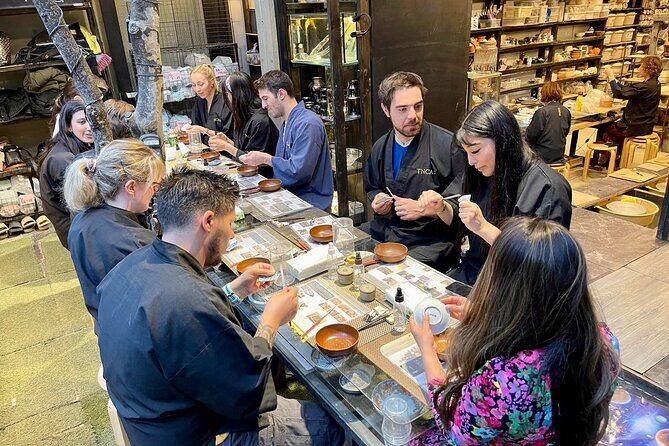
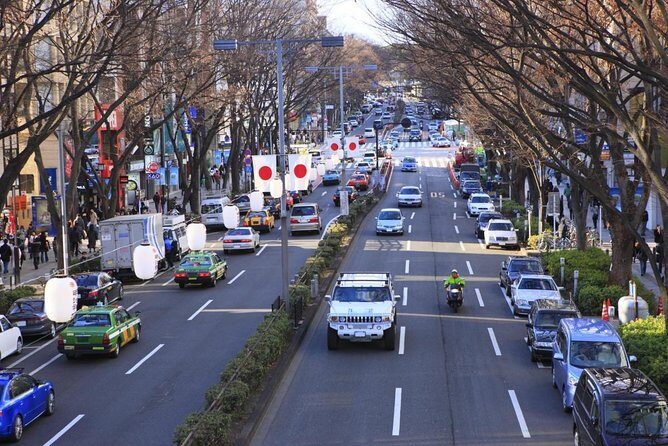
Your workshop runs from a studio in Minami-Aoyama, in the Minato City area. It’s also convenient to plan alongside Omotesando, since these neighborhoods sit close enough that you can combine this with other shopping and walking time if your schedule is flexible.
When you get there, you’ll check in, meet your instructor and your small group, then put on a samue. That garment isn’t a gimmick. It sets the tone: you’re doing careful, slow work, the kind where attention matters more than speed.
The class is capped. You’ll be in a group of no more than 10 guests, and the experience has a maximum of 20 travelers overall. In real terms, that means you’re not one face in a crowd. You can ask questions and get help while you’re actively working.
The core skill: repairing with lacquer mixed with gold
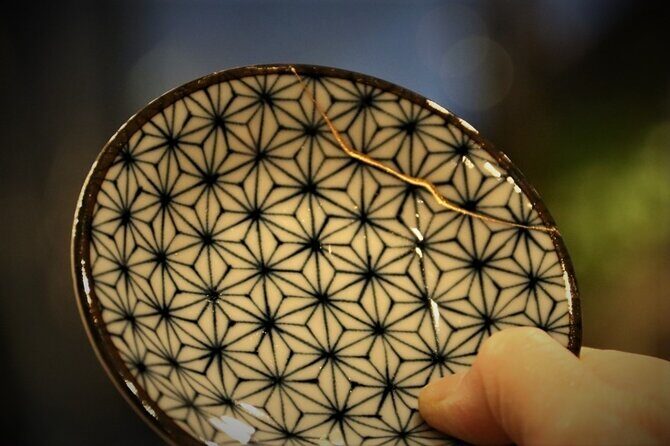
The heart of the experience is kintsugi itself—repairing a ceramic piece with lacquer mixed with gold. In your case, the studio provides the ceramic plate, and that’s what you’ll refinish and take home after the lesson.
The instructor guides you through the process step-by-step over about an hour. You’re learning technique, so you can’t coast through it like a casual souvenir photo stop. Still, the class is designed to be accessible. You don’t need prior art experience, and the format is built for first-timers.
One detail I appreciate: the lesson doesn’t pretend the work is automatic. It teaches you what you’re doing and why each step matters. That’s how the repaired result looks intentional rather than accidental.
What you’ll make (and what you can’t bring)
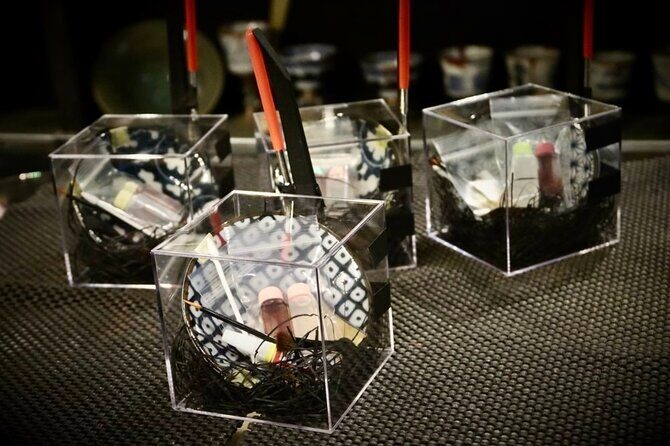
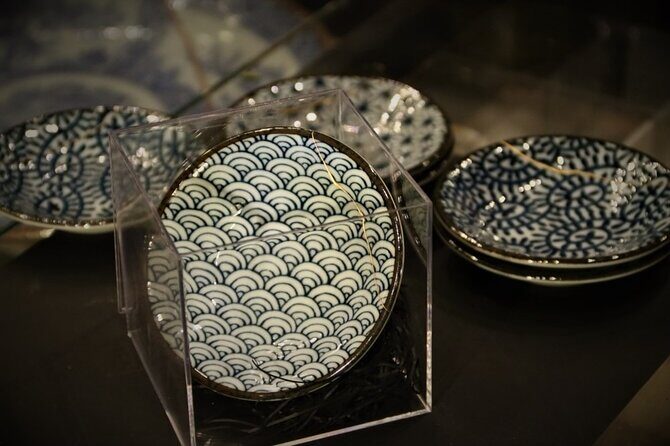
You’ll work on a studio-supplied plate. Personal pottery items aren’t allowed, so don’t plan to bring your own chipped bowl or mug and expect to repair it. The class is set up for one consistent starting point, which keeps the timing manageable and the results more consistent.
The payoff is a souvenir you can use. You’re not bringing home a postcard version of kintsugi—you’re taking home a repaired item made during the session. That makes the lesson feel like a memory you can keep on a shelf or in a drawer, and it also makes it easier to share the story later.
If you’re traveling light, this is a smart choice compared with heavier take-home crafts. Just remember: you’re dealing with a repaired ceramic item and you’ll want to transport it carefully.
The philosophy part: what you’re really learning
Kintsugi is famous for its golden seams, but the lesson’s real value is the philosophy behind it. You’ll learn the Japanese belief that breakage and repair are part of an object’s history, not a reason to throw it away. That framing changes how you look at everyday things back home.
In the classroom, you’ll get cultural context alongside technique—how traditional Japanese craft values show up in repair work and why “beautiful imperfection” isn’t a casual slogan here. The atmosphere tends to be calm and focused, and you’ll feel that shift as you work.
One practical bonus: when you understand the mindset, you’ll also understand why the seams and visual lines are part of the design, not just a repair trace.






Price and value: is $59.69 worth it?
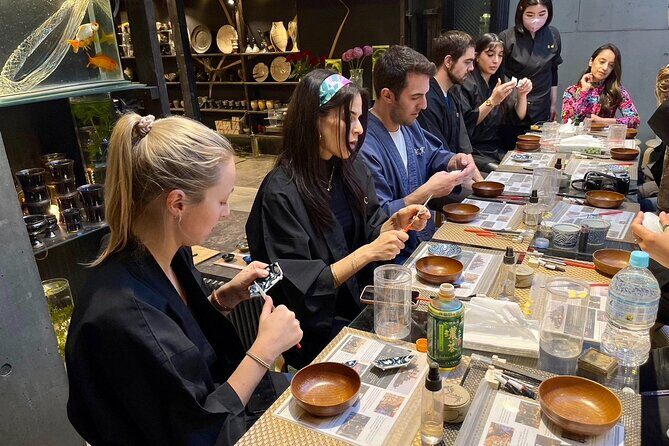
At $59.69 per person, this is priced like a hands-on workshop rather than a museum-style cultural visit. The value comes from three things you’re actually getting:
- A finished souvenir you made yourself (the repaired plate)
- Guided instruction in both philosophy and technique
- A limited group size that keeps the class from feeling rushed
It’s not cheap in the simple “I’m paying for an hour” way. But if you consider that you’re paying for materials, setup, instruction, and the take-home object, the cost starts to make sense fast. Also, the lesson includes all necessary equipment and all taxes, fees, and handling charges—so you’re less likely to hit surprise add-ons on the day.
You may also see group discounts listed. If you’re traveling with friends, it’s worth booking together so you can take advantage of that.
How easy is it to do? Logistics that matter
This experience is designed for most people to participate, and it’s near public transportation. That matters because studio workshops lose value if you spend the first 20 minutes hunting the place down.
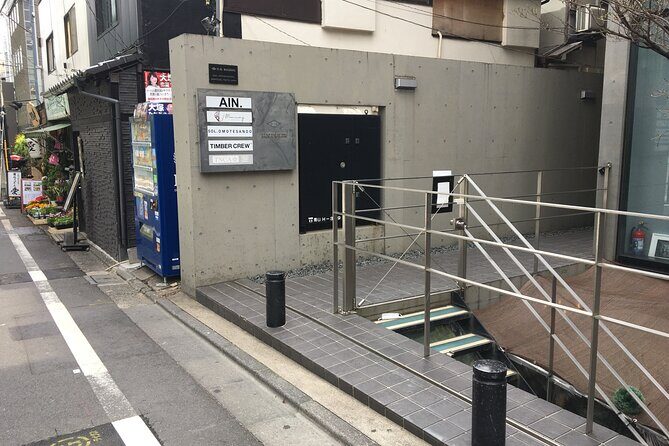
Still, I’d plan for the practical side. One negative note from past experience is that the location can be difficult to find if you show up right as class begins. You’ll avoid stress by giving yourself buffer time and using the metro as your main navigation tool once you’re in the area.
Meeting is at the TNCA Minami-Aoyama Studio, 3-chōme-8-2 Minamiaoyama, Minato City, Tokyo 107-0062, Japan. The activity ends back at the meeting point.
Timing: when the Master Taku moment might happen
The class can include a chance to meet Master Taku in the 11:00am class. If that name matters to you—because you’re specifically interested in the atelier’s leadership—choose the 11:00am slot. If you’re more focused on just getting the hands-on repair done, the main value is the lesson itself, regardless of the time.
Since the total duration is about an hour, you can often plug this into a morning or early afternoon without breaking your whole day.
Who this kintsugi workshop is best for
This is a great fit if you want more than a quick cultural stop.
You’ll especially like it if:
- You like making things with your hands and want a usable souvenir
- You want the cultural meaning behind Japanese craft, not just the technique
- You prefer small groups where instructions reach everyone
- You want a calm, focused activity that doesn’t require any prior training
It may be a less ideal fit if:
- You’re hoping to repair a personal item you already own (the studio provides a plate and personal ceramics aren’t allowed)
- You’re traveling with kids under 6 (they can’t enter the atelier for safety reasons)
- You’re the type who needs flexible refunds or date changes (this one isn’t set up that way)
Should you book the Kintsugi Experience in Tokyo?
Yes, I think you should book it if you want a hands-on craft lesson with real cultural meaning—and you value taking something home that feels made by you. For most people, the sweet spot is: you get technique, you get context, and you leave with a repaired plate you can keep.
Before you commit, do two quick checks:
- Make sure you’re booking the right date and time. Changes aren’t something the experience is built to handle.
- Decide whether you’re okay with the studio-provided plate rule. If you were hoping to repair your own ceramics, this class won’t match that plan.
If those fit your expectations, this is one of those Tokyo experiences that turns a short time into a lasting story—golden seams and all.
FAQ
How long is the kintsugi lesson in Tokyo?
The lesson is about 1 hour.
How much does the experience cost?
It costs $59.69 per person.
Do I get to take my repaired piece home?
Yes. You’ll repair a ceramic plate during the class, and you can take that repaired item home as a souvenir.
Are personal ceramics allowed, or do I use a plate provided by the studio?
You use a plate provided by the studio. Personal items aren’t allowed.
Is there an age limit?
Yes. Under 6 years old can’t enter the atelier for safety reasons.
What group size should I expect?
The class has a capped group size of no more than 10 guests.
Is food and drink included?
No. Food and drinks are not included.
Is it refundable or changeable if I need to adjust my plans?
It’s non-refundable and cannot be changed for any reason. If you cancel or ask for an amendment, you won’t get your money back. If the minimum number of travelers isn’t met, you’ll be offered a different date/experience or a full refund.
How do I find the meeting point and get there?
The meeting point is at TNCA Minami-Aoyama Studio (3-chōme-8-2 Minamiaoyama, Minato City). It’s near public transportation.