REVIEW · TOKYO
EDOCCO Tea House–A Quick Dive into Japanese Traditional Culture
Book on Viator →Operated by EDOCCO STUDIO · Bookable on Viator
Tea, dance, and calligraphy in one hour.
EDOCCO Tea House gives you a tight, hands-on slice of Japanese tradition with matcha and sweets plus shodo and origami in the same visit. You’re also treated to a Japanese dance performance with English explanations, so you’re not just watching—you’re following the story behind what you see. One trade-off: the dance portion can feel short if you’re hoping for a longer stage show.
The big plus here is the pace. In a small setting (maximum 20 people), the staff focuses on clear instruction and keeps the hour moving without turning it into a frantic checklist. I also like that you get the full “visual Japan” moment with kimono cosplay, plus you leave with actual paper-and-ink creations instead of only photos.
Just know that the tea-kit tools used for making matcha are available to buy, but they’re not included automatically. If you’re the type who wants the full set to recreate the ceremony later, you’ll need to decide on that purchase separately.
In This Review
- Key Highlights You Should Know Before You Go
- Tokyo’s EDOCCO Location: Easy to Reach, Worth the Small Effort
- Is It Worth $72.48? A Value Check for an Hour of Culture
- The Flow of the Experience: Matcha First, Then Performance
- Making Matcha the Edo Way: What You’re Actually Learning
- Kimono Cosplay: A Photo Moment With Real Cultural Context
- Shodo Calligraphy and Origami: Your Two Take-Home Skills
- Shodo (Japanese Calligraphy)
- Origami Mini Workshop
- English Explanations and a Small-Group Pace That Doesn’t Rush You
- Who Should Book This and Who Might Want a Different Option
- Practical Tips for a Smoother Hour in Chiyoda
- Should You Book EDOCCO Tea House? My Straight Answer
- FAQ
- How long does the EDOCCO Tea House experience take?
- What is included in the price?
- Is a matcha set included?
- Where do I meet for the experience?
- What group size should I expect?
- What happens if the weather is poor or I need to cancel?
Key Highlights You Should Know Before You Go
- A one-hour schedule that packs five cultural activities without dragging
- English explanations during the dance show and instruction-heavy parts
- Kimono cosplay that adds atmosphere and great photo moments
- Hands-on shodo and origami where you create something you can keep
- Small group size (up to 20) that helps you get questions answered
Tokyo’s EDOCCO Location: Easy to Reach, Worth the Small Effort
EDOCCO Tea House is in Chiyoda City, in Sotokanda (Sotokanda 2-chōme, to be exact), near public transportation. That matters because this experience is only about an hour. You don’t want your day eaten up by complicated directions.
If you’re using the subway, one real-world route from a past guest is to take the Marunouchi Line to Ochanomiza (M20). From there, they described crossing the road, going up to a pedestrian overpass, turning left, and then taking the first right at the intersection. It’s the kind of walk that feels short once you’re moving, but it does help to look up the address (EDOCCO 2-chōme-16-2 Sotokanda) the day of your visit.
Arrive a few minutes early. Not because you’ll wait forever, but because you’ll likely want a calm moment to settle in before the program starts. These cultural sessions run best when you’re not rushing with a phone in your hand and a half-eaten snack in your other.
You can also read our reviews of more tours and experiences in Tokyo.



Is It Worth $72.48? A Value Check for an Hour of Culture
The price is $72.48 per person for an experience that runs about 1 hour, and the booking trend suggests it’s wise to reserve ahead (on average, booked about 17 days out). So the question is simple: what do you actually get for that money?
You get a structured set of experiences that usually cost you separately if you piece them together on your own: matcha ceremony time with snacks, a dance show, kimono dressing, plus a calligraphy lesson and an origami workshop. The included snacks set is matcha and Japanese sweets, and those small details matter because they turn “watching” into “participating.”
Also, you’re not stuck in a massive group. With up to 20 people, it’s realistic for the instructors to notice if you’re confused about the brush strokes or paper folding steps. The reviews highlight how patient and attentive the team can be, and that’s exactly what you want when the activities require coordination and a little fine-motor practice.
One practical note: the matcha making tools and set aren’t included. If the staff mentions a purchase option for the matcha bowl, matcha powder, bamboo whisk, and related tools, treat that as optional. You can enjoy the ceremony without buying anything. But if you want to recreate it at home, plan for the extra cost.
The Flow of the Experience: Matcha First, Then Performance
The session starts at EDOCCO Studio, and the schedule is designed like a sequence of small “stations.” That’s one reason it works so well for people who don’t want a full half-day of structured activities.
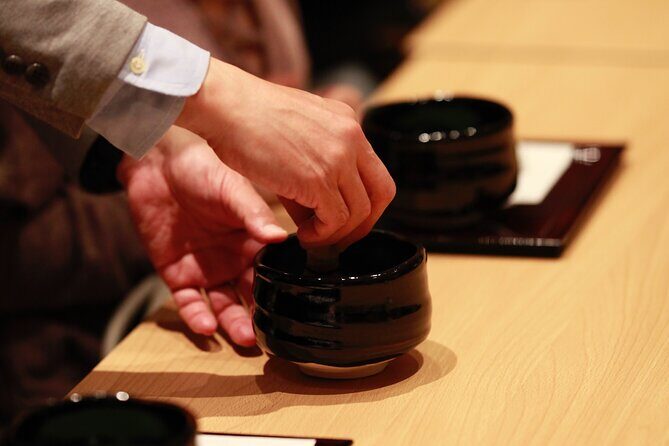
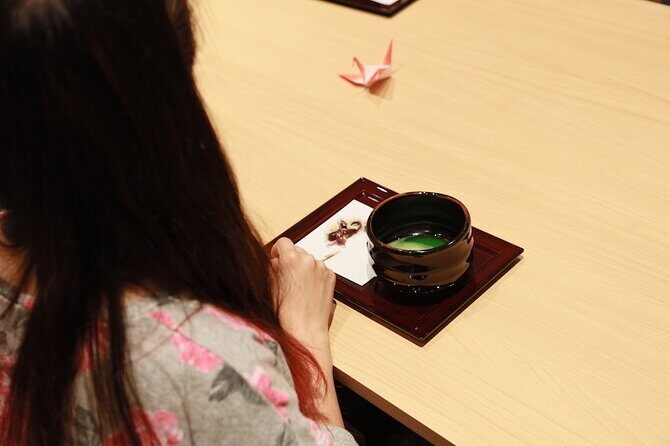
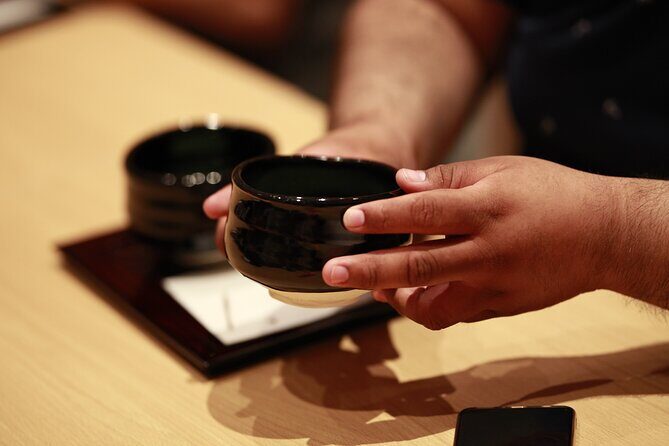
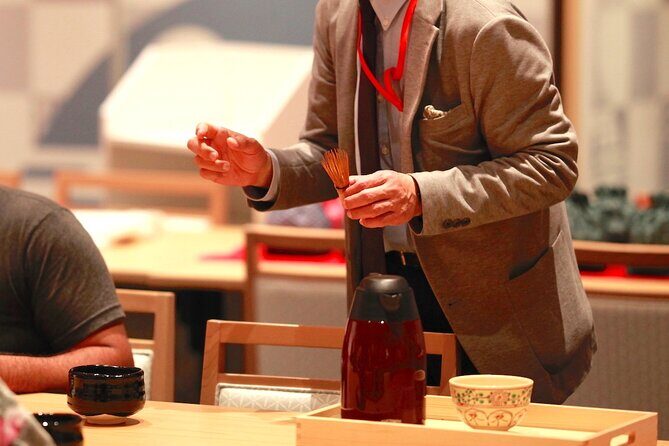
First comes the tea ceremony component. You’ll be making or preparing matcha, and you’ll get the snack set that goes with it: matcha and Japanese sweets. The key value here isn’t just the taste (though it’s usually a pleasant break from the rest of your sightseeing). It’s the ritual logic—how each step connects to the feeling of the ceremony.
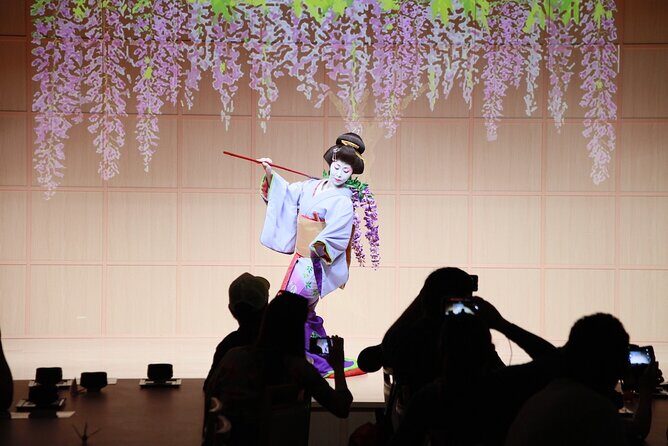
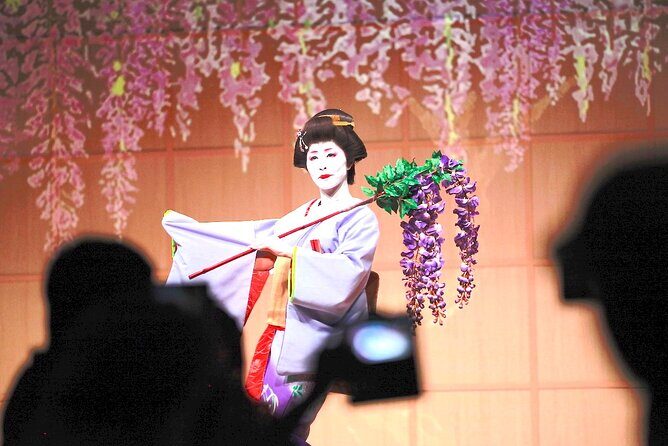
Then there’s the Japanese dance show. Many past participants mention a Geisha-style performance, and what you get is a performance plus English explanations. That pairing is smart. Dance is one of those things where you can either watch “cool movement” or you can understand the role of the gestures, rhythm, and meaning. The English context helps you do the second one.
One consideration: the dance show may be brief. A lower rating pointed out that the performance was under about 10 minutes. So if you’re a dance-nerd who wants a longer stage experience, set expectations accordingly. You’re buying a multi-part cultural hour, not a full evening performance.
Making Matcha the Edo Way: What You’re Actually Learning
Matcha isn’t just a drink in Japan. It’s a lesson in attention. In this experience, you get an instructor-led introduction to preparing and serving matcha, with an emphasis on the “delicate process” rather than speed or showmanship.
What this means for you:
- You’ll learn the basic rhythm of the ceremony rather than just taking a sip.
- You’ll have a chance to ask questions in English, which removes the biggest barrier for first-timers.
- The snack pairing (Japanese sweets) helps you understand why matcha is served with something sweet alongside it.
One helpful thing is that you don’t need to bring anything specific. You’re given the structure and guided steps. That makes it a good “starter” culture activity, especially if it’s one of your first tastings or first introductions to Japanese arts.
Kimono Cosplay: A Photo Moment With Real Cultural Context
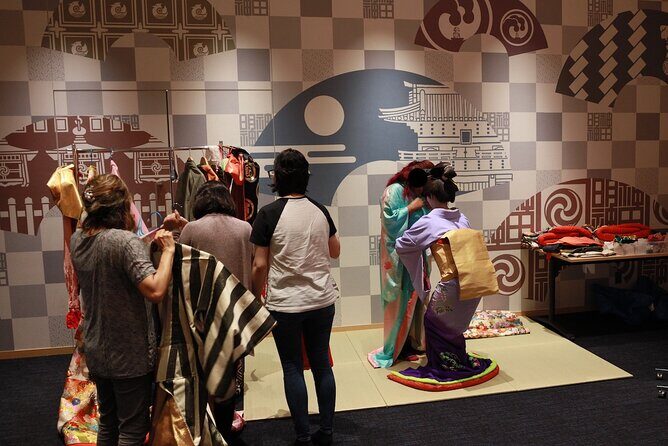
Next is the kimono cosplay experience. This is where the atmosphere shifts quickly. Reviews mention the kimono dressing process as a favorite, and the point isn’t just dressing up—it’s being in the right visual frame for the rest of the arts.
You’ll put on the kimono and experience that “stepped into another time” feeling that many visitors chase in Japan. One review specifically mentioned kimono photo moments as a highlight, which tells you what to expect: you’ll likely have time to enjoy the look and capture it.
One small heads-up: kimono dressing can be awkward if you try to move like you normally do. So wear comfortable shoes, keep your schedule unhurried, and treat this like a calm activity. The goal is to enjoy the process and the photos, not to sprint between poses.






Shodo Calligraphy and Origami: Your Two Take-Home Skills
This is where the experience becomes truly memorable. Watching arts is fun, but doing them is how they stick.
Shodo (Japanese Calligraphy)
In the calligraphy part, you learn basics of brush strokes and create your own character. The instructor support is a big deal here. Calligraphy looks simple until you try it. Getting guidance on stroke direction and pressure turns it from guesswork into a real skill-building moment.
Past reviews also praised the main calligraphy instructor and the patience of the team. Names that came up include Ori and Mr. Bambu, both described as friendly, informative, and detail-oriented.
If you’ve ever practiced writing characters and wondered why some strokes look effortless, this is the kind of workshop that explains the logic behind the look.
Origami Mini Workshop
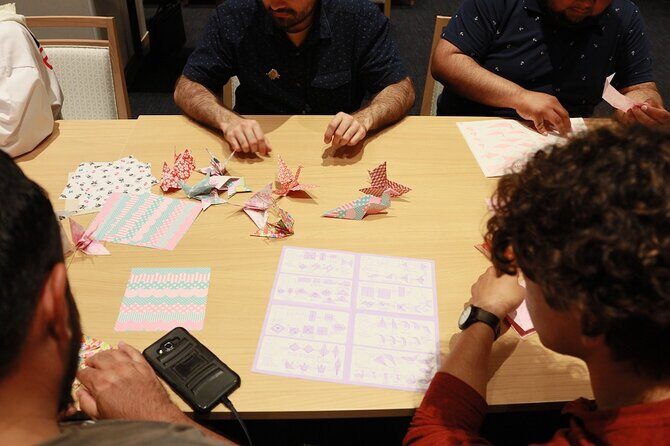
Then you switch to origami. You’ll learn traditional paper folding, starting with simpler designs such as cranes and moving toward designs that feel a bit more intricate depending on the session. The value of this workshop is that it’s tactile and easy to follow even if you’re not “good at crafts.”
Origami also becomes a second souvenir. One review mentioned leaving with two great momentos, which lines up perfectly with this setup: calligraphy and paper art. If you want proof that your hour wasn’t just entertainment, these creations are it.
English Explanations and a Small-Group Pace That Doesn’t Rush You
A lot of short experiences fail for one reason: they rush. EDOCCO’s program seems to avoid that. The group size stays small (maximum 20), and the staff is set up to guide you through multiple activities without leaving you stranded.
English support is called out often, and that’s a major plus for first-timers. When the dance show includes explanations in English and the instructors speak clearly during hands-on parts, you don’t have to guess your way through the meaning.
The staff names that appeared in feedback matter because they suggest consistency and personality in teaching. Ori and Mr. Bambu show up repeatedly in positive comments as instructors who explain history and culture and keep people comfortable while learning. I’d treat that as a signal that you’ll be in capable hands.
And yes, on busy days, you may share the space with other people. But the design of the hour means you’re still actively participating, not just standing in a line waiting your turn.
Who Should Book This and Who Might Want a Different Option
I’d book EDOCCO Tea House if:
- You want a short, structured intro to Japanese arts without planning separate activities.
- You like hands-on culture: brush work and paper folding are more engaging than museum-only visits.
- You’re traveling with kids or you want something that feels interactive and friendly. Reviews mention it working well for families and children (including ages around 8–11).
I’d consider a different option if:
- You’re mainly a dance lover and want a longer, uninterrupted performance. One review flagged the dance portion as too short.
- You prefer deep academic lessons. This is more “learn by doing” than “lecture-style history.”
Also, it’s a nice choice for solo travelers too. One comment described a time when it was just the person and their partner, and the experience still ran smoothly. Even if that’s not guaranteed, small-group scheduling usually keeps things personal.
Practical Tips for a Smoother Hour in Chiyoda
Here are a few smart moves that line up with how the experience is set up:
- Wear comfortable clothes. You’ll handle arts materials and you’ll also dress in kimono cosplay, so flexibility helps.
- Don’t overpack your schedule before this. It’s about an hour, and you’ll want your brain fresh for the instructions.
- Have a plan for your photo strategy. Kimono dressing is visual, and you’ll want both wide shots and close-ups of your calligraphy and origami.
- If you’re tempted by the matcha tool purchase, decide in advance what you want. The matcha set is available for purchase, but not included, so it’s better to treat it as a thoughtful add-on rather than an impulse buy.
This is one of those experiences where small details matter. Showing up calm makes it easier to enjoy the quiet parts—like learning brush strokes and focusing on the matcha steps.
Should You Book EDOCCO Tea House? My Straight Answer
If you want an easy win—Japanese tea, dance context, kimono time, and two hands-on art workshops in one hour—yes, I think EDOCCO Tea House is a strong booking. The value is in the variety and the structure. You’re not paying just for a photo moment; you’re paying for instruction that gets you creating something with your hands.
The only real “watch out” is the dance duration. If your top priority is a long performance, you might feel under-satisfied. But if you want a balanced cultural sampler that still feels personal thanks to the small-group size, this is an excellent pick.
FAQ
How long does the EDOCCO Tea House experience take?
It lasts about 1 hour.
What is included in the price?
The price includes a snacks set of matcha and Japanese sweets, a Japanese dance show appreciation, calligraphy experience, origami experience, and Japanese dress cosplay (kimono).
Is a matcha set included?
No. Matcha-making tools and a matcha set (tea bowl, matcha powder, bamboo whisk, and other tools) are available for purchase, but they are not included.
Where do I meet for the experience?
You’ll meet at EDOCCO2-chōme-16-2 Sotokanda, Chiyoda City, Tokyo 101-0021, Japan. The activity ends back at the meeting point.
What group size should I expect?
The experience has a maximum of 20 travelers.
What happens if the weather is poor or I need to cancel?
The experience requires good weather, and if it’s canceled due to poor weather you’ll be offered a different date or a full refund. You can cancel up to 24 hours in advance for a full refund.