REVIEW · TOKYO
Okonomiyaki making experience~Japanese popular food
Book on Viator →Operated by Bancre Inc. · Bookable on Viator
Tokyo street food tastes better when you make it.
This okonomiyaki making experience turns a classic Japanese comfort food into a hands-on cooking moment, with a hot griddle and toppings you control. I like that you can choose seafood or meat, and the class is set up so you’re not just watching—you’re actually cooking your own pancake.
One thing to consider: you’ll want to dress for a bit of kitchen heat and being on your feet for the cooking portion. And because it depends on conditions, plan for the possibility of a schedule change if weather turns iffy.
In This Review
- Key things to know before you go
- Why Shinjuku okonomiyaki is a smart “food day” move
- What you cook in this 1-hour okonomiyaki class
- Seafood vs meat: how to choose your okonomiyaki style
- The griddle moment: what happens from start to finish
- English support and who helps you cook
- Price and value: is $39 worth it?
- Practical tips so you enjoy the class without friction
- Who this class is best for
- Should you book the okonomiyaki making experience?
- FAQ
- How long is the okonomiyaki making experience?
- Where does the class start?
- What does the price include?
- Is bottled water included?
- Do I get to choose between seafood and meat?
- What condiments are used on the finished okonomiyaki?
- Is this a private activity?
- How do I receive access to the tour?
- What if the weather is poor?
- Can I cancel and get a full refund?
Key things to know before you go
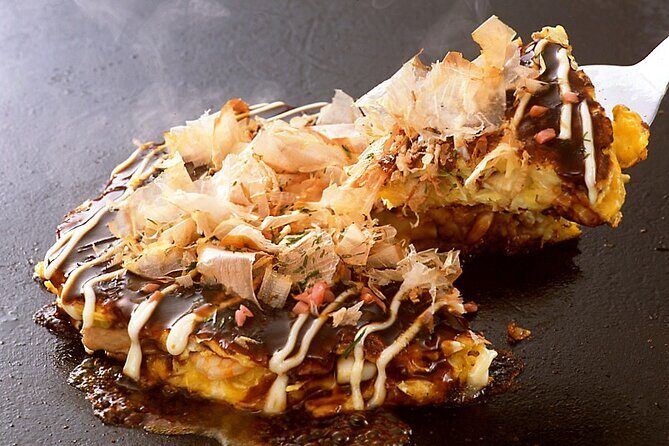
- Private class for your group: you’ll cook with your own party rather than mixing into a big crowd.
- You pick seafood or meat: decide your filling style up front and build from there.
- A griddle-centered format: the fun part is cooking the pancake on the hot plate, not just learning theory.
- English support is built in: guides and a translator help you follow each step.
- You may make a second one to take home: a recent guest described making another okonomiyaki for later.
- 1 hour is plenty: long enough to mix, cook, finish, and enjoy, without eating up your whole day.
Why Shinjuku okonomiyaki is a smart “food day” move
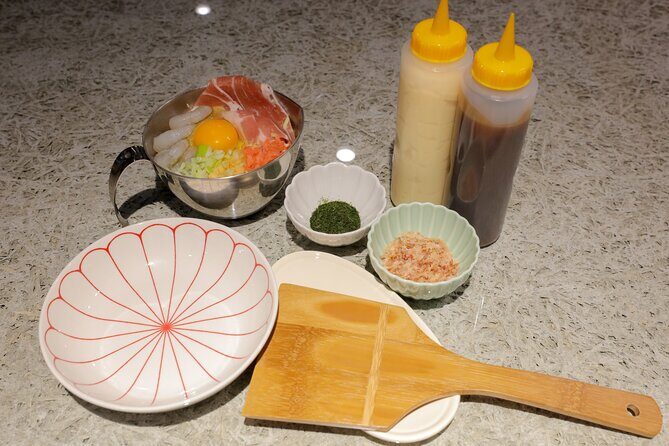
Okonomiyaki has a simple appeal: it’s part pancake, part savory comfort meal, and it changes depending on what you put inside. In Tokyo, that’s exactly the kind of dish you want to learn in a class, because the technique is the point. Even if you already love eating it in restaurants, making it yourself gives you the feel for thickness, heat control, and how toppings pull everything together.
Shinjuku is also a practical base. You’re in one of the easiest areas to reach by public transport, and the meeting point is set in a clear address (Shinjuku City, Shinjuku, 3-chōme) at a building with a specific floor number. For a 1-hour activity, that kind of straightforward setup matters.
The biggest value here is not food trivia. It’s turning a popular street-food style dish into a skill you can repeat later. You’ll learn how the batter comes together, how the cabbage and chosen proteins get folded in, and how the finished okonomiyaki looks when it’s properly cooked and topped.
You can also read our reviews of more food & drink experiences in Tokyo


What you cook in this 1-hour okonomiyaki class
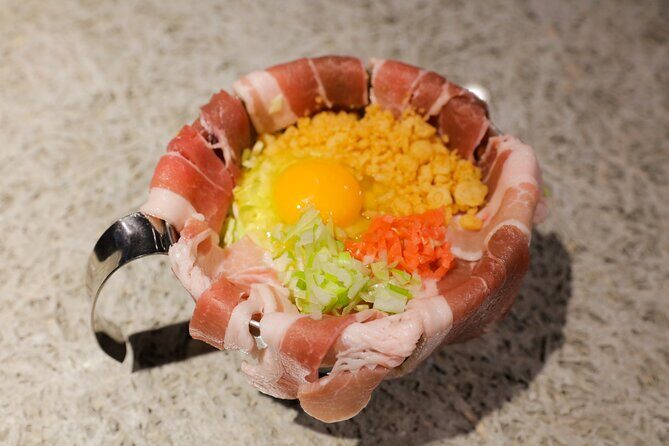
This experience is built around the core structure of okonomiyaki: a savory batter made from flour and eggs, mixed with water, plus key add-ins like cabbage and either meat or seafood (and the class also references noodles as a possible ingredient). Then you cook it on a griddle, and you finish it with classic condiments.
The flow is straightforward, which is exactly what you want in a short class:
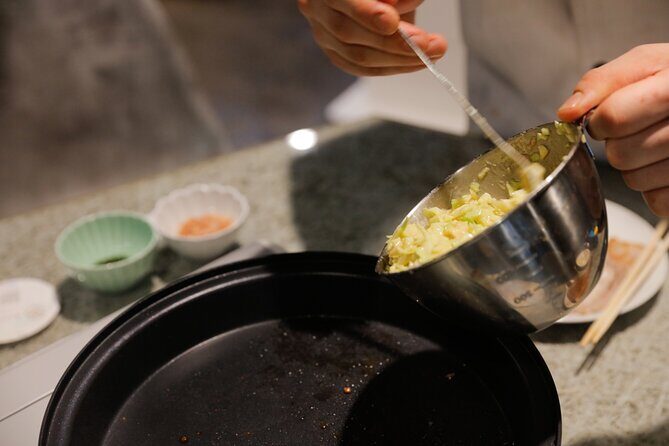
- You’ll start by mixing the batter and incorporating your ingredients.
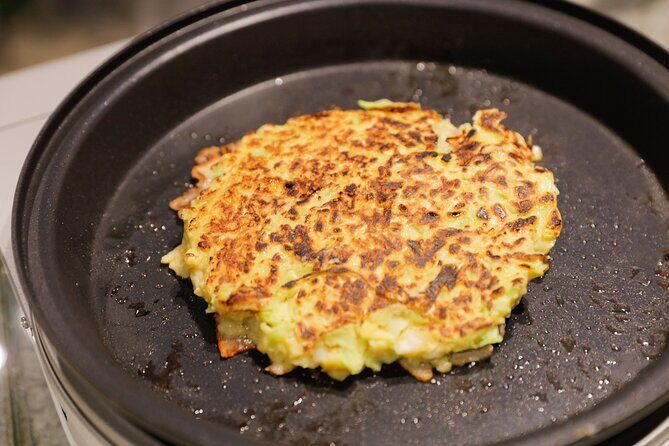
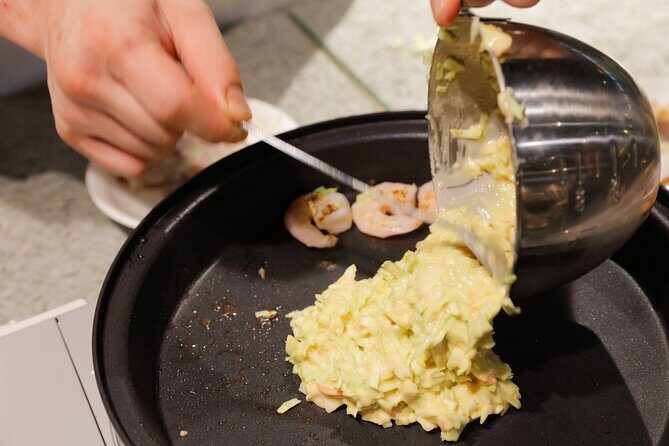
- You’ll form and cook the pancake on the griddle.
- You’ll dress it with the usual lineup of toppings such as sauce, mayonnaise, and aonori (dried seaweed).
- You’ll eat what you make, and based on guest feedback, you might have time to create a second okonomiyaki to take home.
Because the class is listed as about 1 hour, it’s designed to keep things moving. That’s good for your schedule, and it keeps the energy high. It also means you should focus on doing, not trying to write down every step. Take mental notes; let your hands learn.
Also, bottled water isn’t included, so if you’re prone to getting thirsty while cooking, bring your own or plan to buy a bottle nearby before you start.
Seafood vs meat: how to choose your okonomiyaki style
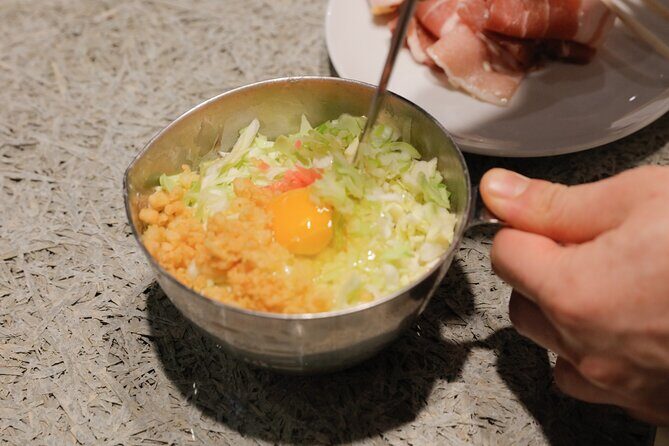
The class explicitly offers two taste options: seafood or meat. That choice changes the whole vibe of the pancake—flavor and texture—so it’s worth treating it as a real decision rather than an afterthought.
If you go seafood, you’re leaning into that briny, savory side of okonomiyaki that pairs naturally with sauce and seaweed toppings. It also tends to feel very “Japan food” to first-timers, since seafood add-ins are common in okonomiyaki choices.
If you go meat, you’ll get a heartier, more familiar comfort-food profile. It’s often the safer pick if you’re not sure about seafood ingredients or want a richer feel with every bite.
Either way, you still finish with the same core toppings like sauce, mayonnaise, and aonori, so you’ll learn the real cooking mechanics rather than only the ingredients. That’s the best part for value: the technique transfers even when you change the filling next time.
The griddle moment: what happens from start to finish
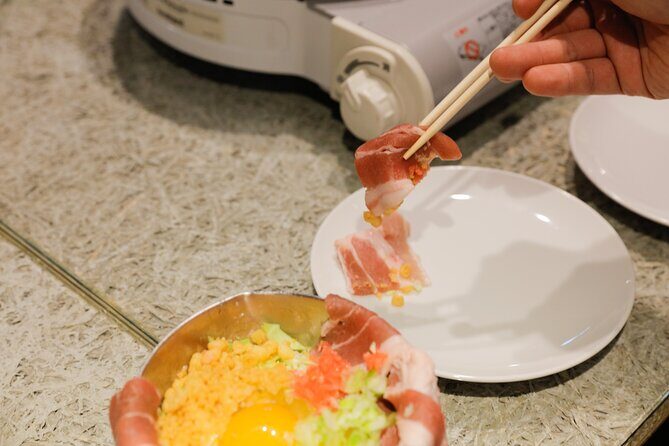
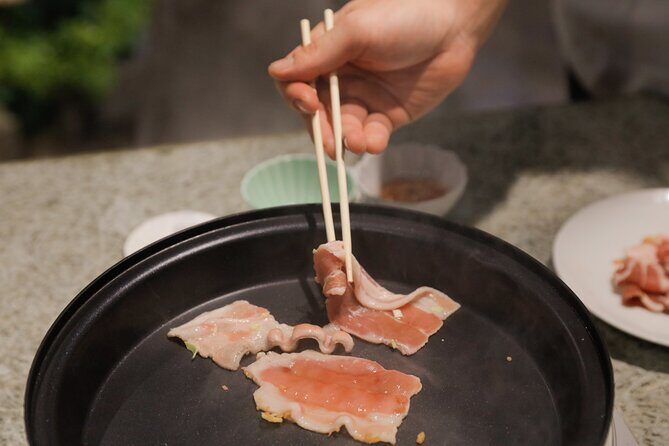
Here’s what you can expect from the cooking side, in plain terms. The class is built around the griddle, so your time will revolve around heat, timing, and turning the pancake so it cooks through.
You start at the meeting point in Shinjuku. The exact location is a building at 3-chōme, with the start listed on the 4th floor. Once you’re inside, the group is guided through the process by a chef plus English-speaking support.
You’ll then work your way through the batter and ingredient steps:
- You mix flour, eggs, and water into a batter base.
- You incorporate the core ingredient (cabbage is specifically called out) and your chosen add-ins (meat or seafood; noodles may also be used).
- You cook your pancake on the griddle until it’s done.
Then comes the fun finishing phase—toppings. You’ll add condiments like Japanese-style sauce, mayonnaise, and aonori (dried seaweed). This is where okonomiyaki stops being “just a pancake” and becomes the dish you recognize from street-food stalls and festival stalls.
One detail I like from a guest note: they said they could make a second okonomiyaki to take home. That’s a great extra, because it gives you a reason to show the experience to friends later, and it lets you plan a snack or an easy late meal back at your hotel.
After that, the activity ends and you return to the meeting point area. For a class that’s about an hour, that wrap-up matters—you won’t feel stuck wandering afterward, figuring out where to go next.
English support and who helps you cook
This is a private activity, and that changes the learning experience. Instead of competing for attention in a crowd, you get real-time help as you cook. The class also has two very friendly English-speaking guides working alongside the chef, plus a translator named Nina, who one guest specifically praised for keeping things clear and fun.
That matters because okonomiyaki cooking isn’t complicated, but it does require timing. You want to know when to spread, when to cook, and when to adjust based on what you see on the griddle. Having English support built into the class means you can actually follow along and not just hope you’re doing it right.
If you’re visiting Tokyo and you’re worried about language gaps, this is exactly the kind of food activity that can remove that stress. You’ll still experience the Japanese process, but you won’t feel lost.
A few more Tokyo tours and experiences worth a look


Price and value: is $39 worth it?
At $39.02 per person for about 1 hour, you’re paying for more than food. You’re paying for:
- guided instruction,
- ingredients,
- the cooking station (griddle time),
- and a structured experience that ends with a meal you made.
The class includes all fees and tax. Not included is bottled water, and it does not include lunch or dinner. So you’ll want to treat this like a meal activity or a planned food stop—not something that replaces a full day of eating.
In value terms, I think it’s a fair price because the experience is skill-based. If you just ate okonomiyaki in a restaurant, you’d get flavor. Here, you also get technique. And if you’re able to make an extra okonomiyaki for take-home (based on guest feedback), that’s a meaningful bonus for the cost.
Also, most people book about 14 days in advance on average, which is a sign it fits into planners’ schedules. If you’re traveling in a busy season, you’ll feel less pressure if you lock in your spot early.
Practical tips so you enjoy the class without friction
A cooking class sounds simple until you’re standing in a working kitchen. A few small prep choices make the day smoother:
- Bring a water plan: bottled water isn’t included, so decide whether you’ll buy one before you start or bring your own.
- Plan your meal timing: since lunch and dinner aren’t included, schedule this when you want it to be your main food moment (or at least a satisfying snack).
- Wear easy clothes: you’ll be near a griddle, so comfortable, breathable clothing helps.
- Keep it simple with toppings: the class will handle classic condiments like sauce, mayonnaise, and aonori. You don’t need to bring anything food-related.
- Think about your ingredient choice: decide in advance whether you want seafood or meat so you can focus on cooking.
And one more small reality check: because it requires good weather, you should be ready for a reschedule possibility. The good part is that if it’s canceled due to weather, you’re offered a different date or a full refund.
Who this class is best for
This is a great fit if you:
- love Japanese food and want a hands-on version, not just a tasting,
- want an activity that works well for solo travelers or small groups,
- enjoy cooking or at least like interactive classes,
- and prefer learning with real English support and a friendly team.
It also works well if you’re the type of traveler who likes taking home a story and a skill. One guest described making a second okonomiyaki to take home, which turns the class into more than just an hour in Tokyo.
If you’re someone who hates any cooking mess at all, you might find the experience less comfortable. But if you’re okay with a little kitchen action for a much more memorable meal, you’ll likely have a good time.
Should you book the okonomiyaki making experience?
Yes, if you want a high-reward food experience that’s short, structured, and actively fun. The combination of cooking on a griddle, choosing seafood or meat, and finishing with classic toppings gives you a full okonomiyaki experience in about an hour. The private setup, plus English support from friendly guides and translator Nina, makes it easier to follow the process and actually enjoy the learning.
I’d pass or think twice only if you’re very picky about cooking environments, or if your schedule is too tight to handle a potential weather-related change. Otherwise, this is one of those activities that feels like real Tokyo food culture—even if you’re only in the city for a short time.
FAQ
How long is the okonomiyaki making experience?
The experience is listed as about 1 hour.
Where does the class start?
The meeting point is a house with flowers at Japan, 160-0022 Tokyo, Shinjuku City, Shinjuku, 3-chōme 67 第6三和ビル 4階.
What does the price include?
All fees and tax are included.
Is bottled water included?
No, bottled water is not included.
Do I get to choose between seafood and meat?
Yes. You can choose the seafood style or the meat style.
What condiments are used on the finished okonomiyaki?
It’s served with condiments such as sauce, mayonnaise, and aonori (dried seaweed).
Is this a private activity?
Yes. It’s private, so only your group will participate.
How do I receive access to the tour?
You get a mobile ticket.
What if the weather is poor?
The experience requires good weather. If it’s canceled due to poor weather, you’ll be offered a different date or a full refund.
Can I cancel and get a full refund?
Yes. You can cancel up to 24 hours in advance for a full refund.