REVIEW · ASO
Walking through the Aso Caldera, Historical Walk along the “Bungo Kaido”
Book on Viator →Operated by Aso Caldera Tour · Bookable on Viator
Aso Caldera hits you in the gut. One minute you’re at Futae Pass looking at active Mt Aso, and the next you’re stepping onto the old Bungo Kaido stone path as the caldera opens up around you. I love how the walk mixes geology, history, and living belief, so the scenery comes with real context. I also like that you get a simple tea break with Aso grassland yogurt and sweets, which keeps the pace human instead of rush-rush sightseeing.
The main thing to consider is that this is still a walking tour: it asks for moderate physical fitness and it depends on good weather. If conditions are poor, the tour can be rescheduled or refunded, and you won’t want to arrive underprepared for slick, uneven stone paths.
In This Review
- Key Highlights Worth Marking on Your Map
- Entering Aso Caldera Feels Like More Than Sightseeing
- Futae Pass to the Old Road: Mt Aso in Your Opening Scene
- Down the Northern Outer Rim on Bungo Kaido Stone Pavement
- The Aso Uchinomaki Onsen Stop: A Real Break, Not Just a Photo Pause
- Entering the Caldera: Volcano, Belief, and the Sleeping Buddha Stories
- Pacing, Footing, and Who This 4-Hour Walk Fits
- Price and Value: What You’re Really Paying For
- Weather Matters: How to Set Yourself Up for a Great Day
- What the Guides Add: Kind, Helpful Explanations That Stick
- Should You Book This Aso Caldera Walk?
- FAQ
- How long is the Aso Caldera Historical Walk along the Bungo Kaido?
- What time does the tour start?
- Where does the tour start?
- Is pickup available?
- Is there a limit on group size?
- What level of fitness is required?
- Is tea included during the tour?
- What is included at the Aso Uchinomaki Onsen stop?
- What happens if the tour is canceled due to bad weather?
Key Highlights Worth Marking on Your Map
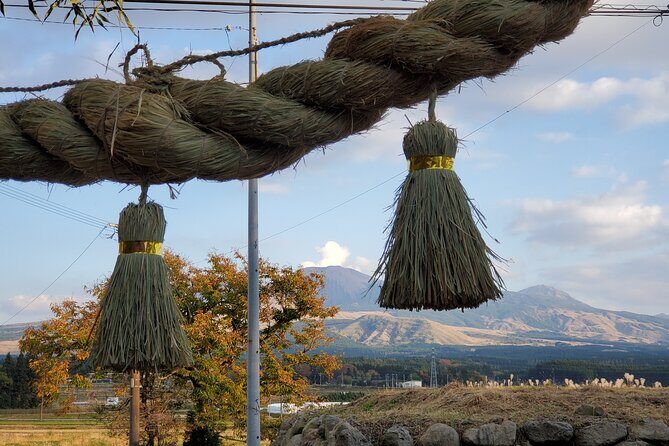
- Futae Pass start with big views over Aso Caldera and Mt Aso
- Bungo Kaido: a centuries-old route (400+ years) connecting Higo Province and Edo
- Stone pavement remnants along the northern outer rim for a more tactile history
- Aso Uchinomaki Onsen stop plus a calm break during the hike
- Tea time featuring yogurt and sweets grown in Aso’s grasslands
- Small group size (maximum 20) so the guide can actually pace the day
Entering Aso Caldera Feels Like More Than Sightseeing
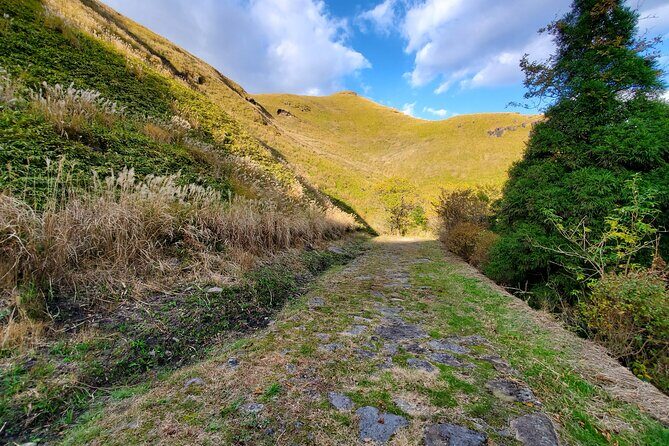
This tour is built around perspective. You start high, with the caldera laid out in front of you, then you walk down the northern outer rim and move closer to the scale of what created this place. It’s the difference between seeing a crater from a distance and feeling how enormous the bowl really is.
I also like the way the guide frames the walk. You’re not only looking at rock and grass, you’re also hearing how people have lived here for over 2,000 years and why volcanoes matter to daily life and belief. The stories about the sleeping Buddha in particular give the scenery a cultural spine, not just a photo-op.
You can also read our reviews of more tours and experiences in Aso.
Futae Pass to the Old Road: Mt Aso in Your Opening Scene
The experience kicks off at 1:00 pm, starting from Futae Pass, a viewpoint over the Aso Caldera and Mt Aso. That first stretch matters because it sets your brain up to understand what you’ll later walk through. When you can see the outer rim and the volcano in one sweep, the route stops feeling random.
From there, you transition onto the old road: the Bungo Kaido. This is not a modern hiking trail that appeared for tourists. The route has a long paper trail—over 400 years old—and it historically connected Kumamoto (Higo Province) with Tokyo (Edo). Even if you don’t care about the politics of travel routes, you’ll feel the age in the stone path.
Down the Northern Outer Rim on Bungo Kaido Stone Pavement
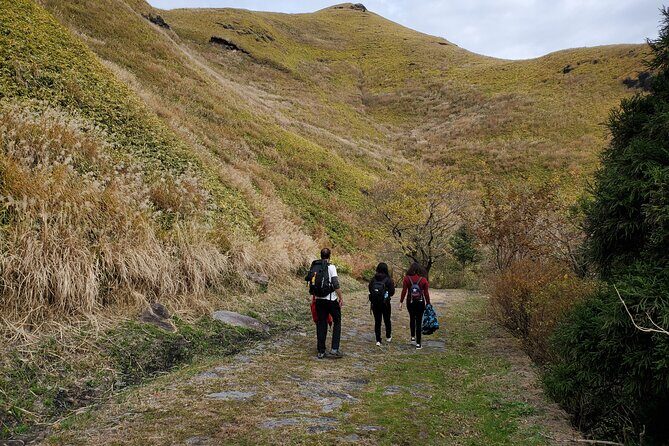
The walking section follows the northern outer rim of the caldera. The highlight here is that the road isn’t just dirt and grass—there are still stone-paved remnants you pass along the way. That changes how you experience the area. Your attention shifts from the view to your footing, and that’s where the guide’s storytelling really lands.
You’ll be moving at an easy pace, but it’s still a true hike. The tour is about walking your way into understanding Aso’s shape—from the outside edge down toward the caldera interior. In plain terms: you’ll spend a lot of time taking the scenery seriously, because the terrain and the route make you.
The Aso Uchinomaki Onsen Stop: A Real Break, Not Just a Photo Pause
The itinerary includes a stop at Aso Uchinomaki Onsen, which is a good sign for comfort. On a 4-hour walking tour, you need a moment where the day shifts from steps to sitting and listening. This is likely where you’ll catch your breath and reset before continuing the story through the caldera.
And it’s not a sad snack break. The tour includes tea time with yogurt and sweets grown in the grasslands of Aso. That detail matters because it ties the taste of the region to the land you’re walking across. Instead of generic convenience store treats, you’re eating something described as grown in these pastures—so the break feels earned.
Entering the Caldera: Volcano, Belief, and the Sleeping Buddha Stories
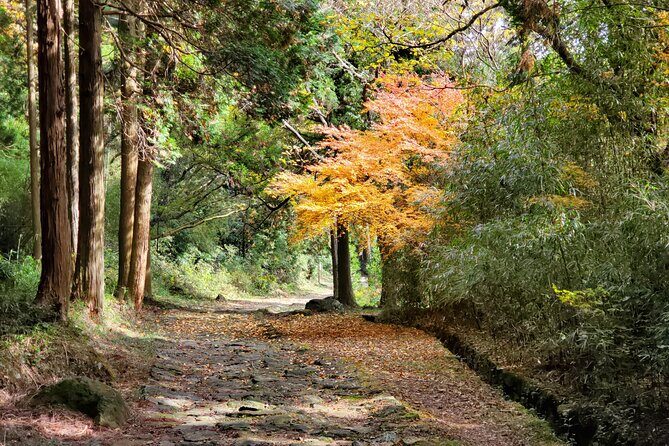
One of the most interesting parts of the format is how you’re guided to understand what you’re looking at, then you’re also given space to experience it more directly. At some point, the tour includes entering the caldera on your own while the guide has already given you the keys to interpret the scene.
That’s where the tour earns its value for history-minded travelers. You’re learning about Aso through multiple lenses: geology and volcano formation, historical use of the area, and the culture and beliefs that developed alongside it. People have lived in the caldera for thousands of years, and that long relationship with the land comes through in the way the guide tells the stories.
The sleeping Buddha theme is one of the standout cultural threads mentioned in guide storytelling. If you like myths that attach to real places, this is your kind of tour. If you don’t, you can still enjoy it as folklore that explains what locals notice and remember about the terrain.
Pacing, Footing, and Who This 4-Hour Walk Fits
This is described as an easy-to-understand, enjoyable tour, and the overall duration is about 4 hours. Still, it’s a walk with descents along a stone-and-rim route, so plan on being on your feet for most of the time.
A helpful detail for planning: the tour requires moderate physical fitness. That’s not code for extreme trekking, but it does mean you should wear shoes with solid grip. The tour also includes stone pavement remnants, so you’ll want footwear that doesn’t feel slippery when you’re concentrating on footing.
The group size is also capped at 20 travelers, which usually means less crowd crush and better pacing with the guide. In the past, guides on similar caldera routes can end up managing a line; here, the smaller number keeps it calmer.
Price and Value: What You’re Really Paying For
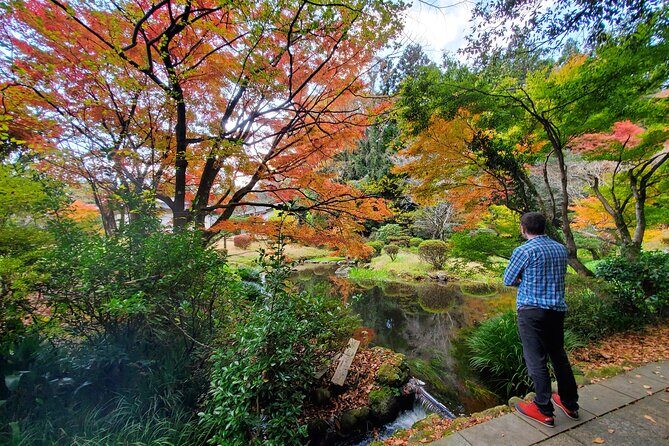
At $182.10 per person, you’re not paying for a self-guided stroll. You’re paying for guided interpretation, transportation support (pickup is offered), and included food. You’re also paying for the fact that you’re on a route with history and terrain that’s easier to understand with a guide explaining why it matters.
Where the value feels strongest is the combination:
- A guided walk from a strategic viewpoint (Futae Pass) into the caldera
- Context tying geology, history, and beliefs together
- Included tea time with Aso grassland yogurt and sweets
- Small group size that helps the guide manage attention and timing
If you love Aso and want to get past the usual look-and-leave photos, this price starts to make sense. If you only want views and you’re comfortable reading maps on your own, you might choose a cheaper route. But if you want the story behind the stone path, the guide is the big part of what you’re buying.
Weather Matters: How to Set Yourself Up for a Great Day
The tour requires good weather. That’s not a small footnote. With an outdoor walk and a volcano region where conditions can change quickly, fog or poor visibility can reduce the payoff of those opening panoramic views.
This is also why the tour uses a weather-based plan: if it’s canceled due to poor conditions, you’ll be offered a different date or a full refund. My advice is simple—don’t treat this as a must-do on the one day you have the tightest schedule. Give yourself flexibility, because the views over the caldera and Mt Aso are the whole point.
One more practical note: the guide presence is part of your safety net. Good guides help you keep pace, interpret what you’re seeing, and adjust in real time when the route and light aren’t cooperating.
What the Guides Add: Kind, Helpful Explanations That Stick
The guide is a major reason to book this type of tour in the first place. Names that come up include Kana and Kanna, and the through-line is consistent: the guides are kind, helpful, and focused on making the area understandable. That matters because volcano geography can feel abstract if you only get captions.
I’d also trust the guides’ approach to pacing and weather nerves. In the experiences shared, guides were concerned about conditions, then relieved when the day worked out. That’s exactly what you want from a guide on a walk like this—someone who takes the environment seriously and keeps you moving at a comfortable speed.
Should You Book This Aso Caldera Walk?
Book it if you want Aso Caldera to feel like a place with layers. You’ll get Mt Aso views, a walk on the historic Bungo Kaido, and stories that connect the geology to human life over 2,000 years. You’ll also appreciate the break—tea time with Aso grassland yogurt and sweets—which keeps the day balanced rather than exhausting.
Skip it if your priority is only crater views with minimal walking, or if you know you won’t handle moderate inclines and stone paths comfortably. Also, if your schedule is locked and you can’t reschedule, remember the tour is weather dependent.
FAQ
How long is the Aso Caldera Historical Walk along the Bungo Kaido?
It runs for about 4 hours.
What time does the tour start?
The start time is 1:00 pm.
Where does the tour start?
The tour starts from Futae Pass, which overlooks the Aso Caldera and Mt Aso.
Is pickup available?
Pickup is offered.
Is there a limit on group size?
Yes. The tour has a maximum of 20 travelers.
What level of fitness is required?
You should have a moderate physical fitness level.
Is tea included during the tour?
Yes. There is tea time with yogurt and sweets grown in Aso’s grasslands.
What is included at the Aso Uchinomaki Onsen stop?
The tour includes a stop at Aso Uchinomaki Onsen during the experience.
What happens if the tour is canceled due to bad weather?
If it’s canceled because of poor weather, you’ll be offered a different date or a full refund.
If you want, tell me when you’re visiting Aso and whether you prefer more walking or more viewpoints, and I’ll help you decide if this is the best match for your day.