REVIEW · TAITO CITY
///Soba Making Experience///Use The BIG Soba-Knife!!
Book on GetYourGuide →Operated by SOBAGIRI楽常 · Bookable on GetYourGuide
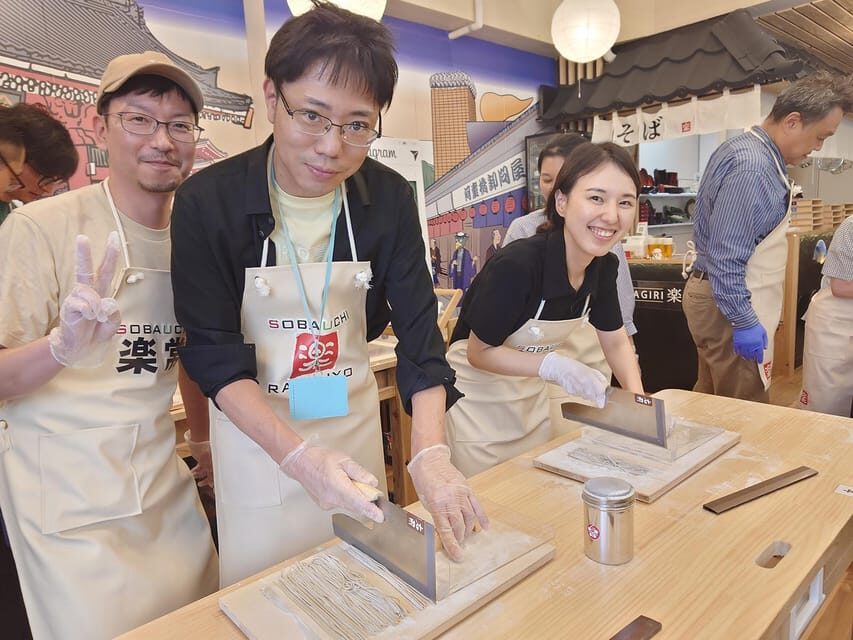
A giant soba knife turns lunch into a sport. In Asakusa’s Kappabashi kitchen tool area, you roll, stretch, and cut thin buckwheat soba (no wheat flour) right in an open studio, then eat what you made. I love how the class is built for speed—you’re cutting and then dining quickly—yet it still feels like you learned real technique. I also like that the flavors aren’t one-note, from wagyu sukiyaki to vegan soba and walnut options. One thing to keep in mind: it’s hands-on and a little physical (stretching plus careful cutting), so if you want totally relaxed sightseeing only, this may feel like work.
The studio itself helps. The interior is roomy and photogenic, and the whole setup is designed for small groups moving through the steps without chaos. You even get a photo time slot, and the staff are known for guiding you at every stage, including helping with language.
In This Review
- Key reasons this soba class is worth your time
- Where you do it: Kappabashi’s kitchen tool street, near Asakusa
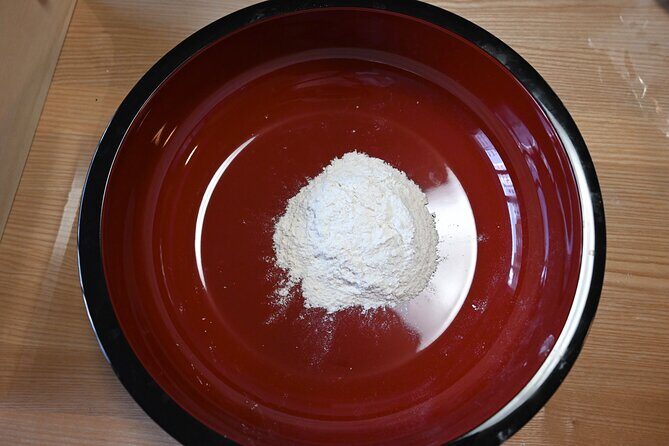
- What you’re making: thin soba noodles from Shinshu buckwheat
- The BIG soba knife: fun challenge, not a test
- Inside the 50 minutes: practice, cutting, photos, then your meal
- The flavors: more than soy sauce soba
- Drink and snacks: a small upgrade that changes the meal
- How it fits with Asakusa and Kappabashi sightseeing
- Who this soba making class is best for
- Value check: $57 for a full meal, not just a demonstration
- Practical tips to get the most out of it
- Should you book SOBAGIRI楽常’s soba making class?
- FAQ
- How long is the soba making experience?
- How much does it cost?
- What’s included in the price?
- Where do I meet for the class?
- Do I eat the soba noodles I cut?
- Is there a vegan soba option?
- Is the experience refundable if my plans change?
Key reasons this soba class is worth your time
- Kappabashi location: convenient for pairing with Asakusa temple and market browsing
- Shinshu buckwheat: you use high-quality buckwheat flour from Nagano known for flavor
- The BIG soba knife: it makes the noodle-cutting challenge fun, not intimidating
- Quick, structured flow: practice, cutting, then immediate boiling and eating
- Free drink plus snack table: you can turn the meal into a proper hangout
- Multiple flavor paths: wagyu, vegan, walnut, cold zaru, and more
Where you do it: Kappabashi’s kitchen tool street, near Asakusa
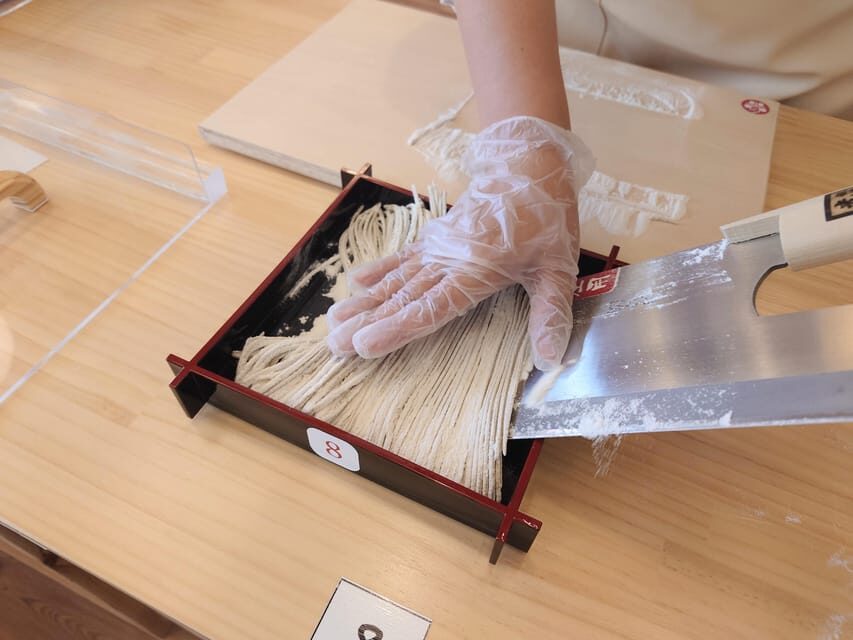
This soba-making experience is set up in the Kappabashi area, the part of Tokyo where kitchen tools and food gadgets live together like they’re a community. You’re not tucked away in a side alley. Instead, you’re in the middle of the Kappabashi Kitchenware Street vibe, where browsing is half the fun.
Meeting is straightforward if you pay attention to landmarks. You’ll find it diagonally across from a food sample specialty store with a large beetle objet d’art. That beetle is doing real work as a navigation marker. If you’re using maps, give yourself a minute or two extra to confirm you’re on the right spot before class time.
Also, timing matters here. The activity is designed to fit into a day. The studio is about a 15-minute rickshaw ride from Sensoji Temple in Asakusa, so you can build a simple loop: temple area first, then soba practice, then more shopping in Kappabashi after you eat.
You can also read our reviews of more tours and experiences in Taito City.
What you’re making: thin soba noodles from Shinshu buckwheat
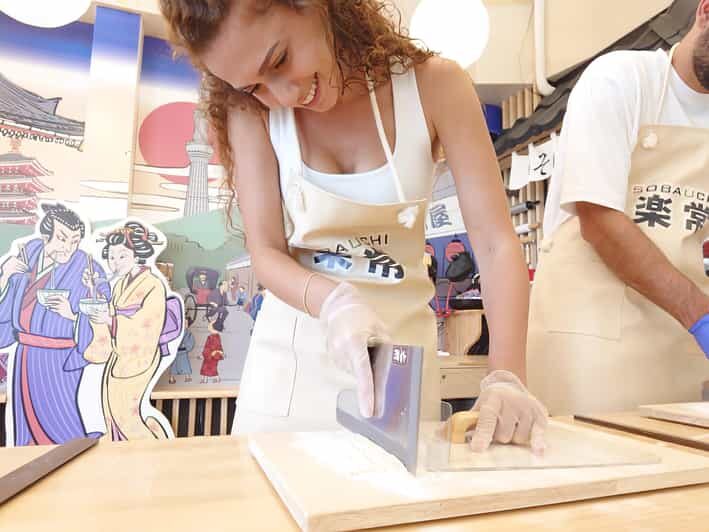
The main hook is what you actually handle. This is a cutting class where you create soba noodles yourself using a large knife specially made for soba. The goal is thin, long noodles—basically the kind of shape that makes you understand why Japanese cooks talk about texture with such seriousness.
Here’s the key ingredient detail: you’re working with buckwheat flour from Shinshu in Nagano Prefecture. That region is widely associated with flavorful soba, and in a hands-on class you feel that difference faster than you’d expect. Even though you’re not growing the wheat or producing the grain, you’re still tasting what good raw material does when it hits boiling water.
One more thing I appreciate: this class isn’t wheat-flour dependent in the way many casual noodle experiences are. You’re specifically making soba without using wheat flour, which keeps the flavor identity clear and gives the menu an authentic soba focus.
And yes, there’s a technique angle. You use a smart, time-efficient approach designed to help you make fine noodles in about 30 minutes, which is a major reason the whole experience runs fast without feeling rushed into a souvenir photo.
The BIG soba knife: fun challenge, not a test
Let’s talk about the knife, because it’s the star of the show. The workshop leans into the moment you start cutting. The knife is large and clearly built for the task, so you’re not wrestling a tiny kitchen tool that makes every cut awkward. Instead, you’re handling a tool that matches the job.
That matters for confidence. When beginners hear cutting instructions, they often imagine disaster. In practice, the class gives you enough structure that you’re not learning by guessing. The staff guide you through the three main steps: rolling, cutting, and then eating.
Stretch time is also part of this. The flow includes a stretching step before you cut, which makes sense. Cutting noodles with clean rhythm and hand control is easier when your body is warmed up and you’re not fighting stiffness.
If you’re the type who likes rules and clear steps, you’ll enjoy this. If you just want to taste, you can still do it—because you’re not required to become a master cutter to enjoy the meal. You’re making noodles you will actually eat, and the boiling is handled by staff right after.
Inside the 50 minutes: practice, cutting, photos, then your meal
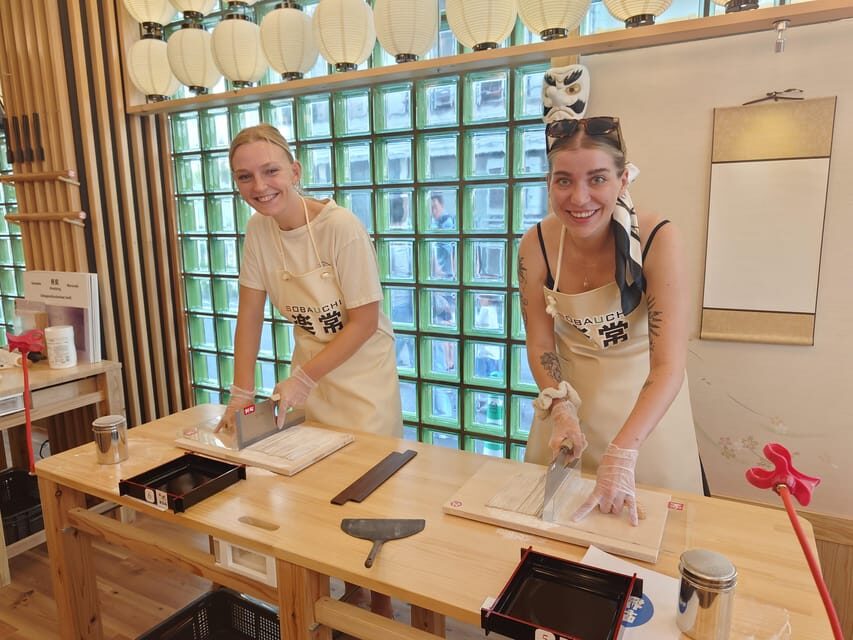
The schedule is tight, and that’s the point. Plan for about 50 minutes total, with roughly half the time focused on making and the rest spent eating. It doesn’t sprawl into a half-day event.
You’ll meet about 10 minutes before the start. Then you do the basic prep: washing hands. It sounds simple, but it keeps the experience smooth and hygienic in an open-kitchen studio setting.
After that, the workshop moves through:
- Soba trebia (about 5 minutes): a short warm-up/setup phase so you understand what you’ll do with the dough and knife
- Stretching (about 10 minutes): hand-body readiness so cutting feels controlled
- Cutting (about 10 minutes): your big challenge moment with the soba knife
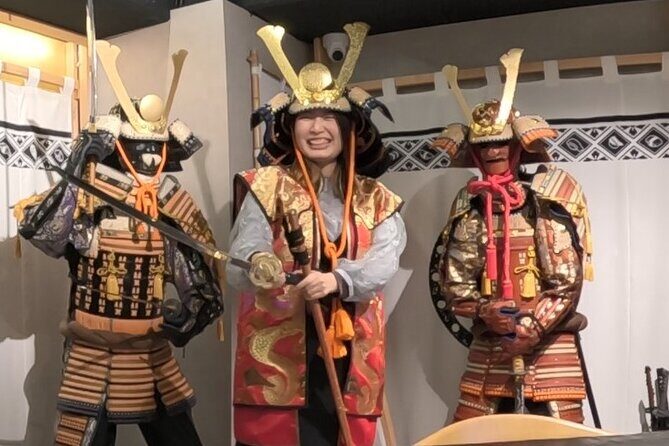
- Photo time: a dedicated window to capture the moment before cooking and eating
Then staff boil the noodles immediately. That timing is a quiet advantage. It helps you eat at peak texture rather than waiting around while the noodles sit.
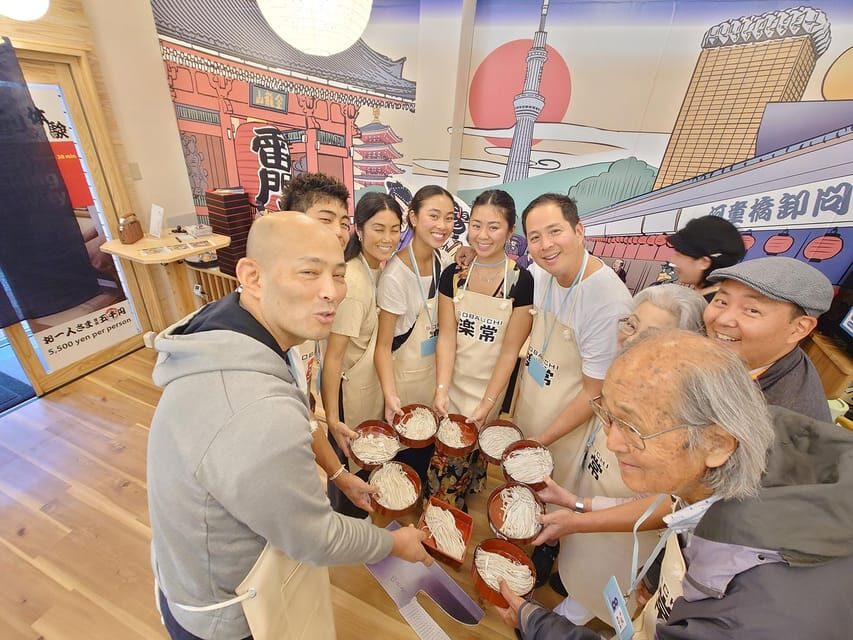
When you sit down to eat, the experience shifts from hands-on challenge to comfort. The studio provides an eating space for your actual soba. And the class doesn’t treat this like a token bite. You get enough meal time to slow down, choose flavors, and enjoy the whole group energy.
One detail I genuinely like: the pace is structured, so you’re not left wondering what to do next. The staff are very hands-on about guidance. A German reviewer specifically noted that owners used a translator app when needed, which tells you they’ll work to keep the experience understandable even if your Japanese is rusty.
The flavors: more than soy sauce soba
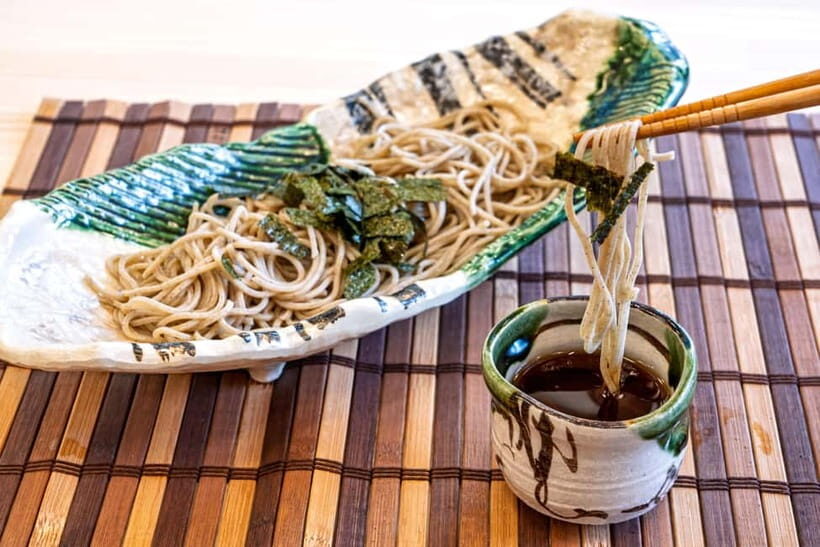
The workshop doesn’t force you into one soba style. You’ll have multiple flavor options, and the menu is designed like a choose-your-adventure for soba lovers.
The lineup includes:
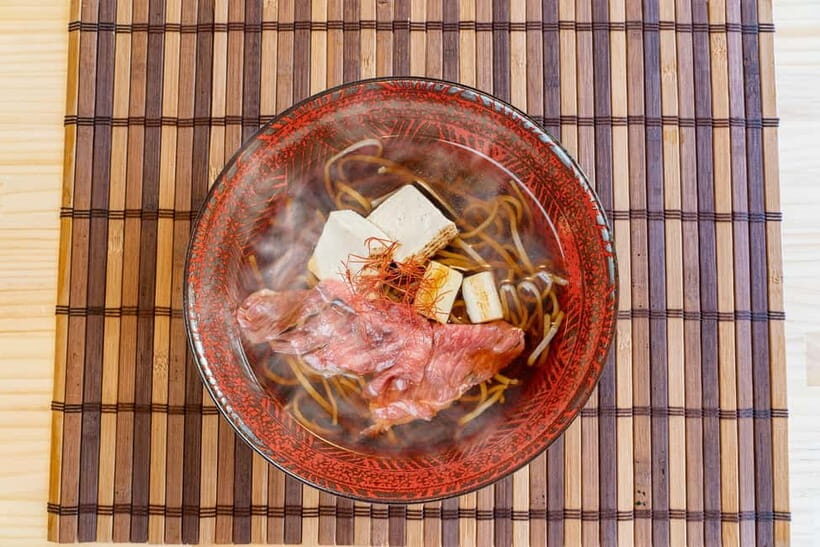
- Wagyu sukiyaki soba
- Oyako chicken yonaki soba
- Tofu vegan soba
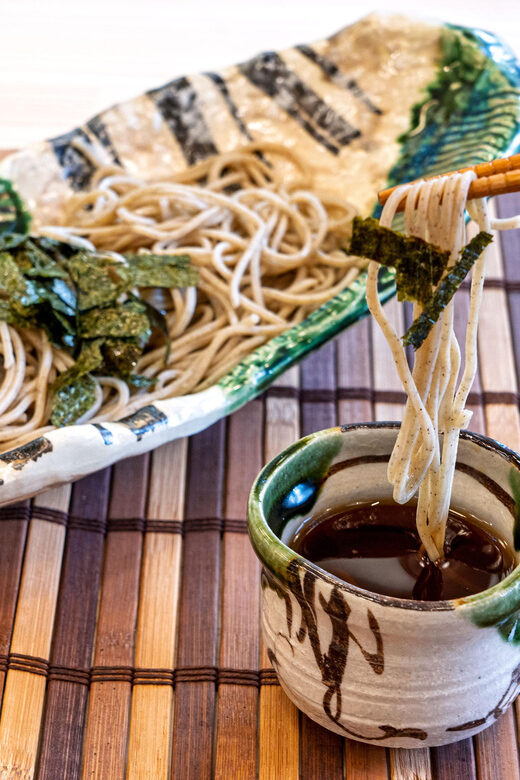
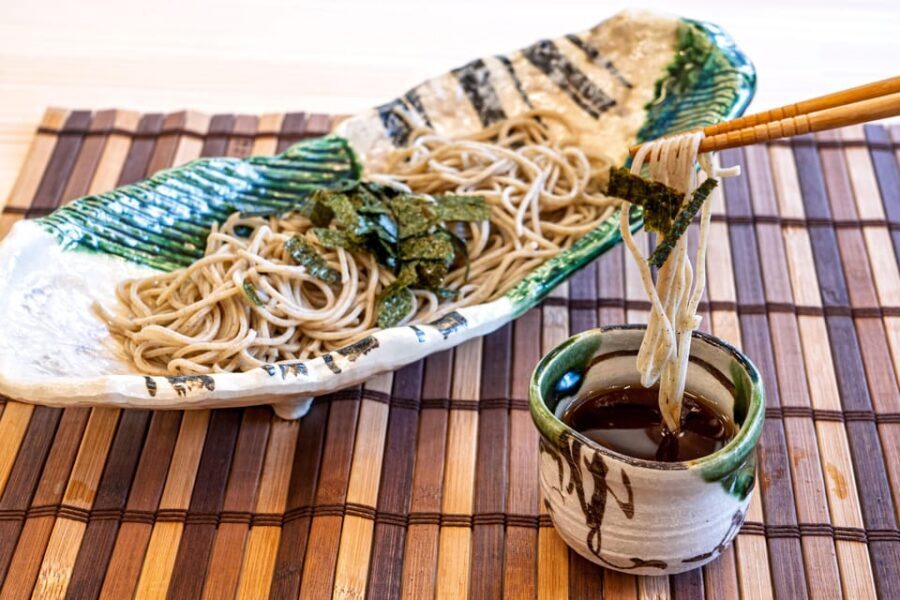
- Cold zaru soba
- Soba with walnut dressing
- Tomato salad soba
- Soba with grated pork shabu
- Shrimp salt soba (hot or cold)
If you’re wondering what’s most popular, the class has a clear pattern: wagyu sukiyaki tops the choices, vegan soba is a strong second, and walnut soba comes in close behind. That’s a nice mix, because it tells you the menu isn’t just for one diet type or one palate.
Also, the workshop gives you freedom to try more than one thing in a single sitting. You’ll choose based on what’s being served and what you feel like eating on the day. And because the soba you cut is the soba you eat, each flavor becomes personal rather than generic.

Drink and snacks: a small upgrade that changes the meal
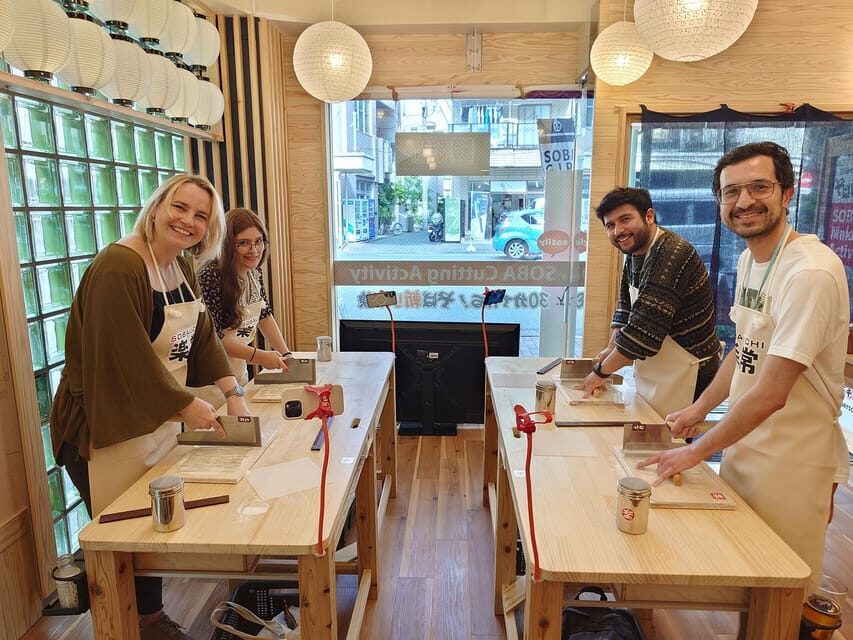
One drink is included. You can pick from options like beer, sake, highball, lemon sour, juice, and non-alcoholic beer. That matters in Tokyo where many food experiences add cost at the exact moment you’re already hungry. Here, the drink inclusion makes the meal feel like a real break, not a class fee plus extra upsells.
Then there’s the snack side. In the eating space, you’ll have all-you-can-eat Japanese snacks from Japanese manufacturers. I love this kind of add-on because it keeps you from feeling stuck with only the main dish. You can taste, snack, and graze while you decide what flavor to go for next.
If you’re traveling with someone who likes variety, this is ideal. One person can lean toward rich flavors like wagyu sukiyaki while the other can sample vegan and cold zaru styles.
How it fits with Asakusa and Kappabashi sightseeing
This is a great slot on a day when you plan to wander. You can do Sensoji Temple, then ride over to Kappabashi, do your soba class, and keep walking right afterward.
Kappabashi is built for browsing food-related shops, and the workshop’s location supports that. After you eat, you’re already in the right mindset and the right neighborhood to continue looking at knives, ceramics, and gadgets you didn’t know you needed. It also helps that the activity includes a fast rhythm: make noodles, eat, then move on.
If you’re doing the common Asakusa loop, consider timing so you’re not starving before class. You’ll be working with noodles and you’ll also have snacking after. Being too hungry can make it harder to enjoy the technical side of the cutting. Being too full might dull the flavors. Aim for a comfortable appetite.
Who this soba making class is best for
This workshop suits a lot of travelers because it balances fun with real technique, and the meal is built in. Still, some people will love it more than others.
You’ll likely enjoy it if:
- you want a hands-on Tokyo food activity that isn’t long
- you like Japanese craft food experiences where you eat what you make
- you want variety in your meal, including vegan options
- you’re traveling as a couple, family, or small group
The studio also has a setup that works well for mixed group types. It can accommodate up to 25 participants at the same time, and the environment tends to attract couples first, then families with kids, then friend groups. You can show up without needing a big party energy.
If you’re traveling solo, it’s still workable because the class flow keeps you busy and engaged. You’re not waiting around, and you’ll be guided through each step.
If you want total quiet and no physical involvement, this probably isn’t your style. Cutting noodles involves hands, timing, and coordination. It’s not intense like a training class, but it is hands-on.
Value check: $57 for a full meal, not just a demonstration
Let’s talk money, because this class is priced like an activity plus a meal. At about $57 per person for 50 minutes, you’re not paying for a quick demo. You’re paying for instructor guidance, noodle materials, the cooking done by staff, and your dining experience.
The included extras are what make it feel fair:
- your own cut soba, boiled and served
- one free drink (beer, sake, highball, sour, juice, non-alcoholic options)
- all-you-can-eat Japanese snacks in the eating area
Add in the fact that the menu includes multiple flavors—wagyu, vegan, walnut, cold zaru—so you’re not stuck with the same bowl all the way through. If you would normally spend time and money shopping or grabbing a drink after a temple stop, this activity packages the eating part directly into the experience.
In plain terms: you’re buying a short class with a meal outcome. If you like hands-on food, it’s good value for Tokyo.
Practical tips to get the most out of it
You’ll get the most out of this class if you treat it like a food challenge with a built-in payoff.
Bring a mindset of practice, not perfection. Your noodles may not look exactly like the sample shapes. That’s okay. The point is learning how to roll, stretch, and cut so you can taste the result.
Show up ready for guidance. Staff instruction is part of the value, and one review specifically praised how the owners helped at every step and used a translator app when necessary. That means you’ll be able to keep up even if you’re not fluent.
After the cutting, lean into eating. The class includes a photo time moment, then the noodles boil quickly, and you’re ready to eat. Keep your appetite flexible so you can enjoy more than one flavor.
Should you book SOBAGIRI楽常’s soba making class?
If you’re in Asakusa and you want something more memorable than another food stop, yes, I’d book it. It’s short, structured, and centered on doing. You cut the noodles with a special soba knife, use Shinshu buckwheat, then actually eat what you made with a drink and snack spread.
Skip it only if you hate hands-on tasks or you prefer quiet, purely observational experiences. This isn’t just watching someone else cook. You’re doing the cutting.
If you want an authentic Tokyo food moment that fits into a normal sightseeing day, this is a strong pick.
FAQ
How long is the soba making experience?
The experience runs for about 50 minutes total.
How much does it cost?
It costs $57 per person.
What’s included in the price?
You get the soba making experience, dining on soba you cut yourself, one free drink, and all-you-can-eat Japanese snacks.
Where do I meet for the class?
Meet diagonally across from a food sample specialty store with a large beetle objet d’art on Kappabashi Kitchenware Street.
Do I eat the soba noodles I cut?
Yes. The soba you cut is boiled by staff and served for your meal.
Is there a vegan soba option?
Yes. The menu includes tofu vegan soba.
Is the experience refundable if my plans change?
Free cancellation is available up to 24 hours in advance for a full refund.