REVIEW · TAITO CITY
Tokyo : Kimono Rental in Asakusa Provided by KanoWafuku
Book on GetYourGuide →Operated by TripFarm · Bookable on GetYourGuide
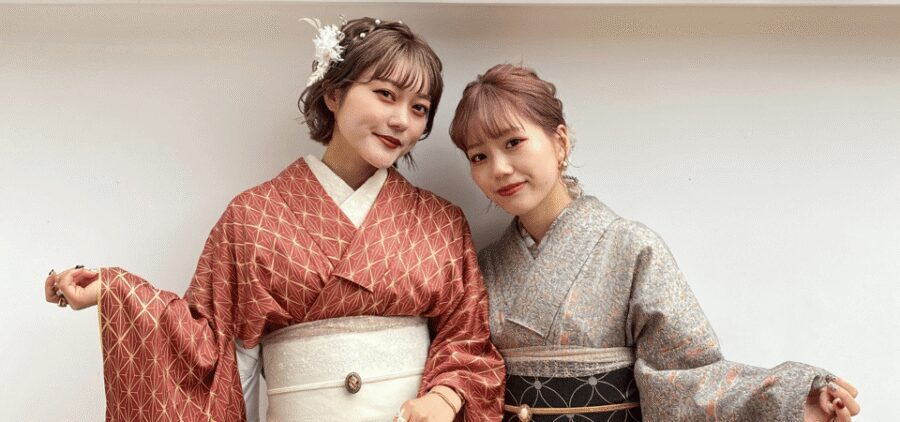
Tokyo’s kimono moment starts fast. In Asakusa, KanoWafuku puts you within a short walk of Sensoji, with 300+ items to choose from, and the whole process is designed so you can come empty-handed. What I like most is how smoothly the staff guide you through dressing and hair, and how you can immediately turn your outfit into an Asakusa stroll. One thing to keep in mind: optional upgrades (like certain accessory styles) require cash payment, and men don’t get the hair-styling service.
The timing is also pretty straightforward: most people need about 45–70 minutes from check-in to being ready to leave, depending on season and your choices. It’s a small group experience (up to 6), so you’re not stuck watching a long line of people get dressed. Still, there’s a hard return cutoff at 5:30 p.m., so plan your kimono walk with that in mind.
If you want a low-stress way to wear a kimono in one of Tokyo’s best walking neighborhoods, this rental setup is a solid pick—especially if your main goal is getting photos near the temple without the hassle.
In This Review
- Key things to know before you rent at KanoWafuku
- KanoWafuku in Asakusa: 3 minutes to Sensoji, with a shop setup built for tourists
- What the $19 price really buys: dressing help and a full kimono set
- The step-by-step flow: from reserved check-in to stepping out in kimono
- 1) Arrive and check in at your reserved time
- 2) Reception: confirm your plan, then pick accessory options if you want
- 3) Kimono selection: choose as many as you like
- 4) Swap out luggage: leave what you don’t need
- 5) Dressing: the staff fit you in a dedicated area
- 6) Hair set for women: choose from 5 patterns
- 7) Sandals and geta: the finish that changes your walk
- 8) Go sightseeing immediately
- 9) Return the kimono by the final deadline
- Timing reality check: 45–70 minutes to be ready, plus a hard 5:30 cutoff
- The kimono choice experience: lots of options, steady pricing, staff help when you want it
- Luggage and comfort: what to bring (and what not to bring)
- Who this suits best (and who should pick a different option)
- Should you book KanoWafuku Kimono Rental in Asakusa?
- FAQ
- Is the kimono rental available in Asakusa near Sensoji Temple?
- How much does the kimono rental cost?
- How long does the experience take?
- What is included in the price?
- Is hair styling included for men?
- Can I come to the shop without bringing anything?
- Can I store my luggage during the rental?
- Can I add extra accessories to my kimono rental?
- What time do I have to return the kimono?
- Is the experience good for kids or pregnant travelers?
Key things to know before you rent at KanoWafuku
- 3 minutes to Sensoji Temple: you can start sightseeing right away after dressing
- 300+ kimono and yukata items: lots of styles, so it feels like real choice, not a limited rack
- Come empty-handed: you just show up; the store provides what you need
- Add-ons cost extra, paid in cash: some accessory upgrades aren’t included
- Women get hair styling (men do not): women choose from 5 hairstyle patterns
- 5:30 p.m. final return time: late returns trigger a late fee, so keep the clock in mind
KanoWafuku in Asakusa: 3 minutes to Sensoji, with a shop setup built for tourists
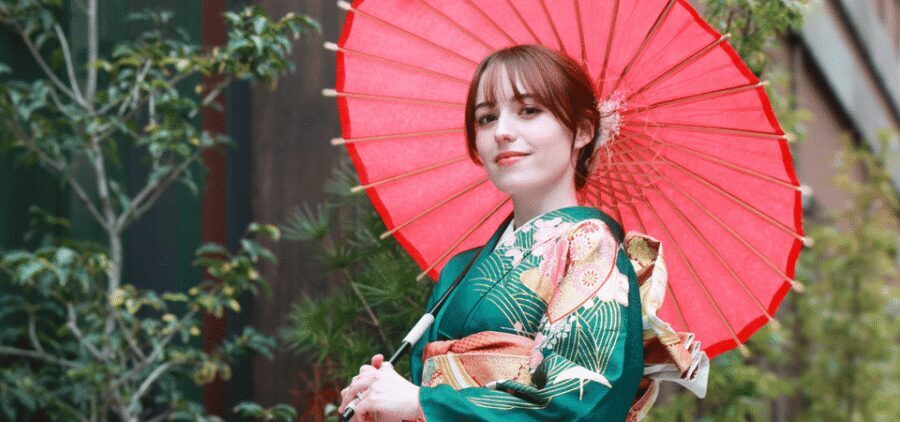
Asakusa is one of those Tokyo neighborhoods where you don’t need a plan so much as a sense of direction. Once you’re in kimono, everything feels a little more special just because you’re dressed differently while you walk.
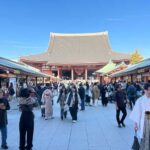
KanoWafuku’s location is the big practical win. You’re about a three-minute walk to Sensoji Temple, which matters because kimono time is real time. When a shop is farther away, you lose part of your sightseeing window to transit and waiting. Here, you can spend more of your hour (and the time around it) actually out in the neighborhood, moving at a leisurely pace the way your outfit encourages.
Another nice detail: the store is set up so you can show up without bringing the accessories you’d normally need for traditional dressing. You’re not scrambling for obi knots, hairpins, or sandals the night before.
The shop also has a strong “tour-friendly” structure. You arrive at your reserved time, check in, choose, get dressed, then step out into Asakusa. That flow is exactly what you want when you’re tired from travel or juggling other sights that day.
You can also read our reviews of more tours and experiences in Taito City.
What the $19 price really buys: dressing help and a full kimono set
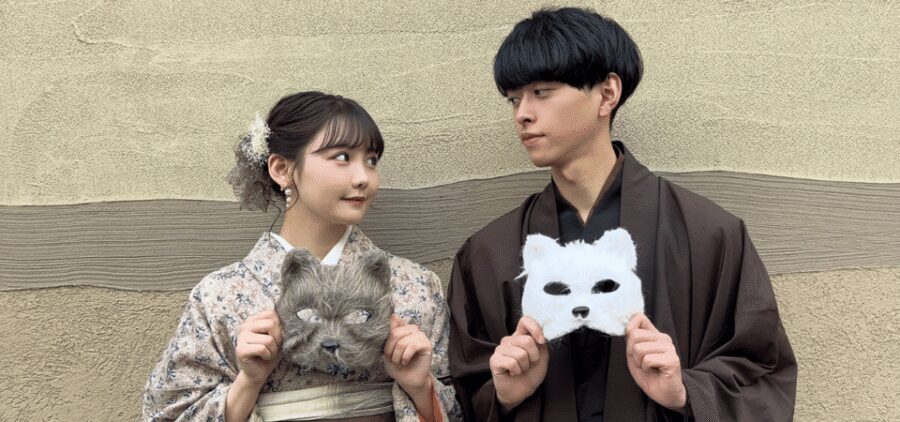
At $19 per person, the value comes from what’s included—not just the kimono itself. You get the kimono rental set, plus dressing, plus the hair set for women (including hair ornaments). That package is often where people feel the cost is worth it, because the time and skill are the expensive part.
A key point: prices do not change depending on the type of rental kimono or yukata you choose. That means you can select based on style rather than checking a hidden “upgrade ladder.” In many places, the best-looking options cost more. Here, the base pricing stays steady as you choose your outfit.
Now, here’s the nuance. Optional decorations and some accessory upgrades can be added for an extra fee. If you’re the type who wants extra sparkle—flower and pearl details, for example—budget for it. One of the reviews you might expect to see a more basic outfit at the base price, with the richer decorative versions treated as add-ons. That’s not a problem, it just changes what you should expect at the $19 level.
Also, this hair service is women only. If you’re booking as a man, you’ll still be getting dressed, but the hair styling component is not part of the service. Plan accordingly so you’re not surprised.
The step-by-step flow: from reserved check-in to stepping out in kimono
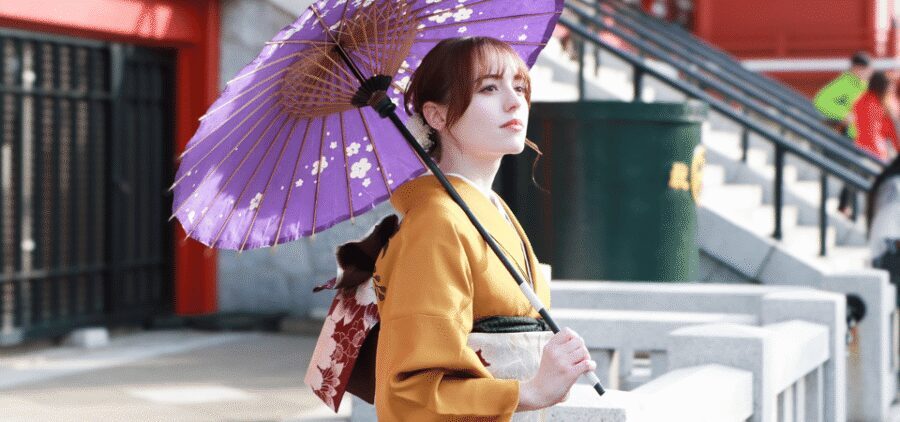
This rental experience is basically a guided routine. If you know what each step is for, you’ll feel less rushed and more in control.
1) Arrive and check in at your reserved time
You’ll want to show up at your reserved time. That isn’t about strictness—it helps the staff keep the workflow moving so you can get dressed, styled, and back out in time.
The store’s pitch is clear: you can come empty-handed. That usually means they handle the coordination of accessories and the fitting, so you’re not managing a pile of clothing and strange straps before you even begin.
2) Reception: confirm your plan, then pick accessory options if you want
At reception, the team confirms your kimono rental/yukata rental plan and explains your accessory options. If you want to add extras, you can—just note that cash payment is the only method for these additions.
That cash detail is worth flagging. It’s easy to assume you can tap a card at every stop in Japan. Here, the add-ons are specifically cash-only, so it’s smart to arrive with some yen available, just in case.



3) Kimono selection: choose as many as you like
This part is a pleasant surprise. You can choose as many kimonos as you want regardless of which plan you book. Since pricing doesn’t shift with the item type, you don’t feel pressured into picking fast.
If you’re picky about color or pattern, this is the moment to slow down a little. Try a few looks and think about what you’ll want for photos: bright colors pop well in temple-area street scenes, while quieter patterns can look more elegant in shaded alleys. The staff can also advise on obi and general styling if you want help matching things.
4) Swap out luggage: leave what you don’t need
Kimono days create clutter—your regular clothes go somewhere, and you may have bags you’d rather not haul while walking.
The store lets you leave clothes you take off or luggage you don’t need for sightseeing. There can be extra charges for large luggage, like carry cases. If you’re traveling light, you’ll likely keep this simple.
5) Dressing: the staff fit you in a dedicated area
Dressing happens at the store’s dedicated fitting space. You don’t bring special gear. The staff handle the fitting and give you a kimono-ready result.
This is also why their timing estimate is useful. You’re not just “wearing a costume.” You’re getting fitted dressing and setup, and that takes consistent time.
6) Hair set for women: choose from 5 patterns
After the kimono is on, women can get hair styling. You can choose from 5 hairstyle patterns, and the styling uses irons, with hair accessories included.
The practical takeaway: if your hair is short, long, thick, or fine, it can still work because the service is designed to match multiple hair lengths. Men don’t have hair styling service available, so male guests should plan either to style on their own or accept a simpler look.
7) Sandals and geta: the finish that changes your walk
Once your outfit is on, the team helps you select sandals and geta that match your kimono. They also mention custom-made zori sandals are made at Rika Wafuku and go well with trendy kimono styles.
This matters more than it sounds. Comfort affects your whole day. The right fit helps you walk naturally on uneven pavement. The wrong sandal setup can turn a fun stroll into a careful shuffle.
8) Go sightseeing immediately
When you’re done, you can go straight out into the Asakusa sights. There are places to eat and walk nearby, and the whole point of kimono rental is that you get to experience Tokyo in a different visual rhythm.
This is where you’ll feel the value: if you book late in the day, you’ll spend less time walking and more time waiting to return. If you book earlier, you can enjoy the neighborhood at a slower pace.
9) Return the kimono by the final deadline
You return the kimono by the final return time: 5:30 p.m. Late returns trigger a late fee, and if your time is extended, there’s an added extension fee.
Even if your reservation starts earlier, the deadline stays the same. So keep that in mind when deciding where to go for your last stop.
Timing reality check: 45–70 minutes to be ready, plus a hard 5:30 cutoff
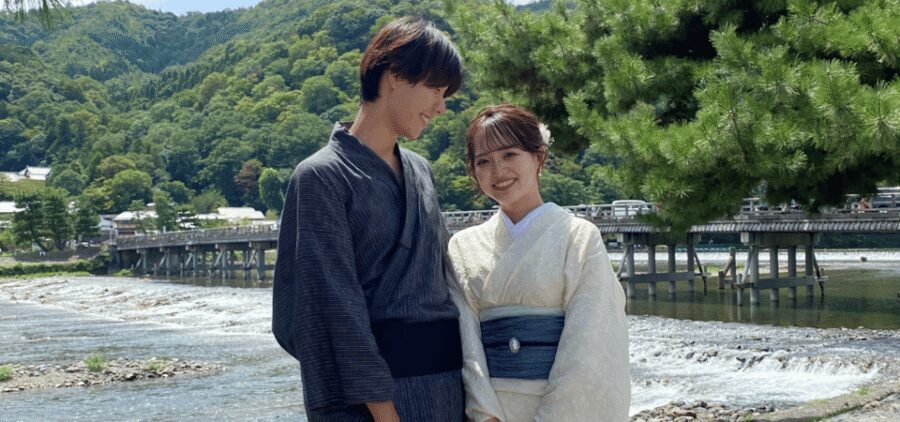
The most important planning piece is timing. The store says it usually takes 45 to 70 minutes from reception to dressing and hair styling to departure. That range depends on time and season, and it also depends on how quickly you choose your kimono and whether you add accessories.
Here’s how you can use this to plan your day:
- If you want the full kimono walk, aim for a start time that gives you comfortable daylight time back outdoors.
- If you’re doing other activities the same day, build in a buffer. Kimono dressing can’t be rushed without feeling stressful.
- Remember that the final return time is 5:30 p.m. no matter what. Your kimono doesn’t scale to your sightseeing plans.
Also, the rental is listed as 1 hour, but the actual dressing-to-departure window is longer. So the 1 hour is more like the experience slot; the real-world time you spend getting ready is the 45–70 minute range. Then you still have your sightseeing time until the return deadline.
The kimono choice experience: lots of options, steady pricing, staff help when you want it
One thing that can make a kimono rental feel good—or frustrating—is whether you have choices that match your taste.
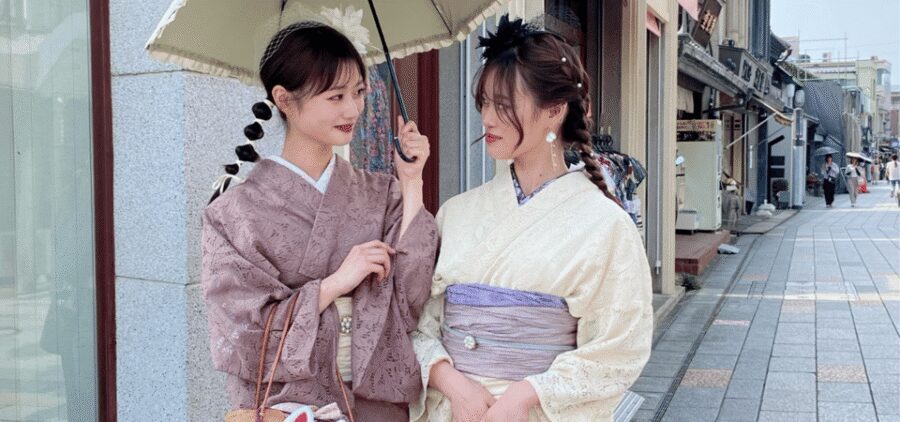
KanoWafuku reports having over 300 items in stock, which is exactly what you want if you don’t want your decision to feel limited. More inventory usually means more matching options, more color variety, and better odds you’ll find something that feels “you.”
What I also like in their approach is that you don’t need to hunt for the right plan. The store lets you choose multiple items during the selection stage, and prices don’t change based on which kimono or yukata type you pick.
If you care about styling details, the store also offers advice from experienced staff, including guidance on obi pairing and rental look composition. That helps a lot if you’re not sure what goes with what.
And if you’re worried about looking mismatched in photos: they’re actively fitting and styling you, so you should end up with a coherent look, not just a randomly grabbed outfit.
Luggage and comfort: what to bring (and what not to bring)
Kimono rental changes how you travel for an hour or two. It’s not hard, but you have to think about where your normal clothes and bag go.
The store gives you a way to leave clothes you remove and luggage you don’t need for sightseeing. That’s convenient because you don’t have to carry your coat or extra bag in geta.
Still, large luggage such as carry cases can cost extra to store. The simplest strategy is to travel with smaller items and only bring what you need for your walk—phone, money, and essentials—then let the rest wait inside the store’s setup.
Also, because add-ons are cash-only, you’ll do yourself a favor by having some yen on hand. Even if you don’t buy extras, it’s smart insurance.
Who this suits best (and who should pick a different option)
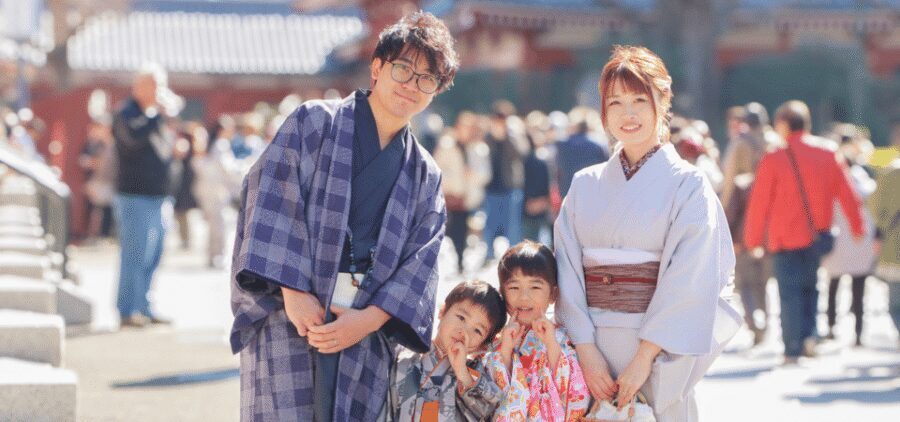
This is a very practical kimono rental for people who want a smooth transition from shop to sightseeing.
You’ll likely love it if:
- You want to wear a kimono in Asakusa near Sensoji without spending time commuting far from the temple area.
- You want real selection from a large stock and you like choosing your look based on color and pattern.
- You want staff support with dressing and (for women) hair styling, so you don’t have to figure out the process yourself.
You might want to think twice if:
- You need hair styling as a man, because the hair set service is not available for men.
- You’re traveling with small children under 3, since the experience is not suitable for children under that age.
- You’re pregnant, because the activity lists pregnancy as not suitable.
If you’re in the right category, this setup is one of those “do it and forget it” activities: show up, get dressed, go explore.
Should you book KanoWafuku Kimono Rental in Asakusa?
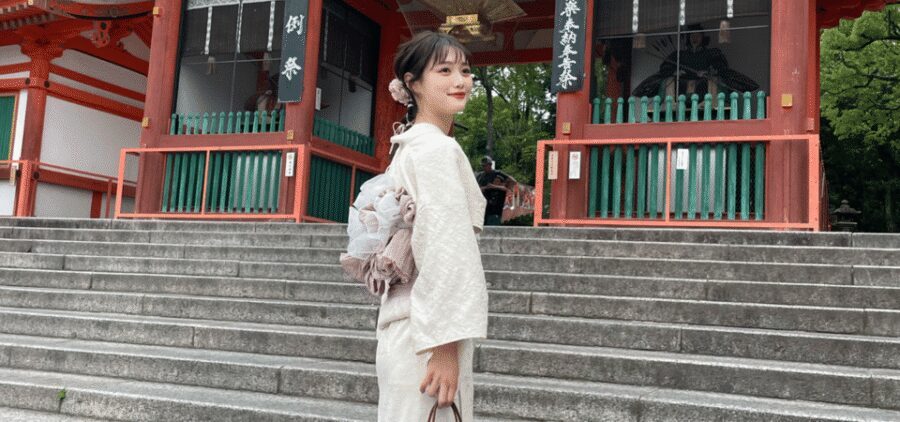
If your main goal is a stress-light kimono experience close to Sensoji, I’d say it’s worth booking. The combination of a short walk location, plenty of kimono choice, and an experience flow designed for first-timers is a strong value package at $19—especially since dressing and (for women) hair styling are included.
Book it if you want to:
- Spend more time outdoors in kimono
- Make your outfit choice without worrying that the price jumps just because you picked a nicer-looking option
- Get a staff-fitted result with sandals and geta support
Skip or adjust your expectations if:
- You want fancy accessory details that aren’t included at the base level, because extras may cost extra and are cash payment only
- You need men’s hair styling, since that part isn’t offered
If you’re planning a day in Asakusa anyway, this rental is the kind of add-on that changes the whole feel of the neighborhood. You’ll walk more slowly. You’ll take more photos. And you’ll probably end up smiling the first time you pass a side street and realize you’re dressed like the scene you came to see.
FAQ
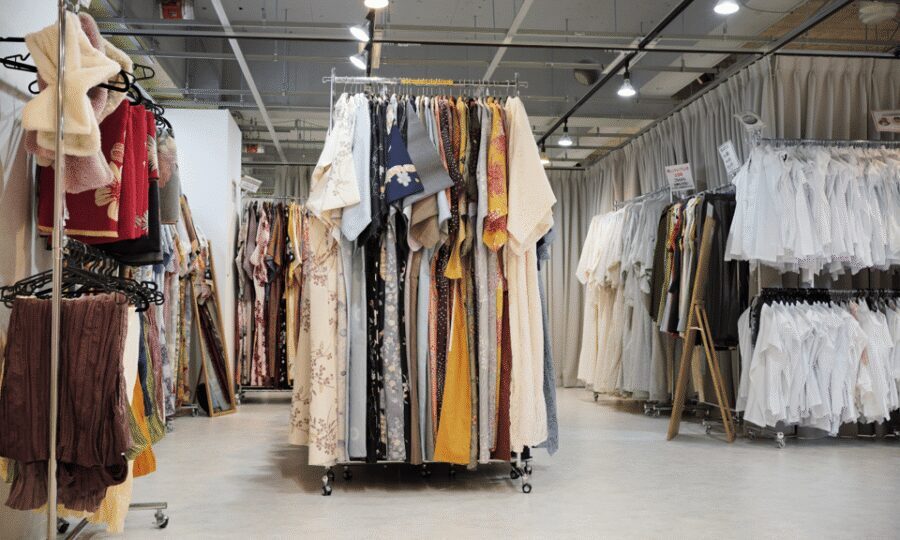
Is the kimono rental available in Asakusa near Sensoji Temple?
Yes. KanoWafuku is about a 3-minute walk from Sensoji Temple, so you can go sightseeing right after you’re dressed.
How much does the kimono rental cost?
The price is listed as $19 per person.
How long does the experience take?
The experience is listed as 1 hour, and the store also notes that it usually takes about 45 to 70 minutes from reception to dressing and hair styling to when you depart.
What is included in the price?
Included are the kimono rental set, dressing, and hair set with hair ornaments for women.
Is hair styling included for men?
No. Hair styling service is not available for men.
Can I come to the shop without bringing anything?
Yes. You can rent it empty-handed, and the store provides what you need for kimono rental.
Can I store my luggage during the rental?
You can leave clothes you take off and luggage you don’t need for sightseeing. Large luggage such as carry cases may have additional storage fees.
Can I add extra accessories to my kimono rental?
Yes, optional decorations/accessories can be added for purchase locally. If you add options, the only payment method is cash payment.
What time do I have to return the kimono?
No matter what time you reserve, the final return time is 5:30 p.m., and late returns can result in a late fee.
Is the experience good for kids or pregnant travelers?
It is not suitable for children under 3 years old and not suitable for pregnant women.