REVIEW · TOKYO
In 2026, 2-Day Mt. Fuji Climbing Tour with Mountain guide
Book on Viator →Operated by Shin · Bookable on Viator
Fuji feels bigger when you climb it with help. This 2-day Mt. Fuji tour runs from Shinjuku with an early start, air-conditioned transport, and a guide team that handles the mountain logistics so you can focus on the climb. I like that the mountain guide is Japanese, and that the stand-by guide at the 5th station in Yoshida keeps things moving.
Two things I really appreciate: first, the guides’ hands-on support is the core value here, including help that can make the difference between turning around and reaching the summit. Second, you get practical comfort in the package—dinner at the mountain lodge, plus a bath/onsen after you come down.
One possible drawback: English support is not guaranteed. If you rely heavily on English for instructions, you may find yourself depending on your own patience and extra help from others.
In This Review
- Key Things to Know Before You Go
- Mt. Fuji Climbing Tour From Tokyo: Is Two Days Enough?
- Meeting Point and Getting There: The Shinjuku Start
- The Climb’s Core Value: Guides Who Handle the Hard Parts
- Day 1: Subaru Line 5th Station, Lunch, and Lodge Night
- Day 2: Summit Views, Descent, and the Bath You’ll Appreciate
- Price and Value: Is $470 Worth It?
- Crowds, Timing, and Weather: What Can Change
- Who This Tour Suits Best (And Who Should Rethink)
- Practical Tips to Get the Most From Your Fuji Days
- Should You Book This Guided 2-Day Fuji Climb?
- FAQ
- Where is the meeting point for the tour?
- What time does the tour start?
- Where does the tour end?
- How long is the Mt. Fuji climbing tour?
- How much does the tour cost?
- What is included in the tour price?
- What is not included?
- Is there a bath included after the climb?
- What fitness level do I need?
- Can I change or cancel the booking?
Key Things to Know Before You Go
- Shinjuku meeting at 6:30 am: You’ll be up early, but it lines up with how Mt. Fuji days are planned.
- Moderately challenging, no mountaineering skills: This is built for hikers who are fit enough for a steep climb.
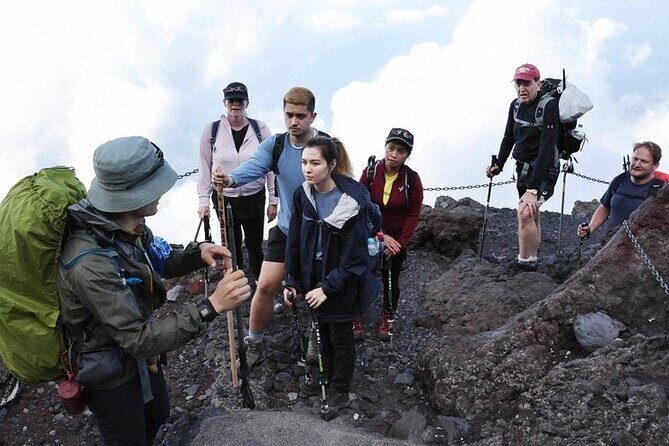
- Guide support on the mountain: Mountain-side leadership matters when conditions get tough.
- Meals included: Lunch on day 1 at the 5th station area, plus an evening meal at the lodge.
- Bath after descent: You’ll have a built-in onsen-style recovery moment instead of figuring it out yourself.
- Group cap of 49: You’ll climb with others, but it’s still a manageable size.
Mt. Fuji Climbing Tour From Tokyo: Is Two Days Enough?
Two days on Mt. Fuji is a sweet spot for many people. It’s long enough to feel like you actually did something—early start, summit attempt, and recovery—without turning your whole trip into a training camp.
The logistics part is where this tour earns its keep. Instead of juggling transport, timing, and mountain-side guidance, you’re handed a plan that begins near Tochomae Station (Shinjuku area) at 6:30 am and ends back at Shinjuku Station. That matters on Fuji, because timing is tight and late planning can snowball into stress.
The tour is designed for moderate physical fitness. The climb is described as moderately challenging, and you don’t need mountaineering skills. Translation: you should be comfortable hiking uphill for long stretches, but you don’t need technical gear skills beyond what you can rent if necessary.
You can also read our reviews of more guided tours in Tokyo

Meeting Point and Getting There: The Shinjuku Start
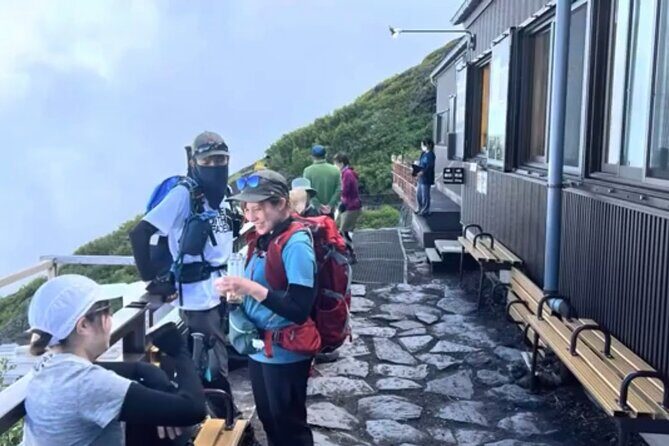
This tour meets at Tochomae Station in Nishishinjuku (the address is 2-chōme-8-1 Nishishinjuku). The meeting time is 6:30 am, and the group returns to Shinjuku Station afterward.
I like meeting near a major hub. Shinjuku makes it easier to connect from the rest of Tokyo, especially if you’re staying somewhere central. Plus, the tour includes an air-conditioned vehicle, which is a real comfort when you’re starting early in warmer months or when mornings feel chilly.
You also get a mobile ticket, which simplifies check-in. No printer, no scrambling. If you’re arriving in Tokyo the same day, this format can save you time.
The Climb’s Core Value: Guides Who Handle the Hard Parts
This is a guided climb with both a mountain guide (Japanese) and a tour guide who stands by at the fifth station in Yoshida. In other words, you’re not just led to a starting line and left to figure it out.
The biggest praise centers on guide competence and organization—especially support that helps people reach the summit. The tour provider here is listed as Shin, and guide performance shows up again and again in the feedback. When you’re walking a route where conditions can change fast, having someone who knows how to manage pacing and group flow is huge.
One note to keep expectations realistic: this kind of tour can’t erase mountain realities. Weather and crowds can affect summit timing, and the tour isn’t framed as a guaranteed summit promise. What it does guarantee is professional leadership and a structured plan to get you as far as conditions allow.
Day 1: Subaru Line 5th Station, Lunch, and Lodge Night
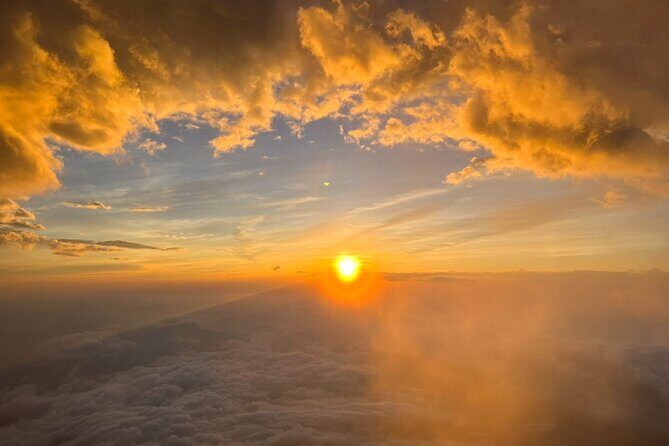
Day 1 centers on the Mt. Fuji Subaru Line 5th Station stop. You’ll spend about 1 hour 30 minutes around that area as part of the process before you move upward. The stop includes an important detail: the admission ticket is not included for this segment. So budget for possible on-site fees that aren’t part of the base price.
After you arrive at the 5th station area, you’ll have lunch on day 1. That’s a smart inclusion. Fuji climbs punish empty energy, and having a scheduled meal instead of hunting for food mid-morning helps you settle into a steady rhythm.
Evening is where the tour becomes comfort-focused. You’re provided dinner at the mountain lodge, and you’ll sleep in the accommodations arranged as part of the climb plan. One reason people like this tour format is that it removes the guesswork about where you’ll sleep, what you’ll eat, and how the day will wrap up.
A practical consideration: 5th station is often crowded in peak season, so even with a guide, you may feel the bustle of other climbers around you. That’s not a tour failure—it’s just the reality of climbing Japan’s top bucket-list hike.
Day 2: Summit Views, Descent, and the Bath You’ll Appreciate
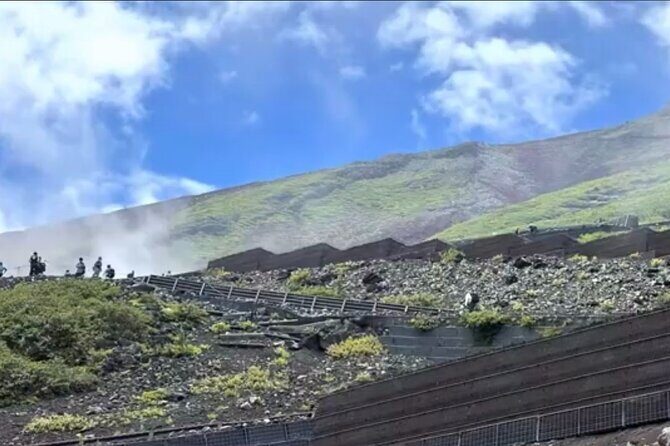
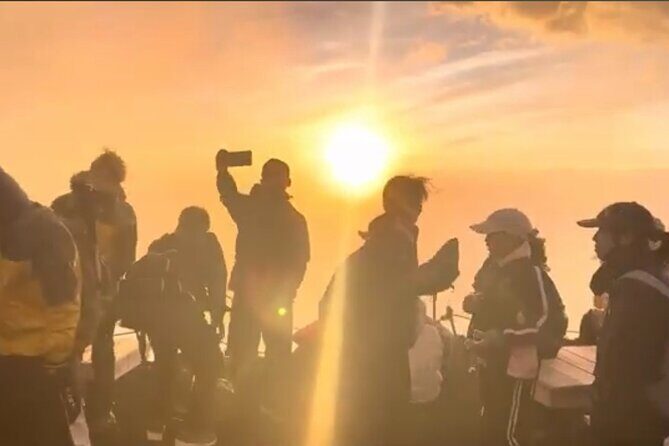
Day 2 is built around the summit experience and the payoff of coming down feeling human again. The tour description highlights the view over the Kanto plains from the summit, and it also includes lunch and bathing after descent.
The onsen-style bath is one of the most valuable inclusions here. After a steep descent, your legs are usually done before your brain is. A scheduled bath/onsen-style stop means you don’t waste energy figuring out transportation, opening hours, and where to get clean after your hike.
This is also the part of the tour where pacing and safety really matter. The guide team is there to help you manage the climb as a group. If you’re prone to rushing, Fuji punishes that. You want a steadier pace, and guides can keep you from spending your summit energy too early.
A few more Tokyo tours and experiences worth a look

Price and Value: Is $470 Worth It?
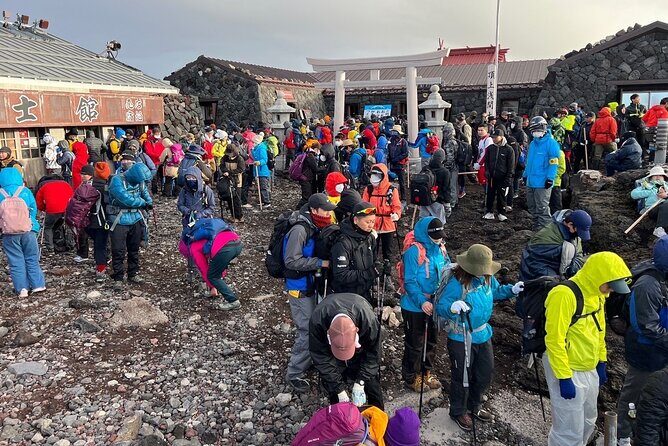
At $470 per person, this is not a cheap day-trip. But Fuji climbing isn’t cheap either when you factor in the mountain guide support, meals, and transport from Tokyo.
Here’s what you’re paying for beyond the hike itself:
- Guide support on the mountain (Japanese mountain guide, plus a stand-by guide at Yoshida 5th station)
- Meals: lunch on day 1 after reaching the 5th station area, plus dinner at the lodge
- Lodge lodging as part of the overnight experience
- A bath after you descend
- Transport with AC from the Shinjuku area
If you tried to DIY this, you’d still pay for a lot of the same pieces—transport to the trailhead area, lodging, food, and then the time cost of planning. The real question is whether you value having the plan handled so you can focus on the climb.
One more realistic value note: English communication may be limited. If language is a deal-breaker for you, you might feel like you’re paying to climb while occasionally guessing what’s happening. The tour works best when you’re comfortable with a mix of clear body-language instructions, simple English, and any translation help you can arrange.
Crowds, Timing, and Weather: What Can Change
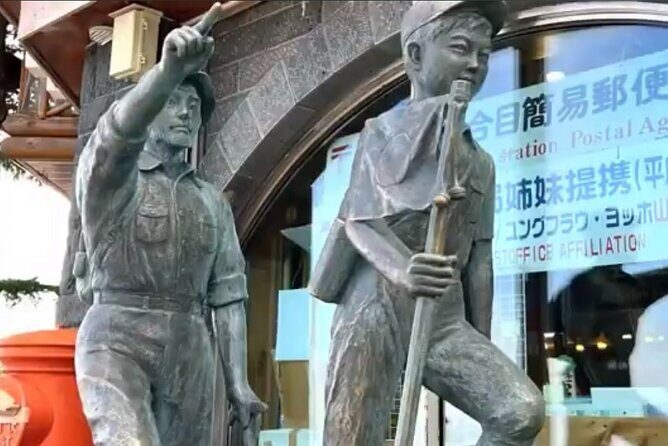
Mt. Fuji has two variables that matter more than most people expect: crowds and weather. This tour runs in a busy context, especially during holiday and peak climbing season, when trails can feel packed.
Even with great guide leadership, you can’t control the mountain. If conditions make summit travel impossible, the plan can change. Some climb programs handle that better than others, but the key takeaway is simple: treat this as a guided climbing experience, not as a guaranteed summit ticket.
That also means packing and preparation matter. You’ll want to show up fit and ready for early mornings. If you’re behind on training, the second day can feel brutal.
Who This Tour Suits Best (And Who Should Rethink)
This tour makes the most sense for:
- Active hikers who want a real physical challenge without technical climbing skills
- People who prefer structured logistics and don’t want to coordinate every step themselves
- Climbers who value meals and recovery built into the plan, especially the bath after descent
It may be a rough match for:
- Anyone who needs frequent, detailed English explanations throughout the climb
- People who are not confident with group pacing and following directions in the moment
- Hikers who expect a summit to be guaranteed no matter the conditions
Language is the biggest “fit” factor. The climb itself can be learnable with the help of your guide team. But instruction understanding matters when routes get crowded or when weather shifts.
Practical Tips to Get the Most From Your Fuji Days
You’ll have a far smoother experience if you prepare for the realities of a high, cold, active hike.
First, show up with moderate physical fitness and confidence on steep uphill paths. If your cardio is average, you can still do it, but you’ll want to pace well and follow the guide’s rhythm.
Second, bring a mindset that accepts crowds. Even with a group, you’ll be in the same vertical line as many other climbers. That means slower starts sometimes, and more stop-and-go movement.
Third, consider language early. If you don’t speak Japanese, you can still make this work by being observant and staying close to the guide team. And if you can learn a few basic climbing phrases, it can help you communicate faster in moments that matter.
Should You Book This Guided 2-Day Fuji Climb?
Book it if you want an organized, guided Mt. Fuji experience that saves you from planning headaches and gives you real support on the mountain. The tour is strongest for people who value guide leadership, included meals, lodge night, and the bath after descent—all while climbing in a Tokyo-to-Fuji rhythm that’s built for efficiency.
Reconsider it if English-first guidance is essential for your comfort. Also think twice if you’re expecting a totally hands-off experience where your day is guaranteed regardless of conditions. Fuji can be unpredictable, and the tour’s value lies in how well the guide team manages the climb, not in a promise that the mountain will cooperate.
If you’re an active hiker who likes structure and doesn’t mind that the mountain is the main character, this is a solid way to do Mt. Fuji in two days.
FAQ
Where is the meeting point for the tour?
The tour starts at Tochomae Station, 2-chōme-8-1 Nishishinjuku, Shinjuku City, Tokyo.
What time does the tour start?
The start time is 6:30 am.
Where does the tour end?
The tour ends at Shinjuku Station (3-chōme-38-1 Shinjuku, Shinjuku City, Tokyo).
How long is the Mt. Fuji climbing tour?
It’s listed as 2 days (approx.).
How much does the tour cost?
The price is $470.00 per person.
What is included in the tour price?
Included items are: air-conditioned vehicle, dinner at the mountain lodge, lunch on day 1, bath at a rest facility after descent, a mountain guide (Japanese), and a tour guide standing by at the fifth station in Yoshida.
What is not included?
Rental is available if needed but has an extra charge. Also, the Mt. Fuji Subaru Line 5th Station stop notes that the admission ticket is not included.
Is there a bath included after the climb?
Yes. A bath at a rest facility after descent is included.
What fitness level do I need?
You should have a moderate physical fitness level. The climb is described as moderately challenging and you don’t need mountaineering skills.
Can I change or cancel the booking?
This experience is non-refundable and cannot be changed for any reason. You won’t get a refund if you cancel or ask for an amendment.