REVIEW · TOKYO
Private 2-Day Tour: Mt Fuji Hakone & Kamakura + Onsen Ryokan
Book on GetYourGuide →Operated by Miramar Co,.Ltd. · Bookable on GetYourGuide
Two days, three iconic regions, one onsen night. This private Mt. Fuji, Hakone & Kamakura plan lines up big views, volcanic weirdness, and a proper Japanese ryokan stay so you’re not sprinting between distant towns.
I especially like the Fuji photo strategy: you hit Arakura Sengen Shrine with its five-story pagoda, then follow up with Kitaguchi Hongu Fuji Sengen Shrine, both known for dramatic Mount Fuji sightlines. I also love the overnight onsen ryokan night at Tōnosawa Ichinoyu Honkan, capped with a kaiseki dinner that’s built around seasonal ingredients.
One consideration: the schedule is tight, and Mount Fuji visibility depends on weather. The tour will adjust if Fuji is obscured, but you should still plan for changing skies around Hakone and the Fuji region.
In This Review
- Key Things I’d Plan Around
- A Private Two-Day Fuji and Hakone Route That Starts Calm
- Oishi Park on Lake Kawaguchi: Your Fuji Warm-Up Stop
- Arakura Sengen Shrine: The Pagoda View Everyone Tries to Capture
- Kitaguchi Hongu Fuji Sengen Shrine: A More Serious Side of Fuji
- Ushino Hakkai Springs and Oshino Hakkai: Water That Makes Fuji Feel Real
- Lunch in Yamanashi: Houtou and a Midday Reset
- Tōnosawa Ichinoyu Honkan Onsen Ryokan Night: Where the Trip Actually Breathes
- Day 2 Lake Ashi Cruise: 9:30 AM for Those Classic Views
- Owakudani Valley: Sulfur Vents and Black Eggs
- Odawara Castle: Samurai-Era Context Without a Full Day Commitment
- Kamakura Daibutsu: The Great Buddha That Anchors Your Day
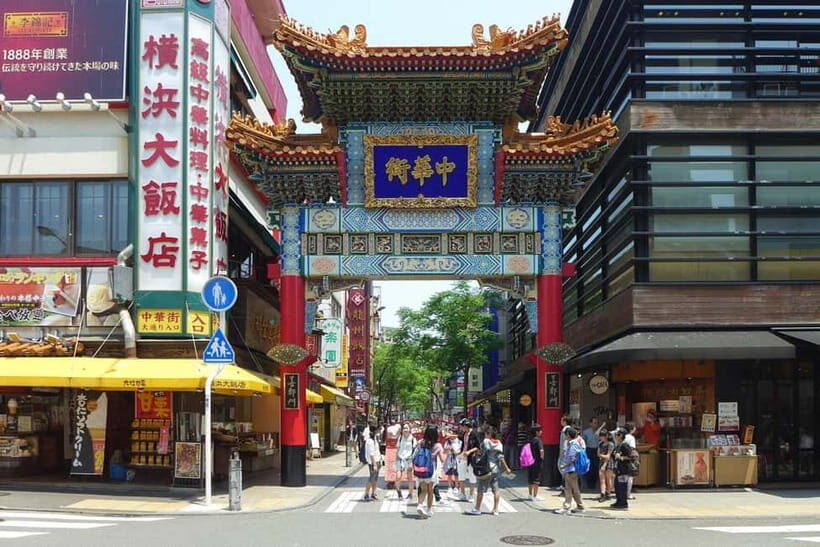
- Yokohama Chinatown If Time Allows: A Quick Food Detour
- Price and Value: Is $838 Per Person Worth It?
- Who This Tour Fits Best (and Who Might Prefer Something Else)
- Should You Book This Mt. Fuji, Hakone & Kamakura Onsen Tour?
- FAQ
- How is pick-up handled in Tokyo?
- What vehicle do you use on the tour?
- What meals are included over the two days?
- Do entrance fees and the boat ride cost extra?
- Is there onsen time during the trip?
- What time is the Lake Ashi boat ride?
- What if Mount Fuji is hard to see due to weather?
- What should I bring?
Key Things I’d Plan Around
- Lake Ashi cruise with a set 9:30 AM departure (about 45 minutes) for those classic water-and-Fuji views
- Arakura Sengen Shrine pagoda framing for an instant “this is Japan” moment
- Owakudani Valley volcanic sulfur vents plus the famous black eggs boiled in sulfuric hot springs
- Tōnosawa Ichinoyu Honkan ryokan stay with onsen time and a multi-course kaiseki dinner
- Kamakura Daibutsu and Odawara Castle in the same return day without feeling like a full-city marathon
A Private Two-Day Fuji and Hakone Route That Starts Calm
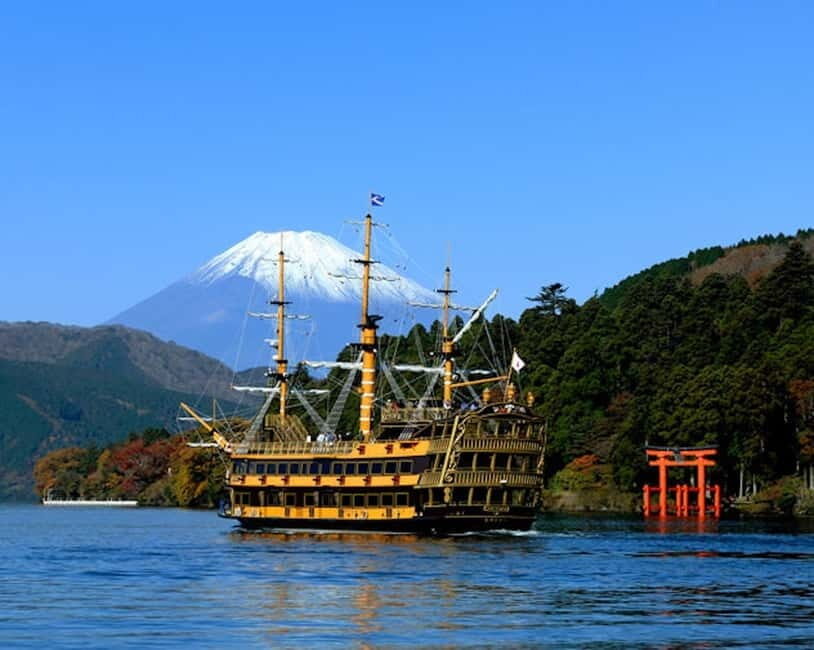
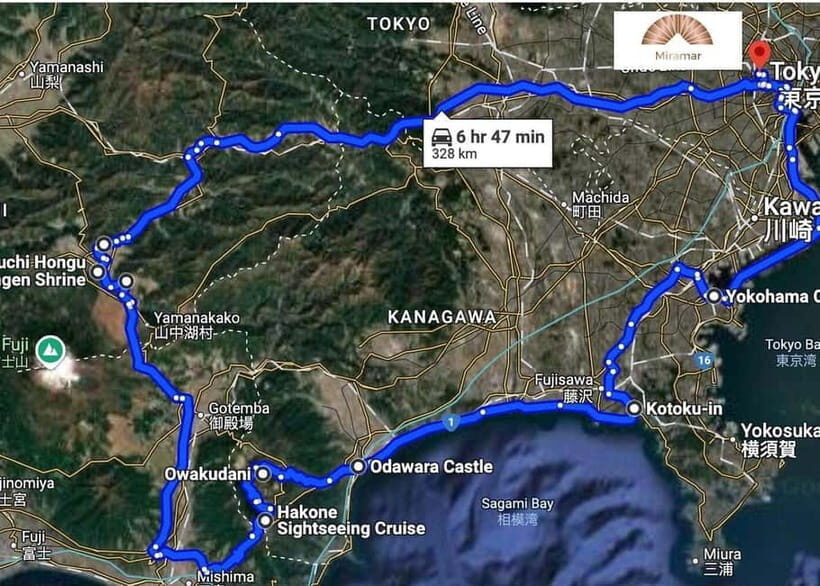
This is a private two-day tour from Tokyo, driven in a comfortable Toyota Alphard or Hiace. The big win is simple: you don’t have to wrestle with transfers, timetables, and “which train goes where” stress. You get pick-up from your hotel inside the Tokyo 23 wards and a drop-off back in central Tokyo (Ginza area is mentioned, but it can be any central location).
The day structure also makes sense for first-timers. Day 1 focuses on Fuji-side viewpoints and shrines, then you rest in Hakone with onsen time. Day 2 shifts to volcanic Hakone sights and finishes with Kamakura’s Great Buddha, with a possible stop in Yokohama Chinatown on the way back.
If you care about control, this format works. You can ask for customizations in pickup location, sightseeing stops, or meal arrangements (within reason), which matters when weather changes Fuji’s mood.
You can also read our reviews of more private tours in Tokyo


Oishi Park on Lake Kawaguchi: Your Fuji Warm-Up Stop
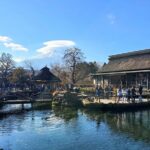
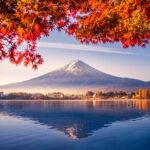
Your Fuji day begins with a drive out of Tokyo, then a stop at Lake Kawaguchi’s Oishi Park. You’ll get around 30 minutes for photos and walking, which is short—but it’s long enough to get your bearings and catch the first serious Fuji views if the weather cooperates.
Here’s the practical part: this region can look stunning in one light and stubbornly gray in the next. If you see a clear gap, move quickly to a viewpoint. If clouds sit low, don’t burn your whole visit staring at the same angle—use the time to adjust positions.
Oishi Park is also a nice warm-up before the shrine stops. By the time you’re climbing stairs and winding through shrine grounds, you’ll already know what kind of Fuji visibility you’re getting.
Arakura Sengen Shrine: The Pagoda View Everyone Tries to Capture
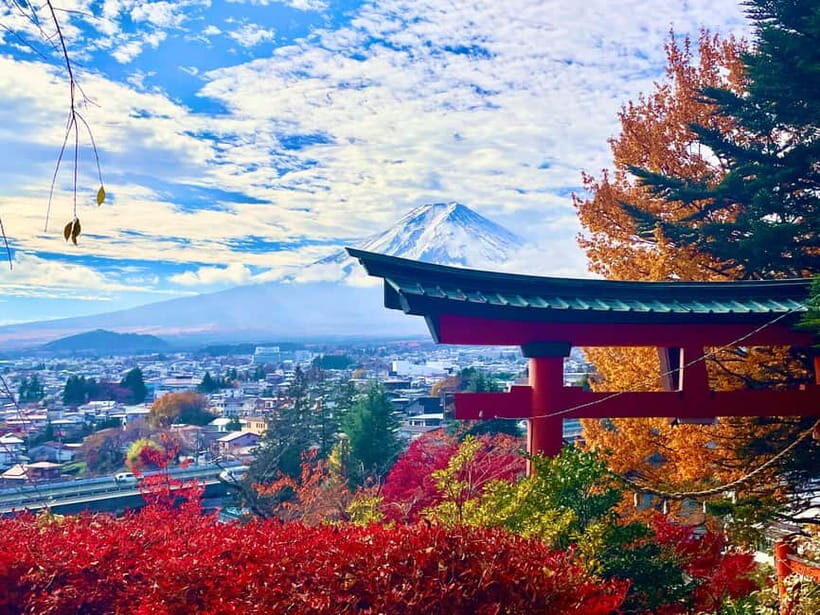
Arakura Sengen Shrine is famous for one reason: the five-story pagoda framing Mount Fuji in the background. You’ll have about an hour here, including photo time and a walk around the area.
Why this stop is worth your time:
- The composition is straightforward even for non-photographers. You’re not hunting for hidden viewpoints; the pagoda-and-Fuji angle does the work.
- It’s a good “reset” stop between scenic areas, so you’re not only looking at water and mountains—you’re seeing how Japan’s sacred sites connect to the geography.
Also, keep in mind you’ll likely be moving at walking pace (stairs included). Wear shoes you can keep on for a while, and expect a bit of wind. Fuji weather can change fast.
Kitaguchi Hongu Fuji Sengen Shrine: A More Serious Side of Fuji
Next comes Kitaguchi-hongu Fuji Sengen Shrine, a historic shrine tied to Fuji-san worship. You’ll spend about 30 minutes here, with photo time and a visit in the serene grounds.
This stop feels different from Arakura. Arakura gives you the postcard view; Kitaguchi Hongu gives you the background. It’s an important part of the Fuji pilgrimage route, which adds context when you’ve already seen Fuji from the “pretty” angles.
If you like cultural sites that still tie into real daily life and tradition, this is a strong pairing. It doesn’t require hours, but it gives your day meaning beyond scenery.
Ushino Hakkai Springs and Oshino Hakkai: Water That Makes Fuji Feel Real
From there, the tour adds natural stops around water sources tied to Fuji. You’ll visit Ushino Hakkai (Ushino Springs) and later Oshino Hakkai.
You get about an hour at Oshino Hakkai with photo stops, shopping, and sightseeing time. At Ushino Hakkai, you’re looking at crystal-clear spring water areas and views of Mount Fuji, with options to walk or relax near the springs.
Why I like these water stops for your itinerary:
- They slow the pace. After shrine stairs and viewpoint hopping, walking near spring water feels like breathing space.
- They show a different “Fuji” story. Instead of only height and clouds, you’re seeing Fuji’s influence on daily natural systems.
If you end up in light rain or mist, these spring areas often still feel scenic. Just bring warm layers and expect the ground around water to be a little slick.
A few more Tokyo tours and experiences worth a look
Lunch in Yamanashi: Houtou and a Midday Reset
Lunch is included on Day 1 and features houtou, a Yamanashi specialty noodle dish. You’ll have around 50 minutes for the meal.
This works well because it’s regional and filling, and it gives you a planned pause before Hakone. You won’t be spending your mental energy hunting for food when you’re already juggling a packed day.
Tōnosawa Ichinoyu Honkan Onsen Ryokan Night: Where the Trip Actually Breathes
After sightseeing, you check into Hakone for an onsen ryokan experience at Tōnosawa Ichinoyu Honkan. You’ll have the evening with onsen time (for a few hours) and a traditional Japanese dinner.
Two things make this ryokan night feel like more than “just sleeping somewhere”:
- You’re getting real downtime. The onsen break is built into the flow, not tacked on at the end.
- Dinner is kaiseki, a multi-course meal focused on seasonal ingredients and fresh seafood.
If you’ve never done an onsen ryokan stay, here’s what to remember: plan to change clothes and use the time for the whole rhythm, not just the bath. Even if you don’t fully understand every course, you’ll be eating food that’s meant to match the season and the location.
Also, pack a change of clothes. The tour specifically notes bringing a change, and you’ll feel grateful when you’re toggling between outside weather and hot-spring warmth.
Day 2 Lake Ashi Cruise: 9:30 AM for Those Classic Views
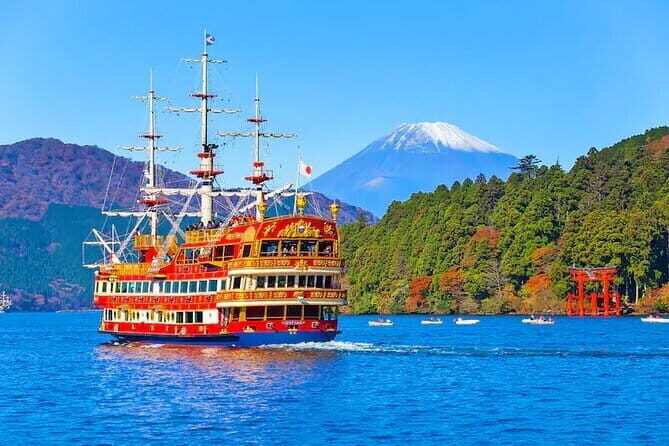
Day 2 starts with a traditional Japanese breakfast at the ryokan, then you head to Lake Ashi for the boat ride. The cruise departs at 9:30 AM, takes about 45 minutes, and finishes at Togendai Port.
This timing matters. Early light can make the water and sky look extra clean, and on a clear day you’re more likely to see Mount Fuji from the lake. The boat also gives you a change of pace—you’re not walking for a while, and you get the views without climbing another set of stairs.
If Fuji is hidden, don’t treat it like a loss. Lake Ashi still provides that Hakone feel: hills, water, and a volcanic region atmosphere.
Owakudani Valley: Sulfur Vents and Black Eggs
After the cruise, you visit Owakudani Valley, a volcanic area known for hot springs and sulfur vents. You’ll have around 45 minutes for photo stops, visiting, and free time.
You’re going for a few very specific things here:
- The sulfur vents, which look and smell like the Earth is doing maintenance
- The famous black eggs, boiled in sulfuric hot springs (you’ll see why they’re such a talked-about snack)
The main practical note: you’ll likely be standing and walking around in a geologically active zone. Wear shoes with good traction, and take the time to breathe through your nose rather than pretending the smell won’t reach you.
If the weather is clear, Owakudani can also deliver Mount Fuji views. If clouds roll in, the sulfur landscape still makes its case.
Odawara Castle: Samurai-Era Context Without a Full Day Commitment
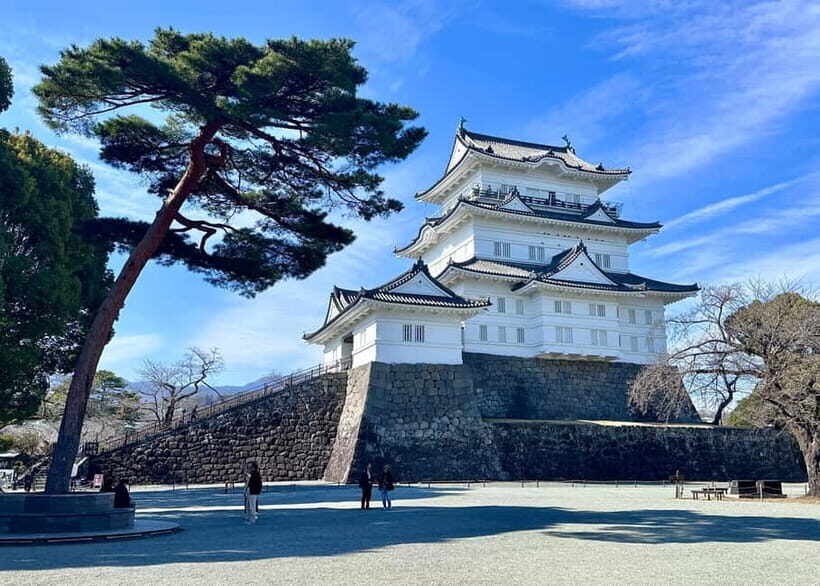
Next you’ll head to Odawara Castle. You get about 45 minutes with photo stop, visit time, and self-guided exploring.
You’ll be able to walk around the castle grounds and gardens, plus spend time at the museum. If you want a quick hit of Japanese history that doesn’t swallow your whole day, this is a workable stop.
Why it pairs well with the rest of Day 2:
- Hakone is nature and geology. Kamakura is religion and heritage. Odawara bridges you into feudal-era context without asking you to slow down for hours.
Kamakura Daibutsu: The Great Buddha That Anchors Your Day
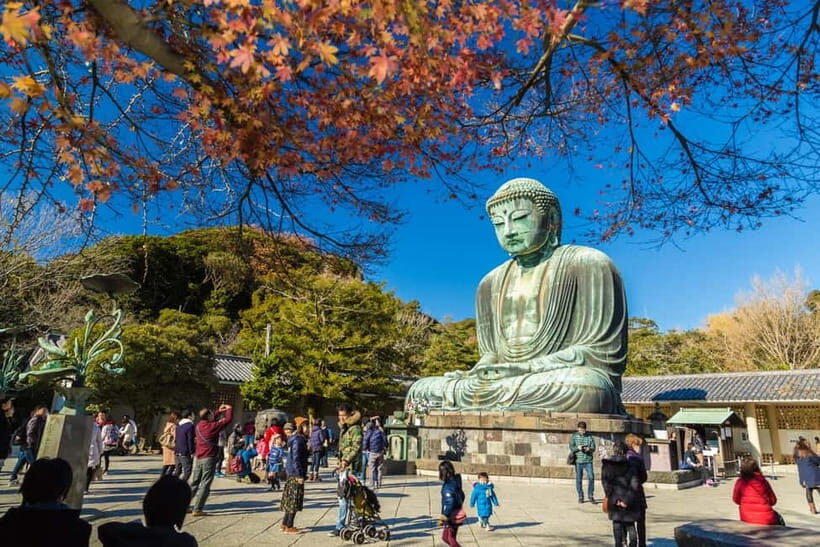
Then it’s Kamakura and the Daibutsu, the Great Buddha. You’ll have about 30 minutes for photo stop and sightseeing.
This statue is the kind of landmark that works even if you’re tired. It’s massive (over 13 meters tall), and you don’t need deep background knowledge to understand the scale. It’s a strong payoff after Owakudani’s intense atmosphere and Odawara’s history.
If you only have a short time in Kamakura, this choice makes sense. It gives you an icon rather than scattering your attention across too many smaller sites.
Yokohama Chinatown If Time Allows: A Quick Food Detour
On the return day, there’s an optional stop in Yokohama Chinatown if time allows. You’ll have around 30 minutes for photo, visiting, shopping, and a walk.
This is the part of the day where you should think like a traveler, not a checklist machine. If the timing feels tight or the weather is rough, you can still use the stop for one simple mission—snack something, take a few photos, and move on.
It’s not an essential core of the tour, but it’s a satisfying way to end a two-day Japan-focused circuit with a different flavor.
Price and Value: Is $838 Per Person Worth It?
The price is $838 per person, and the value depends on what you’re comparing it to.
Here’s what your money is really paying for:
- A private vehicle (Toyota Alphard or Hiace) with pick-up/drop-off inside Tokyo 23 wards
- Entrance fees to all the named sites
- Lake Ashi boat ride
- Day 1 lunch (houtou)
- Ryokan stay with onsen experience plus traditional Japanese breakfast and dinner (kaiseki)
What’s not included:
- Lunch on Day 2
- Personal expenses
So the question isn’t only whether $838 sounds high. It’s whether you’d spend similar money on:
- private transport across the Fuji/Hakone/Kamakura stretch,
- paid entrances,
- a guided pacing that keeps you on track,
- plus an onsen ryokan night with meals.
If you’re traveling as a couple, the “private” part often becomes the best bargain in Japan—because it reduces wasted time and stress that you’d otherwise pay for in taxis and missed connections. If you’re traveling solo, you’re paying more per person, but you still get a full two-day plan with fewer moving parts.
Who This Tour Fits Best (and Who Might Prefer Something Else)
This tour is a good fit if you want:
- A structured private experience that keeps the day moving but not chaotic
- Iconic sights with real variety: Fuji viewpoints, spring areas, volcanic Hakone, then Kamakura’s Great Buddha
- An onsen ryokan night with kaiseki dinner instead of a “train-and-sleep-in-a-city-hotel” plan
You might think twice if:
- You’re very sensitive to tight timing. The stops are meaningful, but the day packs in multiple regions.
- You’re expecting guaranteed Mount Fuji views. The tour allows changes based on weather and traffic, and Fuji visibility isn’t something anyone can force.
If you like having one plan that handles transport and entry fees, this will feel efficient. If you love long, slow wandering without schedules, you may prefer a more flexible multi-day approach.
Should You Book This Mt. Fuji, Hakone & Kamakura Onsen Tour?
I’d book it if your priority is the “best-of” arc—Fuji viewpoints, Hakone’s geology, then Kamakura’s Daibutsu—done with a private driver and an actual onsen ryokan night. At $838 per person, the price is easier to accept because meals, entrances, and the Lake Ashi boat are already built in.
I’d hesitate only if Mount Fuji is your one and only obsession and you can’t handle cloudy days. This tour can adjust stops when visibility is poor, but it can’t change the sky.
If you want a practical, iconic, and comfortable two-day slice of Honshu—plus a hot-spring evening—this one is built for you.
FAQ
How is pick-up handled in Tokyo?
You’ll be picked up from your hotel within the Tokyo 23 wards. If you’re not sure of the exact pickup point, the provider will contact you in advance to confirm details, and you should be ready at least 10 minutes before departure.
What vehicle do you use on the tour?
The tour uses private transportation in a comfortable Toyota Alphard or Hiace.
What meals are included over the two days?
Day 1 includes lunch (houtou) and a traditional Japanese dinner at the ryokan. Day 2 includes a traditional Japanese breakfast. Lunch on Day 2 is not included.
Do entrance fees and the boat ride cost extra?
Entrance fees to all mentioned sites are included, and the Lake Ashi boat ride is included as well.
Is there onsen time during the trip?
Yes. You’ll have an onsen experience during your overnight ryokan stay in Hakone.
What time is the Lake Ashi boat ride?
The Lake Ashi boat departs at 9:30 AM and the ride takes about 45 minutes.
What if Mount Fuji is hard to see due to weather?
The itinerary may be adjusted depending on weather conditions (especially Mount Fuji visibility) or traffic. Alternative scenic spots may be offered if visibility is poor, and the tour runs rain or shine except in extreme conditions.
What should I bring?
Bring a passport or ID card, warm clothing, and a change of clothes. Comfortable walking shoes are also recommended due to walking and possible weather shifts.