REVIEW · TOKYO
[Seasonal Limited] Mt. Fuji 5th Station &Hot Spring Day Tour
Book on GetYourGuide →Operated by JRT Group · Bookable on GetYourGuide
A day above the clouds beats a long hike. This Mt. Fuji 5th Station and hot spring tour is built around big scenery with minimal effort, plus two classic extras: Oshino Hakkai and Konohananoyu Onsen. I like that the plan mixes photo-friendly stops with proper time to breathe, so the day doesn’t feel like a sprint.
Two things I’d put at the top: the high-altitude views from around 2,300 meters at the 5th Station (when operating), and the chance to soak while looking at Fuji at Konohananoyu. One thing to keep in mind: visibility is weather-dependent, and on busy weekends the onsen can come with crowds or even schedule changes.
Key highlights that matter in real life
- Mt. Fuji 5th Station (about 2,300 m): no hiking required, just panoramic views and souvenirs.
- Oshino Hakkai’s eight ponds: classic Fuji-fed spring ponds and easy village walking.
- Konohananoyu Onsen: indoor and outdoor baths with Mt. Fuji views.
- Weather and seasonal swaps: 5th Station may be replaced by Shintaku-yama Asama Park.
- Weekday vs weekend trade-off: Mon–Fri can include a Gotemba alternative if onsen timing changes.
- Guides help with photos and flow: names you may hear include Anna, Ken, Coco, and Jacob.
In This Review
- A Gentle Fuji Day Trip Built for Views, Not Effort
- Tokyo to Fuji: The Long Bus Ride That Sets the Tone
- Mt. Fuji 5th Station Around 2,300 Meters: The Best “No-Hike” View
- When the 5th Station Is Closed: Shintaku-yama Asama Park as the Backup Plan
- Oshino Hakkai’s Eight Ponds: Where Fuji Water Shows Up in a Beautiful Way
- Konohananoyu Onsen: A Real Reset With Mt. Fuji in View
- Weekends and national holidays can change the plan
- Gotemba Premium Outlets: The Shopping Backup When Onsen Timing Shifts
- How the Day Feels: Guide Style, Group Pace, and Photo Help
- Price and Value: What $50 Buys You in Fuji Reality
- Who Should Book This Tour (and Who Should Skip It)
- Should You Book This Mt. Fuji 5th Station and Hot Spring Day Tour?
- FAQ
- Is this tour a full-day experience?
- How much does the tour cost?
- What if Mt. Fuji 5th Station is closed?
- When is Mt. Fuji 5th Station open?
- Do I need to pay for the hot spring?
- What are the tattoo and bathing rules at the hot spring?
- What should I bring for the day?
A Gentle Fuji Day Trip Built for Views, Not Effort
![[Seasonal Limited] Mt. Fuji 5th Station &Hot Spring Day Tour - A Gentle Fuji Day Trip Built for Views, Not Effort](https://images.thejapantraveler.com/wp-content/uploads/seasonal-limited-mt-fuji-5th-station-hot-spring-day-tour-1.jpg)
This is a “see the mountain” day, not a “climb the mountain” day. You ride up to the 5th Station by bus, spend time taking photos, then move through the Fuji-area highlights. It’s a smart fit if you want the iconic scenery without needing traction, altitude training, or a long hike schedule.
What makes it especially practical is the rhythm: transport, then a clear sightseeing block, then a real break—followed by the onsen reset. I also like that the day is centered on well-known, easy-to-navigate places: 5th Station, Oshino Hakkai, and Konohananoyu Onsen are the kind of stops that are famous for a reason.
The pace is also family-friendly in theory (with the caveat that it’s not suitable for everyone—more on that later). In practice, it’s still a one-day tour from Tokyo, so you’ll feel the travel time. Expect the bus to be the time sink, especially in winter.
Tokyo to Fuji: The Long Bus Ride That Sets the Tone
![[Seasonal Limited] Mt. Fuji 5th Station &Hot Spring Day Tour - Tokyo to Fuji: The Long Bus Ride That Sets the Tone](https://images.thejapantraveler.com/wp-content/uploads/seasonal-limited-mt-fuji-5th-station-hot-spring-day-tour-2.jpg)
The trip starts with a pickup that can be either SMBC Bank Shinjuku Nishiguchi or Tokyo Station (Marunouchi North Exit). From there, you’re on the coach for about 2 hours before your first major stop.
This ride matters more than you might think. The mountain area is far enough that you’re not just “going on a quick field trip.” If you can, bring whatever helps you pass time comfortably—layering is key, because temperatures can change fast as you climb.
Also note the guide format. In small daily groups, the driver may act as part guide with limited English commentary, and there’s no commentary while driving. Translation-wise, you should get multilingual support onboard (not a single-language-only situation), but don’t expect a constant narrative in real time as the bus moves.
On weekends and holidays, traffic can be heavier, and schedules can tighten. The tour adjusts routes and stop order for efficiency, which is good planning—but it does mean you should keep a flexible mindset.
A few more Tokyo tours and experiences worth a look
Mt. Fuji 5th Station Around 2,300 Meters: The Best “No-Hike” View
![[Seasonal Limited] Mt. Fuji 5th Station &Hot Spring Day Tour - Mt. Fuji 5th Station Around 2,300 Meters: The Best “No-Hike” View](https://images.thejapantraveler.com/wp-content/uploads/seasonal-limited-mt-fuji-5th-station-hot-spring-day-tour.jpg)
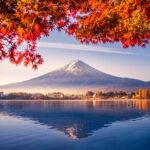
When the 5th Station is open, you’ll be taken up to about 2,300 meters for roughly 60 minutes. This is the core experience: above the cloud layer, you get that sharp, wide view of Fuji that most people dream about.
What you’ll likely enjoy most here:
- Panoramic photo opportunities: you don’t need trekking gear, just good timing and a camera.
- Crisp mountain air: it feels noticeably different from the city.
- Souvenir stops unique to this area: the kind of small finds you can’t replicate anywhere else.
Important seasonal detail: the 5th Station opening runs May 10 to November 30. Outside that window, you won’t force the mountain experience where it isn’t operating.
If you care about photos, treat your first hour as your “best chance” window. Clouds can roll in fast, so it helps to be ready to shoot the moment the sky clears.
When the 5th Station Is Closed: Shintaku-yama Asama Park as the Backup Plan
![[Seasonal Limited] Mt. Fuji 5th Station &Hot Spring Day Tour - When the 5th Station Is Closed: Shintaku-yama Asama Park as the Backup Plan](https://images.thejapantraveler.com/wp-content/uploads/seasonal-limited-mt-fuji-5th-station-hot-spring-day-tour-4.jpg)
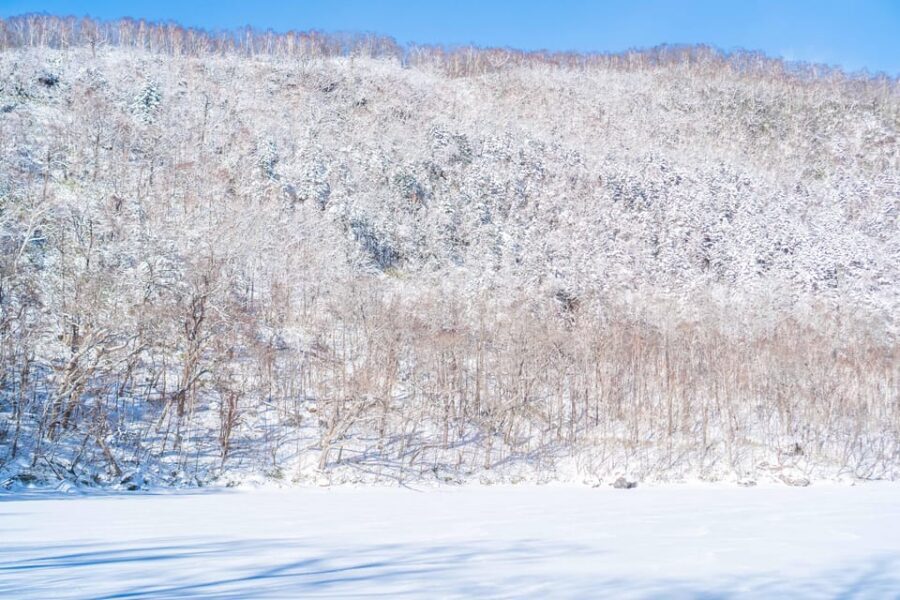
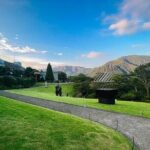
In winter conditions or when the 5th Station can’t run, the tour redirects to Shintaku-yama Asama Park. This matters because it tells you something important: the day is designed to keep moving even when Fuji can’t be accessed the way it normally is.
So what can you expect from this swap? The tour still aims to deliver iconic Fuji-style photo moments—just from a different viewing setup than the true 5th Station experience.
If you’re traveling outside May 10 to November 30, I’d mentally budget for “different angles, same goal.” You still come for Fuji visuals and photo stops; you’re just not guaranteed the exact 5th Station altitude and conditions.
Oshino Hakkai’s Eight Ponds: Where Fuji Water Shows Up in a Beautiful Way
Next comes Oshino Hakkai, reached after a short transfer (about 30 minutes). You’ll get around 60 minutes here, and it’s a perfect contrast to the altitude stop.
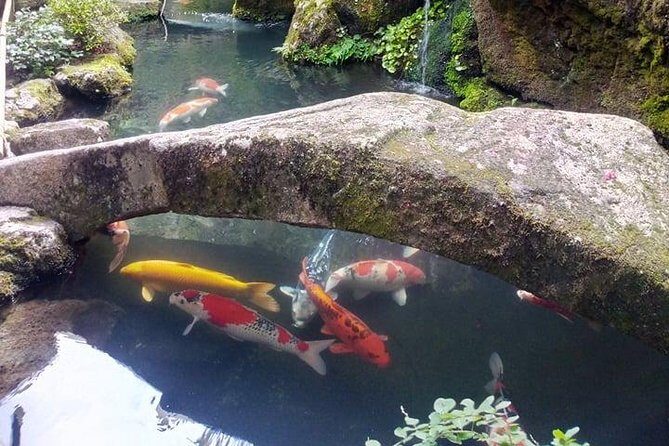
Oshino Hakkai is famous for its eight crystal-clear spring ponds, fed by Mt. Fuji’s snowmelt. That origin story matters. The water isn’t just scenic decoration; it’s part of why the ponds look so clear and reflective.
You’ll also find a village atmosphere with traditional thatched-roof houses, plus footbridges and flowers. This is a great stop for:
- slow walking and photos without stress
- a calmer break before the onsen
- a taste of that “old Japan” feeling people come for around Fuji
One practical tip: keep your pace gentle here. You’ll want time to circle for angles—especially if you like reflections and postcard-style shots. The tour includes free time, so you can linger where the pond views are strongest.
Konohananoyu Onsen: A Real Reset With Mt. Fuji in View
![[Seasonal Limited] Mt. Fuji 5th Station &Hot Spring Day Tour - Konohananoyu Onsen: A Real Reset With Mt. Fuji in View](https://images.thejapantraveler.com/wp-content/uploads/seasonal-limited-mt-fuji-5th-station-hot-spring-day-tour-5.jpg)
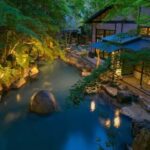
Then it’s time to soak at Konohananoyu Onsen. You’ll typically have about 120 minutes. This is the part many people remember most because it turns the Fuji viewing into a full-body experience.
Here’s what you should plan for:
- Indoor and open-air baths with views of Mt. Fuji
- Enough time to actually relax, not just “wash and go”
- A chance to eat or have tea in the rest area after bathing
Before you go, read the onsen rules carefully:
- You must cover tattoos; otherwise entry can be refused.
- Japanese hot springs require nude bathing (onsen fee is paid on your own).
So yes, it’s absolutely worth it if you’re comfortable with onsen norms. If you’re not, you’ll still get the scenery side, but you might want to think twice before assuming the bathing portion will feel effortless.






Weekends and national holidays can change the plan
There’s a big scheduling note you shouldn’t ignore. Hot spring arrangements are not available on weekends and Japanese national holidays, and when it gets busy you may face long waits. In those cases, you might be directed toward nearby shopping instead (Gotemba is mentioned as the alternative).
Translation: if hot springs are the whole point, weekdays are the safer bet.
Gotemba Premium Outlets: The Shopping Backup When Onsen Timing Shifts
![[Seasonal Limited] Mt. Fuji 5th Station &Hot Spring Day Tour - Gotemba Premium Outlets: The Shopping Backup When Onsen Timing Shifts](https://images.thejapantraveler.com/wp-content/uploads/seasonal-limited-mt-fuji-5th-station-hot-spring-day-tour-6.jpg)
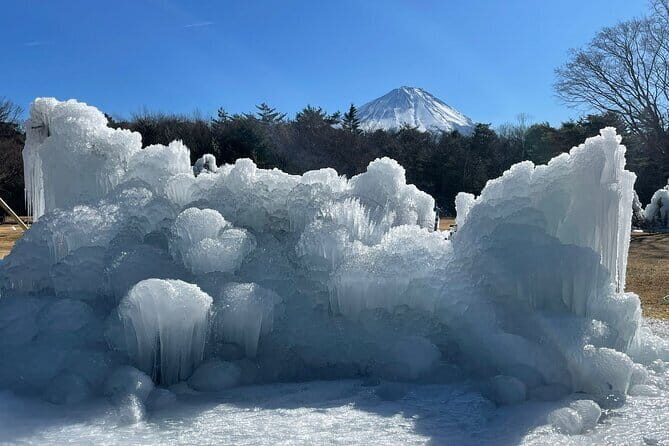
If you’re on a day when the onsen isn’t the focus, the tour may include Gotemba Premium Outlets at the foot of Mt. Fuji. You’ll get a chance to shop while still looking up at Fuji when the weather cooperates.
This option is useful because it fills time when the onsen experience is paused, crowded, or not available. Even if you’re not a hardcore shopper, it can be a practical “keep the day moving” alternative.
The key is mindset: treat Gotemba as your flexibility tool, not a replacement for soaking. If you came specifically for bathing, double-check that your travel date aligns with onsen availability.
How the Day Feels: Guide Style, Group Pace, and Photo Help
![[Seasonal Limited] Mt. Fuji 5th Station &Hot Spring Day Tour - How the Day Feels: Guide Style, Group Pace, and Photo Help](https://images.thejapantraveler.com/wp-content/uploads/seasonal-limited-mt-fuji-5th-station-hot-spring-day-tour-7.jpg)
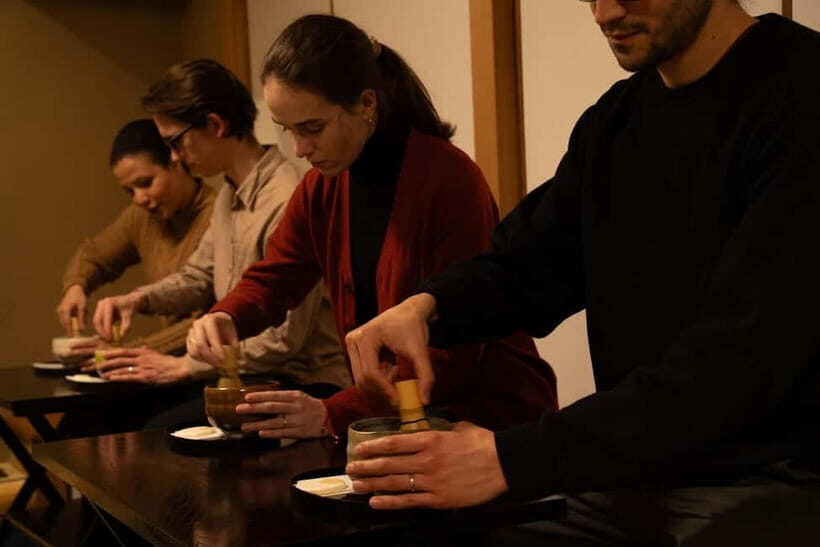
This kind of tour lives or dies by guide pacing. Based on the guide names and roles you might see—Anna, Ken, Coco, and Jacob—the best version of this day is organized, friendly, and photo-aware.
What to look for (and expect):
- Clear explanations at major stops
- Assistance with timing so you’re not wandering during peak views
- A schedule that balances sightseeing with real downtime
Still, keep your expectations grounded. The driver-guide style means you won’t get constant narration while the bus moves. Also, the group format can vary, and vehicle type isn’t guaranteed on travel days. Some days the bus feels basic, and the ride time is long enough that you’ll want comfort.
One more logistics reality: pickup details can shift, and on arrival day you should confirm where you’re meeting. If that doesn’t match what you planned, the day starts off the wrong way fast.
Price and Value: What $50 Buys You in Fuji Reality
![[Seasonal Limited] Mt. Fuji 5th Station &Hot Spring Day Tour - Price and Value: What $50 Buys You in Fuji Reality](https://images.thejapantraveler.com/wp-content/uploads/seasonal-limited-mt-fuji-5th-station-hot-spring-day-tour-8.jpg)
At $50 per person, this is a value-style day trip because you’re paying for transportation, parking/fuel coverage, and a guide who shepherds you between multiple sites. You’re not just buying entry tickets—you’re buying a full day of structured movement from Tokyo into Fuji country.
What’s not included matters:
- Meals
- Onsen fee
- Personal expenses and insurance
So your real total cost depends on how you eat and how often you stop for snacks or tea. Also, the onsen fee is an extra you’ll want to budget for once you’re there.
Weather can affect value too. If clouds block Fuji, you can still enjoy Oshino Hakkai and the onsen—but the centerpiece view may be weaker. That’s not a fault of the tour; it’s mountain weather. The price is still fair when you get the good visibility window.
Who Should Book This Tour (and Who Should Skip It)
![[Seasonal Limited] Mt. Fuji 5th Station &Hot Spring Day Tour - Who Should Book This Tour (and Who Should Skip It)](https://images.thejapantraveler.com/wp-content/uploads/seasonal-limited-mt-fuji-5th-station-hot-spring-day-tour-9.jpg)
This is a good fit if you:
- want iconic Fuji views without hiking
- like classic Japan scenery: 5th Station area, Oshino Hakkai, traditional water-and-pond vibes
- want a relaxing end to the day with Konohananoyu Onsen
- prefer a guided structure that keeps you moving sensibly from Tokyo
It’s not a great fit if you:
- are pregnant, have mobility impairments, or use a wheelchair
- are over 70
- need a low-walking day with minimal steps (the stops are easy, but they’re still outdoors and photo-walk friendly)
Also, kids can join—ages 0–3 require checking in advance. If you’re traveling with little ones, confirm expectations so you don’t get stuck with a surprise limitation on the day.
If you’re mainly chasing Fuji as a photographer, you’ll likely be happiest on dates when you can catch clearer skies. Bring cash, wear comfortable shoes, and plan to layer.
Should You Book This Mt. Fuji 5th Station and Hot Spring Day Tour?
I’d book it if you want the classic Mt. Fuji experience with low effort: 5th Station views (or the seasonal replacement), Oshino Hakkai ponds, and a Fuji-facing onsen when your date supports it. The itinerary is designed so you’re not just “in and out.” You get a real stop at each highlight.
Skip or reconsider if onsen time is non-negotiable and you’re traveling on a weekend or Japanese national holiday, since hot spring arrangements may not run then. Also, if you’re very sensitive to pickup confusion, double-check your meeting point instructions close to departure.
If your main dream is Fuji photos, keep one expectation flexible: mountain weather can steal views. When Fuji is clear, this day hits hard. When it’s cloudy, you still come away with a solid Fuji-region sampler and a relaxing finish.
FAQ
Is this tour a full-day experience?
Yes. The total duration is listed as 1 day, with transfers from Tokyo plus multiple sightseeing stops and breaks.
How much does the tour cost?
The price is listed as $50 per person.
What if Mt. Fuji 5th Station is closed?
If the 5th Station is closed due to winter conditions or other reasons, the trip will be redirected to Shintaku-yama Asama Park.
When is Mt. Fuji 5th Station open?
The opening period is listed as May 10 to November 30. During other periods, the tour goes to Shintaku-yama Asama Park instead.
Do I need to pay for the hot spring?
Yes. The onsen fee is not included, so you’ll pay it on your own.
What are the tattoo and bathing rules at the hot spring?
Tattooed guests must cover their tattoos or entry will be refused. Japanese hot springs require nude bathing.
What should I bring for the day?
Bring comfortable shoes and comfortable clothes, and have cash for any items you pay for on your own.