REVIEW · TOKYO
Mt fuji & Hakone customizable day tour w/ English speaking driver
Book on Viator →Operated by Ikisaki Tours & Travels · Bookable on Viator
A private Fuji day feels like getting the whole story. This customizable Mt. Fuji & Hakone experience gives you hotel pickup and an English-speaking driver who can shape the route around your interests. What I like most is the personal pace and attention (no ride-sharing), and the chance to hit classic viewpoints like Mt. Fuji 5th Station and Lake Kawaguchiko in one day.
My second big plus: you’re not stuck with one rigid plan. You can choose from six route styles, then tweak things with your coordinator, which matters because weather and timing can be unpredictable around Fuji. The main drawback to plan for is that many big sights and rides require separate admission tickets you pay on the spot, so the final total climbs a bit.
Come prepared for the practical side of Fuji and Hakone: bring cash and pack sensible extras. One review even called out a handheld fan, umbrella, and water, which is exactly the kind of small prep that keeps a long day enjoyable. Also, good weather is required, so if visibility is poor you’ll need to accept a new date or a full refund.
In This Review
- Key things to know before you go
- Why a private Fuji and Hakone day is worth the money
- Choosing your route: 6 options that match different moods
- Mt. Fuji 5th Station: high altitude views that set the tone
- Oshino Hakkai and Iyashi-no-Sato: Fuji’s story at human scale
- Lake Kawaguchiko and Oishi Park: where Fuji shows off
- Chureito Pagoda: the iconic Fuji angle
- Mt. Fuji Panoramic Ropeway: a scenic ride with trade-offs
- Hakone’s Ōwakudani Valley: volcanic drama in a small time block
- Hakone Open-Air Museum and Hakone Ropeway: art and altitude
- Hakone Shrine and Lake Ashi: the calm after the steam
- Gotemba Premium Outlets: shopping with a Fuji backdrop
- Driver quality, vehicle comfort, and why it matters
- Tickets, weather, and the real cost of “on the day” sightseeing
- What this tour is best for (and where it may not fit)
- Should you book this Mt. Fuji & Hakone private day?
- FAQ
- How long is the Mt. Fuji and Hakone private day tour?
- Is hotel pickup included?
- Is the driver English speaking?
- Is this tour private or shared?
- What tickets are not included?
- Do I need good weather?
- What’s the group size and price?
Key things to know before you go
You get a true private ride with hotel pickup and no other passengers in the vehicle.
Route choice is flexible: pick one of six plans or customize your own.
Classic viewpoints fit into one long day, from Fuji 5th Station to Hakone’s Lake Ashi views.
Expect extra ticket payments for several attractions and ropeways.
The driver is the guide with English/Japanese skills and strong local driving experience.
Weather decides your photos, especially for Mount Fuji viewpoints.
Why a private Fuji and Hakone day is worth the money
If you’re going to spend an entire day in the Fuji–Hakone region, the biggest question is always time. A private format is a time-saver because you don’t waste half the day waiting, rerouting, or squeezing between group schedules. Here, the ride is built around you, and that matters when roads are busy and parking/show queues can be slow.
I also like the “driver as guide” setup. Your English-speaking driver can explain what you’re seeing and help with the best way to approach each stop. In real-world terms, that means you can get your bearings fast and spend more time looking out at Mt. Fuji, not figuring out how everything works.
The cost is $530 per group (up to 5). That sounds high until you compare it to the value of one dedicated vehicle for a whole day, plus hotel pickup and WiFi in the car. If you’re traveling as a small family or a group of friends, it often pencils out better than paying for multiple tickets and then still dealing with long waiting times on shared tours.
A few more Tokyo tours and experiences worth a look

Choosing your route: 6 options that match different moods
The tour is built to be customizable, but you still get a helpful starting point: six standout routes. Before you decide, think about what you want most from the day, because not every route includes every iconic moment.
Route styles fall into a few themes:
- Fuji-focused classics (Fuji 5th Station, Oshino Hakkai, Chureito Pagoda, Lake Kawaguchiko).
- Fuji plus shopping (Gotemba Premium Outlets).
- Hakone’s volcanic and water views (Ōwakudani, Lake Ashi, Hakone Ropeway, Hakone Shrine).
- Full Fuji and Hakone combination if you want the max mix in one go.
One smart move is to match your route to your energy level. If you love high vantage points and photo stops, go heavier on Fuji viewpoints. If you want the Hakone “volcano-meets-lake” feel, lean into Ōwakudani and Lake Ashi. And if you also want souvenirs without a separate half-day trip, choose the plan that includes Gotemba.
Mt. Fuji 5th Station: high altitude views that set the tone
Mt. Fuji’s 5th Station is one of those places where you immediately understand why people come back again and again. It sits around 2,300 meters above sea level, so the air feels different and the views spread out in a way that’s hard to replicate from lower areas.
What to expect: a clear, dramatic viewpoint over mountains and forests, with a sense of scale that makes Mt. Fuji look close enough to touch. You’ll typically have around 30 minutes here on most route plans, which is enough time to walk a bit, take photos, and grab a quick moment of calm.
Drawback to keep in mind: visibility is everything. If cloud or haze rolls in, the “wow” factor drops fast. That’s why you should treat weather as a real part of your planning, not a background detail.
Oshino Hakkai and Iyashi-no-Sato: Fuji’s story at human scale

If Mt. Fuji 5th Station is the big postcard moment, Oshino Hakkai brings it back down to earth. This area is known for crystal-clear spring ponds fed by melted snow from Mt. Fuji. It’s classic Japan: gentle walking paths, water that looks clean enough to drink (though you won’t be doing that), and traditional thatched-roof houses in the background.
Then you might head to Saiko Iyashi no Sato Nemba, an open-air cultural village showcasing restored thatched-roof structures. It’s the kind of stop that works well when you want a slower pace and a more cultural angle instead of only scenic viewpoints.
In terms of what I’d watch for: these places are photo-friendly, but they’re not “one-and-done museum stops.” Give yourself time to wander rather than trying to rush every corner in the first five minutes.
Lake Kawaguchiko and Oishi Park: where Fuji shows off
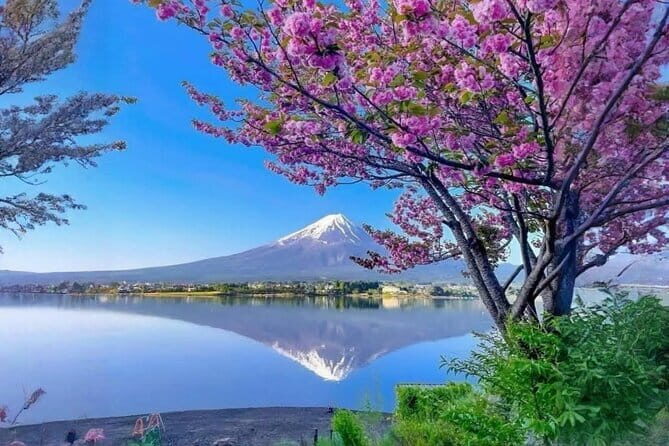
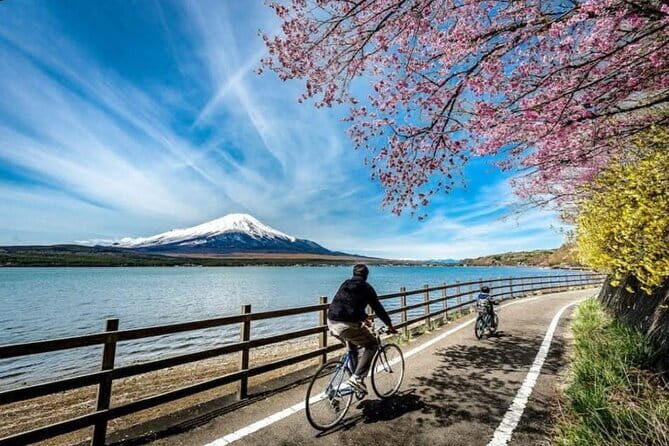
Lake Kawaguchiko is where the region’s postcard logic becomes obvious. On clear days, Mt. Fuji can reflect on the calm surface, making the whole scene feel balanced and almost symmetrical. You’ll spend about 30 minutes at the lake area on routes that focus on Fuji views.
Oishi Park is one of the best-known viewpoint spots along the lake’s northern shore, especially because it frames Mt. Fuji with seasonal flowers. If you want a “best angles” moment, this is the stop where you’ll usually feel the momentum shift from travel to sightseeing.
Practical note: these are photo stops, so plan for standing, walking a little, and adjusting your angle. If you’re sensitive to crowds or wind, bring layers and pick your spots early when the light looks good.






Chureito Pagoda: the iconic Fuji angle

Chureito Pagoda is famous for a reason. From this hillside viewpoint, you get a layered composition: the pagoda in front and Mt. Fuji behind it. Depending on the season, the setting can look especially dramatic.
You’ll usually have about 45 minutes, which is a good window. Long enough to photograph from different angles, but not so long that you lose momentum for the next part of the day.
Consideration: this is popular. If you hate waiting, you’ll still be fine if you keep your expectations realistic and move when the line of sight improves.
Mt. Fuji Panoramic Ropeway: a scenic ride with trade-offs
Some routes include the Mt. Fuji Panoramic Ropeway, with around 1 hour set aside on the day plan. It’s a helpful add-on when the ground-level spots feel like too much walking but you still want elevation views.
The main trade-off is time and weather dependence. If you already feel short on time or clouds roll in, ropeway views can feel less dramatic. If visibility is good, though, it turns into a relaxing way to see the lake area from above.
Hakone’s Ōwakudani Valley: volcanic drama in a small time block
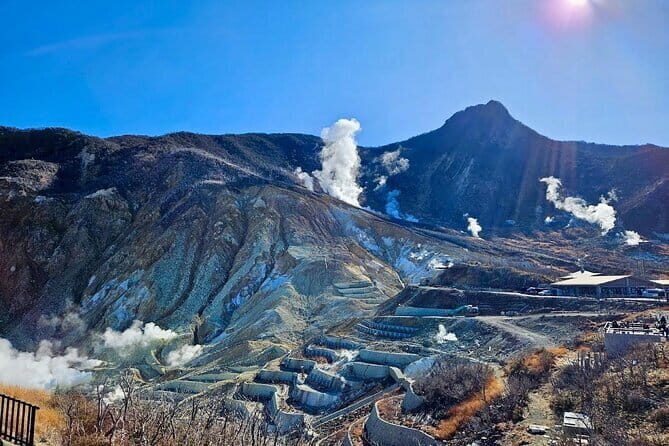
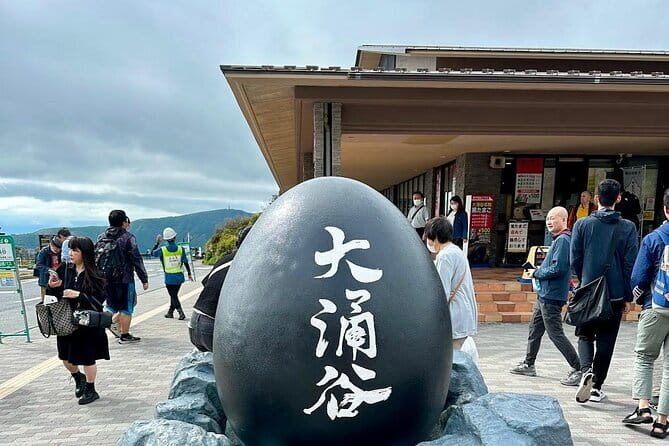
Ōwakudani Valley is the Hakone counterweight to Lake Kawaguchiko. This is volcanic terrain with steaming vents and that distinctive sulfur atmosphere. It’s a quick hit too—often about 30 minutes—so you get the effect without burning half the day.
What makes it memorable is the contrast: Fuji is clean and still in your mind, while Ōwakudani looks rugged and active. Even if you’ve seen volcano photos before, it lands differently in person.
Note: the day is long. If you’ve done Fuji 5th Station and multiple lake viewpoints, this stop can feel intense at first. Take it slow, and don’t treat it like a sprint.
Hakone Open-Air Museum and Hakone Ropeway: art and altitude
The Hakone Open-Air Museum is a unique break from the “only viewpoints” rhythm. Expect sculptures set against the mountain setting, with around 40 minutes available on typical plans. If you like creative stops where nature and art mix, this can be a welcome change of pace.
Then you may swap altitude perspectives again with the Hakone Ropeway. It offers panoramic views over Mt. Fuji on clear days (not guaranteed), Lake Ashi, and the Ōwakudani area. You’ll usually have about 45 minutes here.
My advice: if you’re a photo-first person, treat the Ropeway as your “catch the bigger picture” moment. If you’re more into strolling and less into lines, you’ll probably still enjoy the views, just don’t chase perfect shots every minute.
Hakone Shrine and Lake Ashi: the calm after the steam
Hakone Shrine is known for a red torii gate rising from the waters of Lake Ashi. It’s often framed in the kind of stillness that makes it feel almost cinematic. You’ll usually have around 40 minutes depending on the route.
Then come the water views at Lake Ashi (Lake Ashinoko), typically with about 45 minutes on the day plan and the tour including a cruise option on some route styles. In one route option, the day specifically includes a Pirate Ship style cruise from Togendai to Motohakone.
What I like about ending (or near-ending) with Lake Ashi is that it shifts the mood. You’ve seen steam and altitude; now you get something quieter. If your feet feel tired, this part lets you sit, breathe, and reset.
Gotemba Premium Outlets: shopping with a Fuji backdrop
If shopping is part of your trip, the option that includes Gotemba Premium Outlets is handy. It’s one of Japan’s larger outlet malls and is known for offering views of Mt. Fuji on clear days.
You’ll usually have around 2 hours set aside. That’s enough time to browse, pick up a few essentials, and still get back to your hotel without feeling like you missed the whole day.
The main watch-out is that malls can eat time fast if you’re tempted by everything. If your goal is just a handful of items, set a small target before you walk in.
Driver quality, vehicle comfort, and why it matters
The experience leans hard on the driver. You’re getting a licensed driver who also functions as an English/Japanese guide, and the company emphasizes around 26 years of driving experience. In a region where traffic and mountain roads can be tricky, this skill matters more than people think.
In the reviews, I saw repeated emphasis on punctual pickup and clean, comfortable vehicles. One named guide, Adnan, was described as friendly and professional, and another driver, Ali, was praised as helpful. There was also praise for Anique, including extra care for seniors and walking difficulties.
In practical terms, that means you should talk early about your pace. If you need fewer stairs, more short stops, or clearer priorities, say it at pickup. A good driver can help you avoid the frustrating version of sightseeing where you’re racing your own body.
Also: WiFi hotspot in the car is included, and the vehicle is air-conditioned and described as modern and clean. You’ll also have highway tolls covered, along with fuel and a fuel surcharge—so you don’t get surprised by random small payments during the drive.
Tickets, weather, and the real cost of “on the day” sightseeing
A big part of the budget is that many key items are not included as admission tickets. Based on what’s listed, you may pay on the spot for things like:
- Mt. Fuji 5th Station (Subaru Line)
- Oshino Hakkai entry
- Kachi Kachi Ropeway
- Ōwakudani Valley entry
- Hakone Open-Air Museum entry
- Hakone Shrine entry
- Hakone Ropeway
- Lake Ashi cruise option
- Chureito Pagoda and Arakurayama Shrine (included on some route styles)
- Gotemba Premium Outlets (listed as included in the route option)
For Fuji 5th Station specifically, there’s a note that the toll fee at the Subaru Line Fifth Station isn’t included and ranges from about 2,100 JPY to 3,460 JPY per vehicle at the toll gate. That detail matters because it’s a cost you’ll settle directly rather than in advance.
Weather is the other cost: the tour requires good weather. If conditions are too poor, you’ll be offered a new date or a complete refund. That’s fair, and it’s the reason you shouldn’t gamble all your free time on one single day unless your schedule is flexible.
What this tour is best for (and where it may not fit)
This is ideal if you want iconic Fuji and Hakone sights without a bus crowd and without having to plan transportation between them. It’s also a strong pick for couples, small families, and groups up to five who like having control over the route.
It’s less ideal if you love spontaneous, meandering travel with lots of stops you’re choosing on the fly. The day still runs on a packed schedule with travel time built in, and additional sights after the planned ten hours can trigger an overtime charge of 5,000 JPY per extra hour, paid directly to the driver.
One more small heads-up: only one child seat per vehicle may be provided, so plan accordingly if you’re traveling with kids.
Should you book this Mt. Fuji & Hakone private day?
Yes, if you want a smooth, no-stress way to see Mt. Fuji and Hakone in one day and you’re traveling as a small group. The hotel pickup, English-speaking driver, and private vehicle are the core value. Add in the fact that you can tailor the route, and you get a day that can match your priorities instead of forcing you into someone else’s checklist.
Skip it or choose a simpler route if you’re on a tight budget for extra tickets or if your travel dates are locked with zero flexibility for weather. Also, if you dislike long days, remember the tour is about 10 hours (with time adjusting for where you start and end).
If you like clear priorities, good driving, and big views without the hassle of stitching together multiple taxis and trains, this is a solid way to experience the Fuji–Hakone highlights.
FAQ
How long is the Mt. Fuji and Hakone private day tour?
It runs for about 10 hours. Pickup and drop-off in Tokyo fit within that 10-hour window, and times can shift depending on how far the pickup and drop-off are from the Fuji area.
Is hotel pickup included?
Yes. Hotel pickup is part of the service for convenience, and the tour also includes meet-and-greet.
Is the driver English speaking?
Yes. The tour includes an English and Japanese speaking driver/guide.
Is this tour private or shared?
It’s private. Only your group participates, and you won’t be sharing the ride.
What tickets are not included?
Admission fees for several sights and rides are not included, including Oshino Hakkai, Mt. Fuji 5th Station, Owakudani Valley, the Hakone Open-Air Museum, Hakone Ropeway, Hakone Shrine, and others listed in the not included section. Tickets are paid directly on the spot.
Do I need good weather?
Yes. Good weather is required. If unavoidable circumstances or bad weather affects the plan, you’ll be given a new date or a complete refund.
What’s the group size and price?
The price is $530 per group, up to 5 people.