REVIEW · OSAKA
Osaka: Go Kart Tour on Osaka Streets with Guide
Book on GetYourGuide →Operated by JAPANKART Osaka Branch · Bookable on GetYourGuide
Osaka turns into your race track for 90 minutes. You’ll drive a safety-focused go-kart convoy through the city’s best-known neighborhoods, guided by a real team that keeps things calm and controlled. I especially liked the safety-first driving setup (lead car up front, backup car behind) and the new, clean costumes that make the whole thing feel like a game, not just transport. One thing to consider: this isn’t a deep sightseeing lecture—there’s no site-by-site commentary while you ride.
The crew is friendly and serious about getting you set up right, and you may even recognize names like Ben, Take, and Naomi from past groups. If you’re here to feel Osaka fast—electric streets, big landmarks from the kart window, quick photo moments—this is a very fun way to do it.
In This Review
- Key Things You’ll Notice Right Away
- Osaka Go-Karting That Feels Like a City Game
- Price and What You’re Actually Paying For
- Safety First: Lead Car, Follow Car, and Real Rules
- The Costume Switch: New and Clean, and Surprisingly Fun
- What the 90 Minutes Feels Like (And How to Plan Your Time)
- Stops You’ll Hit: Osaka’s Famous Districts from the Kart Window
- Tsutenkaku and Shinsekai: Street Energy Without the Walking
- Abeno Harukas and the High-Rise Contrast
- Midosuji: The Grand Boulevard Feeling
- America-mura: Osaka’s Fashion and Youth Flavor
- Namba Station Area: A Big Osaka Hub Moment
- Osaka Castle Break: The One Proper Landmark Pause
- Photos You’ll Actually Want to Keep
- What to Wear (So You Don’t Get Turned Away)
- The Japan Driving Paperwork Part That Can Make or Break Your Tour
- Who This Tour Best Fits
- Should You Book This Osaka Go-Kart Tour?
- FAQ
- What’s the duration of the Osaka go-kart tour?
- Do I get a guide who speaks English?
- What documents do I need to drive in Japan on this tour?
- Are Vienna Convention IDPs accepted?
- What should I wear to participate?
- Is there commentary about the sights during the drive?
Key Things You’ll Notice Right Away
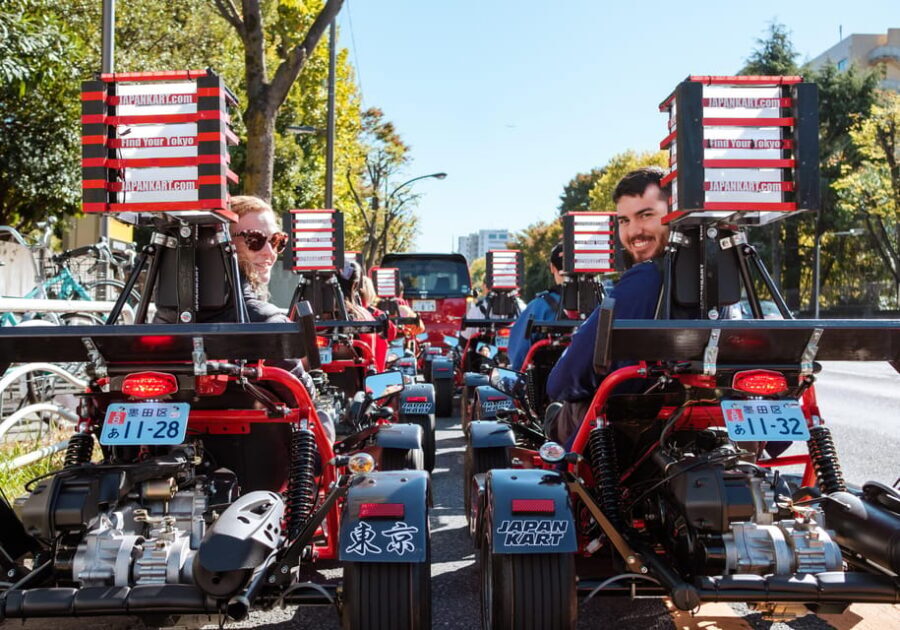
- Lead-car driving and a follow-behind safety car keep the pace predictable and reduce chaos.
- A newly customized kart is built with safety and comfort in mind.
- Costume time is real: you can pick from new, clean outfits before you hit the streets.
- Photo stops at Osaka Castle and Tsutenkaku help you remember the drive beyond your own phone.
- A small group (up to 10) makes check-in smoother and the whole operation easier to manage.
Osaka Go-Karting That Feels Like a City Game
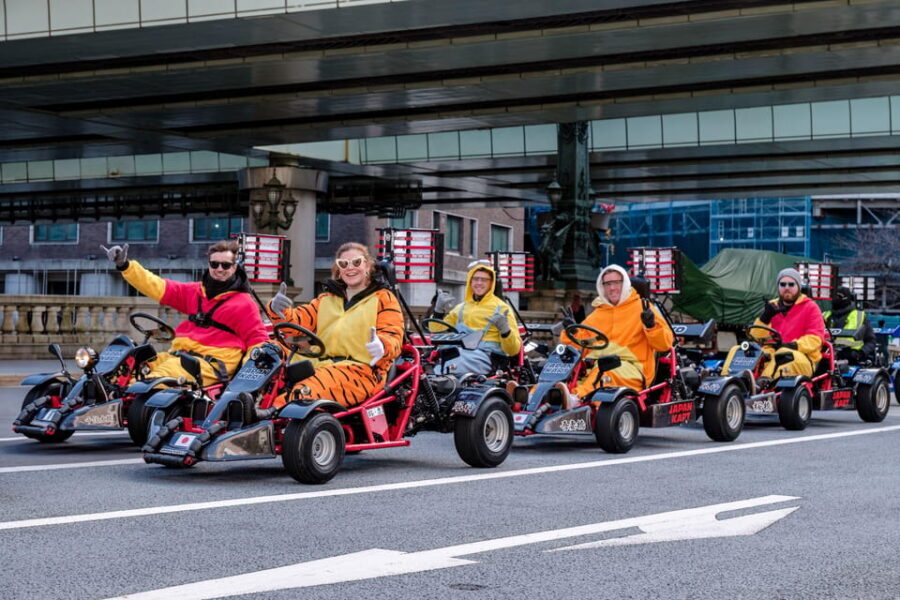
This tour works because it treats go-karting like an activity first, sightseeing second. You start with a proper safety briefing, then you get kitted out (including sunglasses and goggles, plus jackets in rainy or colder months). After that, you’re on the streets with a lead car in front of you and a second car behind—so you’re not wondering what to do or where to go. You just drive, follow, and enjoy.
I like that the experience doesn’t try to be something it’s not. One review summed it up well: you won’t get a running commentary about famous sights. Instead, your job is to pay attention to driving, enjoy the views as you pass, and take photos when the team stops.
You can also read our reviews of more guided tours in Osaka

Price and What You’re Actually Paying For
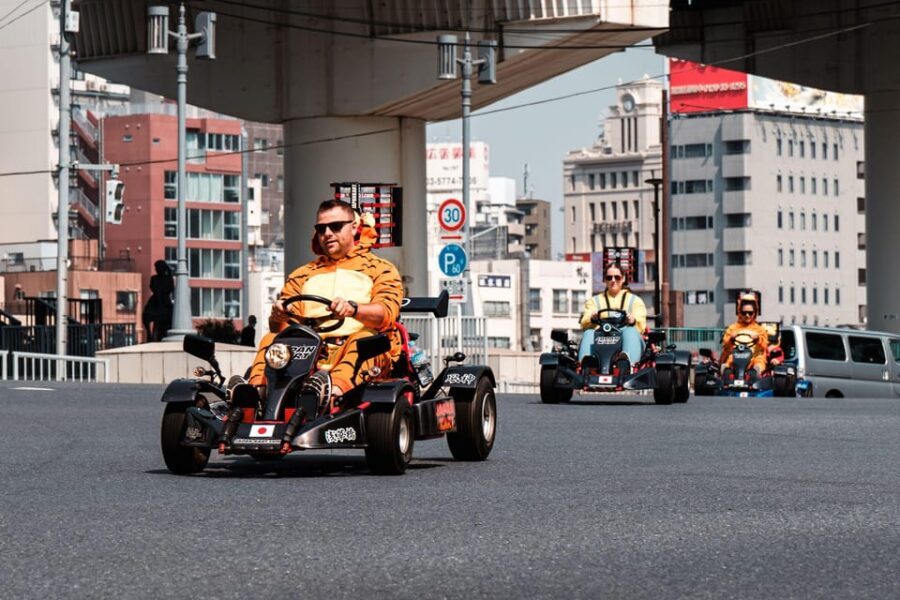
At $64 per person for a 90-minute tour, this isn’t the cheapest thing in Osaka—but it’s also not just a ticket and a rental. You’re paying for:
- A guide-led, safety-managed driving experience on public roads
- A customized kart setup designed for safety and comfort
- Gear like sunglasses and goggles, plus jackets when needed
- Costumes (new and clean)
- A guided photo process with an end-of-tour email
That mix matters. A lot of DIY go-kart attempts can turn into stress—wrong gear, unclear rules, or unsafe traffic behavior. Here, you’re getting a controlled format where the staff takes responsibility for safety and flow.
Safety First: Lead Car, Follow Car, and Real Rules
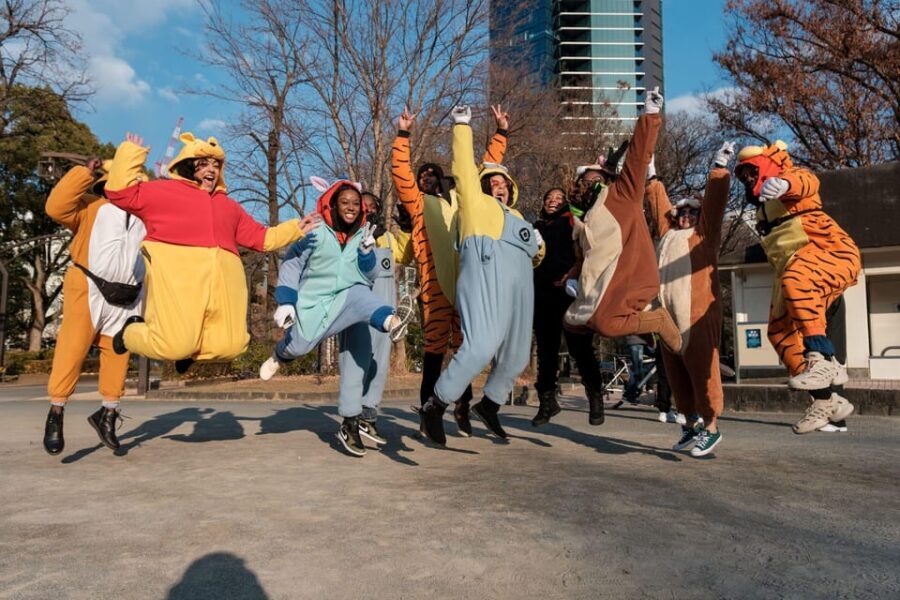
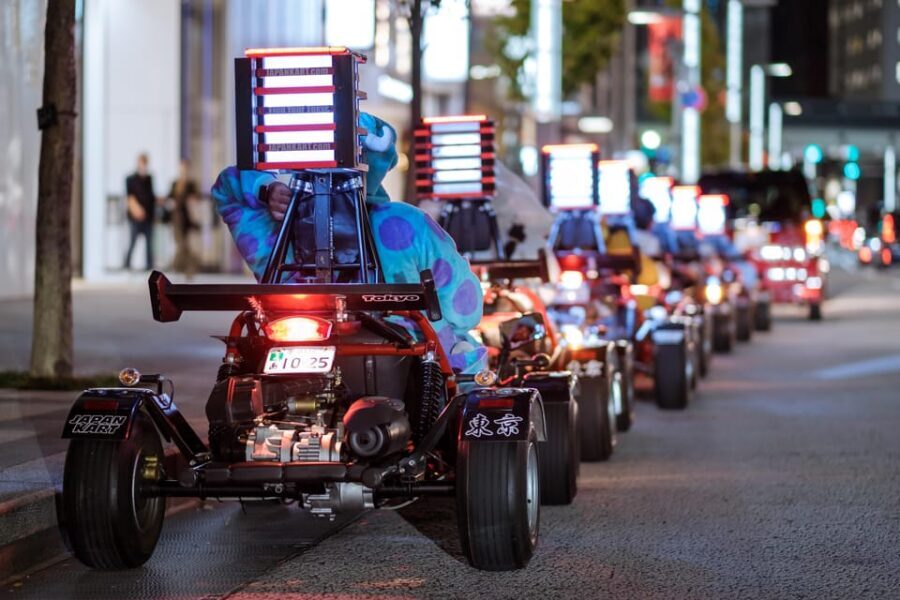
The biggest selling point is how seriously they handle driving. You’ll do a full safety briefing before you roll out, and then you’ll drive as a convoy:
- Lead car up front
- Secondary car behind you
That setup isn’t just about convenience—it changes how you experience the ride. With a lead car to follow, you don’t have to process complicated routes while you’re learning the kart’s feel. With the car behind, the team can keep spacing and reduce sudden lane changes.
And the staff clearly manages behavior. From the way the operation is described, they don’t tolerate unsafe or disruptive driving. Translation for your brain: you can be excited without being reckless, and you’re unlikely to end up stuck behind someone doing wild stuff.
The Costume Switch: New and Clean, and Surprisingly Fun
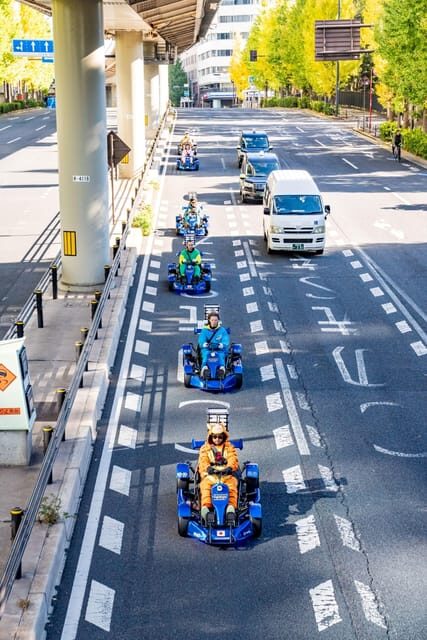
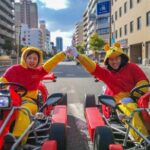
You’ll choose a costume before the tour. This isn’t a sad, dusty prop pile. The costumes are described as new and clean, and the vibe is playful.
One review had the perfect example: Pokémon-themed full-body outfits in extremely hot weather. Whether you go for something character-based or something simple, the costume does two things:
- It helps you loosen up fast (you’re doing something silly on purpose).
- It makes the group feel like an event, not a chore.
Practical note: after dressing up, you still need to handle the driving rules—so pick something comfortable to move in.
What the 90 Minutes Feels Like (And How to Plan Your Time)
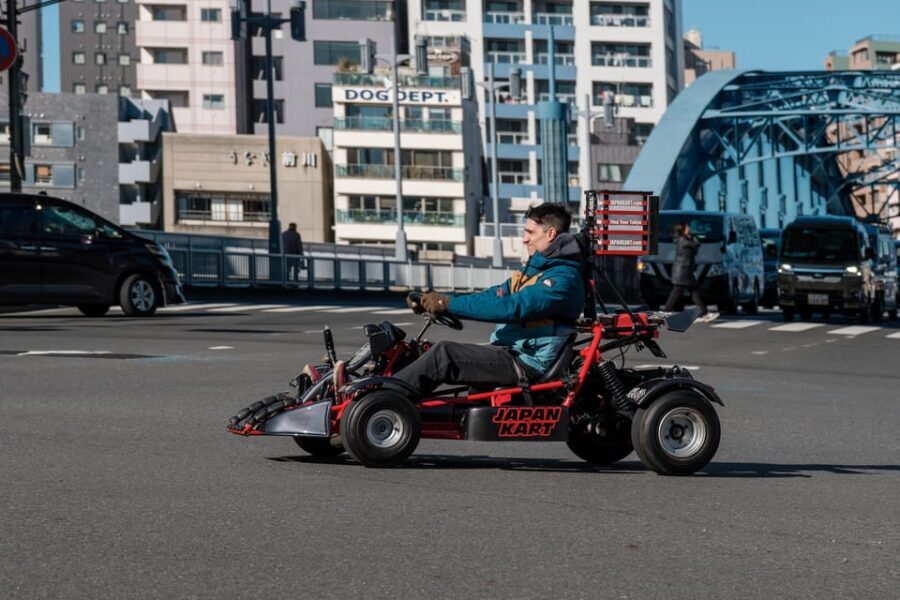
The tour is listed as 90 minutes, and you’ll likely spend additional time at the shop for check-in and dressing before you start driving. One past participant noted that the first stretch (check-in, security, and getting into costumes) took about 45 minutes, followed by the main driving time.
So here’s how to plan in real life: treat this as a half-day-ish activity in your schedule, even if the “on-road” portion is 90 minutes. Arriving relaxed makes the whole thing better, especially if you’re trying to coordinate costume choices and photos.

Stops You’ll Hit: Osaka’s Famous Districts from the Kart Window
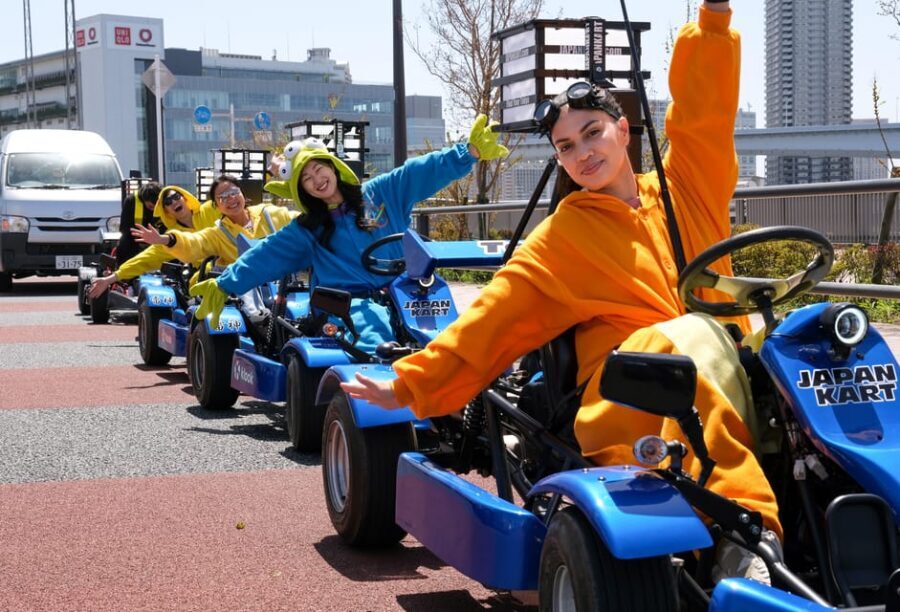
This is a guided loop designed to cover a lot of recognizable Osaka spots in one go. You’ll ride through areas including:
Tsutenkaku, Shinsekai, Abeno Harukas, Osaka Castle, Midosuji, America-mura, and Namba Station.
A key expectation: you’re not getting a long walkthrough at each place. You’re experiencing Osaka at kart speed—seeing landmarks, passing through iconic neighborhoods, and getting a few planned photo stops.
Here’s what each area means for your trip:
Tsutenkaku and Shinsekai: Street Energy Without the Walking
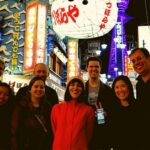
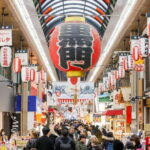
Tsutenkaku and Shinsekai are the kind of places that feel instantly Osaka. Even when you’re just passing through, the street atmosphere is part of the experience. You’ll also get a stop for photos with Tsutenkaku in the background, which is a nice way to turn a quick drive moment into something you can keep.
If you love street-level Japan (neon signs, crowded-feeling streets, everyday nightlife), this part is a big payoff because you’re not just looking—you’re moving through it.
Abeno Harukas and the High-Rise Contrast
Abeno Harukas brings a different vibe. You get contrast: Osaka’s classic street scenes alongside big modern scale. From a driving tour, the “value” here is speed and perspective—you see how the city mixes vertical and street-level life.
A potential drawback: if you’re hoping for a long look or an indoor visit, the kart format won’t give you that. This is for views from the road.
Midosuji: The Grand Boulevard Feeling
Midosuji is known as one of Osaka’s main showcase avenues. Driving there gives you a sense of the city’s rhythm—wider streets, clear movement patterns, and a more structured feel than narrow back lanes.
For you, the practical takeaway is simple: this is where the convoy format shines. When the road is broader and traffic flow is clearer, you can focus on driving technique and enjoy the motion.
America-mura: Osaka’s Fashion and Youth Flavor
America-mura is a popular neighborhood for trendy street culture. Again, you won’t be shopping or spending an hour inside—this is mostly about cruising through the vibe.
If you’re the type who wants to feel the mood first, then come back later to explore on foot, this stop works nicely.
Namba Station Area: A Big Osaka Hub Moment
Namba Station is a powerful “you’re in the center of things” marker. Driving through gives you a sense of scale and connectivity—this is where many visitors naturally spend time, and seeing it from your kart window helps you understand where everything sits.
If you plan to explore after, you’ll likely recognize streets and crossings more easily.
Osaka Castle Break: The One Proper Landmark Pause
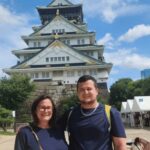
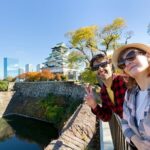
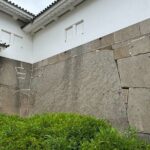
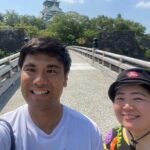
Osaka Castle gets a breather. You’ll stop and take in the architecture, then continue back toward the shop. This is the kind of stop that makes a drive tour feel worth it—you get one major “pause point” instead of purely moving snapshots.
This matters because it gives your brain something to hold onto: a landmark you can mentally anchor to the rest of your loop.
Photos You’ll Actually Want to Keep
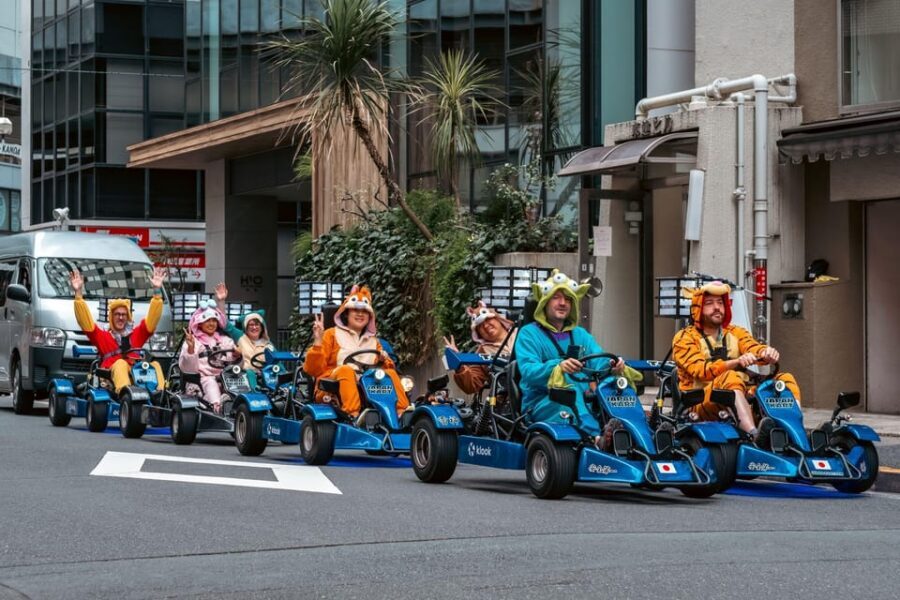
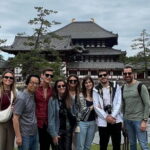
You’ll be given lots of fun photos of your drive. Plus, the team stops to take photos with Osaka Castle and Tsutenkaku in the background. These are sent via email at the end.
This is a big deal if you’re the type who struggles to get good action shots while driving. It also means you don’t have to stop the tour to play photographer for your group.
What to Wear (So You Don’t Get Turned Away)
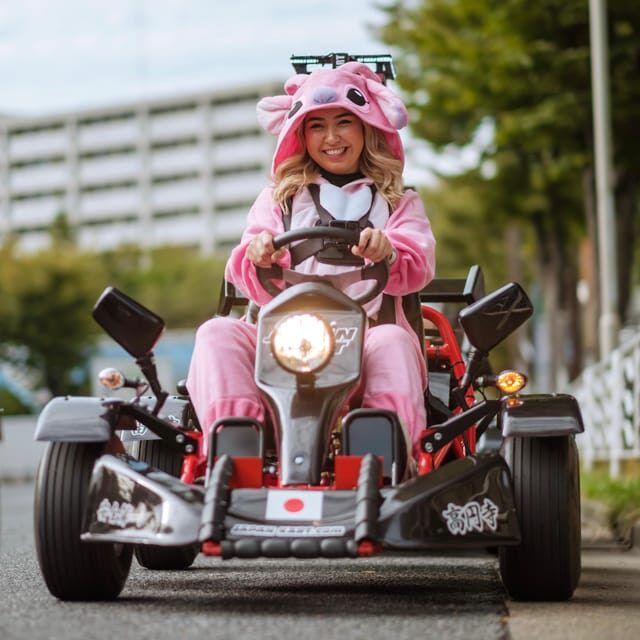
Go-karting rules are strict enough that it can ruin your day if you ignore them. You cannot wear:
- High-heeled shoes
- Sandals or flip flops
- Bare feet
Also, no alcohol and drugs, and alcoholic drinks aren’t allowed in the vehicle. The smart move is to wear closed-toe sneakers you can grip in. Comfort beats style here.
If you’re visiting during colder months or you catch rain, remember jackets are included. That helps, but you still want dry socks and footwear you trust.
The Japan Driving Paperwork Part That Can Make or Break Your Tour
This tour requires the correct driving documents. It’s not optional, and they’re clear about it.
You must have:
- Your driving license from your country of origin
- An International Driving Permit (IDP) issued under the Geneva Convention 1949 (issued from within your own country—do not buy from online companies)
- Your passport
Extra rules apply depending on your license country:
- If your driving license is from Switzerland, Germany, France, Taiwan, Belgium, Estonia, or Monaco, you also need an original driving license plus an official Japanese translation via the authorized organization (JAF is referenced for the translation process), along with your passport.
Important IDP details:
- International driving permits issued under the Vienna Convention 1968 are not accepted.
- You must have a hard copy of your IDP on the day.
- Your IDP should be in booklet form (not paper form).
If you forget any required document, participation can be denied, without reimbursement. So before you leave your hotel, do a quick checklist: passport, license, and the correct IDP in booklet form.
Who This Tour Best Fits
This is a great fit if you:
- Want a high-energy introduction to Osaka without hours of transit
- Like road-based sightseeing (views from movement) more than slow museum-style stops
- Enjoy costumes and group fun, not just standing around taking photos
- Are comfortable driving and following clear rules in a guided setting
It’s also a smart “first day” activity to help you learn the city shape. One review even called it an excellent orientation activity.
It may not be the best fit if you:
- Want a commentary-heavy tour about history and specific facts at each stop
- Don’t want to handle strict Japan driving paperwork
- Prefer a quiet, seated sightseeing pace
Minimum driving age is noted as 18+ (drivers under 18 aren’t suitable).
Should You Book This Osaka Go-Kart Tour?
Yes, if your goal is to have fun while also getting a safe, structured way to drive Osaka streets. The value isn’t only the kart—it’s the convoy system, the serious safety approach, and the fact that you cover major districts like Tsutenkaku/Shinsekai, Osaka Castle, Midosuji, America-mura, and Namba Station in one smooth loop.
Before you book, do two things:
- Confirm your documents meet the exact Geneva IDP requirements (and booklet form).
- Pack proper closed-toe shoes and dress for real driving, not just photos.
If you want a guided history lecture, plan a different kind of tour on another day. But for turning Osaka into a fun, memorable drive with standout photo moments, this one is an easy recommendation.
FAQ
What’s the duration of the Osaka go-kart tour?
The tour is 90 minutes. Plan to arrive early enough to handle check-in, security, and dressing before you start driving.
Do I get a guide who speaks English?
Yes, the tour includes a live guide in English.
What documents do I need to drive in Japan on this tour?
You need your passport, your home-country driving license, and an International Driving Permit (IDP) issued under the Geneva Convention 1949. The tour also notes extra translation requirements for certain license countries.
Are Vienna Convention IDPs accepted?
No. International Driving Permits issued under the Vienna Convention 1968 are not accepted in Japan for this activity.
What should I wear to participate?
Wear closed-toe shoes. High-heels, sandals/flip flops, and bare feet are not allowed.
Is there commentary about the sights during the drive?
No. The information provided indicates there is no commentary about city sights while you drive, though the team does stop for photos at places like Osaka Castle and Tsutenkaku.