REVIEW · OSAKA
Osaka: Izakaya Bars Guided Walking Tour
Book on GetYourGuide →Operated by Travel Japan Together · Bookable on GetYourGuide
Neon is fun, but the side streets teach you more. This Osaka izakaya walking tour mixes guided wandering with real nightlife stops, including Dotonbori, Namba, and Uranamba.
I especially like the small-group vibe (often just 5–10 people), and the way guides connect the dots between drink culture and everyday Osaka life.
One drawback to plan for: food and drinks aren’t included, so you’ll want cash and a budget for what you choose to eat and drink.
In This Review
- Key takeaways before you go
- A Local Guide Turns Osaka Nightlife Into Something You Can Actually Navigate
- Dotombori Humanity Song Monument: Your Meeting Point and First Sense of Place
- Dotonbori Streets: Temples, Alleys, and the Osaka You Don’t See From a Map
- Namba Stops: Beer, Cocktails, and the Sake-Tasting Moment
- Uranamba: Bars With Local Access (and Better Chances of Being Welcomed)
- The Final Stop: A Hidden Building, a Softer Landing, Then Optional Karaoke
- Price and Value: What $19 Really Buys You (and What It Doesn’t)
- Drinking Rules and Safety: Know the Boundaries Before You Order
- Who Should Book This Osaka Izakaya Tour
- Tips to Make Your Night Go Smoothly
- Should You Book This Osaka Izakaya Walking Tour?
- FAQ
- Is this tour only for people who drink alcohol?
- How long is the Osaka izakaya walking tour?
- Where do I meet the guide?
- Is the tour in English?
- Do I need cash?
- How big is the group?
- Can I accommodate dietary restrictions?
Key takeaways before you go
- Start at Dotombori Humanity Song Monument, right by the Glico sign area, so meeting up is straightforward.
- English-speaking guides like Taiga, Seina, Kosuke, and Karin make the night feel personal, not chaotic.
- You’ll get multiple drink moments (sake, beer, cocktails, and sometimes whiskey) plus food stops during the route.
- The Uranamba portion is built around local connections—bars you might not get into on your own.
- The night often ends with a quiet, hard-to-find final bar in a tucked-away building, with the option to keep going.
A Local Guide Turns Osaka Nightlife Into Something You Can Actually Navigate
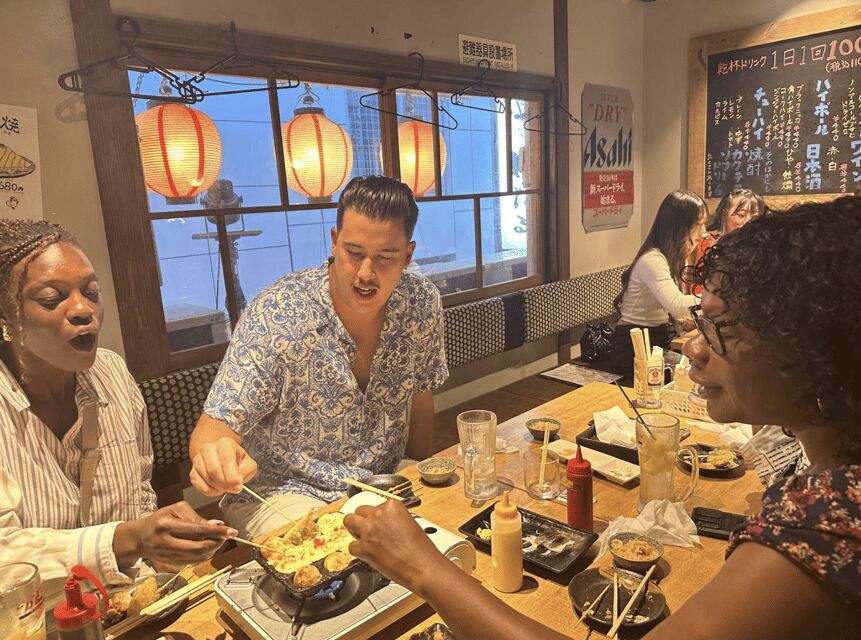
Osaka at night is easy to enjoy and hard to manage on your own. The streets around Dotonbori and Namba are full of signage, menus, and energy, but figuring out which izakaya feels right (and how to order) can be stressful when you’re new to the system.
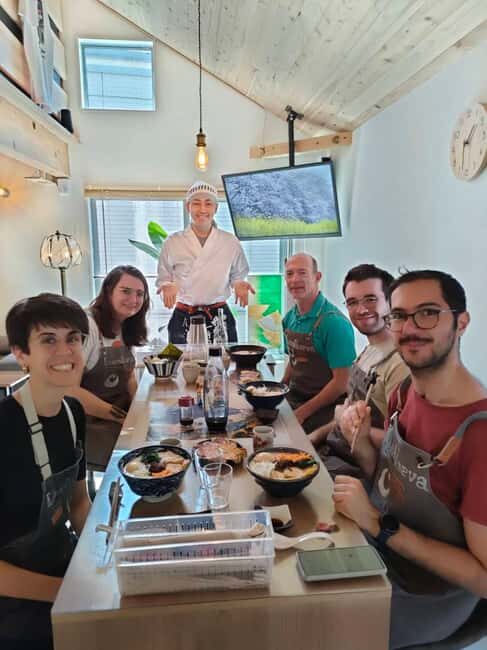
That’s where the guided format pays off. A live English guide keeps you moving, helps your group stay together, and adds cultural context to what you’re drinking—so it’s not just walking and photos. Plus, the tour’s small size means you’re more likely to talk with the people around you, not just follow along.
You can also read our reviews of more walking tours in Osaka

Dotombori Humanity Song Monument: Your Meeting Point and First Sense of Place
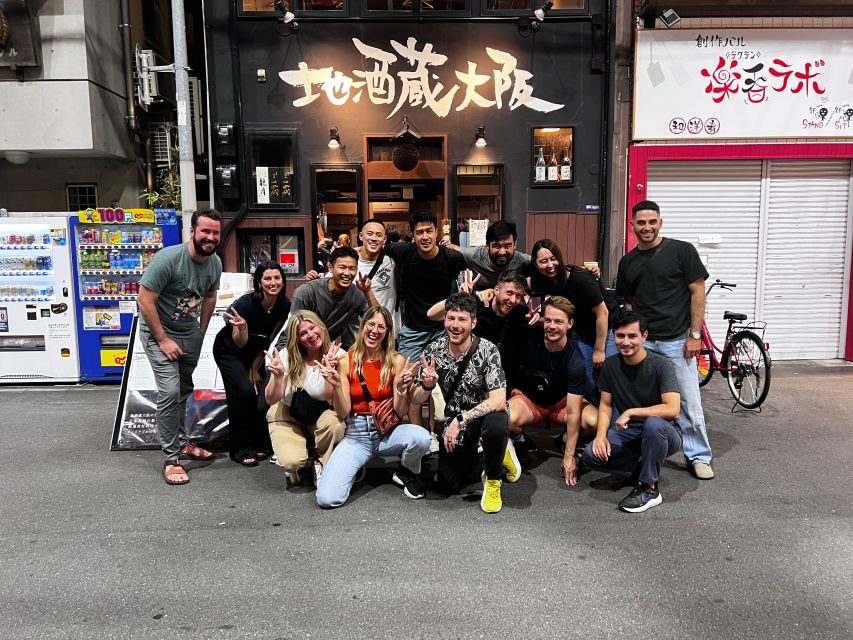
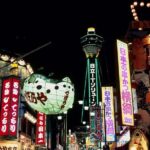
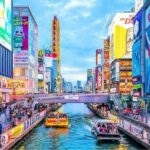
You’ll meet in front of the Glico sign at the Dotombori Humanity Song Monument. It’s a smart choice because it anchors you in the main Osaka “hub” area, so you’re not hunting for a random side street in the dark.
Right after the start, you do a short guided walk in the Dotonbori orbit. The goal here isn’t a long lecture—it’s quick orientation: the kind of landmarks, little alleys, and local sights that give you bearings fast.
Practical tip: wear comfortable shoes. This is a walking tour built for a night out, and Osaka’s sidewalks aren’t the place for stiff shoes or new blisters.
Dotonbori Streets: Temples, Alleys, and the Osaka You Don’t See From a Map
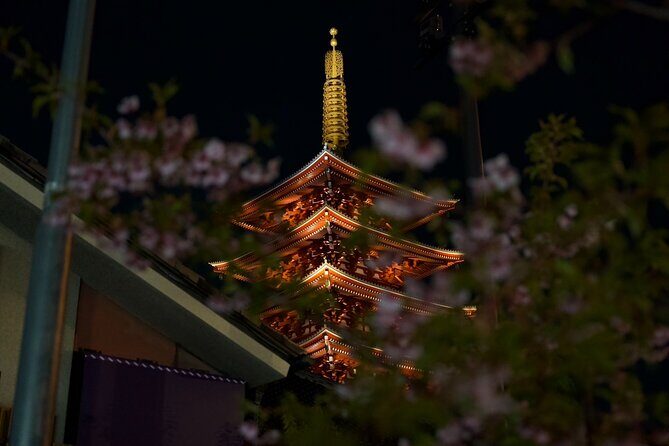
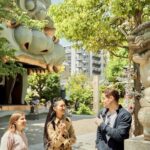
Dotonbori is often described by neon, but there’s another layer if someone points it out. Your guide takes you through the area with a short segment of sightseeing—about 15 minutes—highlighting spots you’d likely miss by sticking to the main drag.
In real terms, that brief chunk matters. When you understand the neighborhood flow, the later bar-hopping feels smoother, and you spend less time re-orienting between stops.
If you’re hoping for a purely nightlife-only route, you’ll still get your drinks and partying. This just adds the context that makes the night feel like Osaka, not an imitation.
Namba Stops: Beer, Cocktails, and the Sake-Tasting Moment
The longest part of the experience is in the Namba area, where you’ll spend about 2.5 hours hitting a sequence of food and drink stops. On paper, you’re looking at beer and cocktails plus sightseeing and food tasting, but the vibe is more “join the evening” than “check the boxes.”
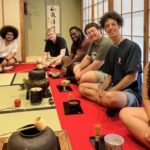
A big reason people love this section is the pairing of drinking with activities and explanations. Some guides (like Kosuke) explain the background of the sake you’re trying, which makes the flavors more meaningful instead of just sweet, strong, or fizzy.
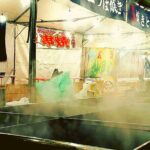
You may also get hands-on food experiences. Several participants mention making takoyaki during the tour, along with tasting bites that fit the izakaya style—order a few things, share, and keep it moving with the drinks.
One more detail: not everyone wants the same pace. Guides such as Seina are reported to adapt to your needs, and other guides have been praised for taking time with questions and making sure solo travelers feel included.
Uranamba: Bars With Local Access (and Better Chances of Being Welcomed)
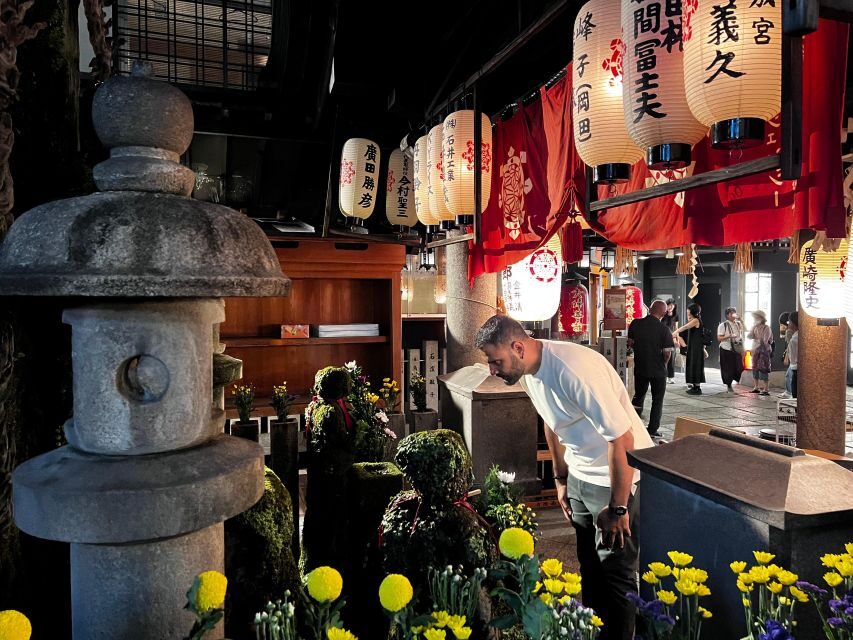
After Namba, you shift toward Uranamba, where the tour leans on local connections. The description is clear: you’ll be guided to bars that may not accept general customers, which is exactly the kind of advantage you can’t replicate with luck.
This is where the tour feels most “Osaka-native.” The bars tend to be smaller and more character-driven, and the guide’s role becomes bigger—helping you land in the right room, at the right moment, and with the right ordering rhythm.
From a practical standpoint, Uranamba also handles a common problem: navigating late-night city streets and crowded areas. Being in a group with a leader reduces the scatter that can happen when everyone’s trying to find the next place themselves.
If you’re the type who likes to ask questions, this area is often the best stage for it. Participants have credited guides like Hitomi and Daichi for making time for chat and recommendations so you don’t feel like you’re just tagging along.
You can also read our reviews of more guided tours in Osaka



The Final Stop: A Hidden Building, a Softer Landing, Then Optional Karaoke
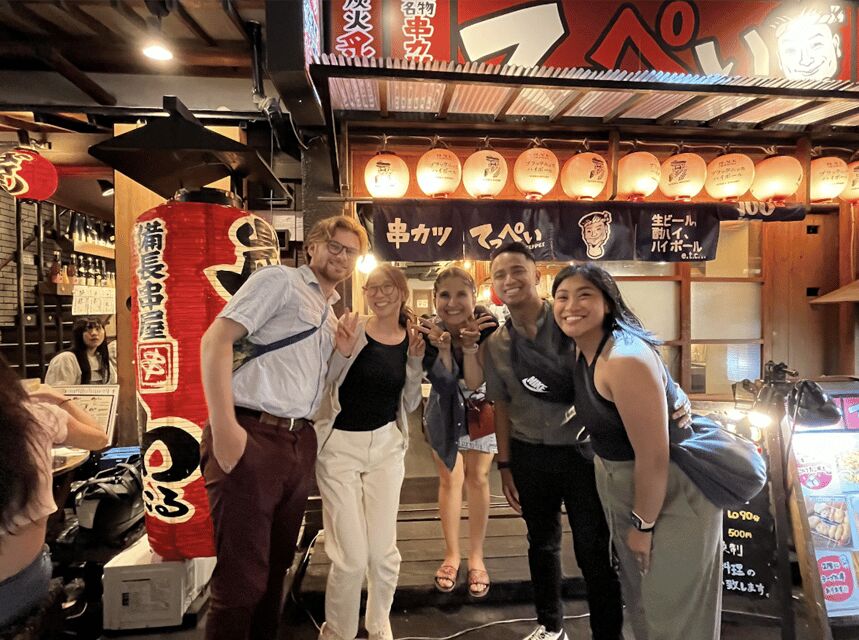
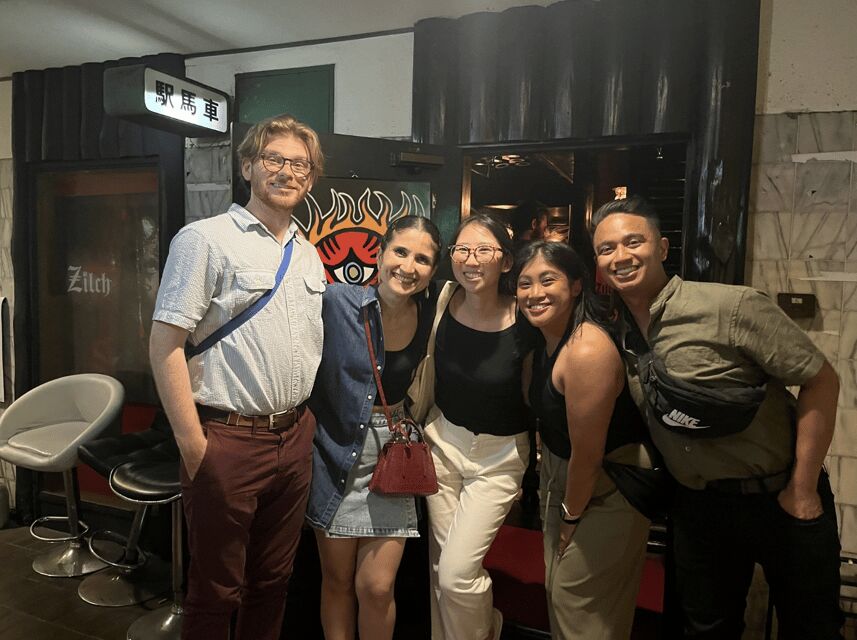
The tour ends at a hidden bar in a hidden building—the kind of place you normally wouldn’t stumble into as a tourist. The payoff is a quieter finale after the busier street segments, so the night doesn’t just burn out at the loudest spot.
Depending on the group and the guide, the ending can also include a social twist. People mention karaoke popping up at the end—sometimes with guides who can sing (Taiga is one example mentioned), and sometimes simply because the group mood stays high.
You’re also given the option to keep going. If you want to extend into the early hours, this format sets you up for it by reducing the guesswork about what to do after the tour route finishes.
Price and Value: What $19 Really Buys You (and What It Doesn’t)
At $19 per person for a 3-hour guided walking tour, the value is mostly about the human layer. You’re paying for navigation, timing, and access to places that may be difficult to reach on your own—especially in Uranamba.
What’s not included is equally important. The tour info is explicit that food and drinks are not included, so you’ll need cash and a budget. Several participants describe lots of tastings and food during stops, but you should still assume you’ll pay for what you order or for what’s offered at each venue.
There’s also a small accounting detail to know: the tour notes that they split amounts, and 99 yen or less will be rounded up for smoother accounting. It’s minor, but it’s the kind of thing that can prevent confusion when you’re trying to settle at the end of a stop.
My practical advice: decide your rough nightly ceiling before you go. Then you can enjoy the tastings without the afterthought math.
Drinking Rules and Safety: Know the Boundaries Before You Order
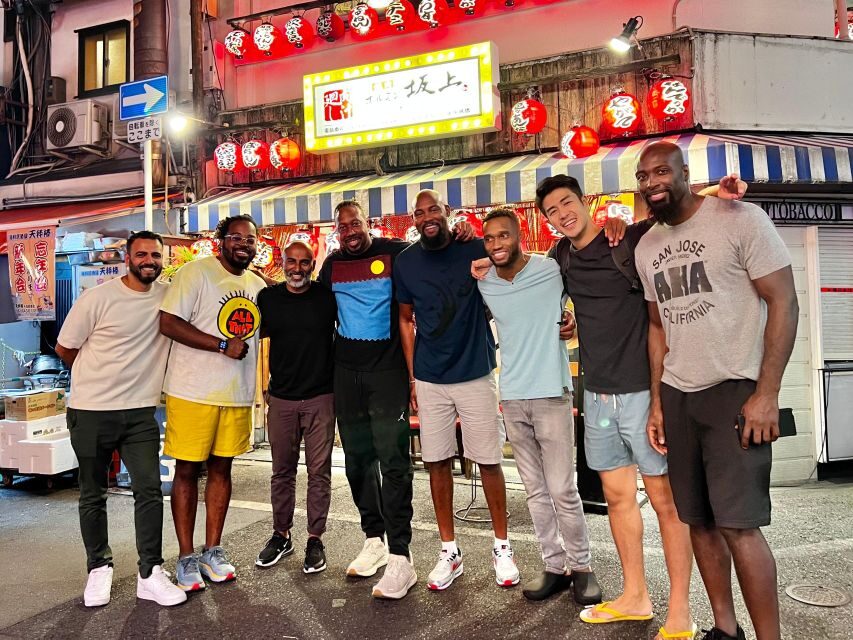
The tour is not suitable for anyone under 20 to consume alcoholic drinks. It’s a standard rule, but it matters for group comfort and for how the guide will handle ordering.
If you have dietary restrictions, you should let the organizer know in advance. That’s not just polite—it’s how you get matched with foods you can actually eat during izakaya-style stops.
And if you’re a stronger drinker than average, tell your guide. Some participants specifically mention guides taking good care when people want to drink more, which suggests the best results come from being honest about your pace and preferences.
Who Should Book This Osaka Izakaya Tour
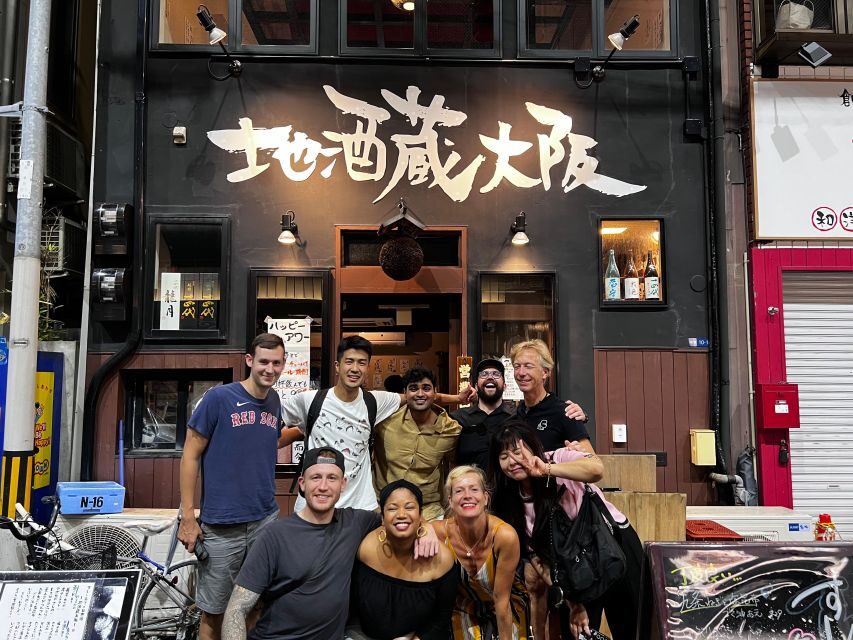
This tour makes the most sense if you want a guided night out, not a self-guided pub crawl.
It’s a great fit for:
- First-timers in Osaka who don’t want to get lost in nightlife areas
- Solo travelers who want the social layer of a small group (you’re more likely to meet people and keep talking after the first venue)
- People who like learning while they eat and drink, especially when guides explain things like the origins of sake
It may not be the best match if:
- You want a fully prepaid food-and-drink package with no cash handling
- You’d rather pick bars on your own and control every stop from your phone
- You’re traveling with someone who doesn’t drink at all, since the route is centered on alcohol-focused nightlife
Tips to Make Your Night Go Smoothly
Here are the small things that can change your experience from fine to great.
Bring cash and use your guide’s help. You’ll be paying along the way, and it’s easier when you’re ready with yen in hand.
Wear comfortable shoes. The experience is walking-focused, and you’ll feel better if your feet are supported.
Come with a light appetite. Some participants suggest not eating beforehand because the tour includes food tasting moments, and it helps you enjoy the first stop more.
Ask questions early. People praised guides for being attentive and willing to answer lots of topics about Japan, food, drink culture, and life in Osaka. If you want insider tips for after the tour, asking toward the middle usually works best.
One extra “above and beyond” point: a participant mentioned help with a lost backpack situation. That doesn’t mean you should plan to misplace anything, but it does show that guides often treat the group responsibly when real-life problems pop up.
Should You Book This Osaka Izakaya Walking Tour?
I think you should book it if your goal is simple: spend a few hours in Osaka nightlife with a local guide who knows where to take you. The combination of Dotonbori orientation, Namba tastings, Uranamba access, and a hidden final bar gives you a full arc for the night instead of a random collection of stops.
Skip it if you hate walking, don’t want to handle cash for drinks, or you’re looking for a rigid schedule where every yen is prepaid. In those cases, you may prefer a self-guided route and choose your own venues.
If you’re flexible, friendly, and willing to try what’s offered, this is one of the better ways to understand why izakaya culture feels so social in Osaka.
FAQ
Is this tour only for people who drink alcohol?
The tour is designed around izakaya-style nightlife and alcohol tastings. The tour info notes that minors under 20 should not consume alcoholic drinks.
How long is the Osaka izakaya walking tour?
It lasts about 3 hours.
Where do I meet the guide?
Meet in front of the Glico sign at the Dotombori Humanity Song Monument.
Is the tour in English?
Yes, the guide is listed as an English live tour guide.
Do I need cash?
Yes. The info specifically says to bring cash, and it also notes that food and drinks are not included.
How big is the group?
It’s typically a small group, normally around 5–10 guests.
Can I accommodate dietary restrictions?
You should let the organizer know in advance if you have dietary restrictions.