REVIEW · OSAKA
Honor – Experience Samurai & traditional Culture to the fullest
Book on Viator →Operated by SAMURAI HONOR · Bookable on Viator
Wearing armor at Osaka Castle feels like stepping back. I love the chance to walk the castle grounds in armor, and I also love the hands-on calligraphy lesson guided by Sakuma San. The only real catch: this is a physical, rule-based experience, and it’s not recommended if you have back or heart issues or trouble wearing tight clothing and moving carefully.
This is the kind of tour where the staff slow things down so you can actually learn. You’ll get a private flow through armor, tea, and sword training, plus a professional photographer and photo files sent to your email, with an optional video upgrade. A translation guide named Camila San helped make the day feel smooth and understandable.
In This Review
- Key points you’ll notice right away
- Suiting Up Near Osaka Castle: Your First Taste of Bushido
- Replica Armor and Hakama: The Real Test is Comfort and Timing
- Calligraphy With Sakuma San: More Than a Souvenir
- Tea Ceremony Etiquette: Matcha, Wagashi, and Calm Control
- Iaido Sword Lesson and the Cutting Trial: What You’re Actually Doing
- Armor Battles and Photo Moments on Osaka Castle Grounds
- Photos you can use back home
- Price and Value: Is This Worth $181.19?
- Practical Tips So You Don’t Lose Time (or Comfort)
- Who This Tour Fits Best
- Should You Book SamuraiHonor’s Samurai Armor and Culture Experience?
- FAQ
- FAQ
- How long is the experience?
- Is this a private experience?
- What language is available?
- What’s included for photos?
- Do I get to walk around Osaka Castle in armor?
- Can I take photos with my smartphone?
- Is it suitable for back problems, heart conditions, or strollers?
Key points you’ll notice right away
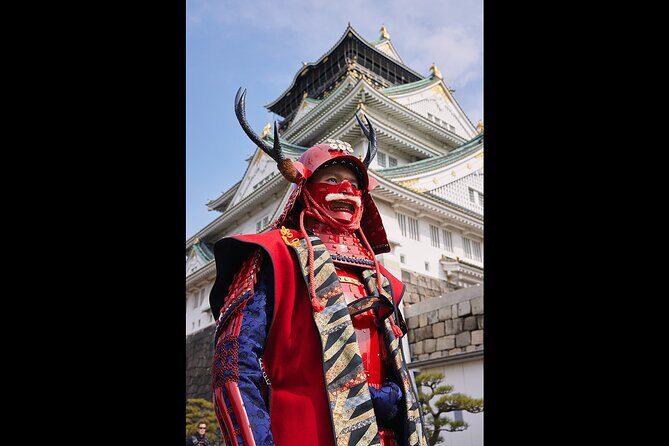
- Osaka Castle in armor, not just a quick pose: you’ll suit up and walk around the grounds for photos.
- Calligraphy that sticks with you: practice with a brush, including a lesson around the theme of resignation.
- Tea ceremony as etiquette training: powdered matcha and wagashi, with focus on manners and gesture.
- Iaido-style sword trial experience: instruction first, then a controlled cutting attempt with safety rules in place.
- Photo set + digital delivery: professional prints and files are included, with video available as an add-on.
- Role-play moments tied to Osaka history: you’ll act out parts of the Battle of Osaka in a samurai setting.
Suiting Up Near Osaka Castle: Your First Taste of Bushido
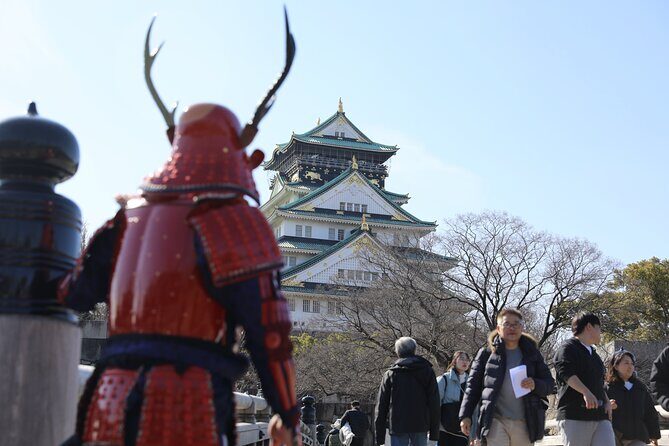
The day starts with a simple but important idea: Bushido begins with how you prepare your body and mind. You’ll meet near public transportation in Osaka, then get sorted into your outfit with assistants. Please plan to arrive ready and rested, because there’s a lot of dressing, moving, and careful practice in a short window.
Before you put on anything, do what they ask: use the restroom first. It sounds basic, but in armor and hakama, stopping later is not fun, and the schedule is tight.
You can also read our reviews of more tours and experiences in Osaka.


Replica Armor and Hakama: The Real Test is Comfort and Timing
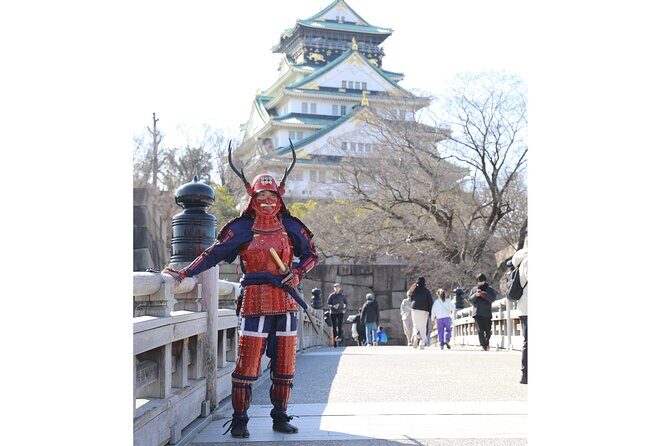
This isn’t one of those “put on a costume for ten minutes” setups. The armor is a well-made replica, and you’ll wear it while learning and taking photos around the castle area. Assistants help you put on the hakama and armor, and you can’t do it yourself—so build in patience and follow directions closely.
Two practical points matter here. First, armor sizing is based on height and weight limits (generally up to about 185 cm and 100 kg), so you might not get your preferred piece. Second, you need to be on time: if you’re more than 30 minutes late, entry can be refused even if you contact them.
Also expect sweat. This day is warm-climate-real, and you’ll be moving with layers on. Wear what helps you stay comfortable and allow your body to handle heat.
Calligraphy With Sakuma San: More Than a Souvenir
If you’re curious about Japanese culture, this calligraphy stop is one of the best uses of your time. The lesson starts with preparation: how to hold the brush and how to use the tools properly. Then you practice, and you get a piece you can take home—something you can actually keep and remember.
The theme in the lesson is around words of resignation, framed through the idea of letting go as a warrior faces death. In plain terms: it’s a spiritual and emotional exercise disguised as handwriting practice. Reviews from people who did this part highlight that they appreciated the patience and the chance to write something meaningful instead of just tracing symbols.
In some sessions, people end up writing their own character or name-based kanji. Either way, the real value is the guided technique and the calm focus while you do it.
Tea Ceremony Etiquette: Matcha, Wagashi, and Calm Control
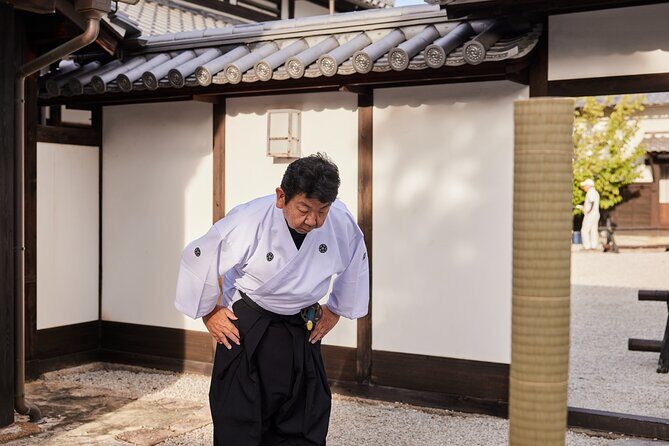
Next comes the tea ceremony, led by a master who prepares and serves powdered green tea. You’ll also get traditional sweets (wagashi), and the lesson isn’t just about drinking—it’s about etiquette, manners, and the spirit of hospitality.
The tea ceremony timing fits well in this kind of day because it resets your pace. After armor prep and calligraphy practice, you get a quieter rhythm. If you’ve only seen tea ceremonies as a performance, you’ll likely appreciate how the guidance makes it feel understandable and doable.
And if language is a worry, you should feel better here. A translation guide like Camila San helped people follow the steps clearly, including what you’re meant to notice during the ceremony.
Iaido Sword Lesson and the Cutting Trial: What You’re Actually Doing
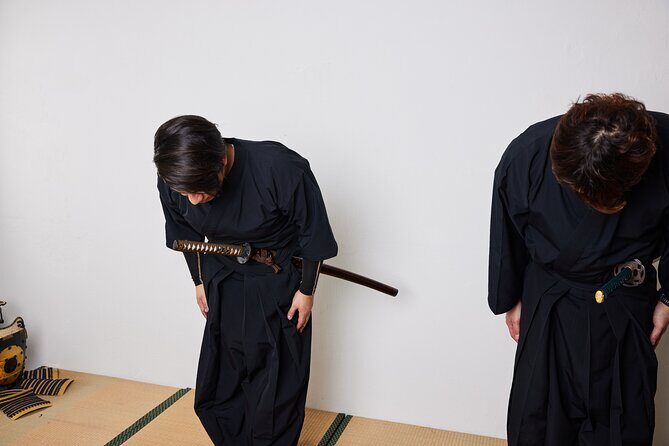
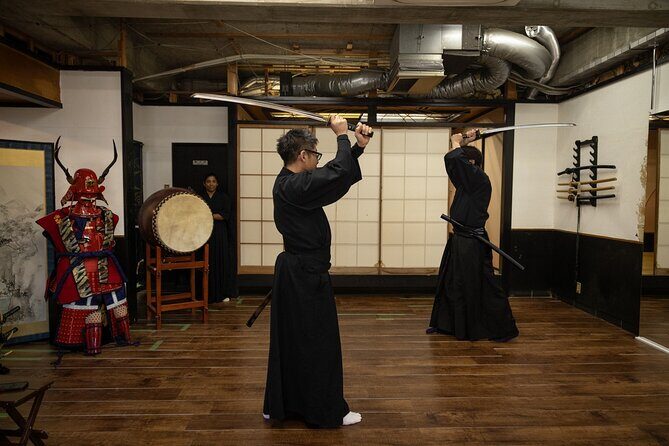
The sword portion is the big-ticket action segment, but it’s also the one with the most safety care. An instructor with 10 years of swordsmanship experience handles the Japanese sword and provides instruction before you do anything cutting-related. The idea is to teach the feeling and basics without turning this into a risky free-for-all.
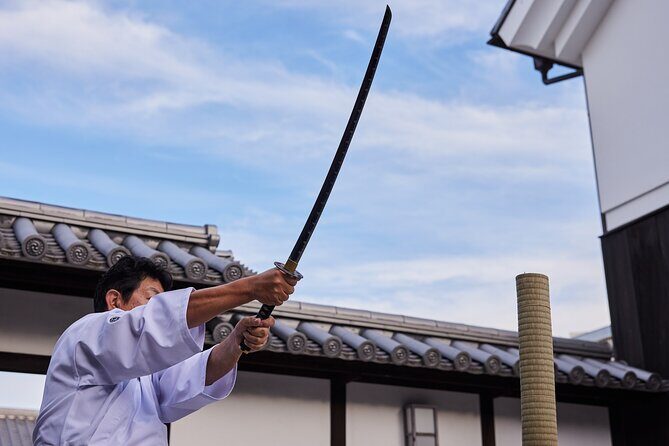
You’ll experience a sword trial cutting portion that takes about 30 minutes. You may work with a target cutting experience such as bamboo cutting, depending on how the session is set up. Either way, you should expect rules: for example, drawing swords is dangerous and is not allowed without permission.
What I like about this structure is that it gives you context and technique first, rather than tossing you in front of a blade and calling it education. You leave with a clearer sense of what swordsmanship training tries to control—timing, posture, and precision.



Armor Battles and Photo Moments on Osaka Castle Grounds
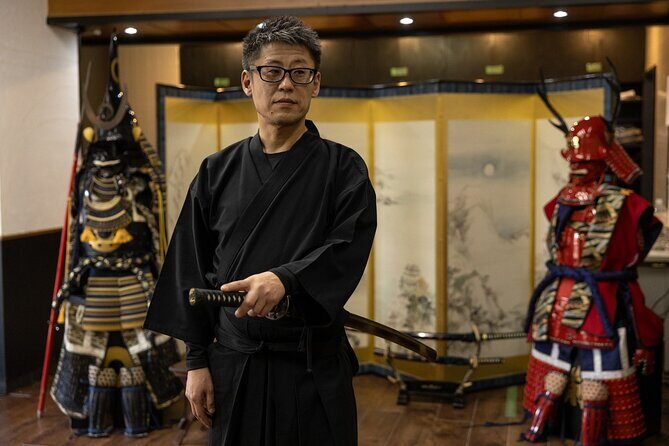
Now for the part that makes people grin the whole day: walking around Osaka Castle in armor while your guide explains the samurai mindset. There are two samurai-themed segments that feel like role-play, with photography built into the story.
One part places you in the Battle of Osaka setup: you wear armor and participate in a pretend battle as part of Toyotomi’s side. Another photo moment leans into April 1615 and the Osaka Summer Battle framing, where you’re photographed as if you’re a top soldier.
Unlike standard photoshoots, you’re not limited to a single pose area. You get to walk the grounds, which changes the photos from stiff costume shots into something more like a moving scene.
Photos you can use back home
Professional photo prints and digital files are included, and the digital files are sent to your designated email. There’s also an option for a video upgrade if you want extra footage.
Personal smartphone photos are allowed, but keep it respectful. No selfies, no photographing other guests, and avoid fixed tripods or video recording that could interrupt others.
Price and Value: Is This Worth $181.19?
At $181.19 per person, this isn’t a bargain. But it can still feel like good value if you care about the full package rather than only one activity.
Here’s what you’re paying for, in practical terms:
- A full samurai outfit experience (armor and hakama)
- Guided instruction across multiple traditional arts: calligraphy, tea ceremony, and sword trial
- A pro photo setup with prints plus digital files
- A private group format, so you’re not sharing attention with a huge crowd
If you’d normally pay separately for a craft workshop, a culture lesson, and a professional photo session, the bundle starts to make more sense. If you mainly want a quick photo and don’t care about the training parts, you might feel the price harder.
Practical Tips So You Don’t Lose Time (or Comfort)
A smooth day is mostly about following a few rules early. Here’s what I’d prioritize before you even arrive:
- Arrive on time so you don’t risk losing entry.
- Use the restroom before dressing, because that’s the easiest time to handle it.
- Plan for sweat; armor and hakama get warm while you move and practice.
- If you bring a smartphone, use it for your own respectful shots, and avoid tripods or anything that slows the class.
- Don’t try to draw swords unless a staff member gives you permission.
Also note a few “fits-and-limitations” realities. This experience isn’t stroller accessible. Pets aren’t suitable. And it’s not recommended for people with back problems or heart conditions.
Who This Tour Fits Best
This tour fits best if you want a culture-and-skill day, not just pictures. Couples often enjoy it because it’s memorable, structured, and photo-friendly. Families with older kids can also make it work, since the format is guided and hands-on.
I’d be cautious about booking if your body can’t handle tight clothing and careful movement for a short period. The experience has clear health cautions, and you’ll enjoy it more if you can follow those constraints comfortably.
Should You Book SamuraiHonor’s Samurai Armor and Culture Experience?
If you’re the type of traveler who likes doing things with your hands—writing, sipping, learning posture, and getting real instruction—this is a strong yes. The combination of Osaka Castle grounds + guided traditional arts + professional photos gives you a day that feels like a complete story, not a checklist.
I’d only hesitate if you need a low-physical-effort experience, or if your health conditions make armor and sword practice unsafe for you. In that case, you’d probably enjoy Osaka Castle more on your own with a lighter supplement like a museum visit or a local food plan.
FAQ
FAQ
How long is the experience?
It runs for about 3 hours.
Is this a private experience?
Yes. It’s private, and only your group participates.
What language is available?
The default language is English. Other languages may be available if you inquire, but staff availability for languages besides English is limited.
What’s included for photos?
You’ll receive professional photo prints and digital files sent to your email address. A video upgrade is available as a paid option.
Do I get to walk around Osaka Castle in armor?
Yes. This experience is designed to let you walk around Osaka Castle in armor, not just take photos from one spot.
Can I take photos with my smartphone?
Yes, smartphone photography is permitted, as long as you do not take selfies or photograph other guests. Avoid fixed tripods or disturbing video recording.
Is it suitable for back problems, heart conditions, or strollers?
It’s not recommended for people with back problems or heart conditions, and it’s not stroller accessible. Pets are also not suitable.