REVIEW · OSAKA
Well-balanced BENTO (lunch box) Cooking Class
Book on Viator →Operated by Sakura Cook · Bookable on Viator
Osaka lunches don’t get more hands-on than this. I love the way this class starts with dashi and then turns that base flavor into real home-style bento food. I also like the focus on packing—you’ll learn how to arrange your lunch so it looks good before you taste it. The only downside to consider is that this is a cooking-heavy block of time, so it’s less about roaming neighborhoods and more about getting your hands busy.
The class runs at Sakura Cook in a small group (max 8), so you’re not lost in a crowd. You’ll often hear clear, warm English from instructors such as Yumi and Fumi, and you’ll finish by eating what you made with chopsticks and complimentary miso soup.
In This Review
- Key things you’ll remember from this bento workshop
- Entering the Sakura Cook bento room with a plan
- Dashi and the seven bento dishes that make the meal feel real
- Onigiri practice: the triangular rice balls step you’ll actually use later
- Cooking your proteins and veggies with techniques that match the ingredient
- The bento packing lesson: making lunch look good on purpose
- Eating what you made: chopsticks, miso soup, and the moment it clicks
- Price and value: is $92.24 worth a 2.5-hour class?
- Logistics that matter: where to meet and how the session runs
- Who this bento class is best for
- Tips to get more out of your 2 hours and change
- Should you book this Well-Balanced Bento class?
- FAQ
- How long is the bento cooking class in Osaka?
- What will I learn to make?
- Do I need to be an experienced cook?
- What happens at the end of the class?
- How many people are in the group?
- Where do I meet the instructor?
- Is there a mobile ticket?
- Can children join the class?
- Can you accommodate dietary requirements?
- What is the cancellation policy?
Key things you’ll remember from this bento workshop
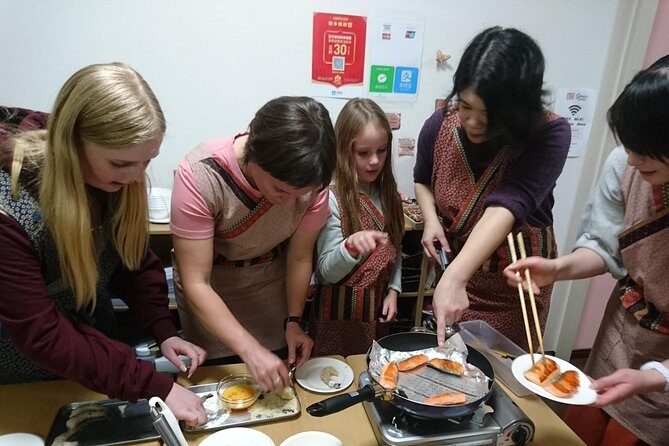
- Dashi first, then everything else: build flavor the way Japanese homes do.
- Up to seven classic bento dishes: not just one snack, but a full lunch system.
- Triangular onigiri using plastic molds: fast, guided shaping with satisfying results.
- Hands-on cooking techniques: frying, grilling, simmering, and marinating.
- Bento packing as a skill: you’ll get advice on layout with fresh vegetables.
- Small-group attention: the pace stays teachable within a 2.5-hour window.
Entering the Sakura Cook bento room with a plan
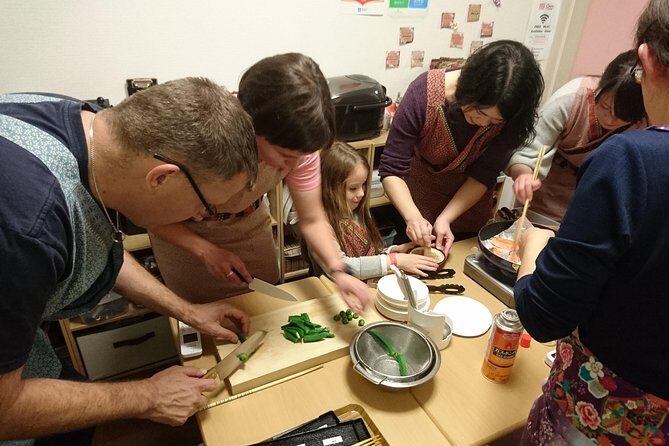
This class is built around one simple idea: a good bento is more than lunch. It’s a set of flavors and textures, packed with care, so it’s balanced cold or warm and nice to eat.
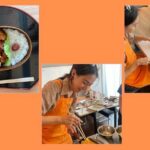
When you arrive, you’ll choose your favorite lunch box and get an apron on. That sounds small, but it sets the tone. You’re not watching someone cook—you’re building your lunch from scratch, piece by piece.
The setting is Sakura Cook, and the group stays small, up to 8 people. That matters because you’re learning techniques on a timeline: cook, shape, pack, then eat.
You can also read our reviews of more cooking classes in Osaka
Dashi and the seven bento dishes that make the meal feel real
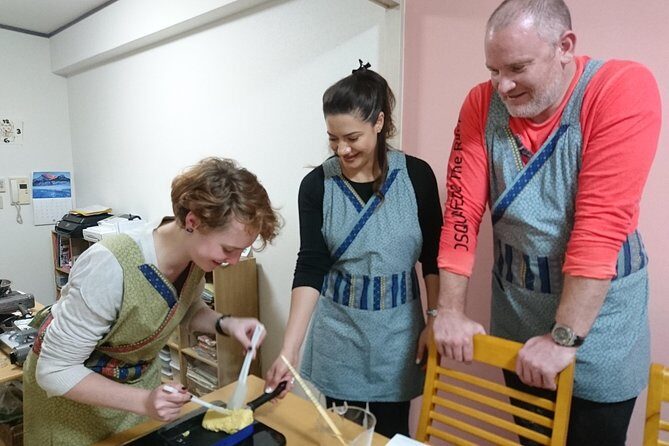
The cooking begins with dashi, a traditional Japanese broth used as a flavor foundation in many dishes. This is where the class earns its keep. If you understand why dashi tastes the way it does, you start seeing bento as an organized system, not random side dishes.
After the broth, you’ll make a set of classic items that often show up in Japanese homes. The ingredients and components include Wagyu beef, shrimp, salmon, egg, squash, mushrooms, and green vegetables. You’ll also learn how to treat these ingredients differently, since bento isn’t one cooking method—it’s a mix.
You’ll practice several core techniques during the session:
- frying
- grilling
- simmering
- marinating
That lineup is practical. Even if you never memorize every step, you’ll take away a feel for how Japanese home cooking moves from flavor base to final texture.
Onigiri practice: the triangular rice balls step you’ll actually use later
Next comes the fun, hands-on part: triangular rice balls (onigiri). You’ll practice shaping with plastic molds, then complete two rice balls yourself. Using molds is smart for a first try. You still get the hands-on satisfaction, but you’re not fighting sticky rice for the whole class.
I like that the class doesn’t stop at cooking. It pushes you to handle presentation and portioning, because bento needs uniform shapes and bite-sized portions to stay neat.
When you finish, you’ll understand how rice can be more than filler. In a bento, onigiri acts like the lunch anchor—carb structure, portability, and a satisfying texture contrast against cooked sides.
Cooking your proteins and veggies with techniques that match the ingredient
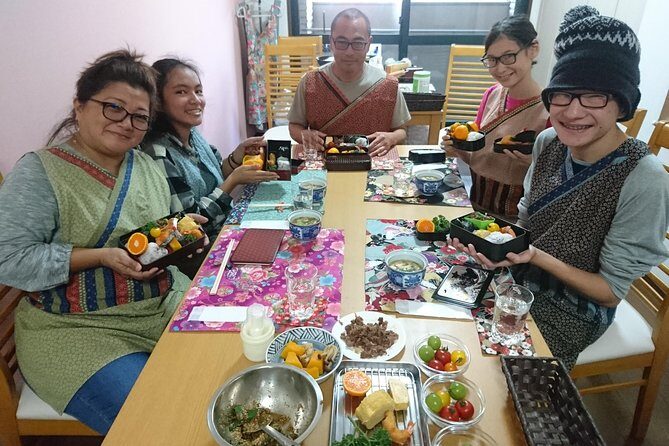
A lot of cooking classes give you a checklist. This one teaches you why the checklist changes depending on the ingredient.
You’ll work with multiple proteins and vegetables, so you see how flavoring and heat control translate into different results. Wagyu beef and shrimp push you toward richer, more savory notes, while egg and mushrooms bring comfort-food texture. Squash and green vegetables add softer sweetness and freshness.
The techniques you’ll use—like grilling and simmering—help you avoid the common home-cook problem: everything tastes like it was cooked the same way. Here, each component gets its own treatment so the lunch ends up balanced rather than heavy.
If you’re the type who likes to cook at home after a trip, this part is especially valuable. You’ll leave knowing which technique to reach for when you want a bento-style plate again.
The bento packing lesson: making lunch look good on purpose
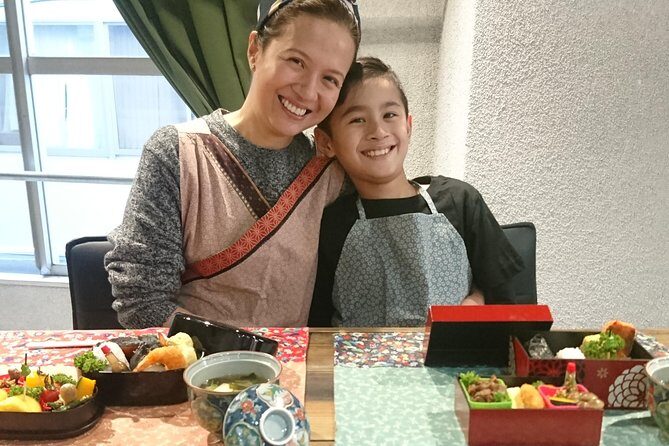
Once your dishes are done, the class shifts gears. Now you’re arranging, not cooking. You’ll pack your bento with fresh vegetables, and your instructor provides advice on making it attractive.
This is where I think the class surprises people in a good way. In Japan, packing a bento isn’t just for neatness. It’s for appetite. When the colors and shapes are placed thoughtfully, you eat with more enjoyment—even if the flavors are the same as what you’d make at home.
You’ll also add practical bento details like keeping portions tidy and distributing items so they don’t smear or crowd. You’ll get guidance on chopstick placement and the general layout logic, so the box feels complete rather than like leftovers thrown together.
The result is a lunch that looks like something you’d see in a shop, but made by you.
A few more Osaka tours and experiences worth a look





Eating what you made: chopsticks, miso soup, and the moment it clicks
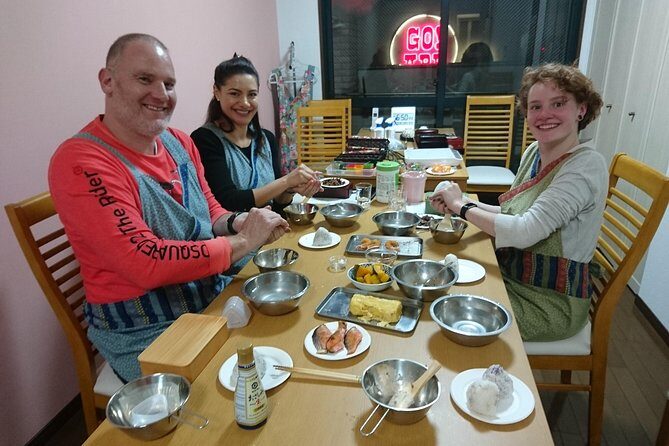
At the end, you’ll sit down with the dishes you made, plus chopsticks and complimentary miso soup. You’ll also be guided through a common start for eating, using the phrase Itadakimasu.
This matters because it’s not a quick snack break. It’s the closing step that turns cooking practice into a full experience. You can finally taste the balance you assembled and notice how the bento items work together.
The miso soup is a smart pairing. It brings warmth and comfort, which helps balance the lunch box’s variety. If you’re thinking, how does a cold lunch become satisfying?—this is your answer.
Price and value: is $92.24 worth a 2.5-hour class?
At $92.24 per person, this isn’t a budget throw-in. But it’s not random pricing either.
You’re paying for:
- hands-on instruction with a small group (max 8)
- cooking techniques you can reuse later
- multiple components that add up to a full bento meal
- dashi training, which is a real skill for Japanese cooking
- take-home confidence in bento packing, not just cooking
If your goal is simply to eat one thing, you might find cheaper options. But if you want a structured way to learn Japanese home-style flavor building and packing, the value starts to make sense fast.
Also, the class duration (about 2 hours 30 minutes) is long enough to actually produce several dishes, not just try two bites and leave.
Logistics that matter: where to meet and how the session runs
The meeting point is Banix北堀江 (Japan, 550-0014 Osaka, Nishi Ward, Kitahorie, 3-chōme62 システマギャラリー). The activity ends back at the meeting point, so you’re not juggling new transport at the finish.
You’ll get a mobile ticket, and you should receive confirmation within 48 hours of booking, depending on availability. The class also runs near public transportation, which is helpful in Osaka where plans can change quickly.
If you’re traveling with kids, children must be accompanied by an adult. The upside is that the class is designed to be doable; people have brought along 12-year-olds who could follow along.
Who this bento class is best for
This experience fits best if you like practical skills tied to a meal.
It’s ideal for:
- food lovers who want more than tasting
- travelers who want to cook again after the trip
- couples or small groups that don’t want a big-tour vibe
- families where the kids can handle hands-on tasks
It may be less ideal if your priority is sightseeing every minute. This is a kitchen-first plan, so you’re trading a bit of wandering for focused learning.
Tips to get more out of your 2 hours and change
Here’s how to make the most of the time you have.
Wear something comfortable and easy to move in, since you’ll be cooking and then packaging food. Keep your curiosity up about the flavor base—dashi isn’t just a step, it’s a shortcut to understanding Japanese savory taste.
When you’re shaping onigiri, don’t obsess over perfect triangles. The molds help, but the goal is to learn the method you can repeat later.
Finally, pay attention during the packing phase. The layout advice is the difference between a box that’s edible and a box that looks like it belongs in Japan.
Should you book this Well-Balanced Bento class?
I’d book it if you want a hands-on Osaka experience that leaves you with real cooking skills. The biggest wins for me are the dashi foundation, the full set of dishes you’ll make, and the bento packing coaching that turns your lunch into something you’d be proud to share.
I’d skip it if you’re not interested in cooking at all, or if you’d rather spend your time hopping between Osaka food streets. This class is a focused workshop, not a wandering food tour.
If you can do hands-on cooking for a couple of hours and you like the idea of learning bento as a craft, it’s an easy yes.
FAQ
How long is the bento cooking class in Osaka?
The class lasts about 2 hours 30 minutes.
What will I learn to make?
You’ll start with making traditional dashi and then prepare up to seven classic Japanese bento dishes plus triangular rice balls (onigiri). The ingredients include Wagyu beef, shrimp, salmon, egg, squash, mushrooms, and green vegetables.
Do I need to be an experienced cook?
No experience is required based on the way the class is described. You’ll be guided through techniques like frying, grilling, simmering, and marinating, and you’ll also practice shaping rice balls using plastic molds.
What happens at the end of the class?
After you finish cooking and packing your bento, you’ll eat what you made with chopsticks. You also get complimentary miso soup.
How many people are in the group?
The class has a maximum of 8 travelers, which helps keep the experience small and manageable.
Where do I meet the instructor?
You meet at Banix北堀江 (Osaka, Nishi Ward, Kitahorie, 3-chōme62 システマギャラリー). After the experience, you return to the same meeting point.
Is there a mobile ticket?
Yes, the experience uses a mobile ticket.
Can children join the class?
Children must be accompanied by an adult.
Can you accommodate dietary requirements?
You should advise any specific dietary requirements at the time of booking.
What is the cancellation policy?
You can cancel for free up to 24 hours in advance for a full refund. If you cancel less than 24 hours before the start time, the amount paid will not be refunded.