REVIEW · OSAKA
Osaka: Ramen and Gyoza Cooking Class in Dotonbori
Book on GetYourGuide →Operated by Cooking Sun · Bookable on GetYourGuide
Ramen gets personal when you make it yourself. This hands-on Osaka class has you knead wheat for ramen noodles and cut them with a noodle machine, then turn around and make original gyoza with minced chicken. I like that the guides explain each step in clear English and you get the recipes to take home, so the skills stick. One catch: the building can be a little tricky to find, so follow the room number directions.
You’ll meet at Cooking Sun Osaka (room 807) and learn in a small group, with big, workable space in the kitchen. Guides you may see in the class include Yoshi, Kasa, and instructors like Miki and June, and the vibe is friendly and practical, not stiff.
In This Review
- Key Things I’d Bookmark Before You Go
- A Hands-On Ramen and Gyoza Class in Osaka’s Dotonbori
- What You’ll Cook: Soy Sauce Ramen Plus Gyoza, Built From Scratch
- Inside the Kitchen: Step-by-Step Guidance You Can Follow
- Ramen Noodles: Kneading Wheat and Cutting Like a Pro
- The Soup Base: Chicken Bones and Dried Sardines (Dashi Flavor Logic)
- Soy Sauce Ramen Done Your Way: Toppings and Miso Options
- Gyoza From Scratch: Minced Chicken Filling and Dumpling Technique
- The Meal Part: Eating Your Own Ramen and Gyoza
- How Much It Costs and Why It’s Fair Value at $70
- Who This Class Is Best For (And Who Might Want a Different Plan)
- FAQ
- FAQ
- What dishes will I make in this Osaka class?
- Does the price include ingredients?
- Where do I meet the instructors?
- Is hotel pickup or drop-off included?
- How long is the cooking class?
- Is the class taught in English?
- Can the class accommodate vegan or vegetarian diets?
- Do I get recipes to take home?
- How big is the group?
- What about paying now and cancellation?
- Should You Book This Ramen and Gyoza Class in Osaka?
Key Things I’d Bookmark Before You Go
- Knead and shape ramen noodles yourself, starting from the wheat dough.
- Use a noodle machine to cut noodles evenly, not just chop and hope.
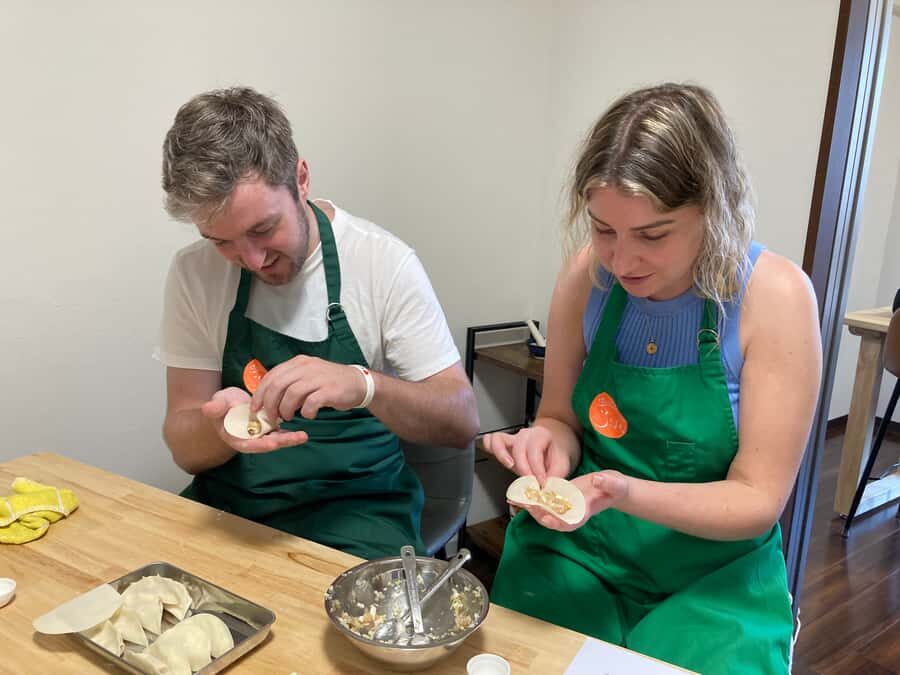
- Build gyoza from scratch with a minced chicken filling and hands-on dumpling work.
- Soy sauce ramen is the base, with miso as an easy variation option.
- Small group size means more help when your hands (inevitably) get stuck.
- You leave with recipes, so you can recreate your ramen and gyoza later.
A Hands-On Ramen and Gyoza Class in Osaka’s Dotonbori
Osaka is where ramen went from comfort food to a serious craft. This Cooking Sun Osaka class puts you right in the middle of that craft, in the Dotonbori area, using fresh ingredients and real technique. If you like food that tastes like effort, this is your kind of activity.
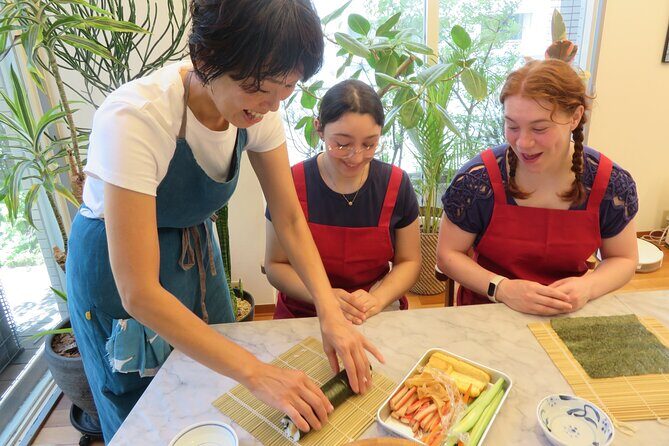
The format is also one reason it works. You’re not watching from the sidelines. You’re in a kitchen set up for making: kneading, cutting, mixing, folding. One review even called out that the kitchen space is big enough for everyone to work without elbow-to-elbow chaos.
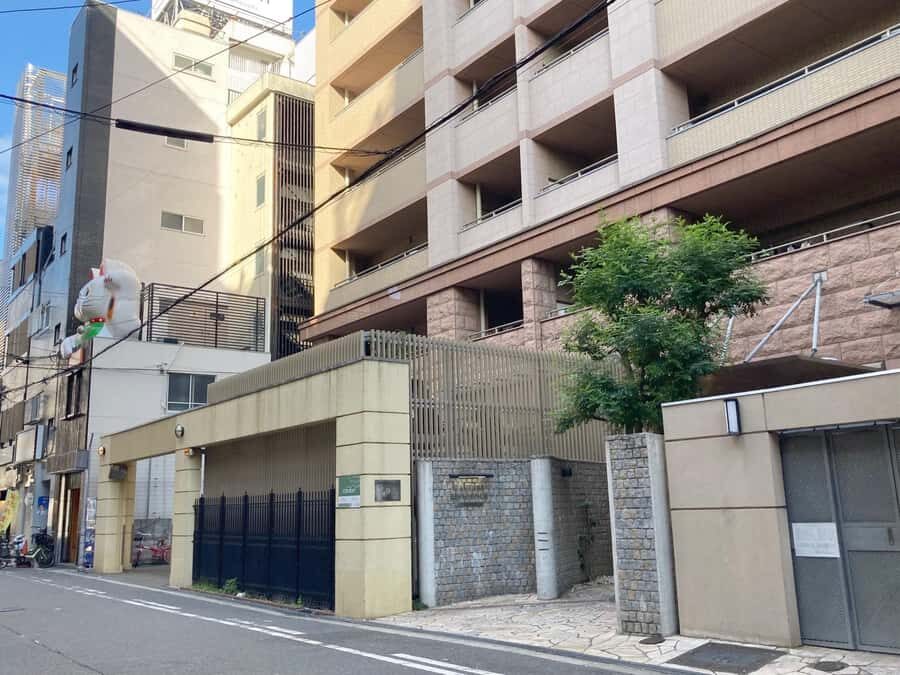
Logistics are simple. There’s no hotel pickup, and the experience ends back where you meet. You start at Cooking Sun Osaka, room 807—when you arrive, press 807 and the 呼出 call button at the entrance. That little detail matters because the building itself can be hard to spot quickly.
You can also read our reviews of more cooking classes in Osaka
What You’ll Cook: Soy Sauce Ramen Plus Gyoza, Built From Scratch
The headline dishes are ramen and gyoza, and both start from basics rather than shortcuts.
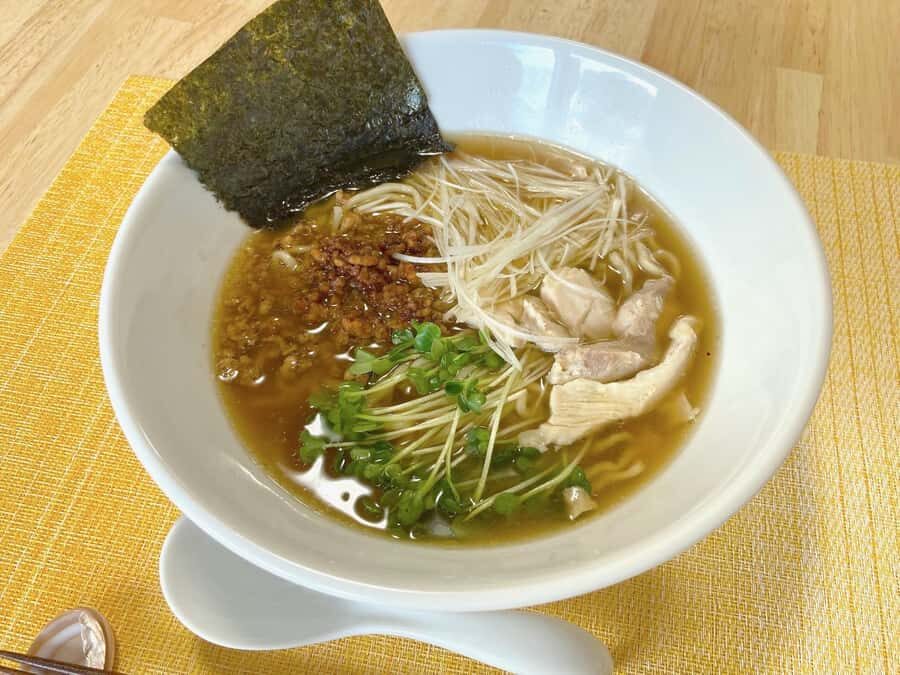
For the ramen, the class centers on a standard soy sauce ramen. You’ll work with a broth foundation made from chicken bones and dried sardines, then season and finish in a way that matches the ramen style. You also get room to make it yours: you can add different toppings, and if you prefer a miso ramen profile, miso is an option.
For the gyoza, the focus is on dumplings that feel classic and satisfy in that first crunchy bite. You’ll make dumpling dough work as well as the filling, using minced chicken. The class style is “make the parts, then put them together,” which is exactly how you learn rather than just following steps.
This is also a good class if you want Japanese food culture context alongside technique. Several guides cover ingredient choices and why certain components belong together, not just what to do with your hands.
Inside the Kitchen: Step-by-Step Guidance You Can Follow
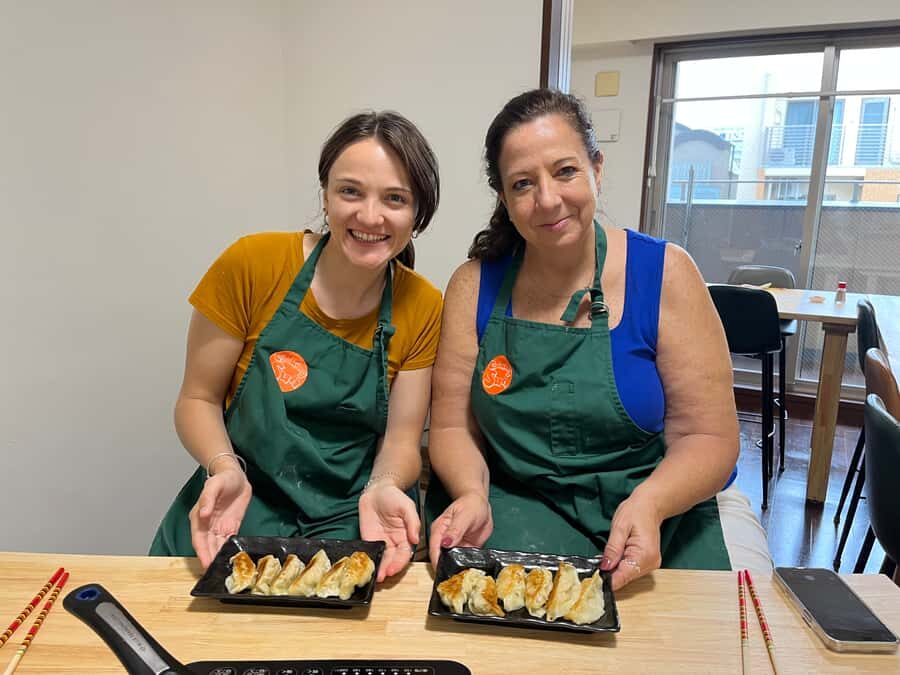
One of the biggest wins here is how the class is paced. People consistently mention the timing feels organized, with enough momentum that you’re not stuck waiting forever, but not so fast that you feel lost. If you fall behind, instructors step in and break things down again.
The teaching is in English, and multiple people note the explanations are clear and confidence-building. You’ll also notice that the guide style is not robotic. There’s room for casual questions, and at least one class participant mentioned jokes during the session. That matters because cooking classes can feel intimidating when you’re unsure about your own technique.
Group size is capped small—think up to around 8 people, and in at least one case described as only 7 in the class. That translates into more attention. It’s the difference between getting one quick answer and getting the kind of nudging that fixes the problem right now, before you ruin the dough.
If you care about clean workflow, you’ll likely appreciate how organized the kitchen is. People mention it’s clean and well set up, which makes the class feel calmer and less like a stress test.
Ramen Noodles: Kneading Wheat and Cutting Like a Pro
If you only ever eat ramen from a bowl, you might not realize how much texture depends on the dough. This class gives you that understanding up close.
You start by kneading wheat to make ramen noodles. Kneading isn’t just busywork—it’s where the dough develops the right feel for rolling and cutting. When you do it yourself, you start to recognize what “right” looks like and why the process matters later in cooking.
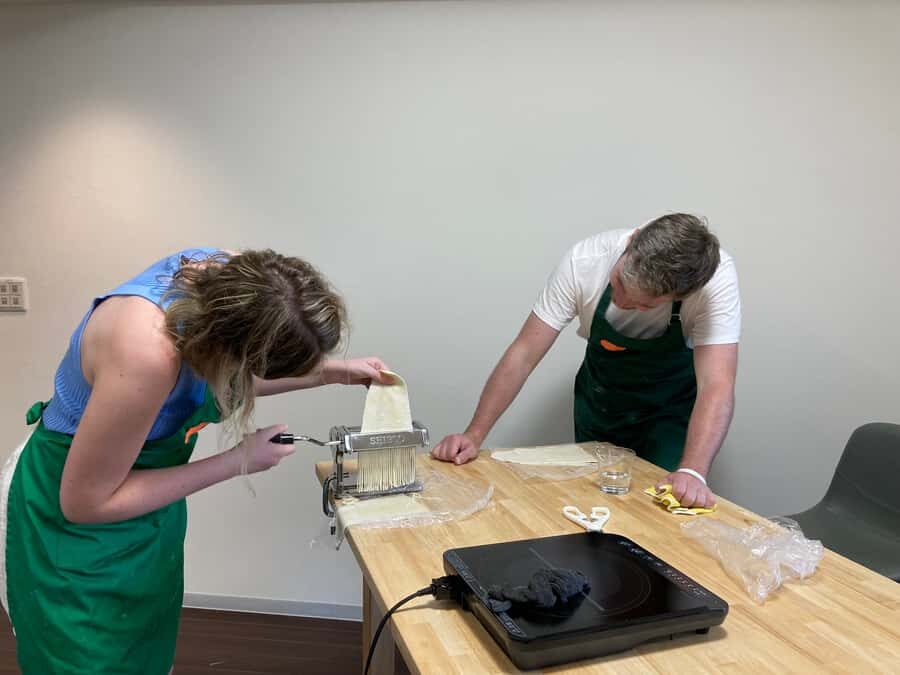
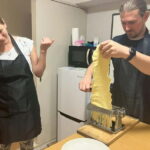
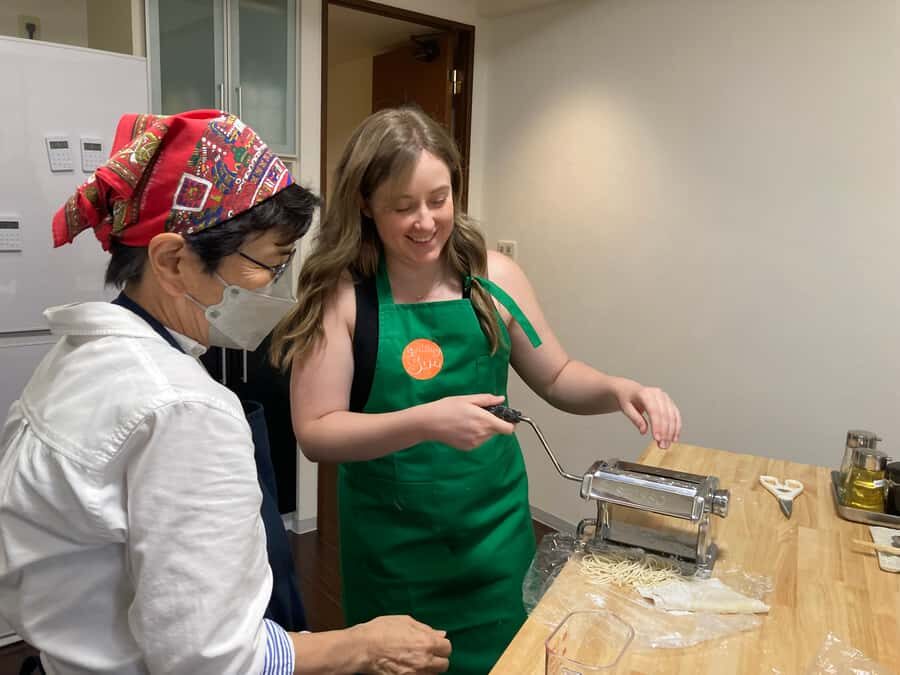
Next comes the noodle machine. This is a key highlight: cutting ramen noodles like a pro instead of trying to eyeball strips. Even if you’ve never used a noodle machine before, the guides help you run it and get consistent thickness. Consistency is what makes noodles cook evenly, and it’s the kind of skill that will help you when you try making ramen again at home.
You’ll also get the timing down. Ramen is a bunch of steps, and the class keeps them moving so you don’t end up with noodles drying out or soup waiting too long.
The Soup Base: Chicken Bones and Dried Sardines (Dashi Flavor Logic)
Ramen tastes like comfort, but it’s really built on a smart broth foundation. Here, you’re working with chicken bones and dried sardines. That pairing matters because it balances depth with a seafood-backed aroma.
This is one of those lessons where you can taste the logic, not just the result. When you understand the broth foundation, you start thinking differently about seasoning and finishing. People also mention that instructors share details about the ingredients, including variations like miso.
One useful point: fish broth can be an issue for some people. There’s at least one mention that the class can substitute for someone who doesn’t like the fish broth element. So if dietary preference around seafood is a concern, it’s worth telling the team early.
A few more Osaka tours and experiences worth a look


Soy Sauce Ramen Done Your Way: Toppings and Miso Options
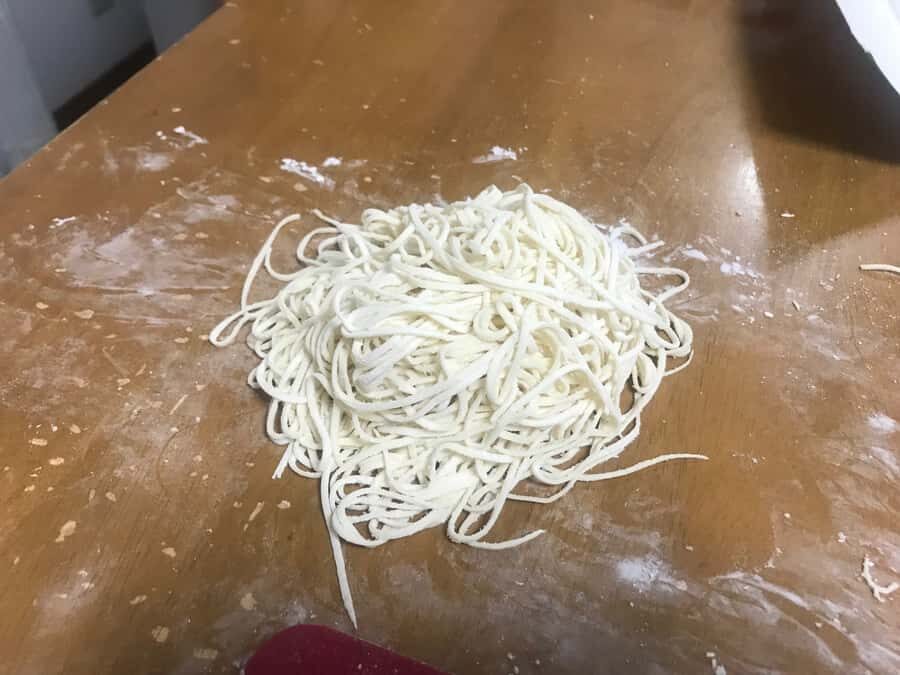
The ramen you make is built on soy sauce ramen. That gives it a straightforward anchor flavor—salty, savory, and clean enough that toppings can shine.
During the class, you can add toppings to make your bowl match your taste. That’s more than customizing for fun. Toppings teach you how ramen is designed to be assembled. Think of it like building balance: richness from the broth, bite or softness from toppings, and crunch or fragrance to finish.
You can also switch the soup direction with miso to make miso ramen. If you’re deciding between styles, this is a friendly way to learn both without getting lost in confusing recipe variations.
Gyoza From Scratch: Minced Chicken Filling and Dumpling Technique
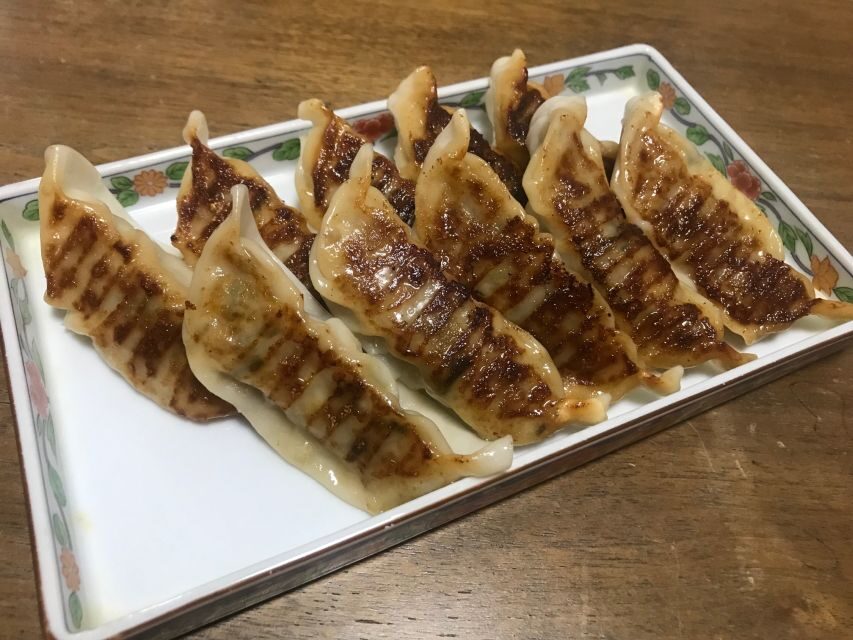
Ramen gets the spotlight, but gyoza is where you see technique rewarded fast. Dumplings are all about control: how much filling, how the dough closes, and how the shape holds together.
In this class, you make original dumplings using minced chicken. You’ll also handle the dough process, including a rest period. One account even describes gyoza being prepared while the noodle dough rested, which keeps the workflow efficient.
What makes this experience special is that you’re not just stuffing and sealing. You’re learning how dumplings are built to cook well—firm enough to hold shape, with filling distributed so every bite has that satisfying center.
And if you’re vegetarian or vegan, there’s good news. One of the most standout details from the class info is that the instructors adapted the recipe for a vegan plant-based option when that request was made on arrival. That suggests the team can work with dietary needs, at least when informed promptly.
The Meal Part: Eating Your Own Ramen and Gyoza
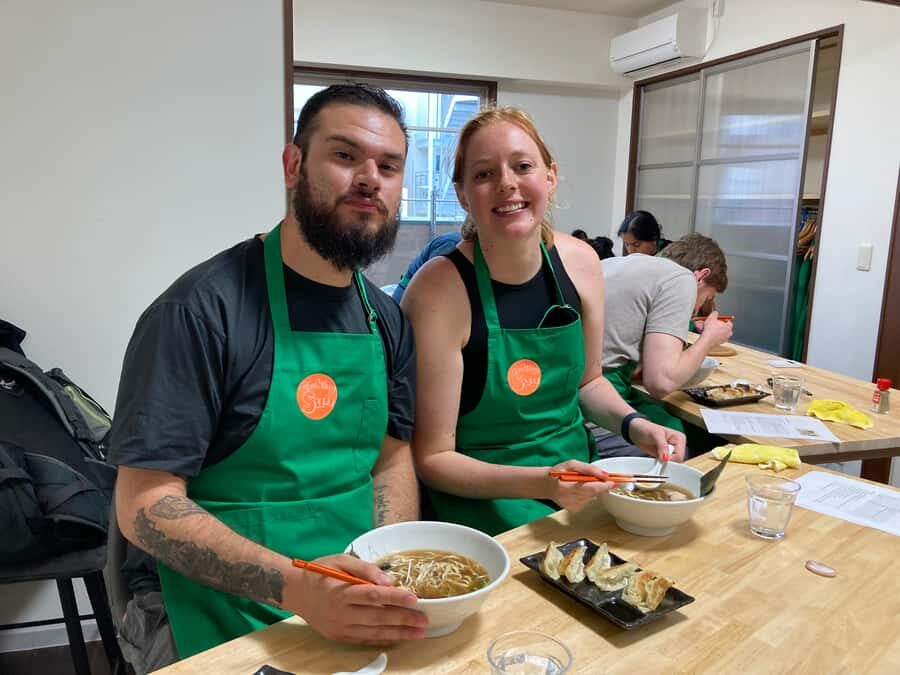
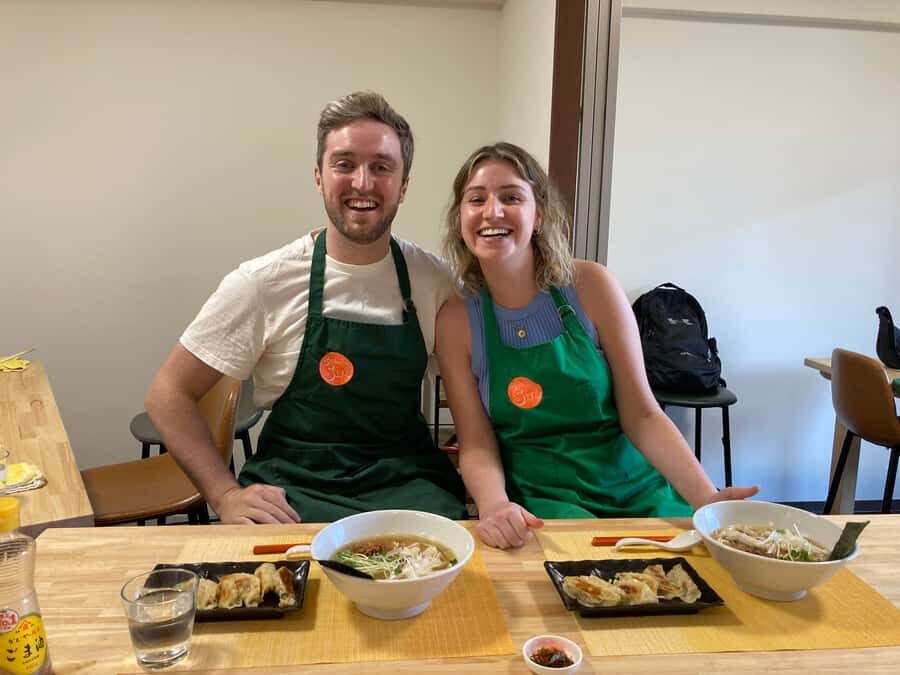
This is the part you remember later: you sit down and eat what you made.
People are very clear about the satisfaction here. The consensus isn’t just that it tastes good, but that it tastes good because you did the work. You’ll likely understand the difference between noodles that were made with care and noodles that were rushed.
One practical tip: come hungry. At least one participant explicitly suggested arriving with an empty stomach. Cooking uses all sorts of energy—hands, attention, curiosity—and you don’t want to start feeling full before the best bites.
You also get a meal end-to-end: ramen after the noodle work and gyoza after dumpling prep. That makes the class feel like a complete experience, not a scattered set of demos.
How Much It Costs and Why It’s Fair Value at $70
At $70 per person, you might wonder what you’re really paying for. Here’s what matters for value.
First: ingredients are included. That takes away the hidden cost of buying specialty items just to learn a recipe. Second: you’re paying for technique and time with instructors, not just for the food. Kneading, cutting, broth work, dumpling assembly—those are skills you can’t fake with a cookbook alone.
Third: you get recipes to take home. That’s not an afterthought. It’s how you convert the class from a one-time meal into something reusable. If you cook even occasionally, those recipes can turn into a weekend project.
Finally: small group size helps. More attention means fewer mistakes that waste ingredients and fewer moments of frustration. In practice, that’s part of why the class earns its high rating.
If you’re already planning ramen and gyoza anyway, this class turns your food budget into a learning budget, and it’s one of the better ways to spend a few hours in Osaka beyond just ordering bowls.
Who This Class Is Best For (And Who Might Want a Different Plan)
This class is a strong match for:
- Food lovers who want technique, not just tasting.
- Beginners who need English guidance and hands-on correction.
- Couples, friends, and families, since the experience is described as fun and educational for multiple ages (including an 11-year-old).
- Vegans or vegetarians who want to ask about plant-based adaptation. Just tell the team as early as you can.
It may be less ideal if:
- You want zero work and only want a quick tasting.
- You’re extremely sensitive to fish broth aromas and don’t feel comfortable asking about alternatives.
- You’re expecting a simple meetup with no room-number specifics. Follow the directions to room 807 and use the call button.
The cooking itself is the point. If you enjoy learning with your hands, you’ll likely leave with both better ramen instincts and more confidence cooking at home.
FAQ
FAQ
What dishes will I make in this Osaka class?
You’ll cook ramen and gyoza from scratch. The ramen is soy sauce ramen as the base, with an option to make it miso ramen, and the gyoza filling uses minced chicken.
Does the price include ingredients?
Yes. The class includes all ingredients needed for the cooking.
Where do I meet the instructors?
Meet at Cooking Sun Osaka, room 807. On arrival, press 807 and the 呼出 call button at the entrance.
Is hotel pickup or drop-off included?
No. Hotel pickup and drop-off are not included, and the activity ends back at the meeting point.
How long is the cooking class?
Plan on about 2 to 3 hours, depending on the pace of the group.
Is the class taught in English?
Yes. The class language is English.
Can the class accommodate vegan or vegetarian diets?
There is at least one example where the instructors adapted recipes for a vegan participant with a plant-based option. If you have dietary needs, tell the team when you arrive.
Do I get recipes to take home?
Yes. You can take the recipes home after the class.
How big is the group?
It’s run as a small group. Class size is described around 7 to 8 people, which helps with hands-on guidance.
What about paying now and cancellation?
You can book and pay later, with no payment made today at the time of booking. You can cancel up to 24 hours in advance for a full refund.
Should You Book This Ramen and Gyoza Class in Osaka?
Yes, if you want a hands-on Osaka food experience that teaches real technique. This class earns its value by focusing on noodle dough work, using the noodle machine, and making gyoza with real filling and dumpling skills—then letting you eat the results right away.
Book it if you like your travel days with a plan that still feels fun. Skip it only if you want sightseeing-only time, or if your expectations are for a quick taste rather than learning how ramen and gyoza are built.