REVIEW · KYOTO
Kyoto: Arashiyama Bamboo, Temple, Matcha, Monkeys & secret spots
Book on Viator →Operated by Japan Tour Adventure · Bookable on Viator
Arashiyama is better with a plan. This small-group Kyoto walk pairs the Arashiyama Bamboo Forest area with a quieter private garden for warming matcha, plus major sights like Tenryu-ji and the Monkey Park viewpoint, so you don’t just chase one postcard moment. My favorite parts are the Okochi Sanso garden and matcha stop and the steady, human pace with guide help when you want it; the trade-off is that the Monkey Park ending includes a steep hike, so you’ll want comfortable shoes and a realistic energy level.
What makes this tour work for real trips is how it strings together the area’s highlights in a logical flow. You start in the Arashiyama Park area, slip into a former tea-house garden, enjoy temple pond views at Tenryu-ji, pause for river photos at Togetsukyo Bridge, and finish with the monkey overlook. Guides vary (you might meet people like Toru, Karim, Francis, or Remi), but the common thread is storytelling, photo help, and pointers that help you move through Arashiyama without feeling lost.
In This Review
- Key takeaways before you go
- Why Arashiyama feels different when it’s not just bamboo
- The flow of a 5-hour Arashiyama plan (and how to pace yourself)
- Okochi Sanso garden and matcha: where the day slows down
- Tenryu-ji temple: pond views, indoor-outdoor time, and small moments
- Togetsukyo Bridge and the Arashiyama shopping street: photos plus human help
- Monkey Park Iwatayama: the hike, the payoff, and what to bring
- Price and value: why $89.54 can make sense here
- Should you book this Arashiyama tour?
- FAQ
- How long is the Kyoto Arashiyama tour?
- What is the group size?
- Is lunch included?
- Which entrances are covered in the price?
- Does the tour use a bus?
- Where does the tour start and end?
- Is the Monkey Park hike difficult?
- What if the weather is bad?
Key takeaways before you go
- Go beyond the bamboo grove with a route that includes Tenryu-ji, Okochi Sanso, and Togetsukyo Bridge
- Warm matcha in Okochi Sanso in a former tea-house setting where you can slow down
- Small group size (max 12) for questions, translation help, and a pace that stays manageable
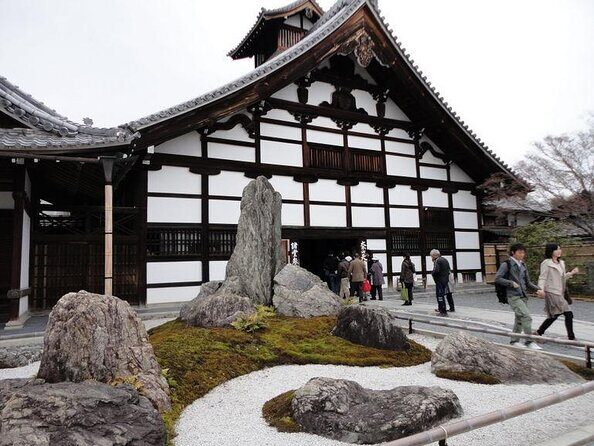
- Temple stop with pond views at Tenryu-ji plus time to look around indoors and outdoors
- Monkey Park finish means effort: a steep 15–20 minute climb up, best tackled with sunscreen and good shoes
Why Arashiyama feels different when it’s not just bamboo
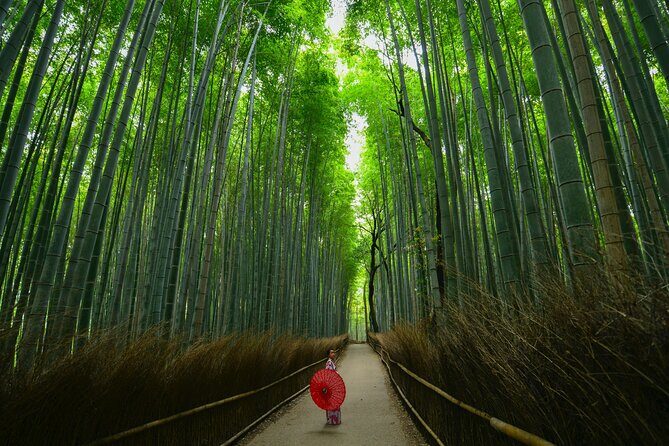
The Bamboo Forest is the headline, but Arashiyama is bigger than one grove of stalks. This tour is built to keep you from doing the most common mistake: arriving, photographing bamboo, then leaving without seeing what makes the neighborhood tick—gardens, temples, river views, and the hillside perspective.
I like the way the day balances “must-see” and “take-a-breather” stops. You start at Arashiyama Park in the Kameyama area and then move into Okochi Sanso, where the mood shifts from busy footpaths to slower garden wandering. That matters because bamboo crowds can make it hard to actually look. Here, you get time to breathe and notice details—paper, stone, paths, and the way gardens are designed for quiet viewing.
The route also gives you context you can carry with you. Guides bring in the story of how Arashiyama developed and how different spaces connect—temples, shopping streets, bridges, and the viewpoint at the end. Some guides even add fun extras, like pointing out food you might want to try (one review mentions custard-filled fish), or teaching a small coin-to-frog trick at the temple. Those little moments are what turn sightseeing into a day you remember.
Just keep one reality in mind: the Monkey Park ending is active. The climb is short but steep, and on hotter days it can feel like more than you expected. If you’re sensitive to heat, plan for it rather than hoping the weather behaves.
You can also read our reviews of more tours and experiences in Kyoto.
The flow of a 5-hour Arashiyama plan (and how to pace yourself)
This is about 5 hours on foot (with about a 30-minute wiggle room). That timing works well if you want a “half-day anchor” in Kyoto: enough time to see the big sights, but not so long that you’re exhausted before dinner.
You’ll get a mobile ticket, which is handy on a day when you’re moving through multiple entrances. The tour is also a walking tour, not a bus tour, so you’re trading vehicle comfort for flexibility. And for Arashiyama, walking is the point: the sights are close enough to string together, but spread out enough that a guide helps you avoid wasted time.
Here’s how the pace typically feels:
- You begin with the bamboo area approach at Arashiyama Park, then transition into the calmer garden portion.
- Midday is temple time with built-in breaks, including a seated matcha stop.
- After that, you move into the river-and-street zone for photos and browsing.
- You finish with Monkey Park, which is best treated like a mini hike day.
One practical tip: the tour officially ends at Monkey Park Iwatayama, so you’ll need to plan your next move from there. Many people just head back down after the viewing, but if you want a meal or shopping afterwards, think about distance and how you’ll get moving again after the climb.
Okochi Sanso garden and matcha: where the day slows down
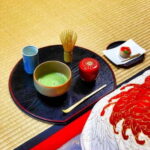
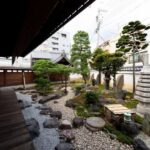
Okochi Sanso is the stop that people remember later. It’s a private garden experience, and the format is different from rushing temple photo stops. You’re encouraged to take your time, sit, and reset before the second half of the tour.
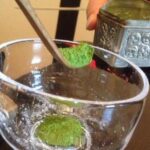
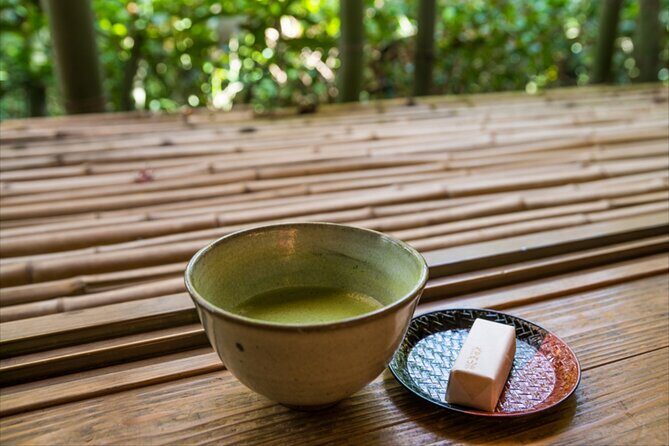
The star here is matcha served in a former tea house. Instead of grabbing matcha as a snack on the move, you get a proper pause. Warm matcha is especially nice when the weather is cool, but even in milder conditions it gives your body a moment to catch up with all the walking.
This is also where you get the “how Japan designs for calm” lesson. Gardens aren’t only pretty. They’re paced like stories—viewpoints, winding paths, and spaces that let you slow down without feeling like you’re doing nothing. If your Kyoto trip includes other temples, Okochi Sanso helps you see the theme across different styles: nature shaped for contemplation.
A couple of practical notes:
- Wear shoes you can stand in for a while. Garden strolling still adds up.
- Bring a water plan. The tour includes matcha, but it’s not a substitute for staying hydrated on a walking day.
If you’re visiting in seasonal bloom time, this stop can be especially satisfying because it rewards patient looking—less rush, more atmosphere.
Tenryu-ji temple: pond views, indoor-outdoor time, and small moments
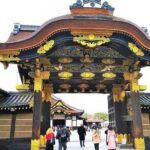
Tenryu-ji is one of Kyoto’s big names, and the value of this stop is the time you get with it. You’ll explore both indoors and outdoors, then take in the pond views (there are koi fish in the pond). This matters because koi-pond views often make people stop scrolling their phones and start actually looking.
Guides also help you connect what you see to why the temple matters in this part of Kyoto. That context makes the scenery feel less random. You’re not just ticking boxes; you understand what you’re looking at—structures, garden layout, and the way temple spaces are arranged for viewing.
One fun thing to watch for: some guides include playful interaction, such as explaining or demonstrating the coin-to-frog trick at the temple area. Even if you don’t try it, it adds a human, memorable layer to a cultural site.
A realistic downside: temple time can include stairs and uneven ground. It’s not extreme, but comfortable footwear helps. Also, if it’s raining, you may need to accept that you’ll be inside more than outside; the tour still runs, and a good guide will adjust so you don’t feel like you paid for wet air.
Togetsukyo Bridge and the Arashiyama shopping street: photos plus human help
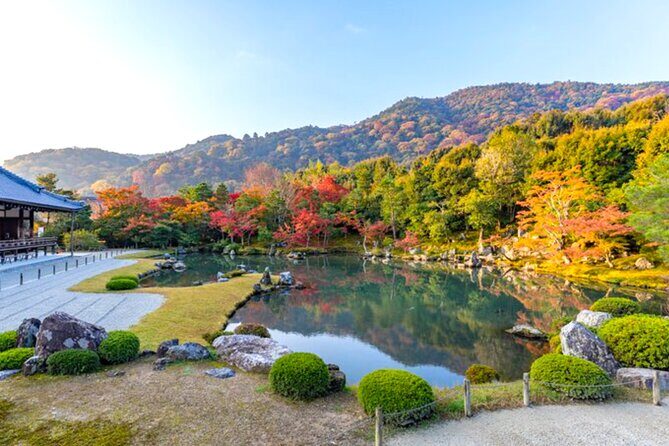
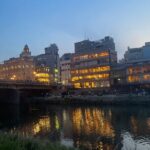
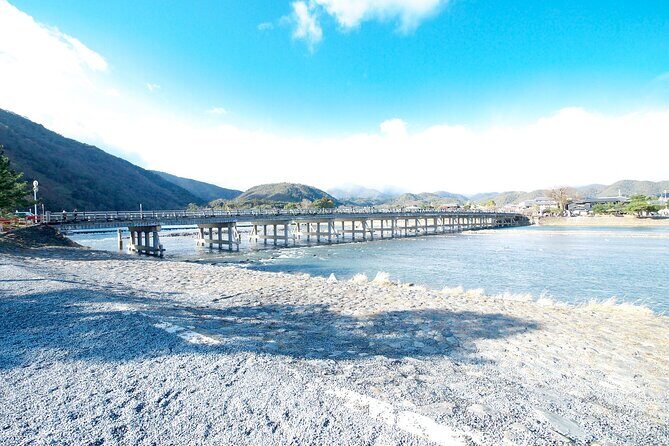
Togetsukyo Bridge is one of the most recognizable photo spots in Arashiyama, especially with views over the Katsura River. This stop is short by design, about 15 minutes, which is exactly right for a bridge photo-and-stand-and-breathe moment. You won’t feel trapped there.
The best part of including the shopping street alongside the bridge is practical: Arashiyama is full of small stores, snacks, and things you might want but can’t always figure out quickly. This tour includes shopping and translation assistance, which can save you time when you want to ask prices, ingredients, or what something is actually for.
I like that the guide isn’t only there for “museum facts.” They can help you shop without turning it into chaos. That makes the shopping street feel more like wandering with company than wandering alone while holding a map that keeps getting you lost.
If you’re the type who likes tasting snacks, the guide’s food pointers can be useful too. One review specifically mentioned food recommendations as part of the experience, and that’s common with guides who pay attention to what you seem interested in.
One caution: the shopping stop isn’t built for a long sit-down lunch. The tour doesn’t include lunch, so you’ll want to eat before or after depending on how you plan your day.

Monkey Park Iwatayama: the hike, the payoff, and what to bring
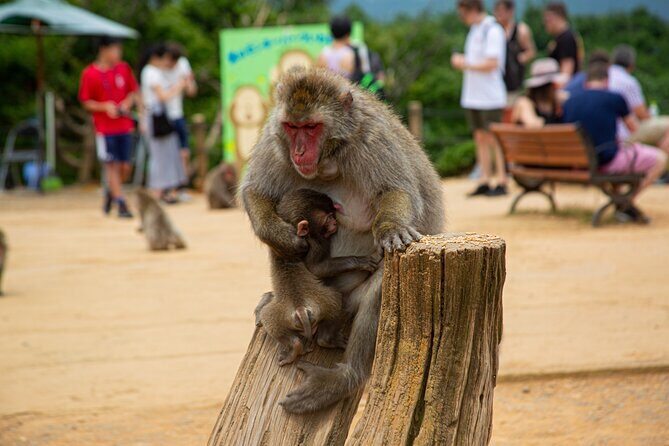
This is the finish that turns a sightseeing walk into a real effort. The access to the top of Monkey Park involves a 15–20 minute steep path, and you’ll want comfortable shoes and a reasonable fitness level. If you’ve ever wished you could switch off your legs for a moment, this is the place where you’ll feel that wish.
The payoff is the view of Kyoto from above, and the monkeys themselves. The park is especially fun for families and kids, but the views also work for adults who just want a different angle of the city. Many people find the hike worth it once they reach the top and look out.
What to pack based on real-world conditions:
- Sunscreen and a hat for summer heat
- An umbrella if weather might change
- Water, because the day is still active even with breaks earlier
Also, know that the monkey stop can be a personal favorite or not. Some people say the hike is the tough part, but the views make it worth the effort. Others prefer earlier parts of the route. Either way, you’ll understand why the park is included once you’re looking out over the area.
Price and value: why $89.54 can make sense here
At $89.54 per person, this tour is not “cheap,” but it’s also not just paying for walking. You’re paying for a guide, time in multiple major sites, and entrance fees that are bundled into the experience.
Included items are the big value levers:
- Guide fee
- Okochi Sanso entrance
- Tenryu-ji entrance
- Monkey Park entrance
- Shopping/translation assistance
Not included: lunch and personal shopping.
So the math is usually simple. If you were planning to visit these places anyway, a guided route can be a time-saver and a stress-saver. You also get a small-group format (max 12), which means less waiting and more room for questions, especially during the temple and shopping segments.
You’ll also appreciate the structure if your Japanese is limited. Some guides can speak languages beyond English and Japanese, but the availability isn’t guaranteed—so plan around English support unless you’ve confirmed otherwise.
Should you book this Arashiyama tour?
Book it if you want a Kyoto plan that covers more than the bamboo headline. You’ll likely be happiest if you enjoy small-group walking, like having a guide to explain what you’re seeing, and don’t mind a finish that includes a steep climb. The Okochi Sanso matcha break plus the Tenryu-ji pond stop are strong reasons to choose this over a basic bamboo-only outing.
Skip it if you’re dealing with limited mobility or you already know you can’t handle a steep 15–20 minute ascent in heat. In that case, you’d be better off with a more low-effort Arashiyama plan that keeps you closer to flat ground.
If you’re unsure, ask yourself one question: do you want Arashiyama as a one-photo stop, or as a real area you can understand in half a day? This tour is built for the second option.
FAQ
How long is the Kyoto Arashiyama tour?
It lasts about 5 hours, with timing that can vary by around 30 minutes.
What is the group size?
It’s a small group with a maximum of 12 people.
Is lunch included?
No. Lunch isn’t included.
Which entrances are covered in the price?
The tour includes entrance tickets for Okochi Sanso, Tenryu-ji, and Monkey Park Iwatayama.
Does the tour use a bus?
No. It’s a walking tour, so you’ll be on your feet the whole time.
Where does the tour start and end?
It starts at 18-12 Sagatenryūji Kurumamichichō, Ukyo Ward, Kyoto, and it officially ends at Monkey Park Iwatayama.
Is the Monkey Park hike difficult?
The climb involves a steep path, about 15–20 minutes. Wear comfortable shoes and be in a reasonable physical condition.
What if the weather is bad?
The tour requires good weather. If it’s canceled due to poor weather, you’ll be offered a different date or a full refund.