REVIEW · KYOTO
Kyoto: Non-Verbal Theatre Show Tickets at GEAR
Book on GetYourGuide →Operated by ART COMPLEX · Bookable on GetYourGuide
GEAR hits hard in a good way. A non-verbal show with big stage tricks in a tiny, up-close theatre is a rare Kyoto night.
I love how the story lands without a single spoken line, and I love the precision of the performances.
The second thing I really like: the staging is the star. You get realistic sets, fast choreography, and all the little moments you usually miss from farther back.
One drawback to plan around: the venue is small and the S-seat is in tight seating. If you’re tall or sensitive to cramped spaces, arrive ready for close quarters.
In This Review
- Key things to know before you go
- Why GEAR works: silent emotion, close-up action
- A 1928 theatre with only 72 seats: logistics that matter
- What you’ll watch: robots, a living doll, and a story without dialogue
- Stage effects and performance style you can actually see
- How to plan your Kyoto evening around a 90-minute show
- Price and value: what $46 buys in Kyoto
- Who should book GEAR (and who might not love it)
- Should you book GEAR in Kyoto?
- FAQ
- How long is the GEAR non-verbal theatre show?
- Where is the meeting point for this experience?
- Can I choose my seat number?
- Is there dialogue or spoken language during the show?
- Are kids allowed?
- Is food or drink allowed inside the theatre?
Key things to know before you go

- Silent, non-verbal storytelling means you do not need Japanese (or even English) to follow the plot.
- Kabuki-inspired acting techniques get used alongside modern tech, so the style feels both classic and futuristic.
- A toy factory in the future powers the whole story, with robot workers meeting a doll that comes to life.
- Small venue, limited capacity: about 72 seats in a 1928 building, so the room feels intimate.
- No food or drink inside helps keep the show distraction-free.
- Audience participation can happen, especially during the magic moments.
Why GEAR works: silent emotion, close-up action
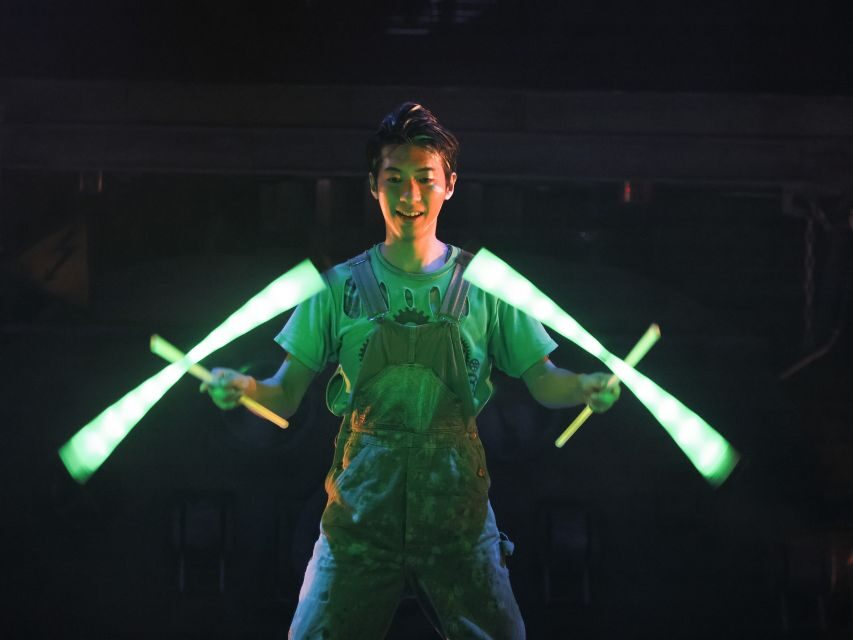
GEAR is a theatre show built for people who don’t want to spend their evening translating. You follow the story through mime, movement, music, and stage effects. It’s also a great fit if you’re tired after a day of temples and want something that doesn’t require mental effort.
The show uses a future setting in a broken toy factory. Robot workers run into a doll that comes to life, and that sets off a journey about humanity. The theme is simple, but it hits: touch, empathy, and how even machines learn what people feel.
I also like that it’s not just one tone. In the same performance you can get laughs, slick athletic movement, and then a quiet emotional beat that feels personal. Several performances in the past have been described as funny and touching at the same time, which is exactly what you want from a modern non-verbal show.
A few more Kyoto tours and experiences worth a look



A 1928 theatre with only 72 seats: logistics that matter
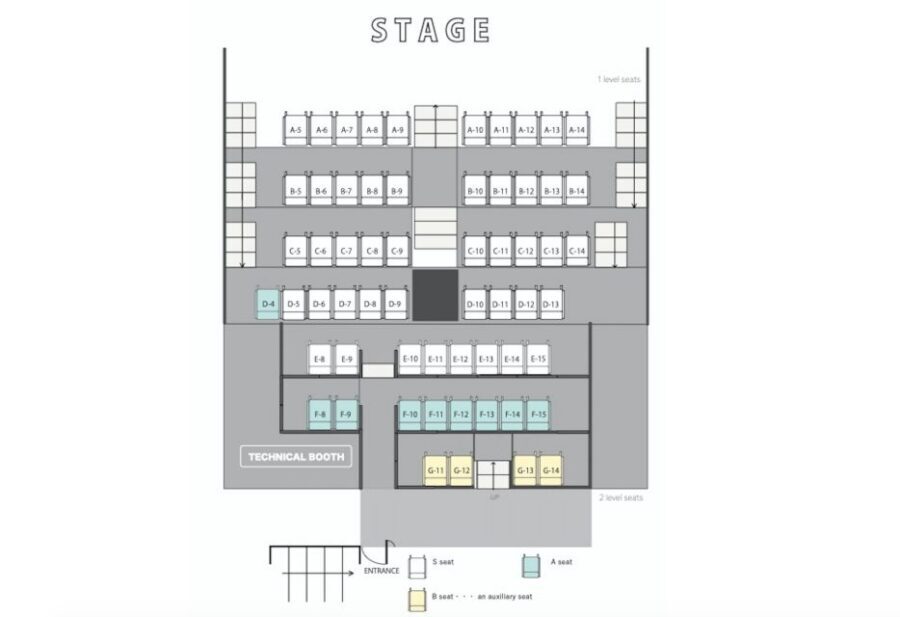
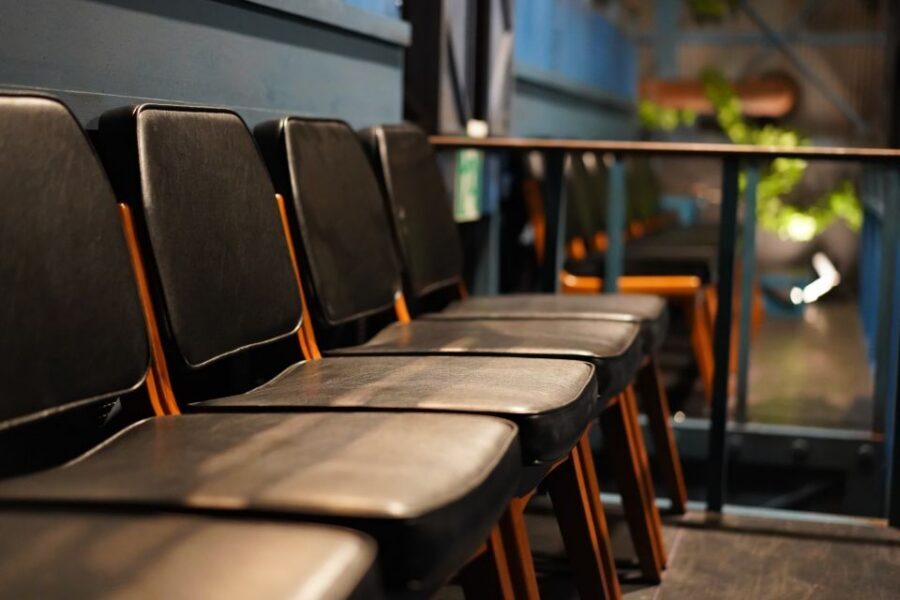
The biggest practical factor here is physical: the venue is old and the seating is tight. The GEAR Theatre sits in an old building built in 1928, and the room only has about 72 seats. Each seat is roughly 18″ by 18″, which is small.
That makes the upside and the trade-off pretty clear. You’re close enough to see facial expression and body control. But you won’t have much personal space, so plan accordingly if you’re used to wider chairs.
You’ll also want to time your arrival well. The doors open 30 minutes before the show starts, so use that window to settle in and get comfortable before the first cue. The meeting point is straightforward: go to GEAR / Non-Verbal theatre.
Another detail that affects your experience: S-seat is the only option currently sold. You also cannot pick seat numbers due to limited capacity. The good news is many visitors describe there not being a bad view. The not-so-good news is you’re not choosing extra legroom or the absolute center, so keep expectations flexible.
Finally: no food or drink is allowed inside the theatre. That’s actually helpful for the show’s pacing. It keeps focus on the performers and the effects, not on people passing snacks during quiet scenes.
What you’ll watch: robots, a living doll, and a story without dialogue
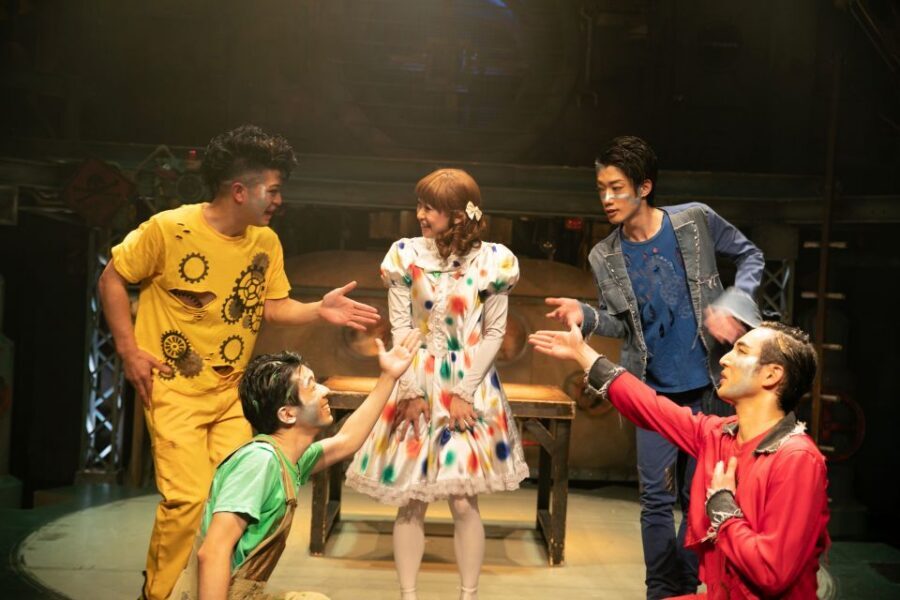
GEAR runs for about 90 minutes. That length is ideal for this style of entertainment: long enough for a real arc, short enough that the energy never drifts.
The story setup is also clean and easy to follow. Robot workers in a toy factory discover a doll that comes to life, and that discovery pushes them into a series of tasks and emotional realizations. The show is described as a long-running production, the first of its kind in Japan, and it’s been running for around ten years. That matters because a show that lasts that long usually has pacing and stagecraft dialed in.
What makes the non-verbal approach feel effective is how the performers “write” with their bodies. Movement replaces spoken explanation. Props and timing replace narration. And the audience gets to react, not decode.
A useful tip for first-timers: go in without overthinking the plot. Several people specifically recommend going in blind. Let the show tell you what’s happening through action and expression.
Stage effects and performance style you can actually see
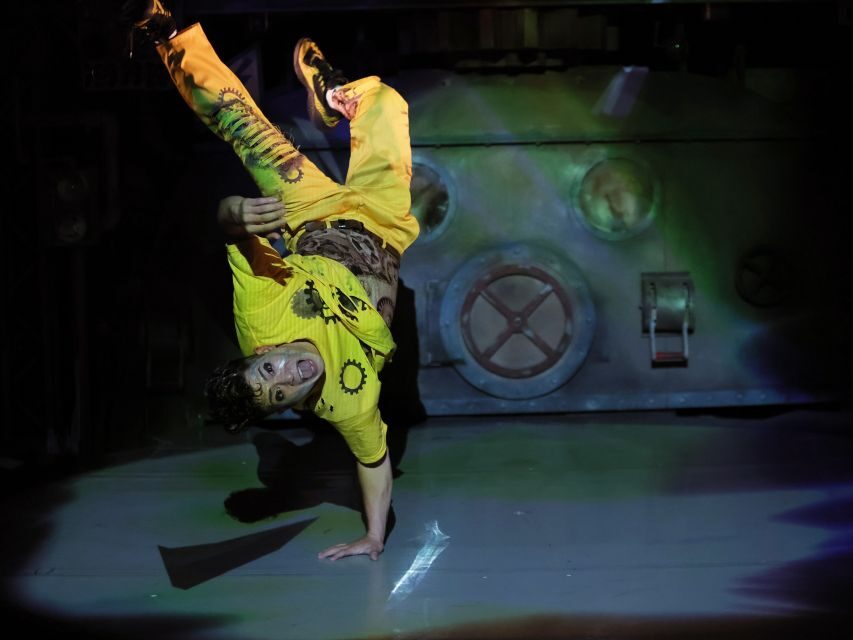
GEAR’s real magic is how it mixes theatrical craft with modern tech. The show’s stage effects use techniques associated with Kabuki theatre along with current technologies. You’ll see practical-looking mechanisms, illusion-like moments, and timing that feels engineered.
Close-up makes a huge difference here. This is not a show you “half watch.” When the action comes toward your side of the stage, you notice control: crisp footwork, controlled gestures, and the way transitions happen. Reviews often call out high energy and inventive visuals, and that fits the feeling when you’re near the performance.
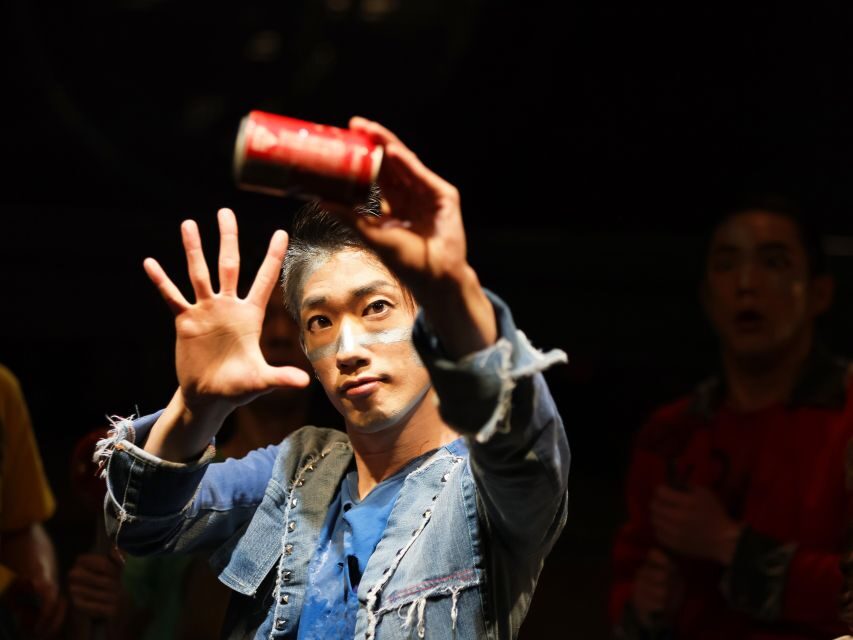
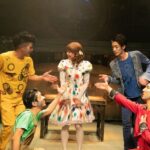
You should also expect a variety of performance skills. Based on past descriptions, the show can include breakdancing-style moves, dance, juggling-like sequences, mime, and magic moments. The performers also simulate robot-like movement and then shift into more human motion when the story turns emotional.
One more thing: audience participation may happen. One guest noted that the show included their child during a magic portion. You should expect that there could be moments where someone from the audience is pulled in, so just be ready with a calm, cooperative vibe.
How to plan your Kyoto evening around a 90-minute show
A 90-minute show gives you a lot of flexibility. You can build a full afternoon of Kyoto sights, then use GEAR as a strong evening anchor.
Because doors open 30 minutes before start time, I’d plan to arrive about 30–45 minutes early. That keeps you from rushing in after you’ve already walked the area. It also helps you settle into tight seating without stress.
The area around the theatre can be fun to explore before the show. One review highlighted that the surroundings are cool, with unique shops nearby. I’d take that as permission to arrive early, browse briefly, and then head in so you don’t start the show already tired.
In terms of pairing, think about your day’s energy. If you’ve spent hours on temple steps and crowds, GEAR is a breather. It’s indoor, structured, and you do not need to chase information. If you’re on the opposite end and want one action-packed event, this is also a strong choice.
And because the show is non-verbal, it’s a smart hedge when your language stamina is running low. After a few days in Japan, that can be a real quality-of-life upgrade.
A few more Kyoto tours and experiences worth a look


Price and value: what $46 buys in Kyoto
At $46 per person, GEAR isn’t the cheapest thing in Kyoto. But it often feels like good value because you’re paying for an entire production, not just a performance.
Here’s why the cost makes sense for many people:
- Ninety minutes of tightly paced stage action.
- High production effort, including stage effects and technology.
- Up-close viewing due to limited capacity and small seating layout.
- A story approach that works for everyone since it doesn’t rely on language.
If you’ve ever watched a show where you pay for tickets but end up stuck far away, this is a different deal. The theatre’s size changes the experience. You’re closer to the performers’ physical storytelling, so every gesture lands with less distance.
That said, value also depends on comfort. The seats are small, and there’s limited ability to choose. If you’re uncomfortable in compact spaces, you may feel the price more strongly because you’re “buying” a great show while also sitting in a tight environment.
If you can handle close seating, you’re likely to feel the $46 is fair for how much you’re getting.
Who should book GEAR (and who might not love it)
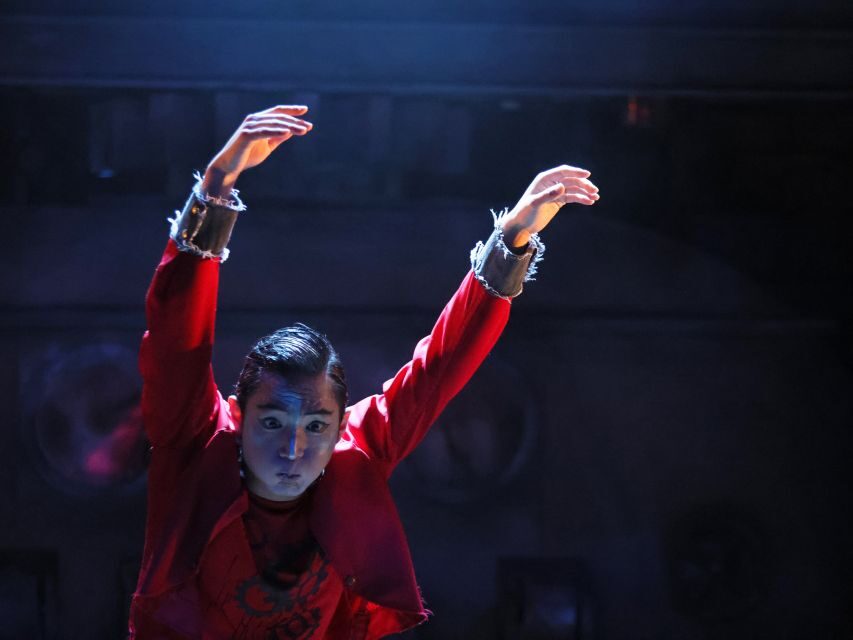
GEAR is built for wide audiences. Reviews mention it works for different age ranges, and the theme is universal. The non-verbal format also makes it friendly for tourists who feel overwhelmed by language.
It’s a great match for:
- Couples wanting a memorable, low-effort evening.
- Families with kids old enough to attend. Just note that kids under 4 are not allowed.
- Anyone who enjoys theatre that leans physical: dance, mime, magic, and illusions.
It may be less ideal if:
- You strongly prefer spoken storytelling or want a text-heavy narrative.
- You’re very sensitive to cramped seating.
Also keep one reality check: it’s a silent theatre. Some people love the focus it creates. Others just wish there were spoken explanations. If you want to know everything, you won’t get it through dialogue. You’ll get it through action.
Should you book GEAR in Kyoto?
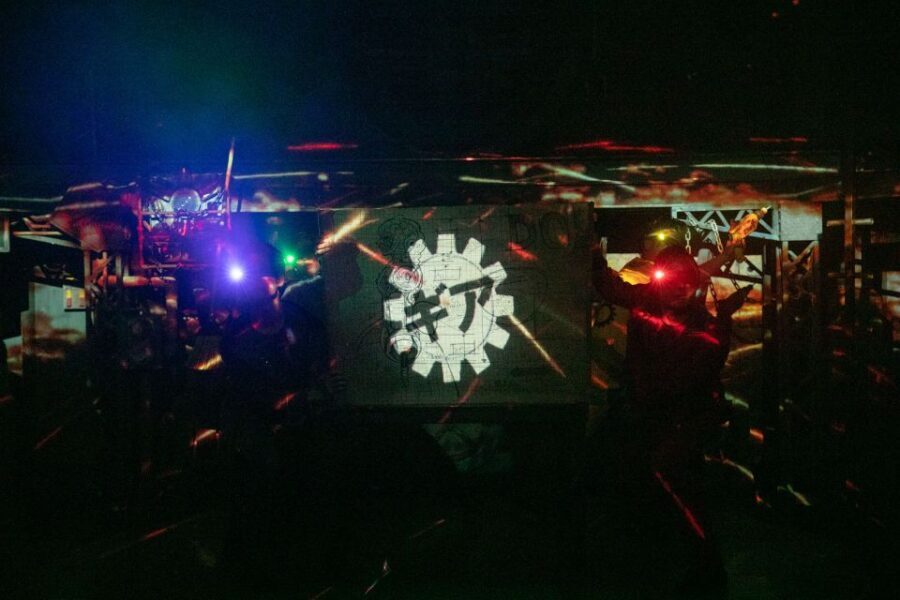
My take: yes, if you want a Kyoto night that’s easy to understand and hard to forget. For $46 and 90 minutes, you’re getting a full production with emotional storytelling, high-level physical performance, and stage effects designed to be seen up close.
Book it especially if:
- You like shows that feel international and human, even without words.
- You want something modern but still grounded in theatrical technique.
- You want a night that doesn’t depend on language skills.
Skip it (or think twice) if you hate tight seating. The theatre is small and the chairs are small too, so comfort is part of the deal.
If you do book, go in with a simple plan: arrive early, keep your expectations open, and watch the performers’ timing like it’s part of the plot.
FAQ
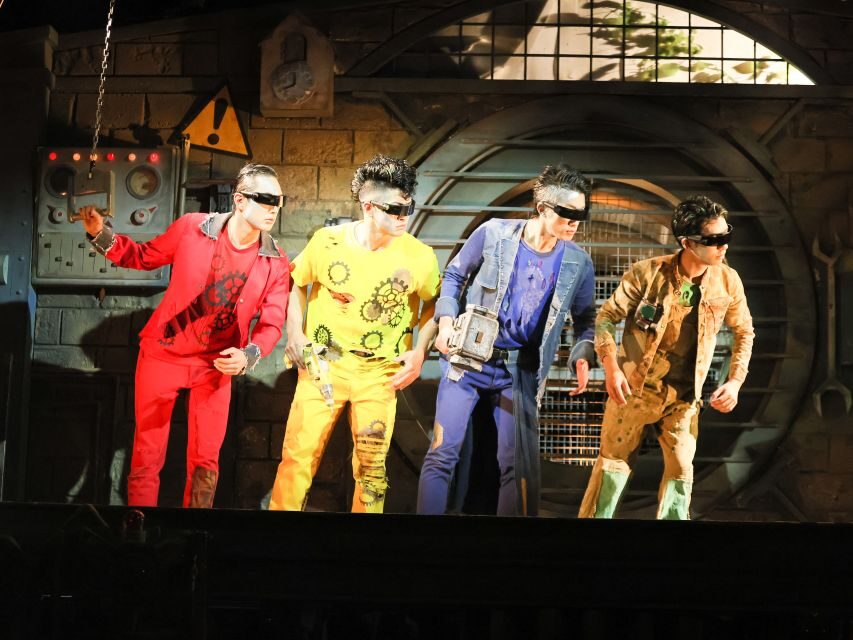
How long is the GEAR non-verbal theatre show?
The show runs for about 90 minutes.
Where is the meeting point for this experience?
Go to GEAR / Non-Verbal theatre.
Can I choose my seat number?
No. Only S-seat tickets are currently sold, and you cannot select seat numbers due to limited seating.
Is there dialogue or spoken language during the show?
It’s a non-verbal theatre show, so there is no speaking needed to follow the story.
Are kids allowed?
Children under 4 years old are not allowed in the theatre for security reasons.
Is food or drink allowed inside the theatre?
No. Eat and drink is prohibited in the theatre.