REVIEW · KYOTO
Kyoto Gion Cultural Walk & Geisha Show with Dining Options
Book on GetYourGuide →Operated by Ken's Tours Kyoto · Bookable on GetYourGuide
Gion turns myth into real culture. I love the small group size and the chance to meet a Maiko for Q&A, because it turns stereotypes into something you can actually ask about. One drawback: this experience is not suitable if you need mobility assistance, and you shouldn’t plan to bring luggage or large bags.
I also like how the tour is built like a story, starting at the Statue of Izumo-no-Okuni and working you through Gion’s streets toward the dance show at Miyagawasuji. Guides like Kenta and Akari come across as respectful and ready with clear English explanations, so the whole thing feels organized rather than random sightseeing.
If you’re in Kyoto for temples, this is a fun change of pace. You’ll spend about 3 hours on foot and at the performance venue, and you can choose the meal segment you want: lunch, a tea break, or dinner.
In This Review
- Key Highlights You’ll Actually Feel During the Tour
- Why Gion Needs a Guide (Even When You Think You Know It)
- Starting at Izumo-no-Okuni: How the Tour Builds Momentum
- The Gion Walk: What You’re Supposed to Notice
- Miyagawasuji and the Dance Show: What to Watch Without Getting Lost
- Meeting a Maiko: The 50-Minute Q&A That Changes Your Perspective
- Lunch, Tea Break, or Dinner: Choosing the Right Time to Match Your Trip
- The Guides: Why Kenta and Akari Get Repeated Mentions
- Price and Value: Is $108 Fair for What You Get?
- Practical Tips So Your 3 Hours Go Smoothly
- Should You Book This Gion Geisha Tour?
- FAQ
- How long is the tour?
- How many people are in the group?
- Is the tour offered in English?
- Where is the meeting point?
- What happens during the geisha or Maiko meeting?
- What food options are included?
- Can I cancel for a full refund?
- Are luggage or large bags allowed?
- Is the tour suitable for people with mobility impairments?
Key Highlights You’ll Actually Feel During the Tour
- Up-close Maiko Q&A (50 minutes): a real conversation plus a short performance with one or two songs
- Gion at walking scale: limited to 8 people, so you’re not swallowed by crowds
- Three food options that change the vibe: lunch plate, tea break, or dinner-sharing courses
- A guided story, not a scavenger hunt: you learn history, rituals, and how the lifestyle works today
- Respect-first guidance: you’re coached on how to behave in a cultural setting (including photo expectations)
- Easy meeting spot: in front of the Statue of Izumo-no-Okuni by Keihan Gion Shijo Station (exit 4)
Why Gion Needs a Guide (Even When You Think You Know It)
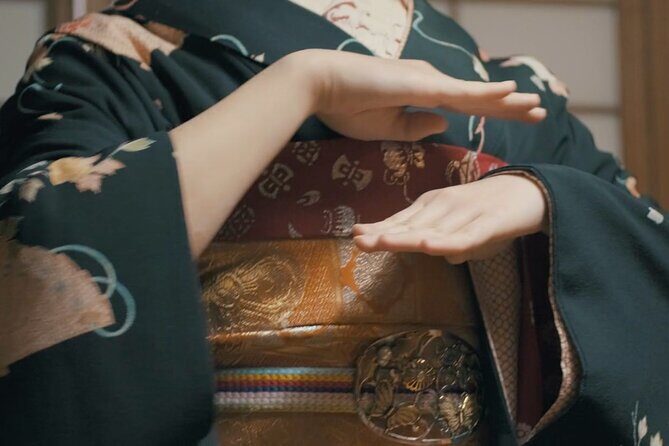
Gion can look like a postcard from a distance, but up close it’s more specific than that. This tour helps you understand what you’re seeing instead of treating the streets like a film set. The route is designed so you learn the background as you walk, from the traditions tied to geisha/geiko culture to the day-to-day rules of polite distance, timing, and etiquette.
I like that the group stays small (up to 8). In a bigger crowd, you tend to stop listening and start filming. With a small group, you can actually keep up with the guide and ask questions without shouting down the person next to you.
Another thing I appreciate: you’re not asked to fake enthusiasm about something unfamiliar. If you only half-know the topic, you’ll still come away with simple, grounded context. Many guests specifically praise the way guides correct Hollywood myths and explain the roles of geiko, maiko, and geisha culture without turning it into a lecture. You end up with something you can remember later, instead of a list of facts you forget on the train.
You can also read our reviews of more walking tours in Kyoto



Starting at Izumo-no-Okuni: How the Tour Builds Momentum
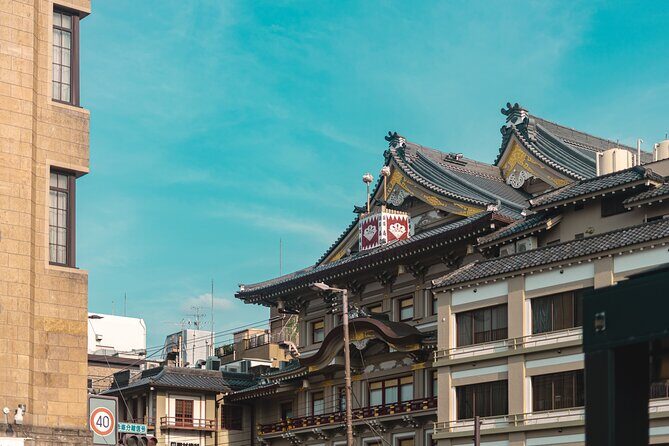
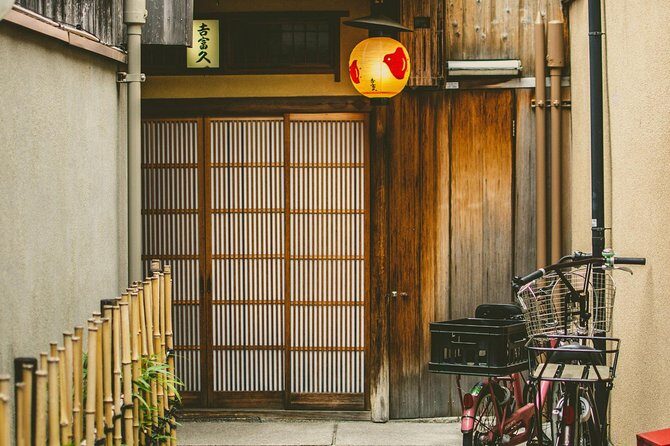
The experience begins at the Statue of Izumo-no-Okuni, near exit 4 of Keihan Gion Shijo Station. That matters more than it sounds. A clear meeting point means you don’t waste your first 20 minutes hunting down your group while everyone else is already lining up.
From there, you spend about 1.5 hours walking through Gion with your guide. This is where the tour earns its keep. You’re not just walking past pretty streets. You learn how geisha arts developed, what rituals and training look like, and how the district functions as a living tradition rather than a museum.
This first half also helps you read the neighborhood. Gion has a lot of visual cues, but many are meaningless unless someone points out what they represent. The guide’s job here is to give you the “why” behind what you’re seeing, and the reviews repeatedly highlight that guides answer questions directly and patiently—so you can adjust your curiosity in real time.
A practical note: the walking pace is generally described as moderate. Still, you should expect a steady stroll plus time seated during the show and meal/tea portion.
The Gion Walk: What You’re Supposed to Notice

During the Gion portion, you’ll likely focus on three things: the geography of the district, the cultural expectations, and the difference between legends and lived practice.
First, geography. The walk takes you through key areas in the historical district so you get oriented. People mention how helpful it is that the guide avoids the most chaotic spots and instead keeps you in a calmer, more authentic-feeling pocket of Gion.
Second, cultural expectations. You’ll get guidance on how to behave around geiko/maiko culture so you don’t accidentally act like a tourist in the wrong moment. That respect-first approach is one of the most praised parts of the experience.
Third, roles and history. You’ll learn how the tradition developed and how apprentices train, including the terms and distinctions you’ll hear once you get to the performance venue. This makes the later Maiko meeting land harder, because you understand what you’re looking at instead of guessing.
Miyagawasuji and the Dance Show: What to Watch Without Getting Lost
After the walking portion, the tour transitions toward the dance show at Miyagawasuji, Kyoto. This segment runs about 1.5 hours and centers on a traditional performance by Maiko.
What’s valuable here is not just the dancing. It’s the context you were given on the walk. When you know the meaning behind training, the purpose of the arts, and the discipline behind the look, you’re more likely to notice the details that matter—posture, timing, and the formal style of presentation.
One review mentions a tea experience tied to the venue, including something like an orange tea that guests enjoyed. Even if your option focuses on lunch/tea/dinner instead, the performance setting still creates a “pause” moment—Kyoto noise drops away and you get to watch with attention.
You should also expect that this part of the evening has a sense of choreography even offstage. People are often reminded to stay respectful, keep voices down, and follow the flow of the room. That’s normal here, and it’s part of why the whole experience feels smoother than a random show you might book alone.
Meeting a Maiko: The 50-Minute Q&A That Changes Your Perspective
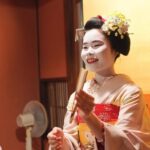
The centerpiece is the Maiko meeting, which runs about 50 minutes. This isn’t just a photo moment. It includes a Q&A session and a short performance with one or two songs.
This is the part I think most people will remember. When you can ask questions directly, you replace assumptions with answers. Guests specifically praise how guides help translate the culture into something understandable, and how the Maiko’s presence makes the tradition feel real, not abstract.
From the guidance you’ll receive, you should come with questions you actually want answered. Good topics include training routines, what life feels like during apprenticeship, and what misconceptions visitors commonly get wrong. If you want to get the most out of the Q&A, keep your questions short and let the interaction stay comfortable for everyone involved.
Photo expectations are handled carefully. One guest notes they were asked not to share photos online, even if a final photo was permitted. So plan on following whatever instructions your group receives, especially around posting online.
Some groups even get a light, fun element after the tea or Q&A—one review mentions a game—so don’t be surprised if the mood shifts from formal to friendly for a short moment.
A few more Kyoto tours and experiences worth a look




Lunch, Tea Break, or Dinner: Choosing the Right Time to Match Your Trip
This tour offers three different food options, and the choice affects the tone of the day.
- Lunch option (around 10:30AM): you’ll get a Japanese lunch plate.
- Tea break option (around 14:30PM): you’ll get a cup of tea.
- Dinner option (around 18:30PM): you’ll share dinner plates featuring 8 different food items.
What’s smart here is that the meal isn’t treated like an afterthought. Reviews describe the lunch and dinner as genuinely tasty, and the dinner is sometimes arranged in a kaiseki-style format. Just know the courses are presented in small portions, which is normal for this style. You’re not going to leave stuffed and nap-ready. You’ll leave feeling like you experienced Kyoto cuisine as part of the culture, not as a quick fuel stop.
If you’re choosing between lunch, tea, and dinner, here’s how to decide:
- Pick lunch if you want energy and daylight for a smoother walk.
- Pick tea if you prefer something lighter and flexible with the rest of your evening plans.
- Pick dinner if you want a full evening arc and don’t mind that it’s more of a sit-down, performance-adjacent experience.
Also, because Gion can feel warm in certain seasons, a guest notes the guide provided iced drinks on a hot day. That’s not something you can count on every time, but it’s a reminder to dress for comfort and bring a light layer if you get chilly indoors.
The Guides: Why Kenta and Akari Get Repeated Mentions
It’s rare that a tour consistently earns praise for the same two people, but here you’ll see guides like Kenta and Akari highlighted again and again. The common thread is how they handle questions and how they explain the culture.
Guests mention a few repeated strengths:
- They answer questions clearly and patiently.
- They correct myths in a respectful way, not like a rant.
- They keep the group organized so nobody feels rushed or left behind.
- They help set a respectful tone in the Gion streets and at the venue.
Some guests also mention practical extras, like communication ahead of the tour and helping with small needs during the walk (like chilled drinks on hot days). Even if those details vary, the bigger point is that these guides don’t act like a microphone reading facts. They act like hosts.
If you’re the type who hates tours where you’re herded from stop to stop, this format is a better bet. The small-group size and Q&A structure give you real time with the guide, not just a quick “follow me” pace.
Price and Value: Is $108 Fair for What You Get?

At $108 per person, this isn’t a budget ticket. But when you break it down, it starts to look fair.
You’re paying for:
- A guided Gion walk of about 1.5 to 2 hours
- A Maiko meeting lasting about 50 minutes, including Q&A and performance with one or two songs
- A traditional dance show segment (about 1.5 hours)
- And an included dining component, depending on your choice: lunch plate, a cup of tea, or a dinner with 8 food items
You’re also paying for access and coordination that would be hard to DIY without risking the wrong kind of behavior. The tour is structured to keep the experience respectful and smooth for everyone involved, and that matters in a place like Gion where privacy and etiquette are taken seriously.
Finally, the value is supported by the sheer volume of strong ratings provided (a 5-star average from 500+ reviews). I’m not saying every review is perfect, but the consistent praise for the guide quality and the Maiko meeting is a real signal.
Practical Tips So Your 3 Hours Go Smoothly
Here are the small choices that can make the difference between a good tour and a frustrating one:
- Travel light: luggage or large bags are not allowed. Bring a small day bag only.
- Plan for walking: you’ll do a Gion walk plus seated time during the show and meal/tea. Comfortable shoes matter.
- Arrive on time: meet at the Izumo-no-Okuni statue near exit 4 of Keihan Gion Shijo Station.
- Be ready to ask questions: the Q&A is a major part of the value. Keep questions short and specific.
- Respect photo rules: you may be allowed a final photo, but you could also be asked not to share photos online. Follow what your guide says.
- Consider your timing: one guest suggests daytime can be worth it for the overall comfort and experience. If you’re sensitive to heat or fatigue, daylight can help.
If you’re carrying anything bulky, or if you need mobility assistance, you should likely skip this one. The tour’s format is designed around walking and a venue setup that isn’t described as accessible.
Should You Book This Gion Geisha Tour?
Book it if you want:
- A small-group look at Gion that prioritizes etiquette
- A real chance to ask questions during a Maiko Q&A
- A meaningful cultural experience paired with food (lunch, tea, or dinner)
- Clear English hosting, with guides like Kenta or Akari who help you understand the tradition beyond stereotypes
Skip it if:
- You need mobility accessibility support
- You plan to bring luggage or large bags
- You’re hoping for a low-cost, casual “walk and photos only” outing
If you’re on the fence, here’s my straightforward take: this is one of the better ways to understand geiko/maiko culture in Kyoto without turning it into a circus. You’ll leave with questions answered, not questions ignored.
FAQ
How long is the tour?
The experience runs about 3 hours, which is listed as 210 minutes.
How many people are in the group?
It’s a small group limited to 8 participants.
Is the tour offered in English?
Yes. The live tour guide speaks English.
Where is the meeting point?
Meet in front of the Statue of Izumo-no-Okuni near exit 4 of Keihan Gion Shijo Station.
What happens during the geisha or Maiko meeting?
You get a 50-minute session that includes a Q&A and a Geisha performance with one or two songs.
What food options are included?
Depending on the option you select, you’ll have Japanese lunch plate, a cup of tea, or dinner-sharing plates with 8 different food items.
Can I cancel for a full refund?
Yes. Free cancellation is available up to 24 hours in advance.
Are luggage or large bags allowed?
No. Luggage or large bags are not allowed.
Is the tour suitable for people with mobility impairments?
No. It’s listed as not suitable for people with mobility impairments.