REVIEW · KYOTO
Kyoto Gion Cultural Walk & Geisha Show with Dining Options
Book on Viator →Operated by Ken's Tours Kyoto · Bookable on Viator
Kyoto’s Gion has a real rhythm, not just scenery. This 3-hour walk mixes Gion context with a 45-minute apprentice-geisha meeting and show, plus cultural stops that explain why the area looks the way it does. I love how the guide keeps it practical and human—talking about Kabuki roots, Shinto, and Zen right in the streets. I also love the chance to ask questions directly during the Q&A. One possible drawback: if you pick the dining option and expect a big, filling meal, you may be disappointed because portions can feel modest.
This is also one of those tours where you feel like someone planned it for walking, not for checklists. With a small group (maximum 9) and a guide who leads the way, you can relax and get your bearings fast in Higashiyama. Depending on your group, you might be led by guides such as Akari or Ken, who’ve both shown a strong focus on respect and clear explanations. If you have leg problems, keep in mind it’s a walk through multiple streets and temple areas.
In This Review
- Key highlights you’ll actually feel
- Entering Kyoto’s Gion with the right context
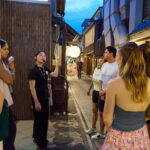
- Where it starts: the first minutes matter
- Izumo-no-Okuni and Minamiza: connecting Kabuki and geiko culture
- Gion Shirakawa and Hanamikoji: learning the streets, not just seeing them
- Tatsumi-jinja, Kennin-ji, and Zenkyoan: the spiritual layer behind the arts
- The maiko meeting and show: what to expect and what to ask
- Dining options: how to judge the value before you add them
- Weather, timing, and small details that make or break the night
- Price and group size: where the money goes
- Who should book (and who should skip it)
- Should you book this Kyoto Gion walk and maiko show?
- FAQ
- Is this tour a walking tour?
- How long is the experience?
- How big is the group?
- Is there a geisha or maiko performance included?
- What stops does the tour include?
- Are temple or theater admission fees included?
- Where does the tour start?
- What’s the weather policy?
Key highlights you’ll actually feel
- Kabuki origins before Gion: you start with the statue of Izumo-no-Okuni and connect theater history to geiko culture.
- Minamiza Theater stop: you see real historic theater architecture and hear how old performance and modern tech connect.
- Gion Shirakawa + Hanamikoji: you’re guided through the classic streets, including the riverside feel of Shirakawa.
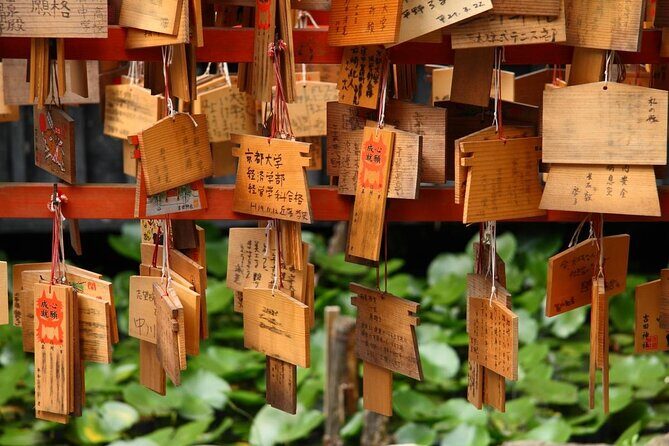
- Shrine and Zen context: Tatsumi-jinja, Kennin-ji, and Zenkyoan explain Shinto, Zen, and boar guardians.
- A maiko meeting with Q&A: you don’t just watch; you get time to ask questions.
- Small group pacing: a maximum of 9 people means less waiting and more time to hear your guide.
Entering Kyoto’s Gion with the right context
Gion can feel like a maze if you show up with only a map and a dream. What makes this tour work is that it feeds you context while you’re still on the ground. You’re not just walking for photos. You’re learning the cultural threads that tie together performance, religion, and everyday tradition in this part of Kyoto.
I like that the tour keeps a steady pace for about 3 hours. It’s long enough to feel satisfying, but short enough that you’re not wiped out before the evening show. And because it’s a small group (up to 9), you’re less likely to be lost in the back or stuck waiting for your turn at each stop.
You can also read our reviews of more walking tours in Kyoto

Where it starts: the first minutes matter
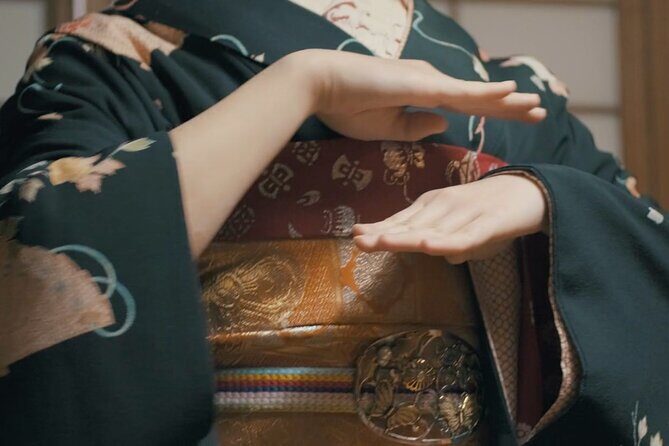
The experience begins at the Statue of Izumo-no-Okuni on Kawabatacho in Higashiyama Ward. That matters more than you’d think. Okuni is closely linked with the early origins of Kabuki, and your guide uses that starting point to explain why performance traditions in Kyoto aren’t random—they have roots.
From there, the tour keeps you moving through recognizable areas (Gion Shirakawa, Hanamikoji, and temple grounds), with your guide doing the heavy lifting. That’s especially helpful if your Japanese is limited, because you’re not trying to figure out which alley leads where while also trying to read signs.
One practical note: the tour is not recommended for travelers with leg problems. Even if the pace feels manageable, the route includes walking between streets and sacred sites.
Izumo-no-Okuni and Minamiza: connecting Kabuki and geiko culture
Your first major stop is the statue of Izumo-no-Okuni. The focus here is on how Kabuki began and the feminine beginnings of theater—something easy to miss if you only know modern Kabuki as a male-dominated tradition. It’s a neat example of how Kyoto’s traditions keep references to their origins, even when society changes.
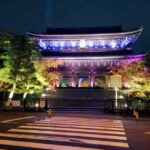
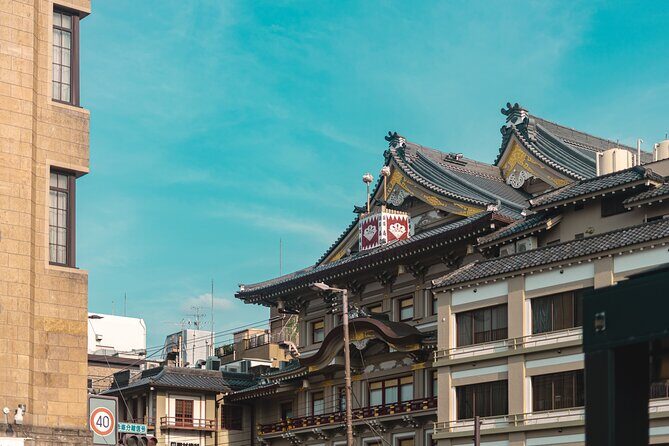
Next you visit Minamiza Theater, where the emphasis shifts from the concept to the building itself. You get a look at the theater’s architecture and hear the story around the way older performance culture relates to modern ideas, including a mention of VR and Kabuki. Even if you’re not into tech, it helps you understand that Kyoto’s arts world isn’t frozen. It adapts while still remembering where it came from.
Expect these stops to be shorter, around 10–15 minutes each. That’s good news for tired legs, but it also means your guide’s commentary is doing the real work—so listen, ask questions if you have them, and don’t treat it like a photo pit stop.
Gion Shirakawa and Hanamikoji: learning the streets, not just seeing them
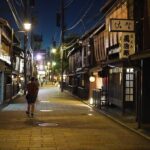
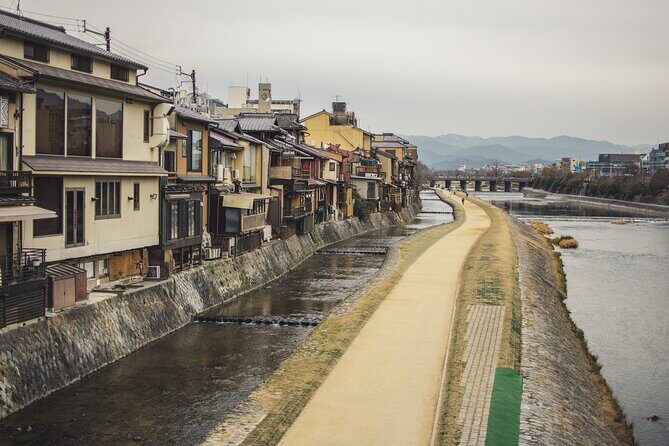
Then the tour lands in Gion Shirakawa, described as one of the most beautiful parts of Gion. This is where the experience becomes atmospheric in a different way. You’ll pass old-fashioned streets and traditional-looking buildings, and your guide explains what makes this part of Kyoto feel so distinctive—especially the riverside setting.
After that, you head to Hanamikoji Street, Gion’s main street. This is the place many people hope to see geisha or maiko walking around, but the real value here is that your guide teaches you what you’re looking at. The difference is subtle but important: you learn how geiko and maiko traditions fit into the neighborhoods around them.
And yes, you might see geisha activity if you’re lucky. But even without spotting someone on the street, Hanamikoji still helps you understand why the district is respected, protected, and carefully maintained.
Tatsumi-jinja, Kennin-ji, and Zenkyoan: the spiritual layer behind the arts
A lot of Gion tours stay on the surface. This one goes sideways—meaning it takes you into the spiritual worldview that shapes Kyoto culture.
You stop at Tatsumi-jinja (Tatsumi Daimyojin) to talk about Shinto, including the idea that Japan has around eight million gods. The tour doesn’t treat Shinto like a museum topic. It uses it to explain how people think about the sacred in daily life.
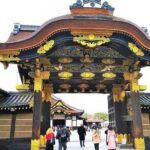
Next is Kennin-ji Temple, a Zen Buddhist temple built in 1202. Your guide talks about what Zen Buddhism is in plain terms. After that, you visit Zenkyoan, a subtemple area known for boar guardians and its associations with luck and safety.
Here’s a practical tip: admission isn’t included for Kennin-ji and Zenkyoan. The statue and Minamiza are listed as free, but these temple areas may require you to pay entry fees on the ground. If you’re trying to budget tightly, it’s worth keeping some cash ready or checking in advance how payments are handled.
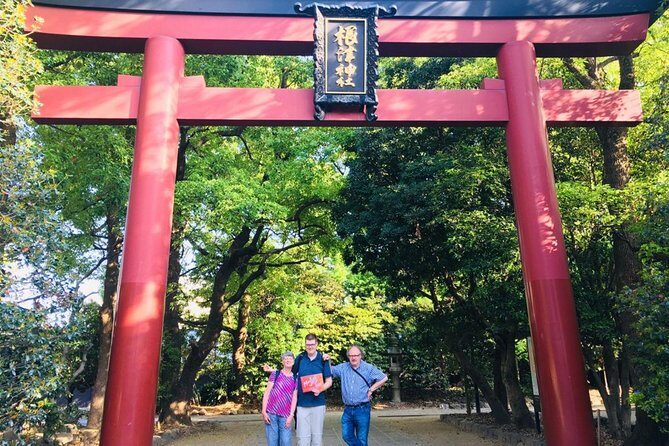
Also, since you’re moving through religious spaces, keep your tone respectful. This isn’t the time to rush. Even if your schedule is tight, slow down where others expect quiet.
A few more Kyoto tours and experiences worth a look

The maiko meeting and show: what to expect and what to ask
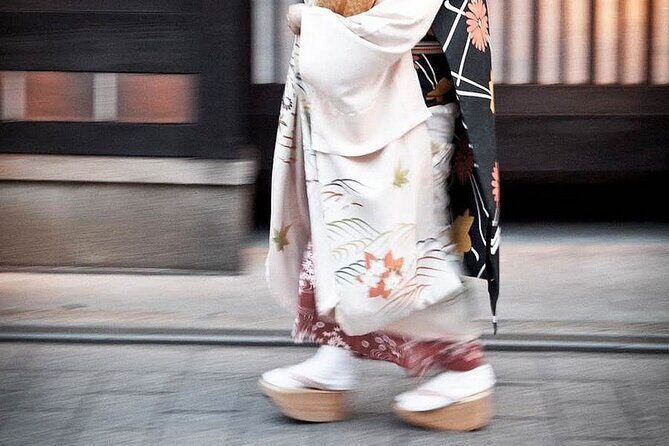
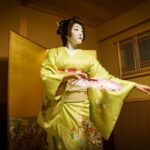
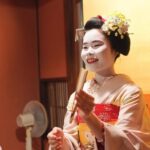
The centerpiece is the geisha meeting and show, timed for about 45 minutes. This portion centers on an apprentice geisha—often called a maiko—with dance performance that includes one or two songs.
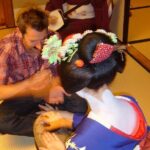
What makes this different from a generic performance ticket is the setup for interaction. You get time for Q&A, so you’re not just watching a routine. You’re learning how training and tradition work from someone who’s actively in it.
In the kind of experience this tour aims for, you should go in ready with questions that are respectful and specific. Things that tend to land well are:
- How training works day to day (at a level you can understand as an outsider)
- What routines matter most in maintaining tradition
- What visitors misunderstand about geiko and maiko life
- How they feel about learning and practice
One theme you’ll hear from guides is correcting misconceptions. Many people come in with a movie version of geisha culture. This tour nudges you toward the real-world social context.
A heads-up on photos and sharing: some cultural shows come with restrictions about photography and posting online. If you’re unsure, follow your host’s cues and ask if it’s allowed before you raise your phone.
Dining options: how to judge the value before you add them
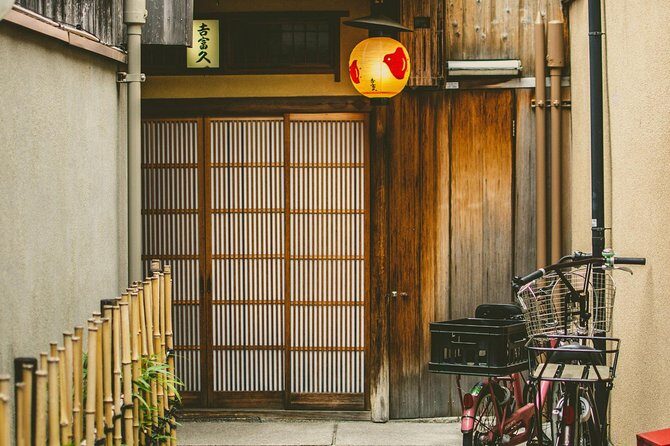
The tour name includes dining options, and in practice that can mean adding a meal package alongside the walk and show. In the experience write-ups I’ve seen associated with this format, the meal has been described as family style, with multiple options, and it has been handled with attention to dietary restrictions.
Here’s the honest value check: one person reported that the food felt light for the price they paid to include dinner. So my advice is simple—if you’re someone who gets hangry easily or you expect a full Kyoto feast, confirm what the dining option includes (and how much food you’ll actually get) before you upgrade.
Also, plan timing. Since the tour is about 3 hours and the show comes near the end, you’ll want to schedule dinner after the tour only if you’re skipping the dining option. If your package includes dinner, treat the meal as part of the experience, not as a replacement for breakfast and lunch later.
Weather, timing, and small details that make or break the night
This is a “good weather required” activity. That doesn’t mean you need perfect skies, but it does mean heavy rain or bad conditions can affect plans. If weather causes changes, you’re typically offered a different date or a full refund.
Since you’re walking through neighborhoods and temple areas at evening hours, do two boring-but-smart things:
- Wear comfortable shoes. You’ll be on your feet for a while.
- Bring something for rain. Even a light drizzle in Kyoto can turn into a full-on storm by surprise.
Some guides in this tour style have shown serious preparedness—like having cold towels or menthol cooling items during warm weather, and even umbrellas or rain gear when storms hit unexpectedly. Don’t rely on that, but it’s a good sign the tour operator cares about comfort.
Finally, keep your expectations aligned. You’re seeing Gion with a cultural lens, not doing a relentless sprint of 20 stops. That’s why it feels worth the money: you get explanations and time, not just movement.
Price and group size: where the money goes
At $121.37 per person for roughly 3 hours, the price can look steep at first glance—especially if you’re only thinking of it as a walking tour. The reason it costs more is that you’re paying for two things that don’t come cheap in Gion:
- a guided route through multiple culturally significant stops, and
- access to an apprentice-geisha meeting and show with Q&A.
That show portion is the value anchor. A standard walking tour won’t include that kind of encounter. And because the group is capped at 9, you’re not squeezed into a crowd where questions get swallowed.
So if you like structure, explanations, and you care about understanding the culture behind the district, this price starts to make sense. If your main goal is seeing geisha on the street, you might be happier with a looser self-guided plan.
Who should book (and who should skip it)
This tour is a great match if you:
- want a guided evening in Gion that teaches culture, not just geography
- enjoy Q&A and respectful learning
- care about the background of performance traditions (Kabuki ties, Zen context, Shinto basics)
- prefer small groups over bus-style chaos
It’s less ideal if you:
- have mobility issues or trouble walking multiple blocks and temple approaches
- want a purely visual, low-effort night with minimal explanation
- expect a large dinner guaranteed with a meal upgrade
If you’re the type who likes to understand why a place feels like it does, this fits your style.
Should you book this Kyoto Gion walk and maiko show?
I’d book it if you want a structured introduction to Gion that ends with a real cultural performance and the chance to ask questions of an apprentice geisha. The strongest part isn’t only the show—it’s how the guide sets it up with stops at Izumo-no-Okuni, Minamiza, Tatsumi-jinja, Kennin-ji, and Zenkyoan so the performance feels connected to Kyoto, not like a separate event.
Book with caution if you’re paying extra for dining and you’re hungry in a practical way. If you’re considering the meal option, double-check what you’re getting so you don’t end up feeling underfed.
If you’re flexible with weather and you’re comfortable walking, this is one of the more coherent ways to spend an evening in Kyoto.
FAQ
Is this tour a walking tour?
Yes. It includes guided time in the Gion area and visits multiple stops. It is not recommended for travelers with leg problems.
How long is the experience?
It’s listed as approximately 3 hours.
How big is the group?
The maximum group size is 9 travelers.
Is there a geisha or maiko performance included?
Yes. The experience includes a 45-minute geisha meeting and show featuring an apprentice geisha, with dance and one or two songs, plus Q&A time.
What stops does the tour include?
It includes stops such as the Statue of Izumo-no-Okuni, Minamiza Theater, Gion Shirakawa, Tatsumi-jinja Shrine, Hanamikoji Street, Kennin-ji Temple, and Zenkyoan.
Are temple or theater admission fees included?
Admission is free for the Statue of Izumo-no-Okuni and Minamiza Theater. Admission for Kennin-ji and Zenkyoan is not included.
Where does the tour start?
It starts at the Statue of Izumo-no-Okuni, Kawabatacho, Higashiyama Ward, Kyoto, 605-0076, Japan.
What’s the weather policy?
The experience requires good weather. If it’s canceled due to poor weather, you’ll be offered a different date or a full refund.
If you tell me your travel month and whether you’re planning to choose the dining option, I can help you decide if this is a best-fit night (or suggest a smart backup plan for rain).