REVIEW · KYOTO
Kyoto: Geisha Dinner & Gion Cultural Walk
Book on GetYourGuide →Operated by Travel Japan Together · Bookable on GetYourGuide
Geiko at dinner beats any museum stop. This Kyoto experience combines a Gion cultural walk with an evening meal where you’re up close to traditional dance, music, and respectful conversation. What makes it interesting is the balance: you get context on the district first, then you see how the artistry actually lands at dinner.
I especially like the way the evening is built around time with geiko/maiko. Multiple guides (I noticed names like Taiga, Taïga, Takuma, Andi, Endy, and Soma) are praised for translating the details clearly and keeping the mood relaxed while answering real questions.
One possible drawback: the geiko/maiko attendance isn’t guaranteed. The operator notes that depending on availability, they may not be able to arrange a geiko or maiko, and they’ll let you know as early as possible.
In This Review
- Key things that make this night work
- What you’re paying for: context plus direct geiko/maiko time
- Meeting point at Cacao Market and the smooth start in Gion
- The Gion walking portion: what you notice changes after your guide speaks
- Kaiseki dinner with unlimited sake: how the meal turns into part of the show
- The centerpiece: 2 hours accompanied by geisha/geiko, plus conversation and dance
- How to get the most from your questions (without turning it awkward)
- Group size, availability, and the one thing to watch closely
- Ending at FamilyMart: a practical close to your evening
- Who this tour suits best (and who should consider alternatives)
- Should you book Kyoto: Geisha Dinner & Gion Cultural Walk?
Key things that make this night work
- A Gion walk before dinner so the performances mean more than a show
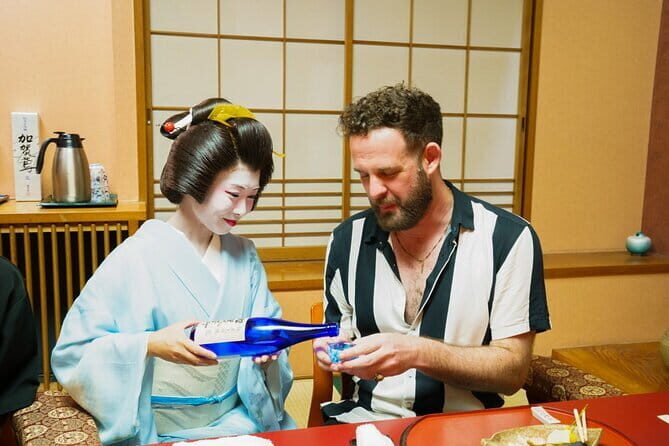
- 2 hours accompanied by geiko (when arranged), with time for Q&A and interactions
- Kaiseki-style dinner paired with unlimited sake
- English live guide who explains the customs behind what you’re seeing
- Small-group feel is possible, especially when the tour runs with fewer participants
- A guided flow to the experience, ending back near a familiar convenience store (FamilyMart)
What you’re paying for: context plus direct geiko/maiko time
At $257 per person for about 3 hours, this is not a bargain dinner. The value comes from two things that many Kyoto “geisha shows” miss: explanations that match what’s happening in front of you, and a longer, more personal chunk of time with performers.
If you’re the type who likes to understand the rules—why things are done a certain way, and why certain traditions take years—this format makes sense. You’re paying for that translation and structure, not just for dinner and a dance.
Also, the dinner isn’t just an add-on. A kaiseki-style meal is included, and that usually means a more formal, course-by-course pacing than a standard restaurant dinner. Then you top it off with unlimited sake, which changes the feel of the evening from “watch and leave” into something closer to an actual night out.
You can also read our reviews of more walking tours in Kyoto

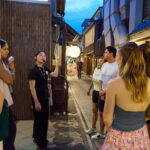
Meeting point at Cacao Market and the smooth start in Gion
You start at CACAO MARKET by MARIEBELLE KYOTO. That matters more than you might think. A clear meeting point in the city helps your evening stay calm, which is important when you’re heading into a neighborhood like Gion where timing can get tight.
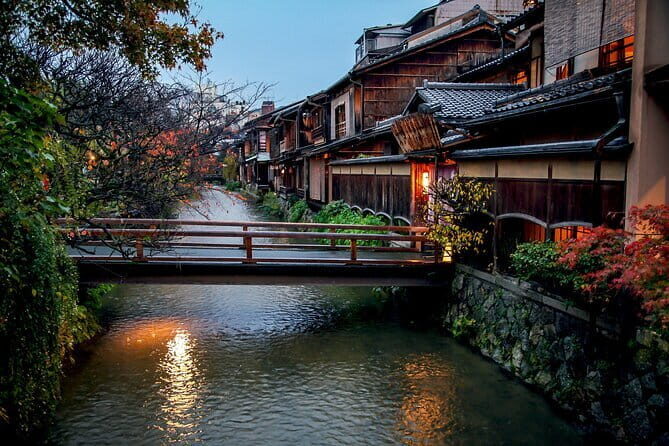
From there, you head into Gion for about 40 minutes on foot. The guide’s job at this stage is basically orientation. You’re not just walking for steps—you’re getting the background that helps you notice details correctly (street layout, cultural significance, and how the district is lived in and understood).
A practical tip: Kyoto evenings can be cooler than you expect, and Gion walking is real walking. Wear comfortable shoes and plan to move at an easy pace.
The Gion walking portion: what you notice changes after your guide speaks
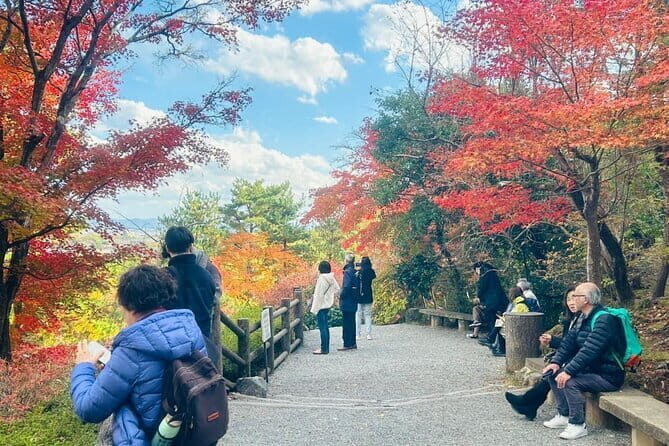
That Gion walk is the bridge between Kyoto-as-postcard and Kyoto-as-culture. The big win here is that you learn what to look for before you reach the dinner setting.
In the feedback I saw again and again, people praised the guides for explaining the lives, history, and traditions of geiko (and maiko when available). Names that came up often included Taiga and Takuma, plus Andi and Endy. The common thread: the guide connects the district’s look with the traditions you’ll experience later in the evening.
Here’s the payoff for you: after the walk, you’ll be less likely to treat the geiko/maiko segment like a random entertainment moment. Instead, you’ll recognize it as performance shaped by training, etiquette, and a role inside Kyoto’s cultural world.
Kaiseki dinner with unlimited sake: how the meal turns into part of the show
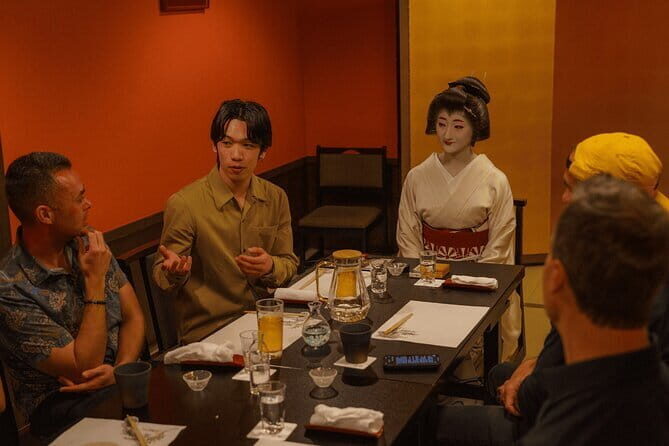
Next comes the restaurant meal, guided throughout for about 2.5 hours total in that local setting portion. The dinner is kaiseki-style, which typically means several courses with careful presentation and pacing. Expect good structure, not a rushed “eat fast” meal.
On top of that, you get unlimited sake. For many people, that’s where the mood clicks into place—conversation loosens, and the night feels less like a formal lecture and more like an evening you’ll remember. If you don’t drink alcohol, you’ll want to pace yourself or skip sake sometimes, since it’s unlimited.
One practical note: extra drinks and extra food aren’t included. So if you have a big appetite (or you’re planning to order something specific beyond what’s part of the course set), keep some spending flexibility.
In several accounts tied to this experience, the food quality and presentation came through clearly—people mentioned the meal being well presented and filling. That’s a solid sign, because nothing ruins a cultural night faster than dinner that’s just filler.
The centerpiece: 2 hours accompanied by geisha/geiko, plus conversation and dance
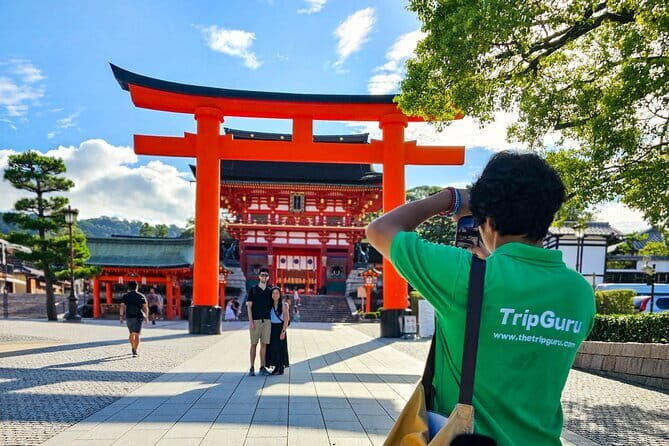
The headline attraction is the time with geisha/geiko and maiko, when arranged. The operator specifically mentions they’ll arrange attendance based on availability of Geiko and Maiko, and in the event they can’t, you’ll be informed early.
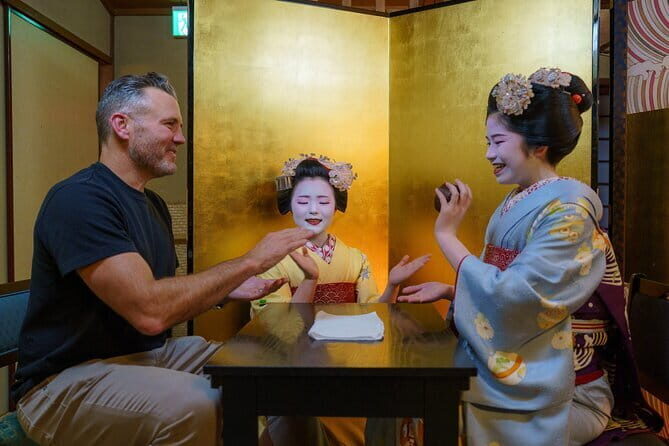
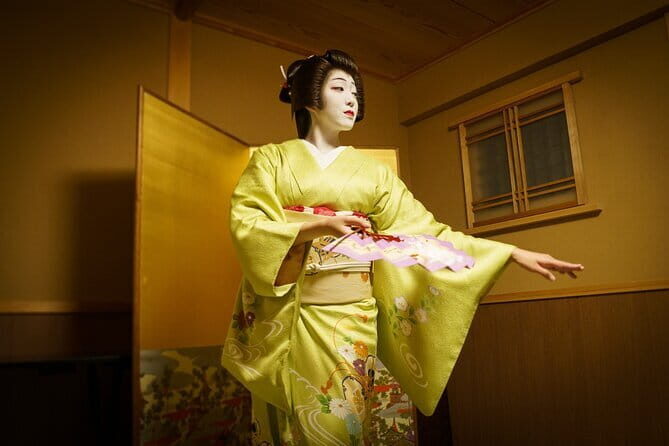
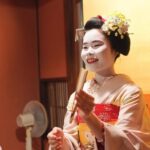
When it works, the evening becomes interactive in a way that feels rare. Many accounts describe the performer as charming, elegant, and willing to answer questions. That’s not a small detail. In a lot of tourism settings, you watch and clap. Here, you’re given room to speak with the performer and ask about what their role is like.
Dance and music are part of the evening, too. Some people noted multiple dances, and at least one account mentioned a performer dancing and then spending time with the group afterward. Another highlight from the feedback: games. One person specifically mentioned playing a game linked to Konpira. That kind of participation is exactly what can turn a “cool story” into a lived memory.
Guides are also repeatedly praised for professionalism and for handling translation in a respectful way. Names that showed up include Taiga and Andi for guiding and translating, and Tomoko for translation support. If you care about cultural etiquette, that matters. It’s usually the difference between feeling like you’re in the way versus feeling invited into the experience appropriately.
A few more Kyoto tours and experiences worth a look


How to get the most from your questions (without turning it awkward)
This is one of those tours where your attitude shapes what you get out of it. You’ll be in a setting where rules matter, so think in terms of curiosity and respect.
A simple strategy:
- Ask about training and the meaning behind what you’re seeing.
- Ask what daily life looks like inside that cultural role (at a level the guide helps you phrase).
- Ask about etiquette—what’s polite, what’s expected, and what visitors commonly misunderstand.
The feedback I saw kept returning to the same theme: guides helped people ask better questions, and the performer had time for Q&A rather than disappearing after a short moment.
If you tend to be shy, don’t worry. The guide’s presence helps you find a comfortable entry point. And if the group is smaller, the conversation can feel even more personal.
Group size, availability, and the one thing to watch closely
This isn’t a totally “set it and forget it” experience. The operator notes the tour requires a minimum of 4 participants. If it falls below that as the date approaches, it may become difficult to operate.
Also, geiko/maiko availability isn’t guaranteed. They may not be able to arrange the attendance depending on schedules. The key point for you: they should notify you as early as possible if that happens.
So how do you manage this risk?
- If geiko/maiko attendance is your must-have, check your confirmation details soon after booking.
- If you’re okay with the cultural walk and dinner context even without the performer segment, you’ll still likely enjoy the night.
Either way, you should go in prepared for the reality of scheduling. Kyoto’s traditions aren’t a movie set; they’re lived and planned around real calendars.
Ending at FamilyMart: a practical close to your evening
The experience ends at FamilyMart. That’s a surprisingly practical detail. It gives you an easy landmark for getting back to your hotel, grabbing water, or picking up a quick snack if the sake and dinner pace left you hungry or just awake.
It also reduces that post-tour confusion. Kyoto can feel complicated after dark if you’re trying to re-navigate, so finishing near something recognizable is helpful.
Who this tour suits best (and who should consider alternatives)
This tour is a great match if you want:
- a cultural evening in Gion, not just a quick photo stop
- a structured introduction to geiko/geisha traditions before the performance
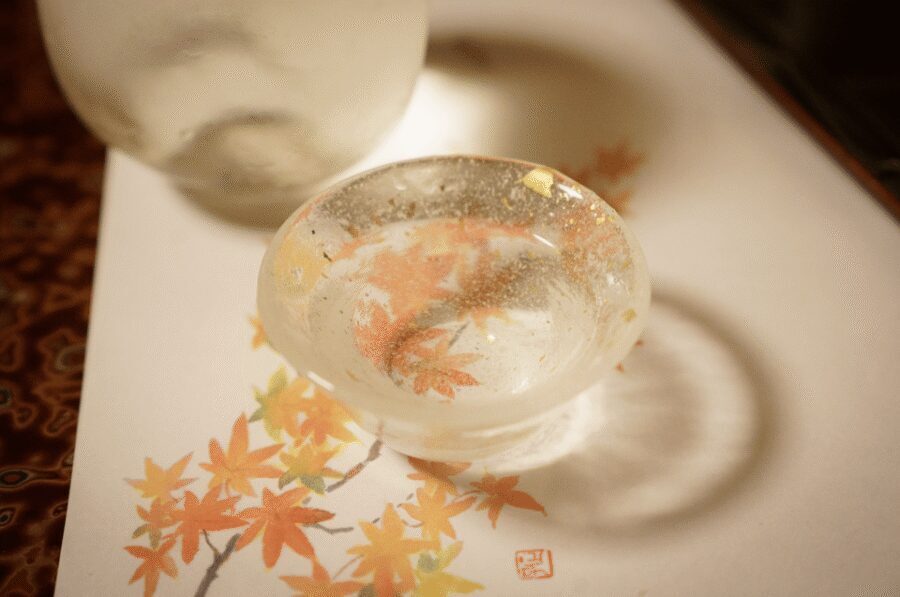
- a more personal dinner format with kaiseki-style food and unlimited sake
- time for questions, not a one-and-done show
It’s probably not the best fit if you:
- expect a long, unsupervised wander around Gion
- only care about the spectacle and don’t want the context from the guide
- are uncomfortable with the idea that the geiko/maiko performer may depend on availability
But if you’re excited by etiquette, storytelling, and the human side of tradition, this fits well.
Should you book Kyoto: Geisha Dinner & Gion Cultural Walk?
I think you should book it if you want a Kyoto night with structure, cultural context, and real interaction. The combination of a Gion walk plus a kaiseki dinner plus 2 hours accompanied by geiko (when arranged) is the kind of package that can turn into a real highlight—especially if you enjoy asking questions and listening closely.
Skip it only if geiko/maiko attendance is an absolute requirement with zero flexibility, or if you prefer DIY sightseeing over guided interpretation. And if you do book, set yourself up for success: arrive a bit early, wear comfortable shoes for the walk, and plan for the fact that extra food or drinks cost extra since only the set meal and sake are included.
If your goal is a respectful, well-paced evening where Kyoto traditions make sense as you experience them, this is a strong pick.