REVIEW · FUJINOMIYA
Tokyo: Mount Fuji 5th Station & Onsen Day Trip
Book on GetYourGuide →Operated by Clover Travel Co., Ltd. · Bookable on GetYourGuide
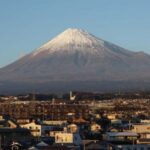
Fuji postcards come with real cold air. I like how this day trip gives you Mt. Fuji at 2,300 meters without a hike, plus a real-onsen break with big mountain views. One thing to think about: guide quality and the exact schedule can vary, especially on busy days, so you’ll want to go in with flexible expectations.
Here’s the setup: you ride out of Tokyo by bus, hit Mt. Fuji’s 5th Station (seasonal), then slow down at Oshino Hakkai before ending with open-air onsen time. If your day doesn’t fall in the 5th Station opening window, you’ll swap to a different Fuji photo stop, so check dates before you lock it in.
Key moments worth planning around
- Mt. Fuji 5th Station (2,300m) photo stops without hiking
- Oshino Hakkai’s eight ponds plus Fuji-water mochi
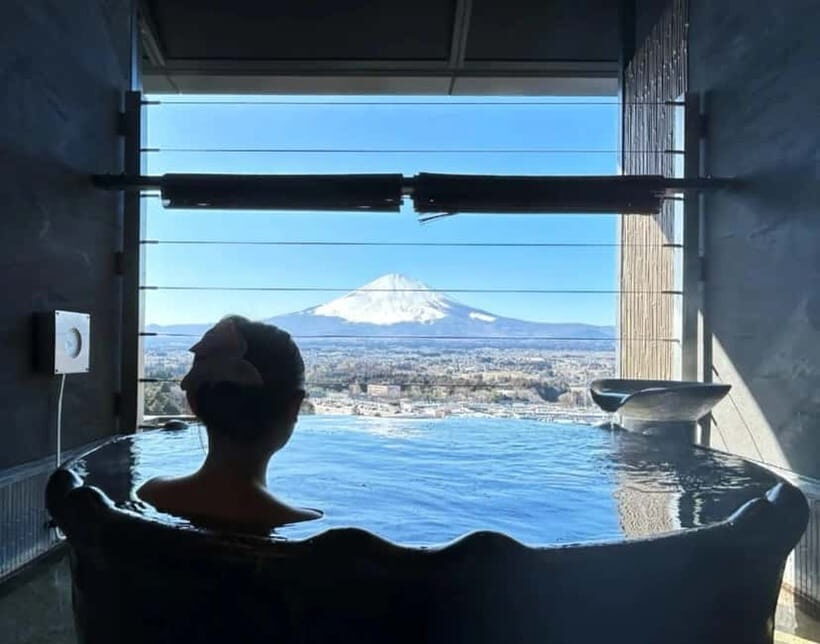
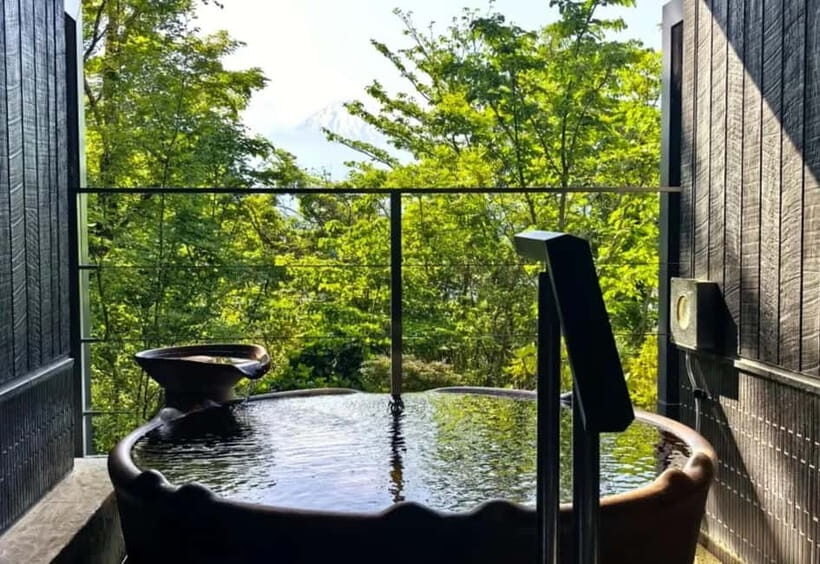
- Konohananoyu Onsen open-air baths with unobstructed Mt. Fuji views
- Shinkurayama Asama Park as the Fuji postcard alternative when 5th Station isn’t open
- Volcanic stone souvenirs at the 5th Station for genuinely Fuji-themed shopping
- English/Chinese live guidance that can range from very helpful to more minimal narration depending on the day
In This Review
- Mount Fuji 5th Station at 2,300m: the no-hike payoff
- If 5th Station is closed: the Shinkurayama Asama Park swap
- Oshino Hakkai: ponds, mochi, and the calm pace reset
- Konohananoyu Onsen: open-air Fuji views, real rules
- One schedule warning: onsen time may not be guaranteed every day
- The Fuji-photo “schedule feel”: bus time, stop timing, and crowds
- Getting the value: what $50 includes (and what costs extra)
- The guide factor: when it works well, it’s excellent
- Who should book this Fuji day trip
- Should you book the Tokyo–Fuji 5th Station & Onsen day trip?
- FAQ
- What are the main stops on this 1-day Mt. Fuji trip?
- When is Mt. Fuji’s 5th Station open?
- Is the hot spring included on every day?
- What should I bring for the trip?
- Are tattoos allowed in the onsen?
- Is there nude bathing in the onsen?
- Is the $50 price enough, or should I budget extra?
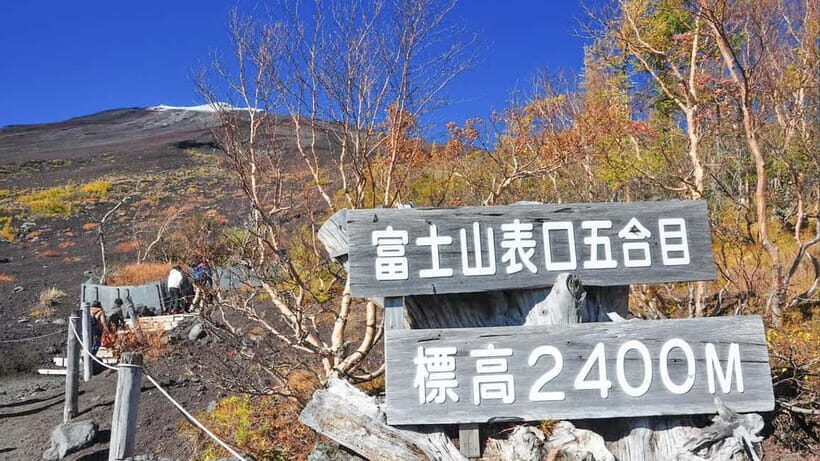
Mount Fuji 5th Station at 2,300m: the no-hike payoff
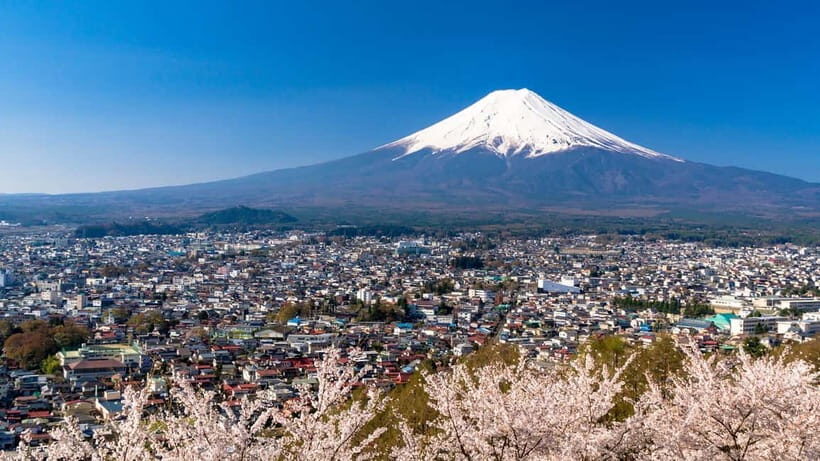
This is built for people who want the Mt. Fuji experience but don’t want to earn it with a climb. You go by bus to the 5th Station, then you get a focused stretch for photos, walking around, and a bit of sightseeing. There’s a reason this works for so many first-timers: you get the altitude vibe and the iconic “I’m actually at Fuji” feeling without committing to long trails.
Your stop time is about an hour, which is enough to take the classic shots, browse, and still feel like you had a real visit instead of a quick drive-by. The altitude can feel chilly, so bring layers. The tour notes specifically call out a light jacket since it can be cooler up around 2,300 meters.
The on-site shopping angle is practical too. You have time to pick up small souvenirs made from volcanic stone, which fits the geology theme better than generic keychains. If you like souvenirs that feel tied to a place (not just a logo), this is one of your best opportunities of the day.
Possible drawback to flag early: a few negative experiences point to less explanation than you might expect. In those cases, the day can feel more like “follow the group” than “learn what you’re seeing.” You can reduce that frustration by having your own quick questions ready for the guide, and by treating the ride-and-photo stops as the main attraction.
If 5th Station is closed: the Shinkurayama Asama Park swap
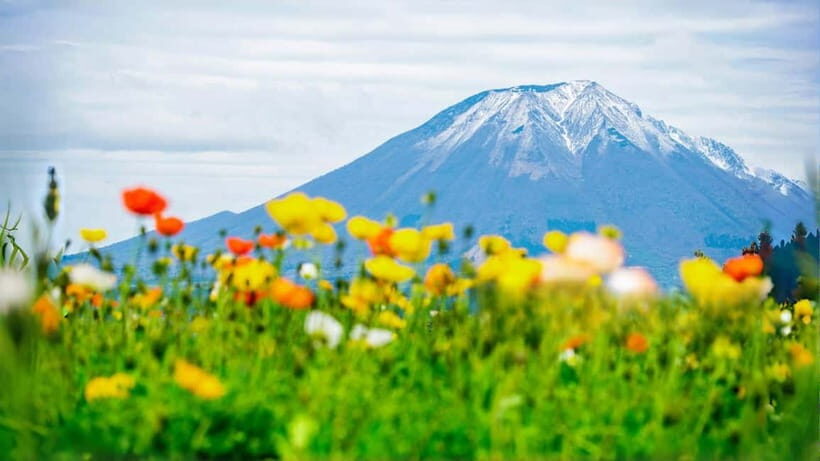
Mount Fuji’s 5th Station is only open from May 10 to November 30. Outside that window, the tour doesn’t force you through a closed area. It swaps in Shintaku-yama Asama Park instead.
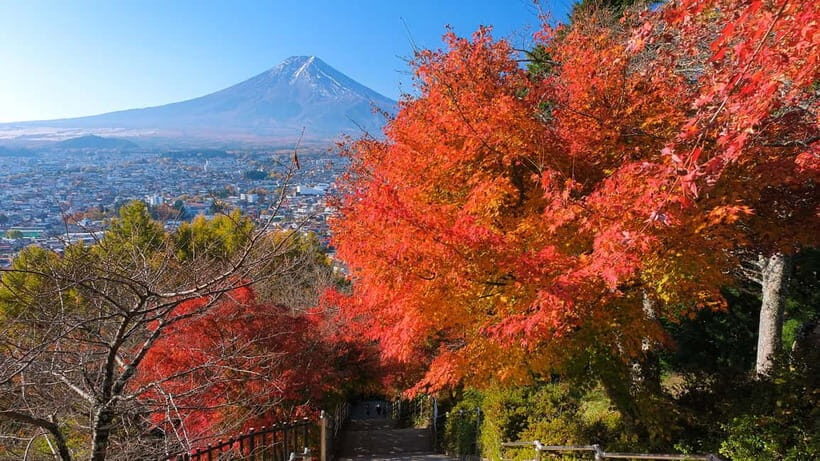
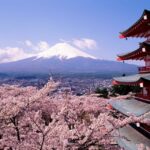
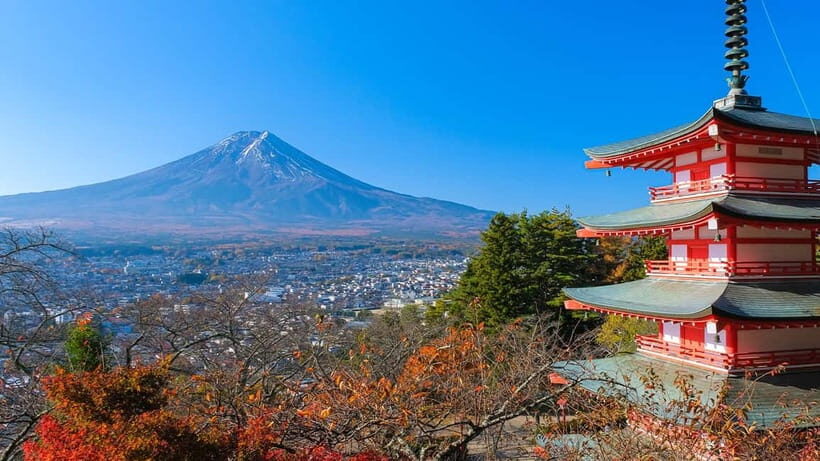
In the season when it’s available, the 5th Station is your “closer to the mountain” moment. But when it isn’t, Shinkurayama Asama Park becomes the Fuji photo strategy. This stop is described as a major postcard viewpoint for Mt. Fuji and traditional Japanese architecture. A standout feature here is the crimson pagoda framed against Fuji—exactly the kind of composition that looks good fast, with or without extra editing.
So the good news: you’re not just paying for “whatever happens.” There’s a built-in Plan B that still targets the visuals Mt. Fuji is famous for.
You can also read our reviews of more tours and experiences in Fujinomiya.
Oshino Hakkai: ponds, mochi, and the calm pace reset
After the Mt. Fuji portion, you head to Oshino Hakkai, a traditional village built around eight crystal-clear ponds fed by Mt. Fuji’s snowmelt. This is where the day slows down from “big photo stop” mode to “wander and look around” mode.
You get a mix of time: photo opportunities, sightseeing, free time, and a lunch window. There’s also street-food time, plus shopping. The walking time is about an hour, which gives you room to stroll without turning your legs into jelly before the onsen.
One detail I really appreciate here is the food touch: you can try mochi made with Fuji spring water. It’s not a “meal included” situation, so you’ll likely pay as you go, but it’s the kind of local bite that feels tied to the pond theme instead of generic tourist snacks.
Oshino Hakkai is also a good place to control your energy for the final leg. If you’re the type who runs from stop to stop, you might feel tempted to cram everything into the first half of the day. Resisting that urge here pays off when you get to Konohananoyu’s open-air baths.
Konohananoyu Onsen: open-air Fuji views, real rules
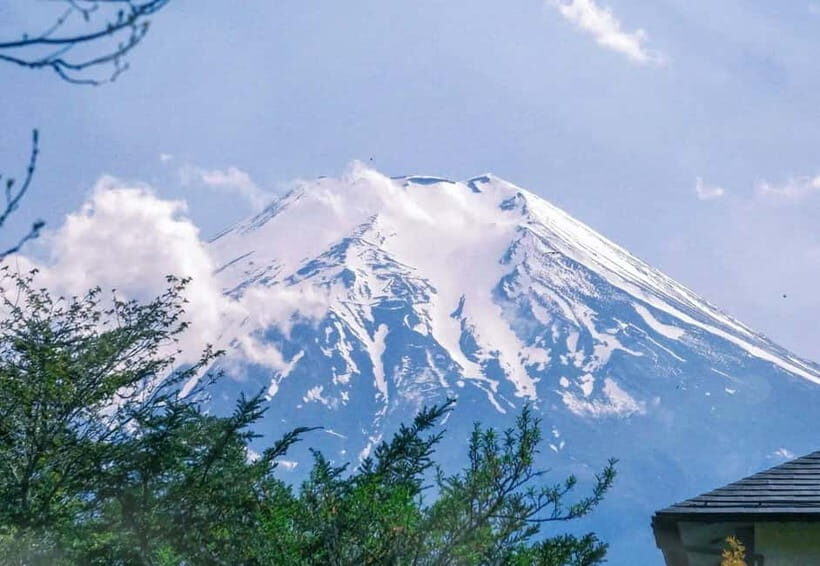
The grand finale is Konohananoyu Onsen, where you get about 2 hours to relax in open-air baths with Mt. Fuji visible. This is the kind of experience that makes the whole day feel like more than sightseeing. The contrast is great: cold air at altitude earlier, then warm water later, with the mountain still in view.
A few onsen basics matter because they affect your comfort level:
- Onsen bathing is nude bathing (you don’t wear swimwear in the water).
- Tattoos must be covered. If they’re not, entry can be refused.
- The onsen includes separate male and female areas.
You’ll also be on the clock, so go in knowing your best strategy: rinse, get comfortable, and don’t spend the entire time overthinking procedure. Some people need extra guidance on day-of onsen flow, and that’s exactly where a strong guide helps. But even if the narration is lighter, you’ll still have enough time to ask staff or check signage once you’re there.
Important extra cost note: the onsen fee is not included, so bring cash. The tour also mentions you may eat a traditional Japanese meal at the rest area, but that’s at your own expense.
One schedule warning: onsen time may not be guaranteed every day
There’s a key detail in the notes that can change your day:
- From Monday to Friday, you can choose between visiting Gotemba Premium Outlets or having the hot spring experience.
- Hot spring arrangements are not available on weekends and Japanese national holidays. You may be able to inquire in person on your own, but it’s not arranged as part of the package.
That means Konohananoyu might be a “yes” on some days and a “maybe not” on others, even though it’s a core part of the typical itinerary. If onsen time is your top priority, double-check the day you’re booking and be ready for an outlet trade instead.
The Fuji-photo “schedule feel”: bus time, stop timing, and crowds
This is a classic Tokyo-to-country day trip rhythm: big ride out, set stops, ride back. The bus segments are roughly:
- Tokyo to Mt. Fuji 5th Station: about 2 hours
- Fuji area to Oshino Hakkai: about 30 minutes
- Oshino Hakkai to Konohananoyu: about 30 minutes
- Onsen area back to Tokyo: about 2 hours
That adds up to a full day, but it’s not exhausting in the hiking sense—it’s more about staying patient. On weekends and holidays, the tour specifically warns you about crowds and traffic delays, and that the route order and stays can shift for efficiency.
This matters for two reasons:
- Your “photo moment” may be more crowded than usual.
- The day can feel rushed if you expect a relaxed, teacher-style tour.
Bus size and comfort also show up as a theme in mixed feedback. One criticism mentions a crowded, small bus and limited explanation when arriving. The practical fix is simple: pack water and plan your expectations. You’re there to see Fuji sights and soak in an onsen (if scheduled), not to attend a museum lecture.
A small but helpful detail: the tour prohibits smoking and also prohibits food and drinks in the vehicle, so you’ll want to handle snacks outside the bus.
A few more Fujinomiya tours and experiences worth a look
Getting the value: what $50 includes (and what costs extra)
At about $50 per person, this is priced like a value-focused day trip. The big inclusions are:
- a professional tour guide
- round-trip transfers to and from the meeting point locations
That’s why the price can work: the ticket isn’t just for sight access. It’s also covering transportation orchestration between Tokyo, Fuji, Oshino Hakkai, and the onsen area.
What you should budget for separately:
- Meals (not included)
- Onsen fee (not included)
- other personal spending like souvenirs
- and if you’re bringing very young kids, paid attraction tickets for children aged 0–3 are not included
So the financial math depends on your travel style. If you like buying lunch, using the onsen, and grabbing 1–2 Fuji souvenirs (very likely here), you’ll spend more than $50. If you already plan to bring snacks for breaks and only buy a couple souvenirs, it can still feel like a smart deal.
The guide factor: when it works well, it’s excellent
The tour emphasizes live guidance in English and Chinese, and in some cases, it’s very effective. In particular, one guide name showing up clearly is Lin Tian Anna, described as friendly and professional, with good organization and helpful tips on maximizing time at stops and choosing souvenirs.
That kind of guidance changes your day. When a guide points you to the best spots and gives quick context, stops feel richer even when the time is short. It also helps for the onsen transition—people who don’t do onsens often appreciate a fast explanation of what to do once you arrive.
But there is also a caution from mixed experiences: some days the guide narration may feel minimal, leaving you to follow cues more than learn details. A few reports describe being handed off with little explanation and a day that felt more like timed stops than guided sightseeing.
My practical advice: treat the guide as a bonus, not a guarantee. The itinerary itself delivers the main elements—Fuji views, Oshino Hakkai, and onsen time when scheduled—but your enjoyment can swing based on how much the guide actively explains.
Who should book this Fuji day trip
This tour is a strong fit if you want:
- Mt. Fuji without hiking, with a proper stop at the 5th Station
- a Japanese village break at Oshino Hakkai, not just a photo stop
- open-air onsen time with Mt. Fuji views, if your travel day includes it
It’s less ideal if you:
- are pregnant
- have mobility impairments, need a wheelchair, or are over 70
- need a highly flexible pace or private access—this is still a group day with timed stops
It’s also worth noting that kids can join only with specific constraints. Children aged 0–3 may join, but you need to consult customer service in advance for safety reasons.
Should you book the Tokyo–Fuji 5th Station & Onsen day trip?
Book it if your main goal is simple: see Mt. Fuji up close by bus, experience Oshino Hakkai’s ponds, and—on the right day—end with an open-air onsen view. For the price, the included round-trip transfers plus a guide make it a workable, low-effort way to hit several iconic stops in one day.
Skip or reconsider if onsen time is non-negotiable and your dates fall on weekends or Japanese national holidays. Those days may trade hot spring arrangements for other options like Gotemba Premium Outlets (or leave the onsen as something you’d have to arrange yourself). Also, if you’re the kind of traveler who expects constant narration and detailed site explanations, be mentally prepared that the guide experience can vary.
If you want, tell me your travel dates and whether you’re shopping-minded or onsen-focused—I can help you decide what to prioritize for your specific day.
FAQ
What are the main stops on this 1-day Mt. Fuji trip?
You’ll go from Tokyo to Mt. Fuji’s 5th Station for photos and sightseeing (when open), then to Oshino Hakkai, and then to Konohananoyu Onsen for about 2 hours of relaxation, with the full route returning to Tokyo by bus.
When is Mt. Fuji’s 5th Station open?
Mt. Fuji 5th Station opening period is May 10 to November 30. Outside that window, the tour visits Shintaku-yama Asama Park instead.
Is the hot spring included on every day?
The notes say hot spring arrangements are not available on weekends and Japanese national holidays. Also, Monday to Friday you can choose between Gotemba Premium Outlets and a hot spring experience.
What should I bring for the trip?
Bring comfortable shoes, sunglasses, a camera, water, and comfortable clothes. The tour also suggests bringing cash and a light jacket because it can be cooler at higher altitude.
Are tattoos allowed in the onsen?
No. The tour states that guests with tattoos must cover them; otherwise entry to the onsen will be refused.
Is there nude bathing in the onsen?
Yes. The tour notes that Japanese onsens require nude bathing.
Is the $50 price enough, or should I budget extra?
Meals are not included, and the onsen fee is not included. You’ll also spend money on personal items like souvenirs, so budgeting extra cash is a good idea.