REVIEW · KANAZAWA
From Kanazawa: Shirakawa-go, Gokayama and Wood Carving Art
Book on GetYourGuide →Operated by Machinovate Japan Ltd. · Bookable on GetYourGuide
That carved-temple feeling starts fast. You’ll spend one day hopping through woodcraft villages and two UNESCO-area cultural stops, finishing with time to roam Shirakawa-go on your own.
Two things I really like: the hands-on Japanese paper-making in Gokayama and the chance to see (and spot) serious craft in Inami’s woodcarving town. One thing to consider is the day can feel packed in winter, and Shirakawa-go can be busy when crowds swell.
In This Review
- Key takeaways before you go
- Kanazawa to Inami: where woodcarving turns into a street-level scavenger hunt
- Zuisenji Temple: carved walls that feel like entering a fortress
- Gokayama’s Ainokura: the washi paper workshop that becomes a real hands-on lesson
- Lunch reality in the mountains: plan for flexibility
- Shirakawa-go: gassho houses, guided orientation, and two hours to roam
- How the day stays manageable (even when it’s cold)
- Matcha break in Shima: the pause you might not expect
- Price and value: is $180 for a full day worth it
- Who should book this tour
- Quick practical tips before you go
- Should you book this Kanazawa-to-craft day trip?
- FAQ
- What time does the tour start from Kanazawa Station?
- Where do I meet the guide at Kanazawa?
- Is lunch included in the price?
- What’s included besides transportation?
- Is there paper-making year-round?
- How much free time do I get in Shirakawa-go?
- Where does the tour end?
Key takeaways before you go
- Inami woodcraft town + Zuisenji Temple: carved gates and animals that make you slow down.
- Ainokura paper-making: yes, you get your hands wet, and you leave with a real souvenir.
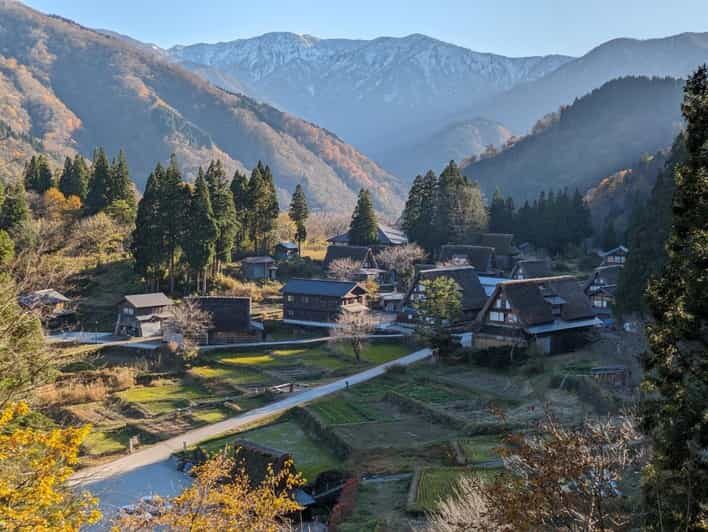
- Two UNESCO-area experiences: Gokayama (Ainokura) and Shirakawa-go in one day.
- Guided time plus room to wander: you get explanations, then a couple hours to explore Shirakawa-go solo.
- Bring lunch or snacks if you care about food: lunch is not included, and timing can shift.
Kanazawa to Inami: where woodcarving turns into a street-level scavenger hunt
You start the day at Kanazawa Station, meeting your English guide near the Information Center close to the Shinkansen Ticket Gates. From there, you board the bus at the bus terminal on the Kanazawa Port side. If you travel in the summer, note the start time changes to 8:30 A.M. from June 1; otherwise it’s 9:00 A.M.
Once you’re on the road, you’ll ride about an hour through the Hokuriku region’s mountains and plains. This stretch matters more than you might think. In the winter, it’s when you settle in, put on layers, and get your bearings. In bad weather, it’s also a comfort factor: you’re not doing long outdoor walks between stops.
When you arrive in Inami, you’re entering an area known for woodcarving. The town has over 100 professional traditional woodcarvers, and the craft shows up like a second language. Instead of only seeing finished products behind glass, you’re moving along a main street where shops, carvings, and details feel woven into everyday life.
One of my favorite “only-in-this-place” moments is the cat theme. You’ll be encouraged to look for cats tucked into the scene—some are hidden in obvious places like doorways and signboards, others are tucked up high or around shop corners. The town association says there are 32 cats to spot, but lots of shops have made their own versions. Even if you’re not a cat person, it’s an easy way to keep your attention on details as you walk.
You can also read our reviews of more tours and experiences in Kanazawa.


Zuisenji Temple: carved walls that feel like entering a fortress
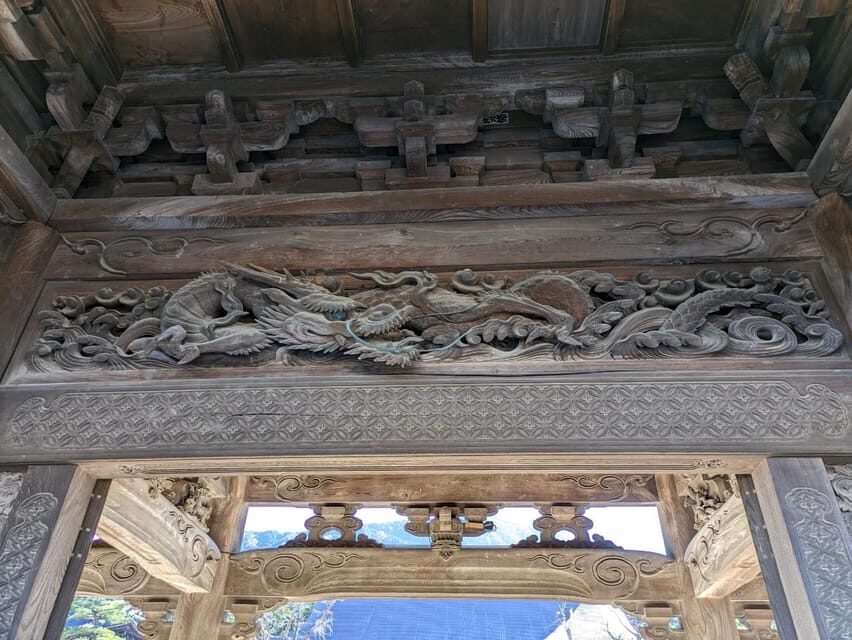
Inami’s craft focus centers on Zuisenji Temple, a site with giant walls that can give you that castle-like approach feeling. The temple was originally built in the 1300s, burned down in 1735, and was rebuilt with help from a famous wood carver from Kyoto. That matters, because it explains why the carvings feel both “heritage” and “master-level.”
The carvings aren’t just decorative. You can see intricate designs on gates, plus animals spread across the grounds. Think dragons, lions, elephants, and other famous creatures—more like a carved bestiary than a few small motifs.
You’ll get entry to the temple included, so you’re not juggling tickets or timing. The practical upside: your guide can point out what to look for so you don’t just pass through and hope you caught the good parts. The pacing here also sets up the day. You leave Inami with the feeling that craftsmanship is the point, not just a photo stop.
Possible drawback to plan around: Inami is smaller, and some shops may not be open for browsing at every hour. If your goal is to buy lots of small pieces, don’t assume everything will be stocked and ready. You’ll still see high-quality work, but I’d set expectations that you’re there for the experience as much as for shopping.
Gokayama’s Ainokura: the washi paper workshop that becomes a real hands-on lesson
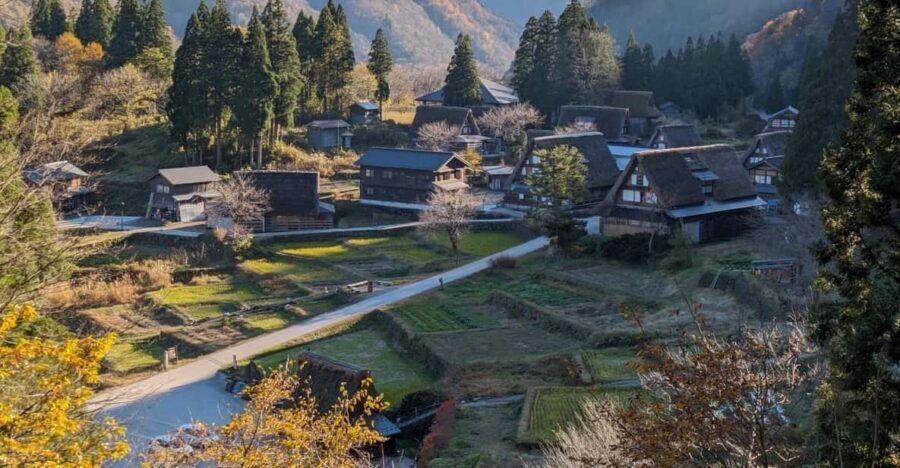
After Inami, you head toward Gokayama, one of the UNESCO-area regions (the tour focuses on Ainokura / Ai-no-kura, one of the best preserved villages there). The bus ride is about 35 minutes, and it’s usually enough time for your guide to frame what you’ll see next.
Ainokura is secluded compared to bigger cities, and that isolation is part of why the village layout and old-world feel still reads so clearly. This is a place where economic life wasn’t only about farming. The area was important for agricultural production and sake, but also for manufacturing things like gunpowder and paper. That background adds weight to the workshop later, because you realize paper wasn’t a “cute craft”—it was tied to how the region survived.
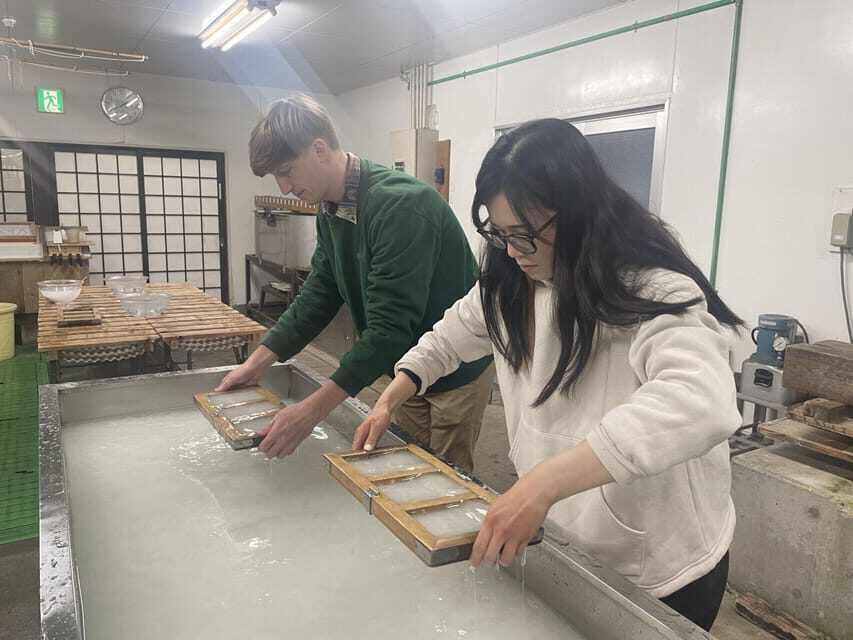
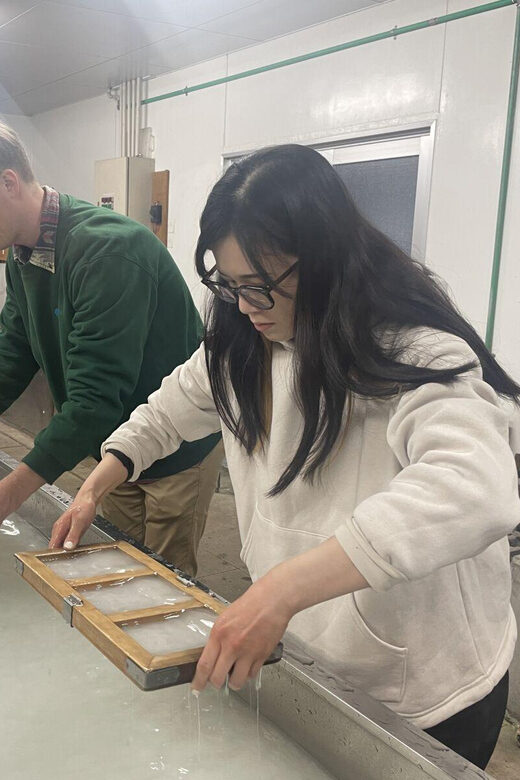
Then you get to the main event: traditional Japanese paper-making. You’ll meet the workshop portion as part of the guided flow, and it’s designed for you to actually do the work, not watch from afar. Expect to get your hands wet using traditional methods. The exact steps vary by workshop, but the experience is built so you’ll understand how time, texture, and plant fiber turn into a sheet you can keep.
Seasonal note you should take seriously: from December 27 to January 3, the papermaking experience does not run. If you’re visiting right around those dates, don’t count on making washi.
Lunch reality in the mountains: plan for flexibility
Lunch is not included, and it’s also not guaranteed to happen at one fixed spot. The tour typically allows lunch time in Ainokura, but depending on circumstances it may happen back in Inami. The practical message is simple: if you have dietary needs or strong preferences, bring your own lunch or at least plan to have snacks on hand.
This matters because when you’re traveling in rural areas, access to food can be limited. Also, you don’t want to lose your best energy for the day waiting around hungry.
Shirakawa-go: gassho houses, guided orientation, and two hours to roam
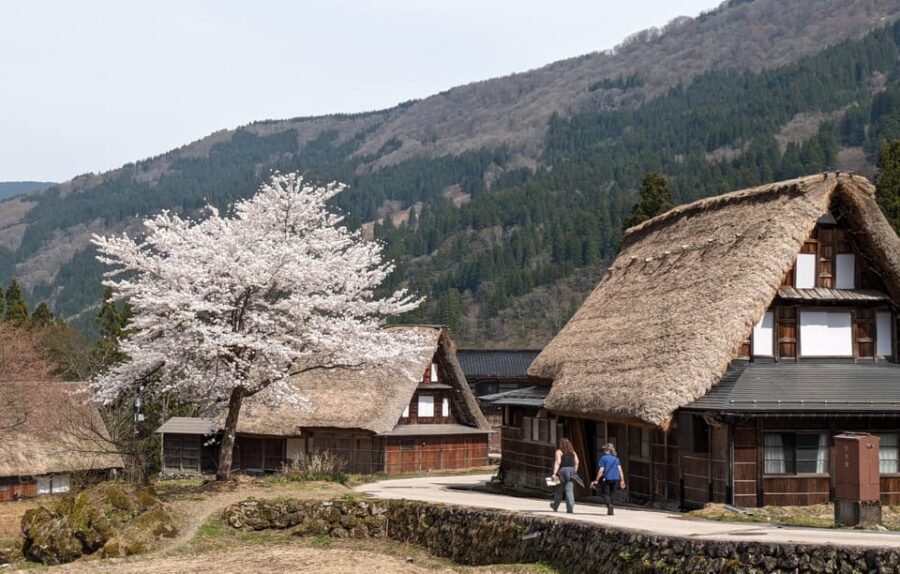
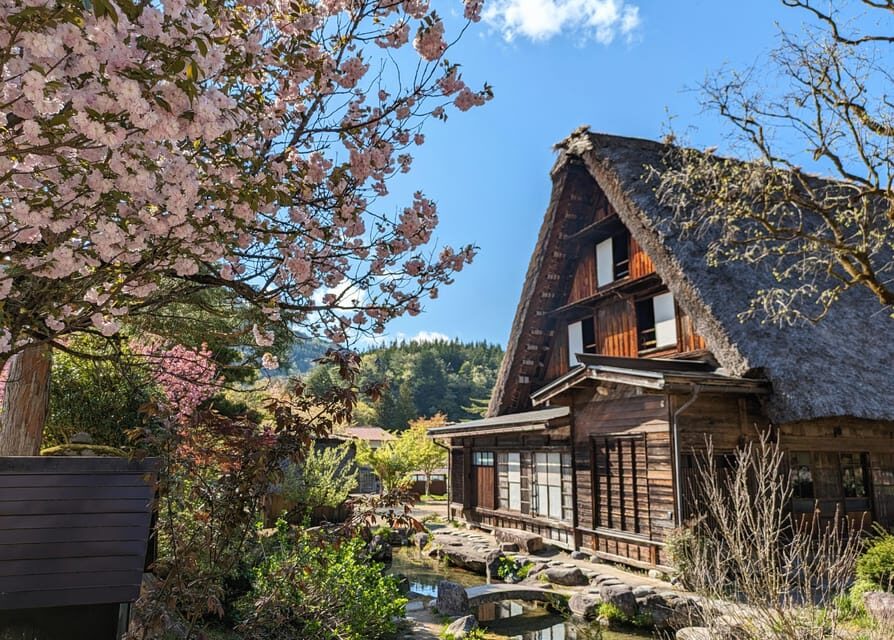
From Gokayama, the bus ride to Shirakawa-go takes about 40 minutes. Shirakawa-go is the stop most people have heard of, and it’s easy to understand why: the village’s thatched-roof gassho farmhouses create a townscape that looks like it belongs in an old storybook.
When you arrive, you start on the main street for a guided tour. You’ll also enter one of the thatched-roof houses, which is a big deal because it turns “I saw a roof” into “I understand how people lived under that design.” After that, you get free time for about two hours.
That mix—guided first, then solo—works well for two reasons:
- You get the context so your photos and your observations actually mean something.
- You can move at your own speed once you know what to look for.

How the day stays manageable (even when it’s cold)
The itinerary is built around bus time, not constant walking. You’ll spend about:
- 1 hour driving from Kanazawa to Inami
- 35 minutes to Gokayama
- 40 minutes to Shirakawa-go
- a little over 1 hour (about 80 minutes) back toward Kanazawa
That rhythm means you can warm up between outdoor stretches. In winter, this is a comfort advantage. People also like this because you’re not stuck standing in cold wind waiting for the group to catch up.
It’s also a smart time for questions. Your guide is with you most of the day, and bus rides are when you can ask things that don’t fit into a temple lecture—like how daily life works in the regions you’re seeing.
Matcha break in Shima: the pause you might not expect
One of the tour’s highlights mentions a matcha experience at Shima, described as a heritage site with classic architecture. The day’s core is woodcarving and UNESCO villages, but this kind of stop is useful because it breaks up the “schedule intensity” and gives you a cultural reset.
Because the full stop order isn’t laid out in the details here, treat it as something that may be included as part of the day’s experience rather than a guarantee of exact timing. If you care about it, ask your operator which departures include Shima.
Price and value: is $180 for a full day worth it
At $180 per person for a 1-day tour, you’re paying for more than transportation. You’re also getting:
- An English-speaking guide
- Temple entry at Zuisenji
- Guided touring support in Inami and at Shirakawa-go
- The Japanese paper-making workshop fee
Lunch and accommodation are not included, which is common on day trips, but you should budget for it separately. Your best way to judge value is to compare what you’d otherwise piece together: getting to rural villages like Inami and Ainokura efficiently, then still making time for guided explanations and a workshop.
Also, the experience tends to feel better when groups are not huge. Some small-group days stay calm and allow more conversation with your guide. If you’re sensitive to cramped vehicle space, choose departures that advertise small-group comfort (or simply mention you prefer a less packed van).
Bottom line: if you want one day that covers woodcraft + hands-on washi + two UNESCO-area cultural stops, this price can make sense. If you mainly want Shirakawa-go only, you might prefer a lighter plan.
Who should book this tour
Book it if:
- You’re in Kanazawa and want an efficient day trip into the rural heart of Honshu.
- You like cultural activities you can do, not only watch—especially washi paper-making.
- You care about craft details, from Zuisenji’s carvings to the Inami cat-spotting street atmosphere.
- You want guided context for Shirakawa-go, then the freedom to wander for photos and pacing.
Skip or reconsider if:
- You dislike schedule-heavy days in cold weather.
- You’re hoping for maximum shopping time in Inami (some shops may not have the hours or variety you want).
- You’re very sensitive to crowded sightseeing spots, because Shirakawa-go can attract plenty of visitors.
Quick practical tips before you go
- Wear layers. Even with warm bus rides, temple and village walking can feel chilly fast.
- Bring a small snack or lunch plan. Lunch is not included, and the location can shift.
- Have cash or a card ready for small purchases, especially if you’re interested in wood carvings.
- Build time for photos, but also pause for looking. The point here is detail.
Should you book this Kanazawa-to-craft day trip?
If you want a day that feels like rural Japan rather than just a famous postcard, I think this tour is a strong choice. Inami gives you woodcarving culture in human scale, Ainokura turns paper into something you physically make, and Shirakawa-go still delivers the big UNESCO wow—without making you plan every connection yourself.
That said, the only real “make sure” items are practical: pack for cold, plan for lunch, and understand that papermaking isn’t offered from Dec 27–Jan 3. If those fit your trip, you’ll likely come away with more than photos—you’ll leave with a craft souvenir and a clearer picture of how these mountain communities survived.
FAQ
What time does the tour start from Kanazawa Station?
The tour starts at 9:00 A.M., and from June 1 it starts at 8:30 A.M.
Where do I meet the guide at Kanazawa?
The guide meets you near the Information Center near the Shinkansen Ticket Gates at Kanazawa Station, and you then board the bus at the Kanazawa Port side bus terminal.
Is lunch included in the price?
No. Lunch is not included, and the tour notes lunch time may be in Ainokura or possibly Inami depending on circumstances.
What’s included besides transportation?
You get an English-speaking guide, entry fee at Zuisenji Temple, guided tours in Inami and Shirakawa-go, and the Japanese paper-making experience fee.
Is there paper-making year-round?
Paper-making is not available from December 27 to January 3.
How much free time do I get in Shirakawa-go?
You get about 2 hours of free time in Shirakawa-go after the guided portion.
Where does the tour end?
Drop-off options include Kanazawa Station or Takayama, depending on the booking option.