REVIEW · TOKYO
Tsukiji Fish Market Guided Tour and Sushi Making with Pro Chef
Book on Viator →Operated by Japan Wonder Travel · Bookable on Viator
Tsukiji teaches you faster than a guidebook. I love how this tour pairs a real outer-market walk with a hands-on sushi class, and I especially liked learning the “why” behind ingredients through a pro chef. The one drawback to consider is that you may want more food-stall tastings than what’s built into the class, since a lot of sampling happens à la carte.
You start at Tsukiji Honganji Temple, then move through multiple market zones before heading to a classroom-style setup tucked inside the area. I also like that you’ll make five nigiri plus a rolled sushi, and then eat what you create with classic pairings like dashi soup and fresh green tea. Still, the experience isn’t for everyone: the course is not designed for vegetarian, halal, gluten-free, or kosher needs, and the classroom is up a flight of stairs.
In This Review
- Key things I’d bet on (before you book)
- Why Tsukiji Outer Market Still Feels Worth Your Time
- Tsukiji Honganji Temple Start: More Than a Photo Stop
- The Market Walk: What You Actually Learn While You’re Walking
- From Stalls to a Classroom: How the Sushi Lesson Is Set Up
- Making Nigiri: What You’ll Practice (Not Just Watch)
- The Lunch Portion: Eating Your Sushi With Traditional Pairings
- Price and Value: Is $104.13 Worth It?
- Who This Tour Fits Best (And Who Might Prefer Something Else)
- Booking Tip: Small Things That Prevent Big Stress
- Should You Book This Tsukiji Fish Market and Sushi-Making Tour?
- FAQ
- Where does the tour meet?
- What do I need to bring?
- How long is the tour?
- What does the sushi class include?
- Where is the sushi-making classroom located?
- Do they accommodate dietary restrictions like vegetarian, halal, or gluten-free?
- Is the fish market inside Tsukiji included?
- What’s the group size?
- What if I’m late on the day of the tour?
- Can I cancel and get a full refund?
Key things I’d bet on (before you book)
- Pro-chef instruction: you’ll learn nigiri step-by-step and make your own lunch
- Tsukiji Outer Market focus: you’ll see the market area people shop, not the inner wholesale business
- Structured stops: temple start, then Tsukiji market areas in a tight 4-hour loop
- Small-group feel: up to 22 people, so you’re not swallowed by a giant crowd
- Meal included: you’ll eat your sushi plus additional sushi from the sushi master
- Easy-to-miss logistics: meeting place is the front of Tsukiji Honganji-Temple, and they leave on time
Why Tsukiji Outer Market Still Feels Worth Your Time
Tsukiji is famous for seafood, but a big part of the original chaos moved out years ago. This tour smartly sticks with what’s still active and accessible: the outer market and a mini wholesale area. That matters for your experience because you get a chance to see the shopping side of Tsukiji—what people pick up for breakfast, lunch, and dinner—without needing access to the closed inner operations.
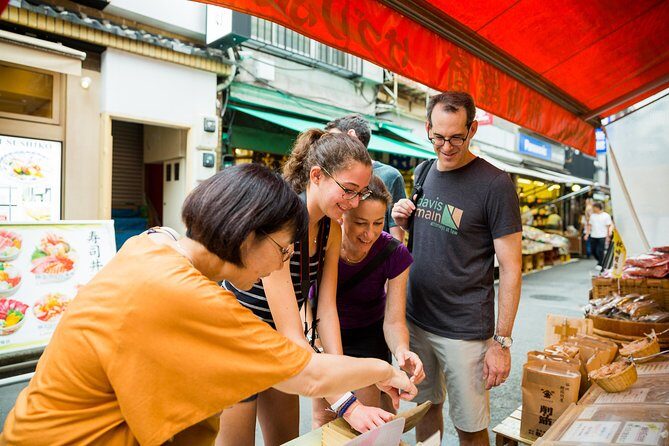
Even better, you’re not just wandering. A guide keeps you pointed at the right spots and explains what you’re looking at, including the cultural layer that makes the market make sense (shrines/temple customs, how Japanese food culture is tied to seafood, and how ingredients travel from catching to selling). If you’ve ever felt overwhelmed in a food market, this format helps you get your bearings fast.
You can also read our reviews of more guided tours in Tokyo

Tsukiji Honganji Temple Start: More Than a Photo Stop
The tour kicks off at the main gate of Tsukiji Honganji-Temple. It’s not a random add-on. Starting at the temple area sets a tone of respect, and it also gives you context for the rules of behavior you’ll see around markets and religious spaces.
Two practical details make a difference here:
- Use Google maps carefully; it’s specifically noted that Google can lead you to the back side, while the meeting point is the front.
- They leave sharp at start time, and the guide can’t wait for late arrivals—no extensions if you’re behind schedule.
If you like learning the small etiquette rules—how to pray, what to notice—it’s a nice way to start before you hit the market sensory overload.
The Market Walk: What You Actually Learn While You’re Walking
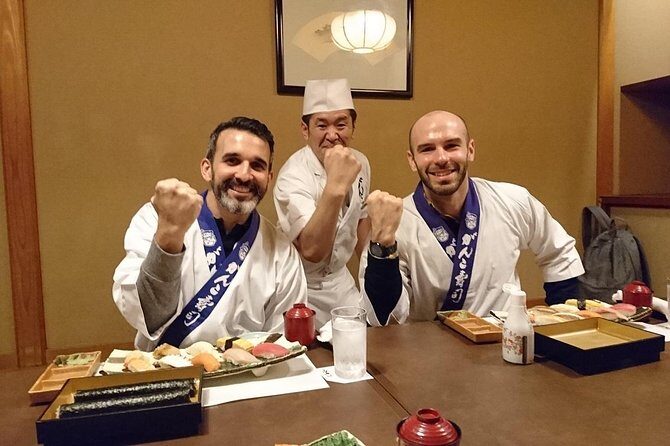
Once you’re in the market zones, you’ll cover multiple areas:
- Tsukiji Fish Market
- Tsukiji Jogai Market
- Tsukiji Nippon Fish Port Market
- plus the introductory sightseeing blocks your guide connects in between
This part is worth doing with a guide because Tsukiji can be visually loud. Without direction, you end up staring at fish cases and trying to guess what you’re seeing. With direction, you learn how the market world works: how products get caught, distributed, and sold, and how different kinds of food and utensils connect to that process.
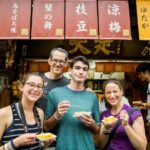
A few review-driven themes show up again and again: guides like Ko, Monami, Sachi, Mari, Yuki, and Tad are praised for being patient, speaking clear English, and sharing practical food recommendations that help you judge quality and price while you’re walking. And several people liked that the guide didn’t rush them through the area.
One heads-up: this is a walking tour with a schedule. You’ll want comfortable shoes because you’re doing market steps for the better part of the morning.
From Stalls to a Classroom: How the Sushi Lesson Is Set Up
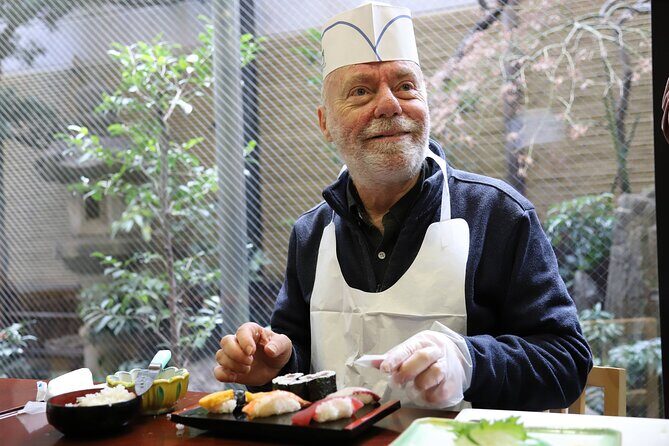
After the market walk, you move into a sushi-making experience taught by a pro chef. The classroom is described as a hidden local building in the center of the market area, and it’s in a traditional Japanese building.
Here’s what you should know before you get there:
- The classroom is on the third floor and it’s stairs-only.
- The venue might be held in Asakusa or Yotsuya depending on availability. If that happens, the tour ends there, and it can’t be announced until the day of the tour.
I like this “market first, classroom second” sequence because it makes the skills feel useful. You’ve just seen the ingredients and the seafood world; then you learn how to treat it properly and shape it into nigiri. That connection is what turns the lesson from a cooking stunt into a real food education.
Making Nigiri: What You’ll Practice (Not Just Watch)
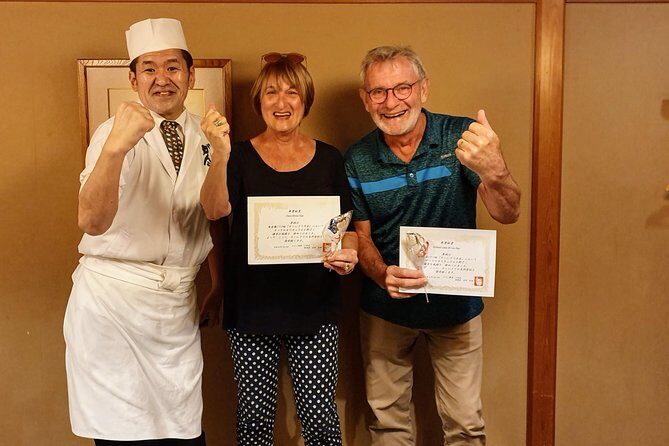
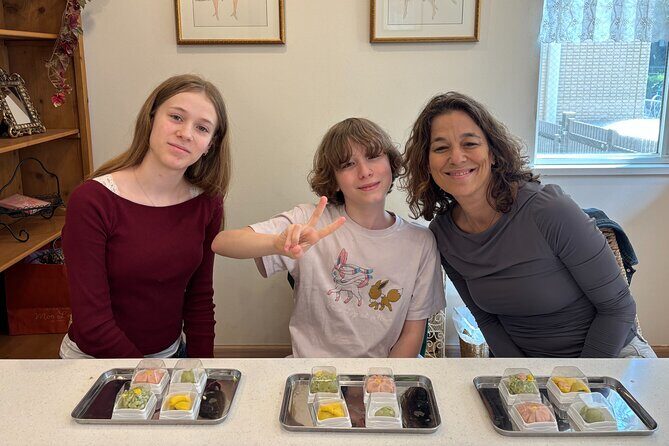
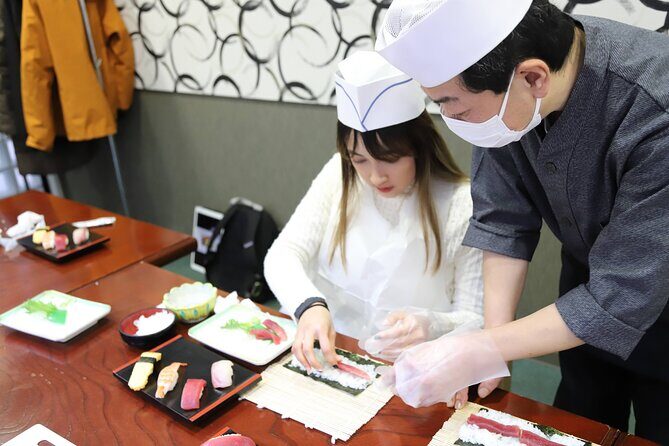
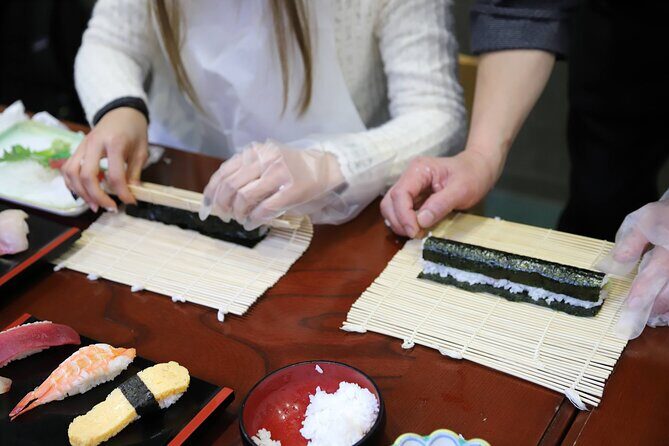
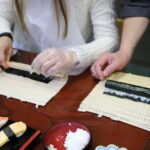
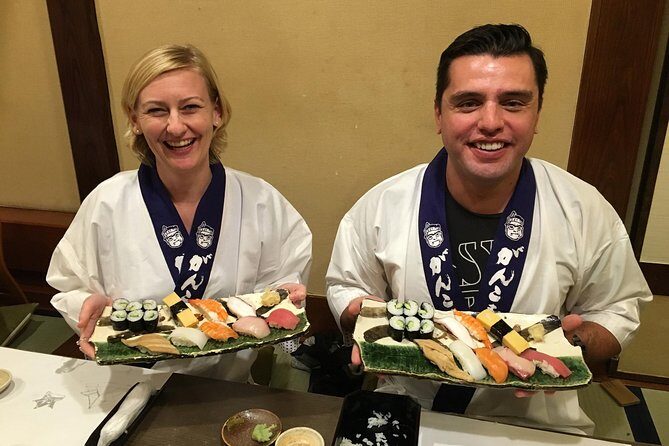
This is the heart of the experience: you’ll learn to make 5 types of nigiri sushi plus one rolled type. You’re taught step-by-step in a short, structured format, with the sushi master demonstrating key techniques.
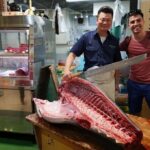
One of the most praised bits from reviews is the chef’s skill—especially detailed technique like deboning fish accurately. That kind of demonstration changes how you look at sushi at home. It’s not just rice and fish; it’s precision and respect for the product.
You’ll also get a wasabi moment. The sushi master provides expertly prepared wasabi fresh, and that’s important because it’s usually the part people guess at when they try making sushi later.
If you’re the type who likes doing, not just listening, you’ll probably enjoy this. Multiple reviews describe the class as laid-back and interactive, with staff helping you get it right.
You can also read our reviews of more shopping tours in Tokyo


The Lunch Portion: Eating Your Sushi With Traditional Pairings
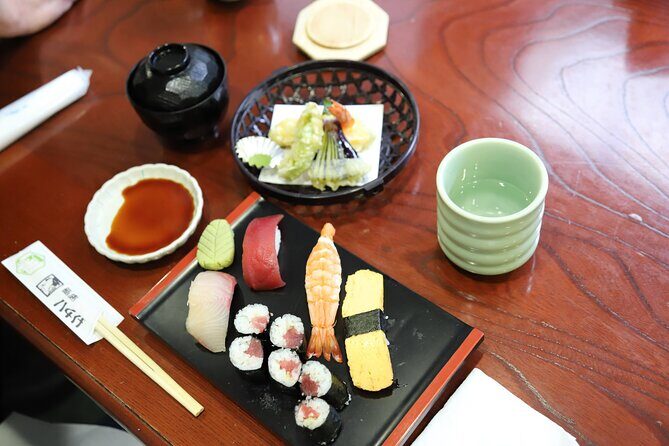
After the hands-on work, you eat what you made. Your lunch includes:
- your sushi creations
- additional sushi prepared by the sushi master
- dashi soup
- and finest green tea
- with wasabi as part of the setup
This is a big value point. Many cooking classes teach you how but don’t feed you a proper meal at the end. Here, the class ends with a meal that matches what you practiced, so you leave with both skills and an actual taste experience.
One useful detail: green tea is provided, and while people talk about street-food spending separately, it’s still a good idea to bring your own water if you tend to get thirsty during active tours. The tour provides green tea as part of the meal and pairing, but bottled water isn’t guaranteed.
Price and Value: Is $104.13 Worth It?
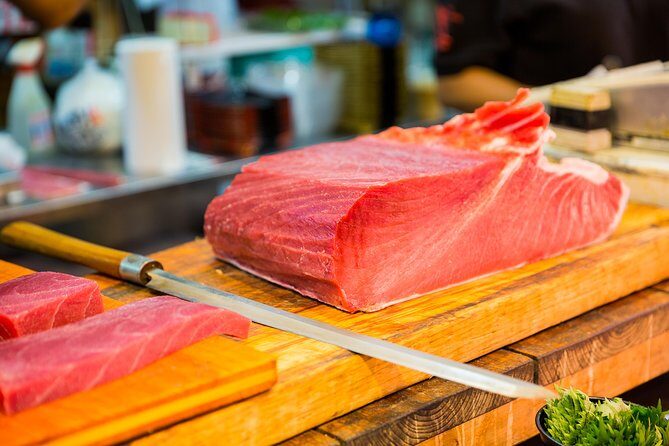
At $104.13 per person for about 4 hours, the value comes down to what you want from Tsukiji.
If you want:
- a guided explanation of what you’re seeing in Tsukiji’s outer market
- a hands-on sushi class led by a pro chef
- and lunch built around the sushi you make
…then this price is pretty reasonable. You’re paying for structure, translation help, and the chef’s time—not just entry to a market.
Where the value can feel uneven is if you were expecting the market portion to include lots of extra tastings. One review called out that the market walk felt more like basic stops and that you might have wanted more included sampling. Also, the market is a place where you can buy additional street food, and at least one review recommends bringing cash because you might end up spending on snacks beyond the class.
So my advice: treat the included lunch as the meal anchor, and keep your expectations realistic about additional sampling. Bring yen, but don’t assume everything you taste will be covered.
Who This Tour Fits Best (And Who Might Prefer Something Else)
This is a great fit if you:
- want one of the simplest ways to understand Tsukiji without getting lost
- enjoy structured food learning with real hands-on practice
- care about how ingredients connect to Japanese culture and daily life
- want a family-friendly experience (the class is described as approachable, including families with teens)
It’s probably not the best fit if you:
- need vegetarian, halal, gluten-free, or kosher options (these requests are not accommodated)
- have strict allergies (they ask you to declare them, but allergy accommodation may not be possible)
- hate stairs (the classroom is on the third floor)
And one scheduling consideration: the fish market is closed on Wednesdays and Sundays and other closed market days. If your trip lands on one of those, plan ahead.
Booking Tip: Small Things That Prevent Big Stress
Because this tour has a tight rhythm, the small practical points matter:
- Be at the front gate of Tsukiji Honganji-Temple, not the back side shown by some maps.
- Arrive early. They can’t wait, and late arrivals can’t be extended.
- Wear comfortable walking shoes.
- Bring some cash for snacks if you like to nosh while you walk.
- If you have any ingredient allergy or food restrictions, say it during booking because they ask you to communicate restrictions up front.
Also note the endpoint can vary. The tour end is described as Tsukiji or Shinjuku depending on the date, and it might end in Asakusa or Yotsuya if the sushi classroom venue changes due to availability. That’s normal for Tokyo tours, but it’s worth planning your next steps around.
Should You Book This Tsukiji Fish Market and Sushi-Making Tour?
I’d book this if your goal is a fast, high-signal Tsukiji experience: see the outer market with context, then learn sushi-making you can actually repeat. The mix of market explanation plus pro-chef instruction plus a real lunch is the sweet spot.
I would not book it if you’re mainly after a long, inner-market, chef-led seafood tasting spree. This tour is built around the outer market walk and a structured sushi class. Think of it as a well-taught introduction to how Japan treats seafood—then turn that knowledge into lunch, not just photos.
If you want to make sushi, learn how it’s assembled, and leave with a stronger feel for Tsukiji than you could get alone, this is a solid choice.
FAQ
Where does the tour meet?
You meet at the main gate of Tsukiji Honganji-Temple (Tsukiji Honganji Temple). The guide will be waiting at the front of the temple with a board saying Japan Wonder Travel.
What do I need to bring?
Wear comfortable walking shoes. The tour is mainly walking, and the sushi classroom is on the third floor with stairs. You may also want cash for extra snacks at market stalls.
How long is the tour?
It runs about 4 hours.
What does the sushi class include?
You’ll make 5 types of nigiri sushi plus a rolled sushi type, then eat your sushi for lunch.
Where is the sushi-making classroom located?
It’s in a hidden local building in the center of the market area. Depending on availability, it may be held in Asakusa or Yotsuya.
Do they accommodate dietary restrictions like vegetarian, halal, or gluten-free?
No. Vegetarian, halal, gluten-free, and kosher requests are not accommodated. If you have allergies or restrictions, you should still provide details during booking, but allergy-related accommodation may not be possible.
Is the fish market inside Tsukiji included?
This tour visits the Tsukiji outer market and mini wholesale area. The inner market business area moved to Toyosu after October 2018.
What’s the group size?
The tour has a maximum of 22 travelers.
What if I’m late on the day of the tour?
The guide leaves at the start time and the tour cannot be extended for late arrivals. No refunds are given for cancellations or late arrivals on the day of the tour.
Can I cancel and get a full refund?
Yes. Free cancellation is available if you cancel at least 24 hours before the experience’s start time.
If you tell me your travel dates, I can help you sanity-check whether your day lines up with market open days and how to plan your next stop after the tour.