REVIEW · TOKYO
Tokyo: Mt. Fuji and Hakone Tour with Cable Car and Cruise
Book on GetYourGuide →Operated by H.I.S. Co Ltd(TIC) · Bookable on GetYourGuide
Mt. Fuji can appear and disappear fast. This one-day trip strings together Mt. Fuji’s 5th Station, Owakudani volcanic sights, and a Lake Ashi cruise, all with an English-speaking guide. Two things I really like: you’re not just passively looking at Fuji from a distance, and the volcanic stop adds real texture to the day with the sulfur sights and that famous black-egg ritual. The main drawback to plan around is time pressure, especially around the 5th Station when traffic or clouds cut into photo time.
If you get a guide like Mary-san or Yoko/Yoyo, the day can feel friendly and well-paced, with real context rather than just driving and tickets. And even when conditions are less perfect, you still get structured stops, including a cable-car/ropeway segment and a cruise window for Fuji views. One consideration: weather plays a big role. If Mt. Fuji is socked in, visibility may be limited, and the schedule can shift.
In This Review
- Key Things You’ll Actually Notice on This Tour
- From Shinjuku to Fuji: What the Day Feels Like
- Mt. Fuji 5th Station: Your Best Shot at the Summit View
- Water and the 5th Station reality
- A gentle health note
- Owakudani by Ropeway: Volcanic Power You Can See
- Respiratory caution at Owakudani
- Elevation change is part of the point
- Lake Ashi Cruise: When Fuji Shows Up in the Water
- What to do with the cruise window
- Lunch Option: Hot Pot + Half Buffet (If You Choose It)
- How to judge lunch quality for your expectations
- The Road Trip Parts: Chūō Expressway and Subaru Road
- How Much Value Is $92 For?
- Weather, Schedule Shifts, and Backup Stops
- Guide Quality: A Real Difference Maker
- Who Should Book This Tour
- Should You Book It?
- FAQ
- What’s the duration of the Mt. Fuji and Hakone tour?
- Where does the tour depart from?
- What’s included in the ticket price?
- Is Mt. Fuji visibility guaranteed?
- What happens if the tour can’t reach Mt. Fuji 5th Station?
- Are there alternative stops if an activity doesn’t operate?
- What should I know about the lunch option?
Key Things You’ll Actually Notice on This Tour
- Mt. Fuji 5th Station access at about 2,300 meters, with clouds moving quickly
- Owakudani by ropeway/cable car where you can watch elevation change and see fumaroles/solfataras
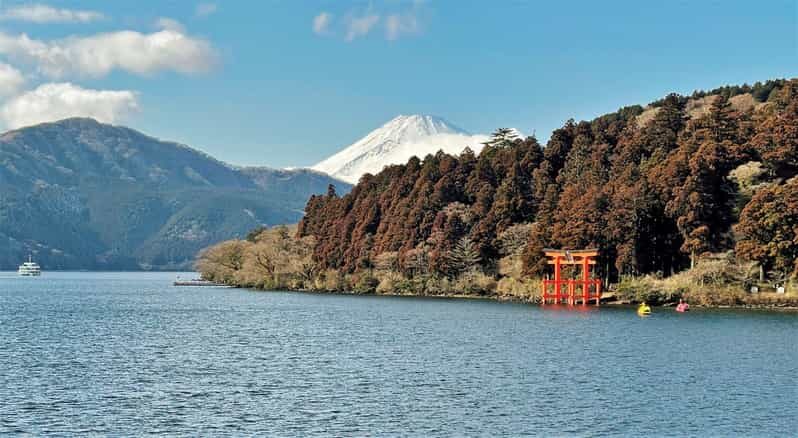
- Lake Ashi cruise that’s best for sweeping Fuji views when the sky cooperates
- Optional lunch with hot pot and a half buffet, plus flexibility for food restrictions
- Real road time via the Chūō Expressway and Subaru Road, which can create a rushed feeling
From Shinjuku to Fuji: What the Day Feels Like
This is a classic Tokyo-to-mountains long day. You start from the Shinjuku area (often the Shinjuku Love Object) and then settle into an air-conditioned coach for roughly 2.5 hours to reach the Mt. Fuji region. After that, the trip becomes a series of altitude jumps: from city road, to high-elevation viewpoints, to the volcanic zone, and then down again toward Lake Ashi.
The upside of this format is that you get a lot of Mt. Fuji and Hakone “worlds” in one shot. You’re also not on your own to interpret everything. An English-speaking guide keeps the day moving and can help you spot what matters—especially at the 5th Station, where clouds can roll in and out.
The downside is simple: an 11-hour day with drive time means fewer lingering moments. Several experiences point to a rushed feel, so you’ll want to mentally switch from slow sightseeing to “smart timing.” If you’re the type who wants to wander for an hour at every stop, this may feel tight.
You can also read our reviews of more boat tours in Tokyo

Mt. Fuji 5th Station: Your Best Shot at the Summit View
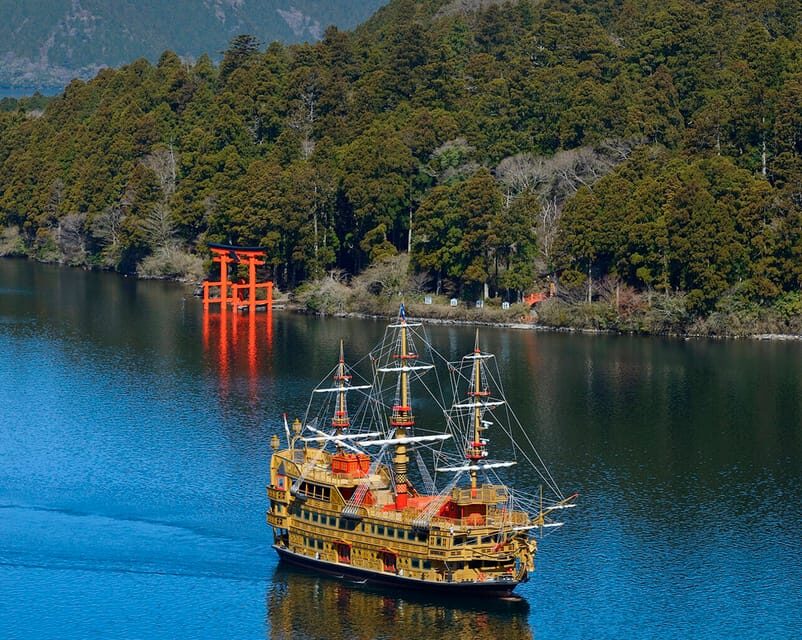
The heart of this tour is the Mt. Fuji 5th Station stop, around 2,300 meters above sea level. From here, the summit is much closer than the lower base viewpoints. You’ll also find a small cluster of shops and sights, plus Komitake Shrine, and yes, souvenirs.
Here’s what to watch for. Clouds move fast. When the sky opens, you’ll want to have your camera ready and your plan already in your head. One practical tip: prioritize outdoor viewing over indoor shopping at the 5th Station. People often get caught inside when visibility improves outside, and then the chance passes.
If bad weather, fog, or an accident blocks the approach to the 5th Station, the tour won’t simply end in disappointment. Instead, you’ll visit the highest point possible instead, keeping the idea of a high-altitude Fuji look even when conditions change.
Water and the 5th Station reality
One detail that matters more than it sounds: water is precious at the 5th Station. Save it for sipping, and be mindful about restroom timing. It’s also a reminder that you’re in a high-elevation environment where every small delay adds up.
A gentle health note
At Owakudani, you’ll also be in the vicinity of volcanic gases. Here at the 5th Station, the main issue is keeping your pace steady and being prepared for weather shifts, but the broader day does include air-quality cautions in the next section.
Owakudani by Ropeway: Volcanic Power You Can See
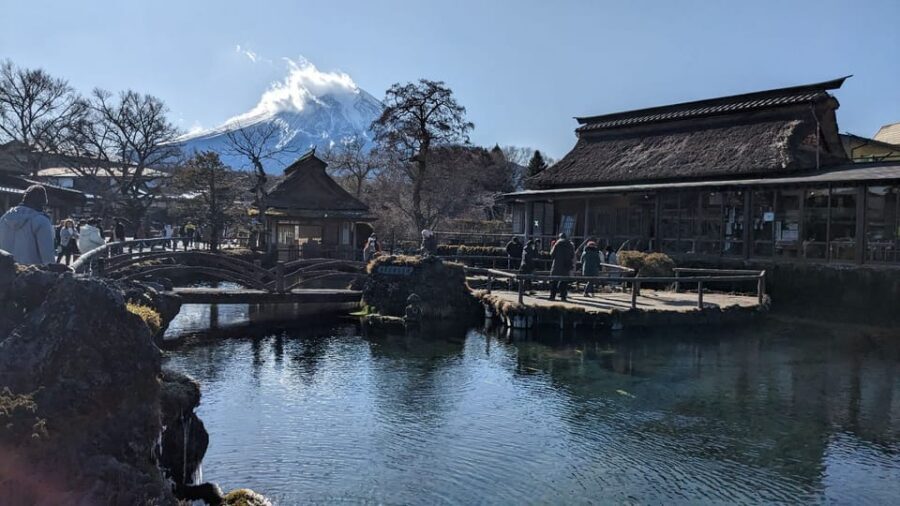
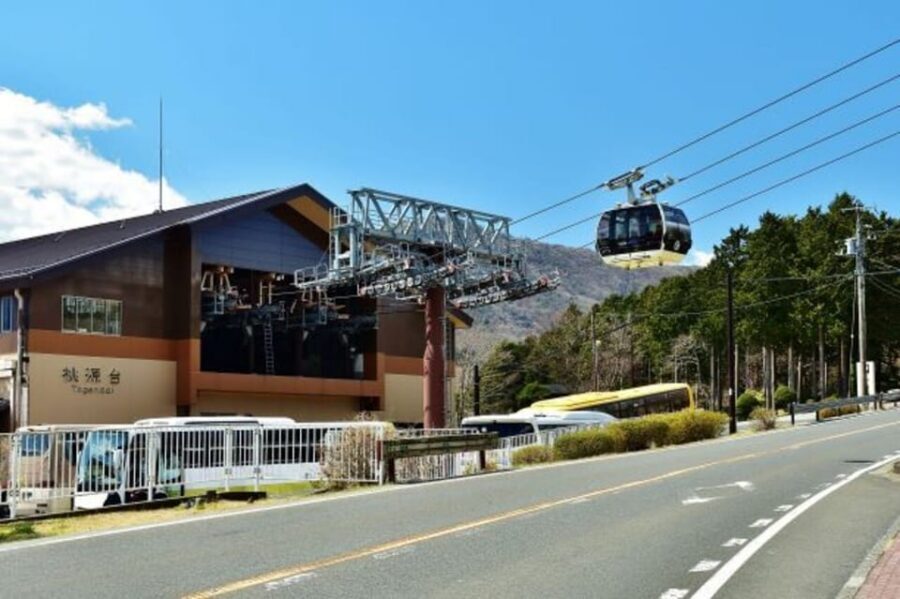
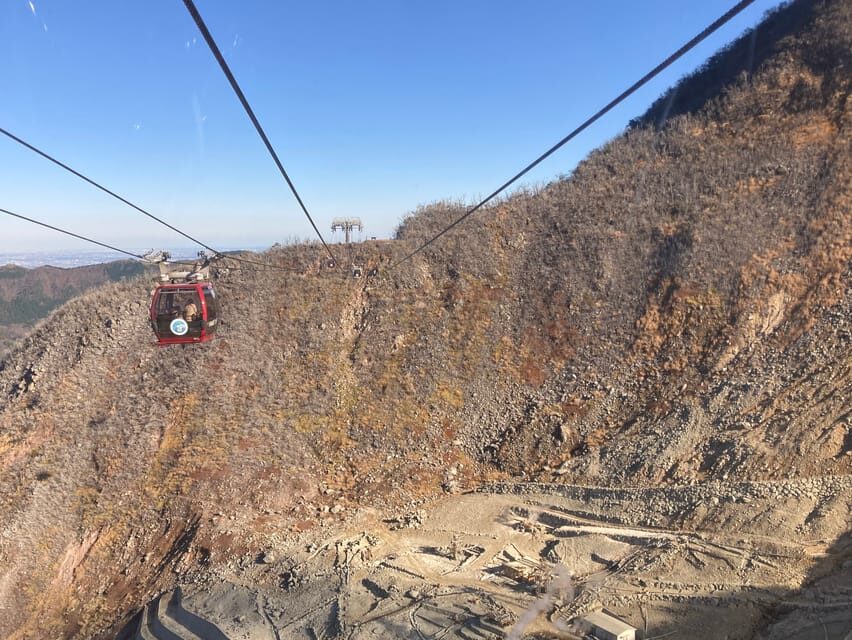
After Fuji, you head into Hakone’s volcanic zone: Owakudani, tackled by the Hakone Ropeway (gondola). This is where the day turns from scenic to dramatic. You’ll see fumaroles and solfataras in multiple directions, and you can buy souvenirs that connect directly to the volcanic activity.
The famous one is the black eggs, boiled in sulfuric hot water heated by the volcano. You’ll likely see them treated like a must-do. One important detail: the fee for the eggs isn’t included. So if you want to try one, plan a little extra cash.




Respiratory caution at Owakudani
If you have respiratory problems, treat the volcanic area seriously. The tour information flags that fumes are visible, and you should check the situation for yourself. There’s no shame in stepping back and taking photos from a safer distance. This stop is short for a reason, and it’s better to enjoy it comfortably.
Elevation change is part of the point
This isn’t just a postcard stop. The ropeway/cable-car segment is there so you can feel the terrain shift visually and physically. Even if the weather is average, you can still appreciate the “active volcano” feel—steam, rock, and the sense of where the heat is coming from.
Lake Ashi Cruise: When Fuji Shows Up in the Water
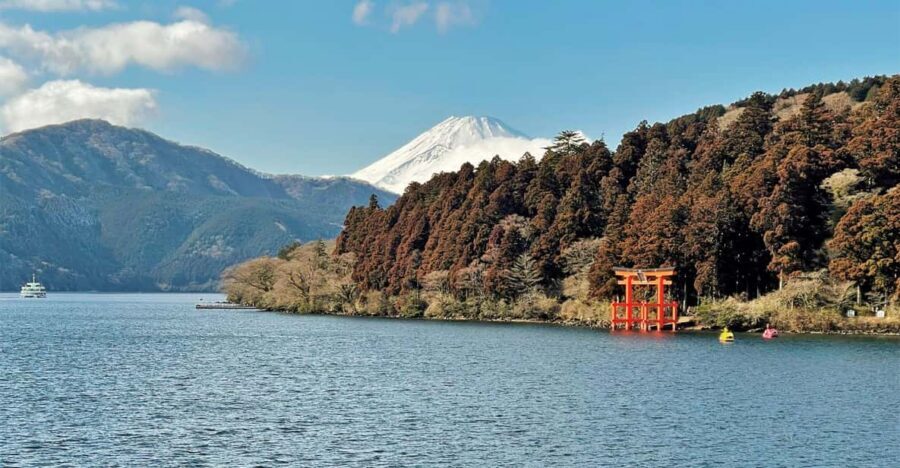
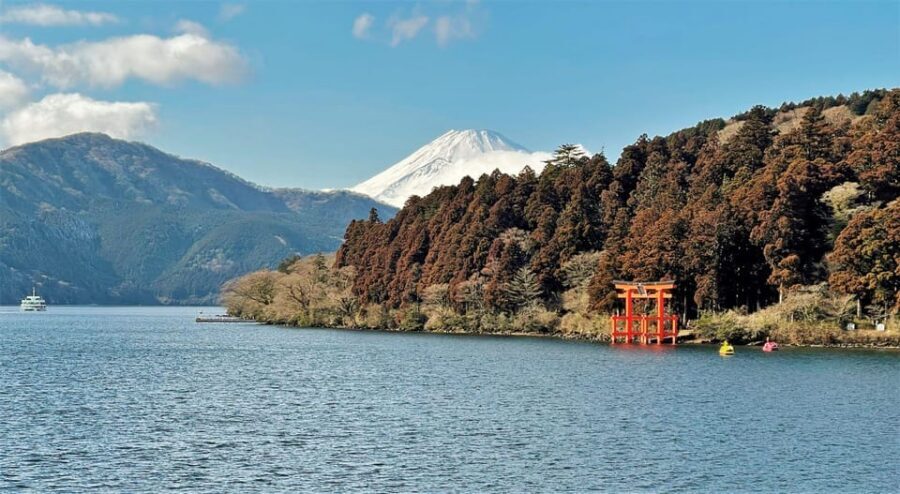
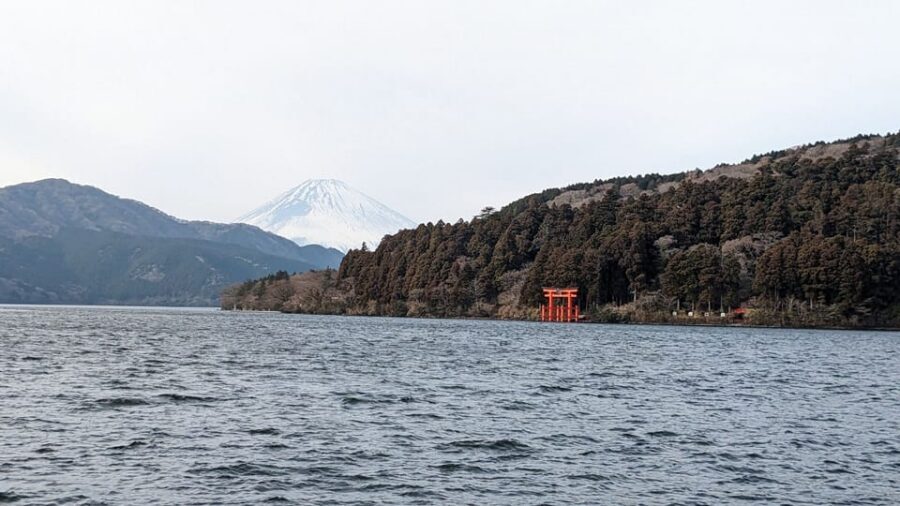
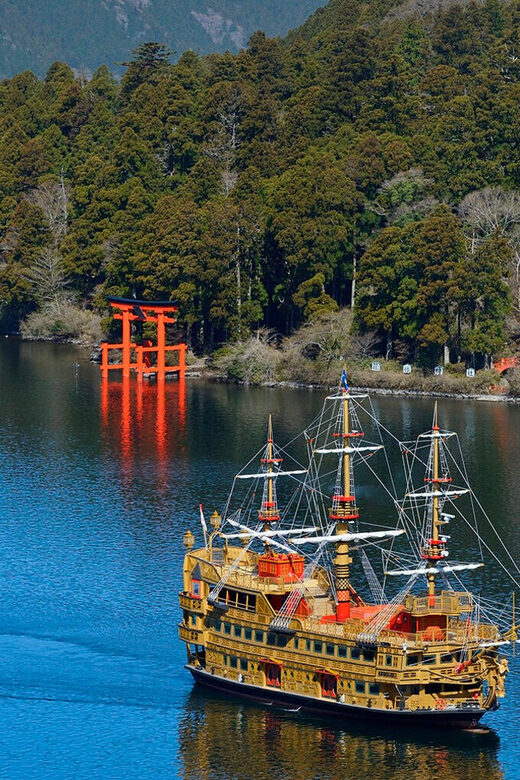
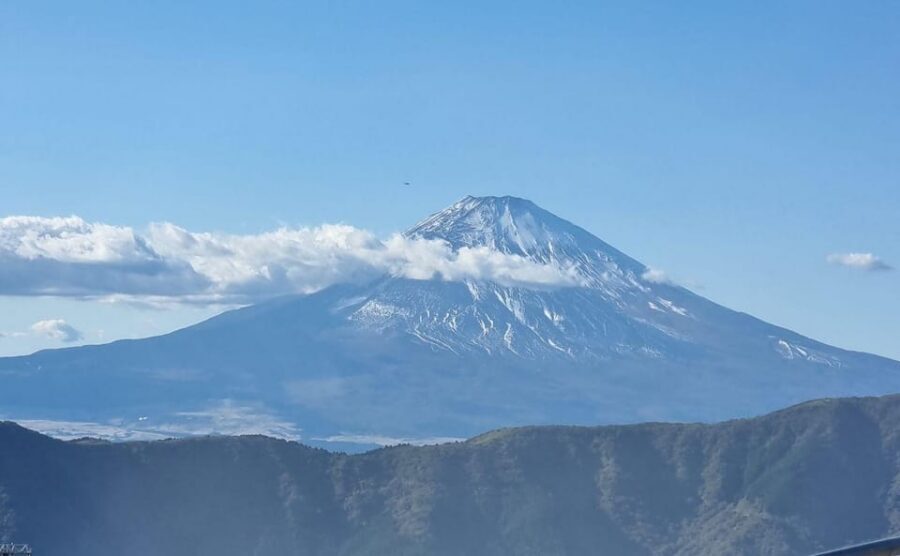
The day’s calmer moment is the Lake Ashi cruise. This is where you catch broad water views and, when it’s clear, some of the most memorable Fuji scenes. The best-case scenario is obvious: Fuji reflected or framed by the surrounding slopes.
The best-case scenario also isn’t guaranteed, because this region lives and breathes on weather. Fog, humidity, and clouds can soften or block the peak. Still, even on a partially clear day, the cruise helps break up the bus-and-walk rhythm with a smoother pace.
What to do with the cruise window
This is a “hold your position and watch” experience. If you know Fuji photos are your priority, go early for the best deck spot, then keep an eye on the horizon as you move. The cruise is included, so you don’t have to make ticket decisions on the day.
Lunch Option: Hot Pot + Half Buffet (If You Choose It)
Lunch is 45–60 minutes when you select the lunch option. The tour specifies a local meal built around a hot pot and a half buffet style setup. If you have food restrictions, you’re supposed to let the operator know in advance so the meal works for you.
If you didn’t pick the lunch option, you’ll be on your own for food during that stretch. That matters because time is tight in this format. In a long day, “quick shopping for snacks” can turn into “why is everything closed” unless you’ve planned.
How to judge lunch quality for your expectations
Since the tour is designed for speed between stops, don’t expect a gourmet tasting menu experience. Think of lunch as fueling up so you can enjoy the later parts—especially the cruise and volcanic sights—without feeling hungry and rushed.
The Road Trip Parts: Chūō Expressway and Subaru Road
A big chunk of your day is driving. You’ll be on major routes like the Chūō Expressway and Subaru Road, moving between Tokyo and the Hakone/Fuji region. In travel-time terms, this is what makes the tour compact enough to include so much in one day.
In comfort terms, the bus is air-conditioned and includes an on-board guide, plus you’re not navigating transfers on your own. In energy terms, it’s still a long day sitting down, with less flexibility if you want extra time at a viewpoint.
Some experiences mention traffic jams impacting the schedule and reducing time at certain stops. The most useful response is the one that keeps you relaxed: at the 5th Station, take photos right away if visibility looks good, and then enjoy what’s left outside rather than getting pulled into shopping.
How Much Value Is $92 For?
At about $92 per person for an 11-hour day, the value depends on what you compare it to.
You’re getting:
- Air-conditioned bus transportation
- An English live guide
- Hakone Ropeway ticket
- Lake Ashi cruise ticket
- Lunch only if you choose the lunch option
- A structured alternative plan if something doesn’t run
Where the price can be a great deal is if you don’t want to:
- piece together transit between Fuji/Hakone stops,
- buy separate attraction tickets,
- or gamble on timing without guidance.
Where it can feel less fair is when you personally want slow pacing or lots of free time. If a tight schedule clashes with your travel style, you might feel the day is “optimized for efficiency” more than “optimized for lingering.” Reviews do reflect that some people leave wanting more breathing room—especially around Fuji and Hakone time.
So, I’d treat this as a value purchase for coverage and convenience, not a premium experience with lots of personal downtime.
Weather, Schedule Shifts, and Backup Stops
This is a tour that’s transparent about the weather risk. Depending on humidity, heavy rain, and fog, Mt. Fuji may not be visible. If the peak isn’t visible, you still keep moving through the day, but the emotional payoff can shrink.
There’s also a backup system. If an activity isn’t operating, the tour includes alternatives such as:
- Lake Kawaguchi cruise (instead of the Lake Ashi cruise)
- Mt. Fuji Panoramic Ropeway
- Mishima Skywalk
- Odawara Castle
- Hakone-en Aquarium
- Narukawa Art Museum
- Hakone Checkpoint
- Hakone Shrine
I like having backup options because it reduces the odds of a dead-end day. I do think you should go in prepared for “not the exact version you imagined,” especially when fog rolls in.
Guide Quality: A Real Difference Maker
The guide is one of the most praised parts of this tour. You’ll hear names like Mary-san, Harry, and Yoko/Yoyo showing up in positive notes, and the themes are consistent: friendly energy, strong explanations, and keeping the day understandable even when things get complex.
This matters because Mt. Fuji and Owakudani are areas where you can easily miss what’s important. A good guide helps you interpret what you see:
- how to read the conditions at the 5th Station,
- what volcanic features mean at Owakudani,
- and how to time your deck view on Lake Ashi.
Even if the day is rushed by traffic, a strong guide can still help you feel like you gained meaning, not just minutes.
Who Should Book This Tour
This one-day Mt. Fuji and Hakone trip is a good match if you:
- want big variety in one day (Fuji viewpoint, volcanic zone, cruise),
- prefer a guided day over train-bus puzzle solving,
- are okay with a tighter schedule and moving between stops,
- want an English-speaking guide to explain what you’re seeing.
It’s less ideal if you:
- want lots of free time at each location,
- hate rushing and are sensitive to traffic variability,
- need a fully reliable Fuji sighting in advance (because weather controls visibility).
Should You Book It?
I think this tour is worth booking if you treat it as a “great day sampler” of Mt. Fuji and Hakone, and you go in with flexible expectations about weather and timing. The inclusion of ropeway + cruise tickets and a real guide-led structure makes it practical for first-time visitors who don’t want to calculate logistics.
If your top goal is the summit view and you’re picky about time at the 5th Station, be strategic: when visibility improves, take photos quickly, then step outside and keep your eyes on the peak. The day will feel better when you’re prepared for the possibility that clouds shift faster than the schedule.
If you’d rather not risk schedule frustration, consider booking with a backup mindset: you’re paying for access and experiences, not a guaranteed Fuji postcard.
FAQ
What’s the duration of the Mt. Fuji and Hakone tour?
The tour runs for 11 hours (one day). Starting times depend on availability.
Where does the tour depart from?
It leaves the Shinjuku Love Object area for the Mt. Fuji region, with about 2.5 hours of driving mentioned for that transfer. The exact meeting point can vary by option.
What’s included in the ticket price?
Included items are air-conditioned bus transportation, a tour guide (English), Hakone Ropeway tickets, a Lake Ashi cruise ticket, and lunch only if the lunch option is selected.
Is Mt. Fuji visibility guaranteed?
No. The tour warns that Mt. Fuji may not be visible depending on weather conditions like humidity, heavy rain, and fog.
What happens if the tour can’t reach Mt. Fuji 5th Station?
If reaching the 5th Station is not possible due to bad weather or an accident, the tour visits the highest point possible instead.
Are there alternative stops if an activity doesn’t operate?
Yes. If an activity isn’t operating, the day may include alternatives such as Lake Kawaguchi cruise, Mt. Fuji Panoramic Ropeway, Mishima Skywalk, Odawara Castle, Hakone-en Aquarium, Narukawa Art Museum, Hakone Checkpoint, or Hakone Shrine.
What should I know about the lunch option?
Lunch is available only if you select that option. It’s scheduled for about 45–60 minutes and includes hot pot and a half buffet. If you have food restrictions, you should inform the tour so they can accommodate you.