REVIEW · OSAKA
Meet Osaka locals and Japanese speaking experience at Pub Umeda
Book on Viator →Operated by Welcome Tokyo · Bookable on Viator
Conversation starts with a drink. This Osaka language meetup at Pub Umeda is built for real talk: you’ll meet local Japanese speakers, practice useful phrases, and get food and activity ideas that fit how people actually live in the city.
Two things I really like are the topic cards (so you’re not stuck at hello) and the way the host keeps conversations moving with mixed groups of Japanese and internationals.
One drawback to consider: food and drinks are not included, so you should budget for at least a beverage before you settle in.
In This Review
- Key things to know before you go
- Pub Umeda in Umeda: a casual setting for Japanese talk
- How the night works: topic cards, seat swapping, and small-group rhythm
- Japanese practice that actually helps: beginners to confident speakers
- The 15-minute English conversation block: why it matters
- Asking Osaka locals for food and plans you’ll actually use
- Price and value at $28 for 2.5 hours
- Logistics that affect your enjoyment: timing, setting, and group mix
- Who should book this Osaka pub language meetup
- Should you book this Osaka pub language exchange?
- FAQ
- FAQ
- What is the meeting point and start time?
- How long is the experience?
- How much does it cost?
- What language levels can participate?
- Will I need to speak Japanese fluently?
- Does the tour include food or drinks?
- How are people grouped?
- Do I get to talk to multiple people during the event?
- Is there English allowed during the meetup?
- What is the cancellation window?
Key things to know before you go
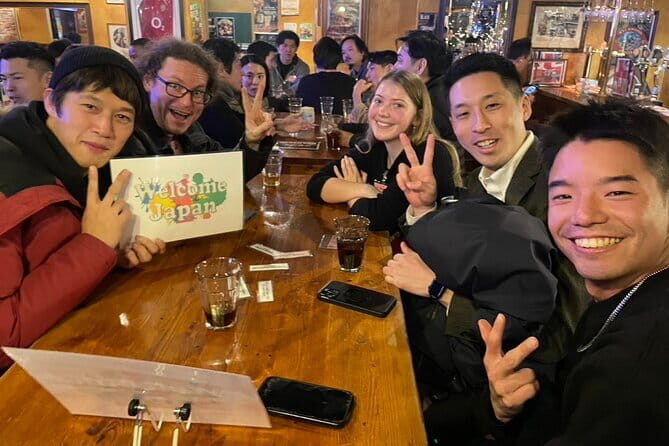
- Topic cards keep the chat going even if your Japanese is brand new
- Small groups (3–4 people) mean you speak more than you wait
- Seat swapping helps you talk to more than just one person
- English time is scheduled so both sides get a turn to understand
- Hosts like Hao and Edna have been called out for keeping the energy friendly and easy
- Beginner-friendly: you can show up even if you’re nervous about speaking
Pub Umeda in Umeda: a casual setting for Japanese talk
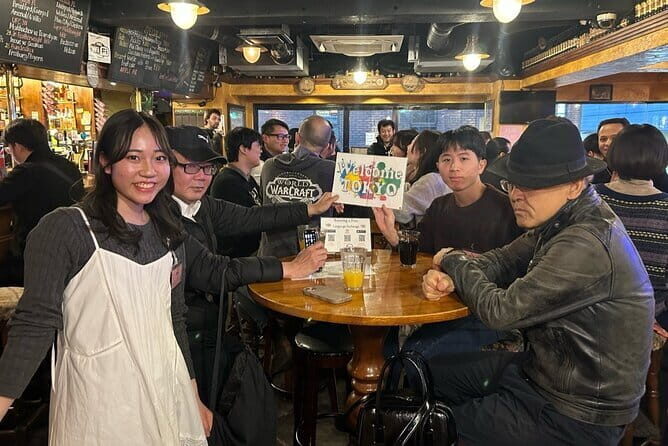
Osaka’s Umeda area can feel like a lot before you even start your day. That’s why I like that this meetup happens in a pub setting instead of a classroom. You check in at the reception, grab your seat, and order a drink from the store on site. The vibe is intentionally relaxed, so you’re not performing your Japanese. You’re just chatting.
The venue choice also matters for foreigners. A language exchange can go two ways in Japan: either it’s too formal, or it turns into awkward friendliness with no structure. Here, the pub helps you blend in. People come to talk, not to “test” you.
You’ll hear Japanese and English in the same room. That’s useful if you’re trying to practice both. And it’s especially valuable if you’re solo and you’re tired of standing around hoping someone will start a conversation.
You can also read our reviews of more drinking tours in Osaka



How the night works: topic cards, seat swapping, and small-group rhythm
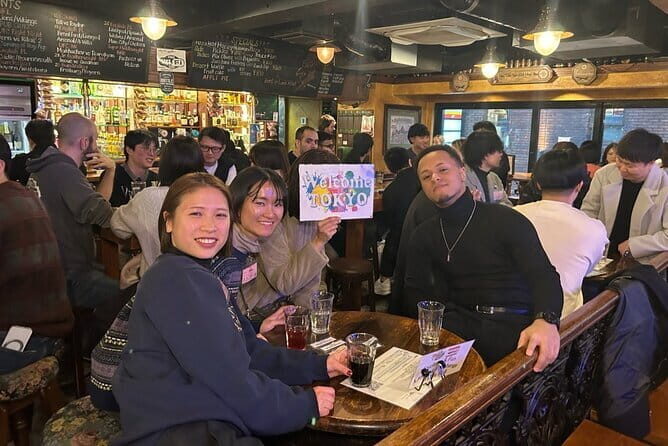
This is a 2 hours 30 minutes evening, starting at 7:30 pm. The flow is simple, and that’s a big part of why it works. After you arrive near public transportation, you check in and pick up your drink. Then the event starts with staff seating you for conversation.
The key mechanic is the topic card. It gives you a prompt so you can focus on speaking instead of inventing a topic from scratch. Even if your vocabulary is basic, a prompt gives you a framework. You can answer in simple sentences, add one detail, and ask a follow-up. That turns a shy moment into a real exchange.
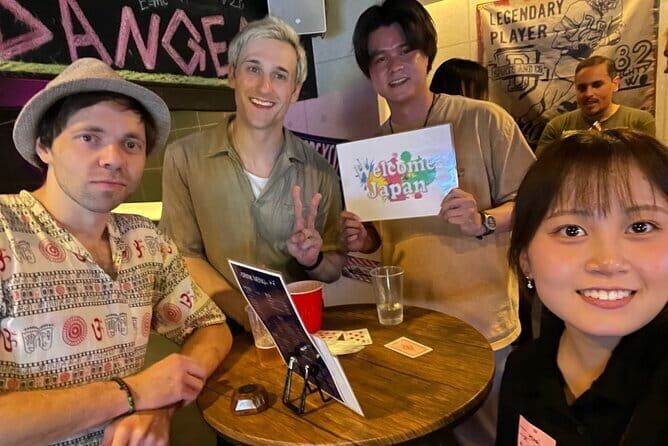
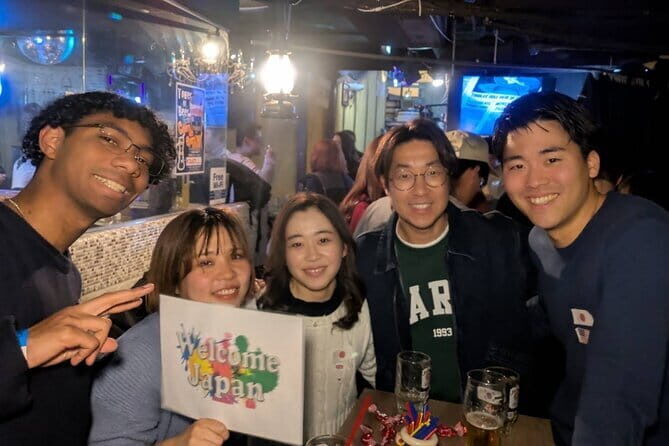
You also get small groups, typically 3–4 people, and they’re mixed Japanese and foreigner. That’s important: in larger groups you get “tour guide English,” where one person talks and everyone else listens. Here, the structure pushes you to talk.
Then the host does something smart: seats are changed so you get multiple chances to speak with more than the same 1 or 2 people. One review-style highlight people consistently value is that this movement helps everyone meet more participants. If you’ve ever joined a language meetup and only made it halfway through one conversation, this is the fix.
Japanese practice that actually helps: beginners to confident speakers
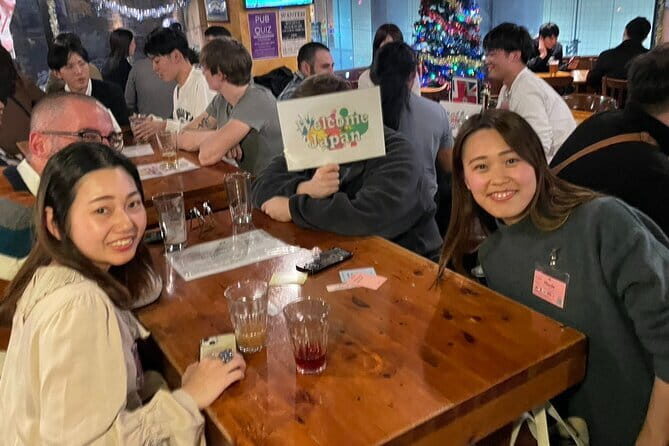
This kind of meetup is best when it doesn’t punish you for being imperfect. The good news here is that it’s designed for all levels, including total beginners. That means you can show up with a small kit: a few greetings, some polite phrases, and the willingness to try.
In practice, beginners benefit because topic cards lower the mental load. You’re not trying to plan what to say in real time about a random subject. Instead, you’re responding to a prompt with what you have. You’ll also get natural chances to repeat phrases, because you’ll talk to multiple people over the evening.
If you’re more comfortable, you’ll still get value. Seat changes mean you’ll likely have slightly different conversations each time, and you can practice adjusting your Japanese to the person in front of you. It’s also common to get gentle correction through the flow of conversation, not through lectures.
And if you’re worried about being shy, you’ll be relieved by the overall atmosphere. Multiple notes point to hosts making people comfortable, and first-timers often describe that once they started, the room felt friendly and easy.
The 15-minute English conversation block: why it matters
You do get Japanese practice, but this isn’t a one-way exam. There’s a set 15 minutes of English conversation scheduled. That’s not just a perk. It helps the whole room work better.
Here’s why:
- If someone can’t express an idea in Japanese yet, English time can clarify meaning.
- If you misunderstand a phrase, you have a chance to reset and then go back to Japanese with better context.
- It lowers frustration, which means you’re more likely to keep speaking instead of freezing.
It’s also a good strategy for you. If you’re learning Japanese, the smartest time to expand your Japanese is right after you understand what you’re trying to say. The English block can act like that bridge.
Asking Osaka locals for food and plans you’ll actually use
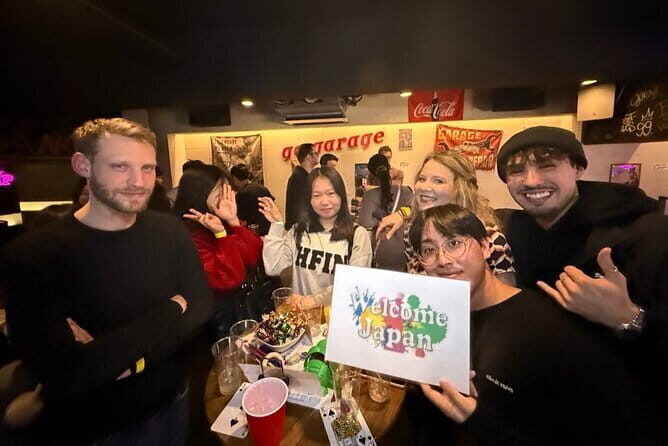
The most practical part of this evening is what you can ask for. One of the core goals is learning useful Japanese phrases for traveling in Osaka, including asking locals for recommendations of things to do and eat.
This is where the pub chat format shines. You’re not just learning vocabulary. You’re practicing question-and-answer patterns:
- What should I try around here?
- Where do locals go?
- What’s good for a first-time visit?
- What should I avoid, or what’s overrated?
When you get responses from Japanese speakers, you also learn what people consider worth doing. That’s more useful than generic lists, especially if you’re planning your own itinerary later in the week. Even a couple of good suggestions can change your trip in a way a guidebook can’t.
From the way hosts and groups have been described, the conversations aren’t just “hello, nice to meet you.” People tend to share experiences, compare ideas, and talk about real daily-life preferences. Hosts like Hao and Edna have been singled out for keeping the conversations interesting and functional, especially when groups are smaller or when everyone needs gentle direction.




Price and value at $28 for 2.5 hours
The price is $28.00 per person, and it’s often booked about 9 days in advance on average. So what are you really paying for?
You’re paying for:
- Guaranteed structure (topic cards, group splitting)
- Multiple speaking turns (seat changes)
- A friendly host who keeps the evening moving
- The chance to meet Japanese speakers in a way that feels approachable
That’s strong value for a solo traveler. In Japan, it can be surprisingly hard to meet locals spontaneously. This format solves the big problem: you’re not hoping someone talks to you on the street. You show up with a built-in reason to interact.
The one line item you must understand: food and drinks are not included. You can still expect the event to revolve around buying a drink at the pub. So if you’re budgeting, plan for at least one beverage. Some people spend a little extra on snacks, but that depends on you and your appetite.
Also note what is included: gratuities are included, and the admission ticket covers entry to the event. That simplifies the math.
If you compare this to paying for a private lesson, you’re not getting one-on-one instruction. But you are getting real conversation time with several people. For most travelers, that’s the better trade.
Logistics that affect your enjoyment: timing, setting, and group mix
The meetup starts at 7:30 pm and runs about 2 hours 30 minutes. That’s long enough to loosen up, but not so long you feel stuck. For many people, it fits nicely into an Osaka evening when you’ve already done sightseeing and want something social.
It’s also near public transportation, which matters because Umeda stations are busy. You don’t want to spend your social time hunting down the meeting point.
One more practical detail: groups are mixed. That means you’ll likely chat with a variety of backgrounds and personalities, not just one type of traveler. That variety is part of the appeal. Some notes highlight that even when the group is smaller, the host still makes it work, helping people connect instead of leaving anyone behind.
If you’re the type who needs a clear role, you might find that helpful. If you’re flexible and comfortable asking questions, you’ll probably enjoy this a lot.
Who should book this Osaka pub language meetup
This is a great fit if you want:
- Japanese practice in a social setting without the pressure of a formal class
- A reliable way to meet people when you’re traveling solo
- Conversation prompts that help you get past the awkward first minutes
- Food and activity ideas from locals who actually live here
It may be less ideal if:
- You’re expecting a full food tour. Food and drinks are not included, so you should plan on paying for what you eat or drink.
- You want deep grammar instruction. This is conversation first, not a structured lesson plan.
If you’re a beginner, don’t wait until you feel ready. The whole point is that you can start with simple Japanese and build from there while everyone else is also chatting in their own way.
Should you book this Osaka pub language exchange?
Book it if you want a straightforward evening where speaking happens naturally. The combination of topic cards, small mixed groups, and seat swapping is exactly what makes these meetups worth your time. You’ll likely leave with a few new phrases, some Osaka food ideas, and at least a couple of people you can message later.
Skip it only if you hate pubs, don’t want to spend money on drinks, or you’re looking for a guide to walk you through major sights. For a social language exchange in Umeda, this is a solid, friendly choice.
FAQ
FAQ
What is the meeting point and start time?
It starts at 7:30 pm at HUB Umeda-Chayamachi Applause.
How long is the experience?
It lasts about 2 hours 30 minutes.
How much does it cost?
The price is $28.00 per person.
What language levels can participate?
Japanese speakers of all levels can participate, including total beginners.
Will I need to speak Japanese fluently?
No. The event is designed so you can chat even if you cannot speak Japanese well.
Does the tour include food or drinks?
Admission includes the ticket and gratuities, but food and drinks are not included. You’ll buy your drink at the venue.
How are people grouped?
Staff split attendees into small groups of about 3–4 people, including a mix of Japanese and foreigner participants.
Do I get to talk to multiple people during the event?
Yes. Staff change seats so everyone has a chance to speak with more participants multiple times.
Is there English allowed during the meetup?
Yes. The schedule includes 15 minutes of English conversation.
What is the cancellation window?
Free cancellation is available up to 24 hours before the experience’s start time for a full refund. If you cancel less than 24 hours before, the amount paid is not refunded.