Neon Osaka feels manageable when you walk with a local. You’re matched to a guide based on your interests and personality, and you get a private route through the parts of town that feel most like Osaka—especially the Hozenji Yokocho stone-paved lane with its old-school bar atmosphere. It’s not just photo stops; the guide helps you read the city so it clicks fast.
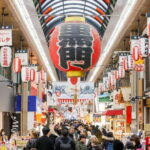
My favorite part is how easy it is to turn sightseeing into real meals and real street life. Kuromon Market is a covered maze of vendors and snacks, and having a guide beside you makes it simpler to choose what to eat and when. One possible drawback: the plan is flexible and personalized, so if you want a more history-heavy route, you should say so upfront—otherwise you may spend more time on neighborhoods and food streets than on deep historical sites.
In This Review
- Key points at a glance
- A private Osaka walk that feels custom, not crowded
- Choosing your guide: where names like Maria, Boris, Antoine, and Kieran come in
- Getting your bearings in Namba and Kuromon Market
- Hozenji Yokocho: retro lanes that still feel like Osaka
- Kitchenware street and Soemon-cho: shopping that tells a story
- Den Den Town: your Osaka stop for tech, anime, and pop culture
- Dotonbori to Shinsaibashi: neon signs, big food energy, and America-mura
- Shinsekai’s local vibe: where locals love their everyday pleasures
- How long should you book: 2, 4, 6, or 8 hours
- Price and logistics: what $67 gets you and what it doesn’t
- Who this Osaka tour suits best
- Should you book this Osaka private walking tour?
- FAQ
- How much does the Osaka private walking tour cost?
- How long is the tour?
- Is this tour private or a shared group?
- What languages do the guides speak?
- What’s included in the price?
- Are food, drinks, and ticketed attractions included?
- Is transportation included?
- How flexible is the itinerary?
- Is the tour wheelchair accessible?
- FAQ
- Can I cancel and get a full refund?
- Can I reserve and pay later?
- Is there a meeting point?
Key points at a glance
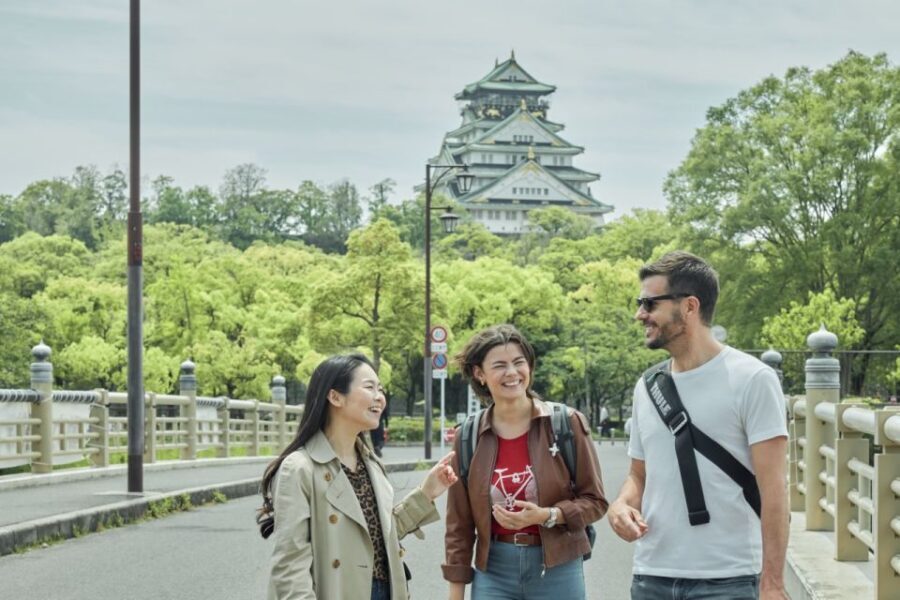
- Matched, private guiding: You’re paired with a local guide based on your interests and personality, not a one-size script.
- Real Osaka lanes: You’ll likely spend time in places like Hozenji Yokocho with that retro, lantern-lit bar vibe.
- Food street practicality: You get help navigating Kuromon Market and choosing seafood snacks that actually fit what you like.
- A nerd-friendly Osaka stop: Den Den Town is built for cameras, computers, pop culture, games, and anime.
- Neon-to-youth-city walking arc: Dotonbori’s sign overload leads toward Shinsaibashi and America-mura.
A private Osaka walk that feels custom, not crowded
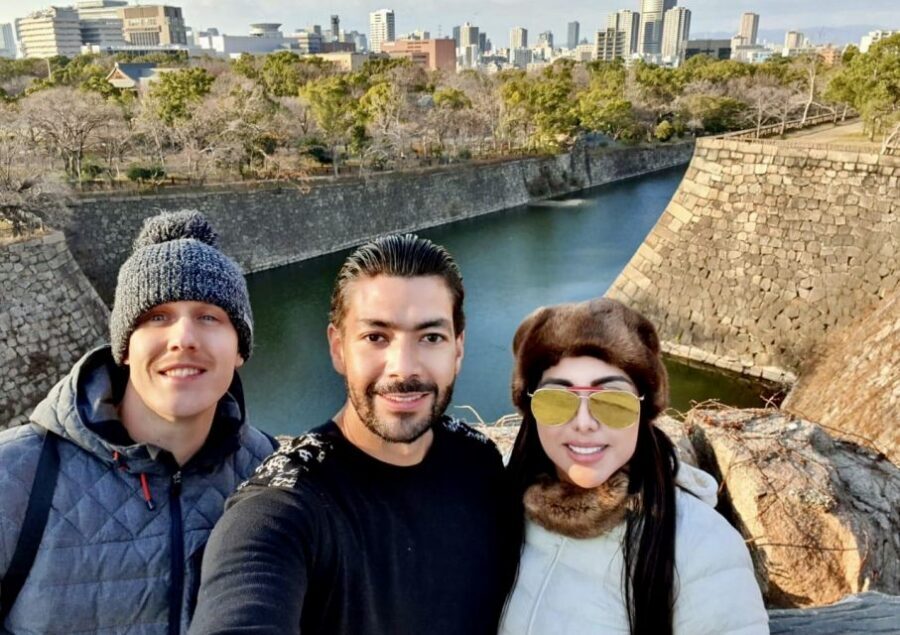
Osaka can overwhelm you in the best way. The streets move fast, the signs blink louder than your brain can process, and you can lose an afternoon simply following where the food smells lead. This tour helps because it’s private and personalized: you’re not stuck with a fixed group route or a bland “see the sights” checklist.
The guide becomes your translator in two ways. First, language and practical culture cues. Second, pacing. A lot of Osaka’s best moments are between landmarks—an alley with character, a street where locals actually shop, a corner where the menu is mostly in pictures, and you still manage to order. With a guide, you spend less time guessing and more time enjoying.
You can also read our reviews of more walking tours in Osaka

Choosing your guide: where names like Maria, Boris, Antoine, and Kieran come in
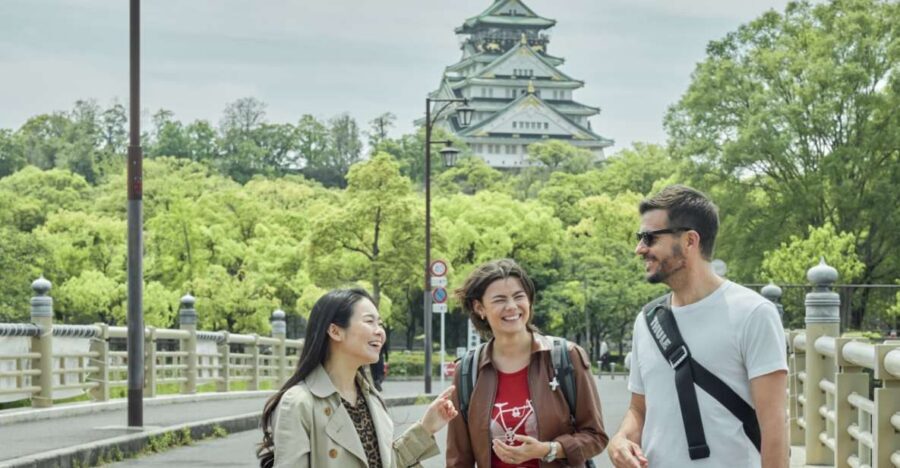
One of the strongest parts of this experience is the human element. You’re matched to a local guide based on your interests and personality, and the tour is built around that pairing. That’s why the guide quality can feel so different from tour to tour.
In the experience, I’ve seen real examples of how that plays out with guides such as Maria, Boris, Antoine, and Kieran. Maria, for instance, is noted for being patient with photos and for adjusting the pace so people don’t feel rushed—plus a smart awareness of comfort in heat. Boris is singled out for strong city knowledge. Antoine comes across as flexible and easygoing, while Kieran brings a fun tone plus useful advice for the rest of your trip.
You should expect English-speaking guides (and Japanese support as needed). And because it’s private, if you’re the type who likes to stop often for street scenes and questions, the guide can slow down without turning it into chaos.
Getting your bearings in Namba and Kuromon Market
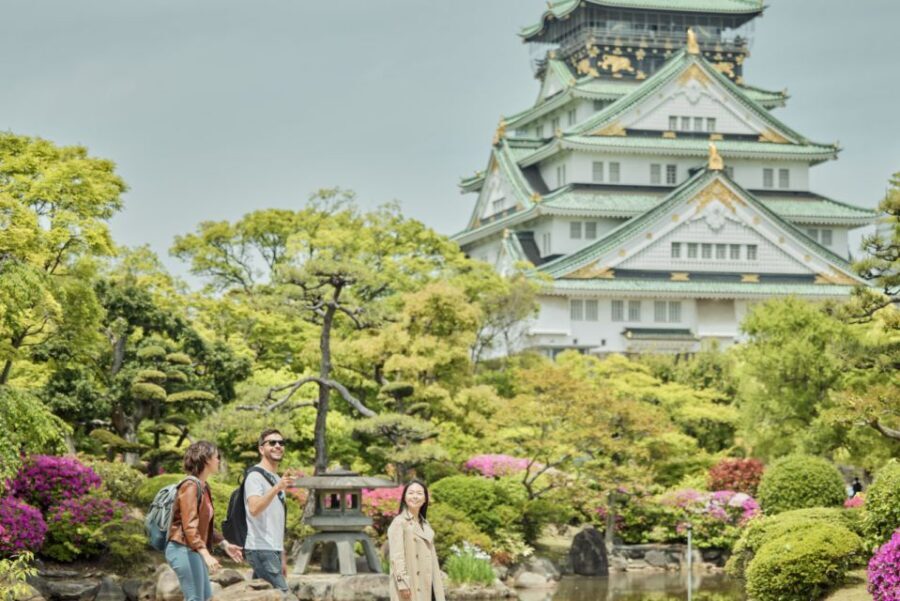
Most people arrive in Osaka hungry, but not everyone knows where to focus first. A smart early move here is heading to Namba, the high-energy entertainment district where the city feels awake at all hours. Even if you’ve only got a few hours, Namba gives you the Osaka tempo: dense streets, lots of people out shopping, and constant food cues.
From there, the tour typically steers you toward Kuromon Market, a covered area packed with vendors and snack stands. This is where having a guide matters, because you’re not just looking—you’re making choices. You can point out what you’re craving—say scallops or sea urchin—and the guide helps you understand the situation quickly: what’s ready, what’s seasonal, and how to handle a busy vendor counter without feeling lost.
A practical bonus: Kuromon is covered, so rain is less of an issue. And even if you don’t plan to eat much (food isn’t included), the market still works as a “how Osaka thinks about seafood” crash course.
Tip for you: If you’re unsure what to pick, tell the guide what you like in general (mild vs. briny, hot vs. cold). You’ll get far better suggestions than random trial-and-error.
Hozenji Yokocho: retro lanes that still feel like Osaka
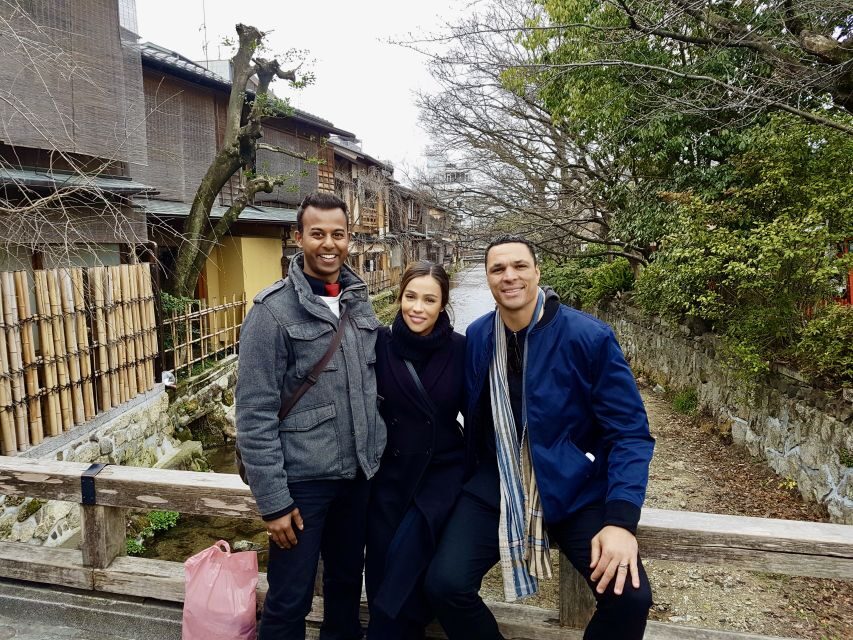
After the energy of Namba and Kuromon, the tour often shifts to something calmer and more atmospheric: Hozenji Yokocho. This is the stone-paved lane lined with long-standing bars and restaurants, and it keeps the feel of Osaka from earlier decades.
What makes Hozenji Yokocho worth your time is the contrast. You go from loud market surfaces and shopping noise to narrow, intimate streets where lanterns and old signage give the whole area a slower rhythm. It’s also a strong “photo without looking touristy” zone because the street is designed for lingering.
If you want something memorable without committing to a ticketed attraction, this kind of lane experience is the sweet spot. It’s sightseeing you can actually feel in your body—walk, turn a corner, smell the food, notice the details—without waiting in lines.
Kitchenware street and Soemon-cho: shopping that tells a story
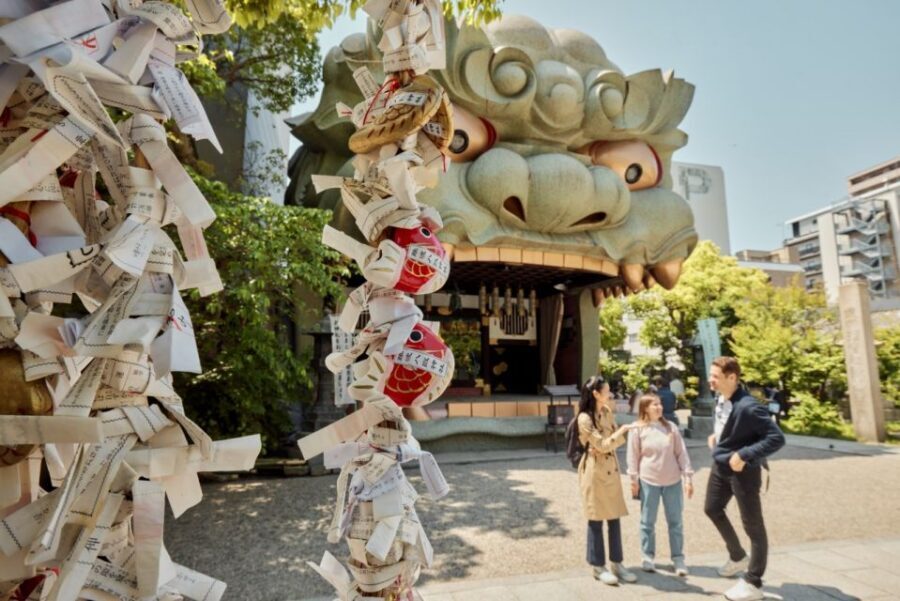
Osaka has a famous food reputation, but it also has serious craft-and-commerce streets. Two areas that fit that vibe are Sennichimae Kitchenware Street and Soemon-cho.
Sennichimae Kitchenware Street is dedicated to kitchen utensils and food supplies. Even if you don’t buy anything, it’s interesting because it shows how Osaka thinks about cooking as everyday culture, not just restaurant theater. You’ll see practical items and specialty tools that hint at how locals shop when they want quality.
Then there’s Soemon-cho, an entertainment district with 400+ years of history. Here the value is the atmosphere and the sense of continuity. You’re walking through streets where the business ecosystem has long lived on food, gatherings, and neighborhood life—so it feels different from a “theme street” built for visitors.
One thing to consider: If you’re hoping for grand historical monuments, you may not get the same emphasis. This tour is built for neighborhoods and culture, so you’ll want to say clearly that history is your top priority if that’s what you want most.
You can also read our reviews of more private tours in Osaka
Den Den Town: your Osaka stop for tech, anime, and pop culture
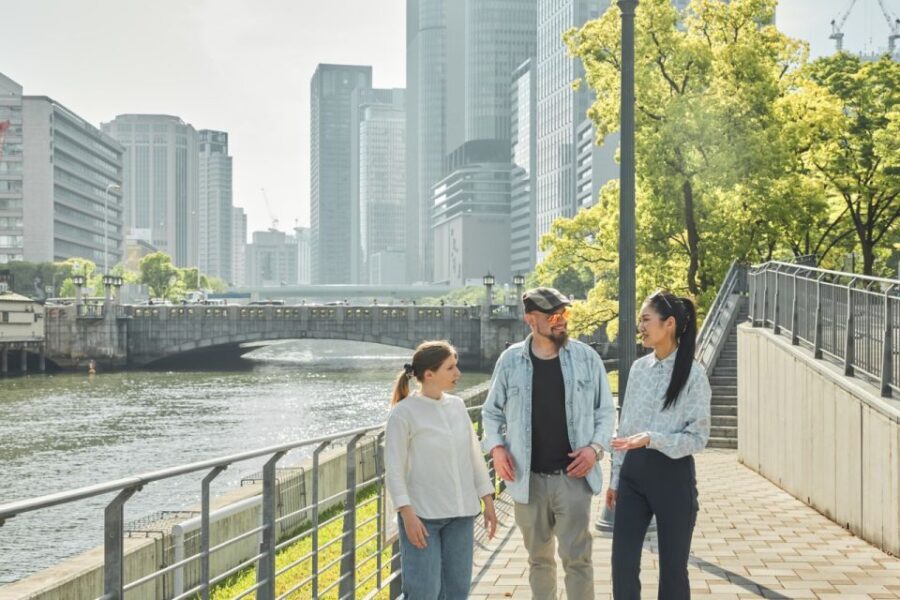
If you’re into gadgets, games, or pop culture, Den Den Town is your payoff zone. Think cameras, computers, and the visual world of anime and fandom—basically the place where your inner collector gets loud.
This stop works for two types of travelers:
- People who want something “Osaka-specific” beyond food.
- People who want shopping to feel fun instead of exhausting.
Because it’s a private walking tour, you can move at your pace. If you want to browse quietly for 20 minutes and then regroup, you can. If you want to ask questions about what’s actually worth seeing (and what’s just inventory), your guide can help you cut through noise.
Practical note: Transportation isn’t included, so you’ll likely use trains or walk connections between neighborhoods. Den Den Town’s strength is that it’s still walkable as a cluster of shops.
Dotonbori to Shinsaibashi: neon signs, big food energy, and America-mura
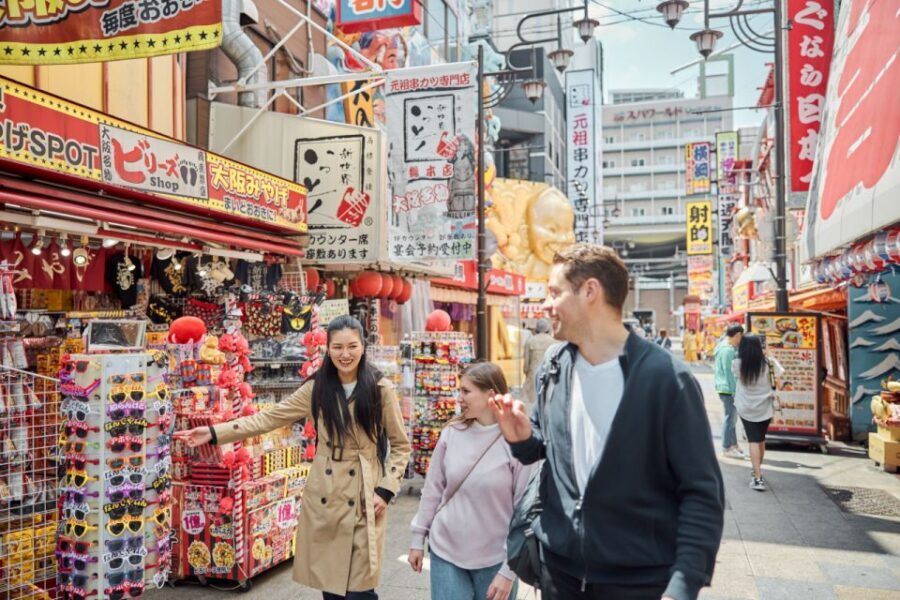
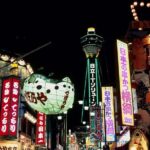
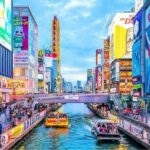
Dotonbori is Osaka on fast-forward. The canal-side entertainment vibe, the colossal food signs, and the constant light all add up to one thing: instant city recognition. A must-see moment is the Glico Running Man above Ebisubashi Bridge, which acts like a visual anchor for the whole area.
From there, the walk can continue toward Shinsaibashi and America-mura, a youth-oriented creative district known for retro shops, independent galleries, and cool cafés. This is where the city shifts from “I’m here to eat and stare” to “I want to browse and get a feel for local trends.”
Why this matters for you: doing both Dotonbori and America-mura on the same day helps you see Osaka’s full personality. Dotonbori is the loud public face. America-mura is the personal style side.
Shinsekai’s local vibe: where locals love their everyday pleasures
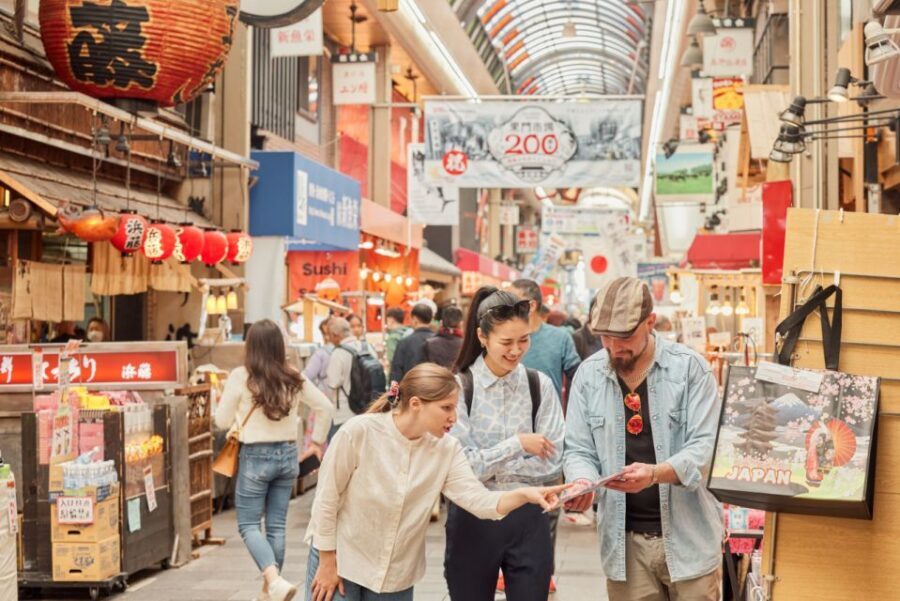
Another neighborhood that often shows up in a well-rounded Osaka plan is Shinsekai. It’s known for being the kind of place locals actually enjoy, not just a sightseeing checkbox.
A highlight here is learning how Osaka traditions show up in daily life—small details that don’t make it into most guidebooks. For example, you might hear about how certain seafood options are treated as delicacies, or how bargaining can still be part of the culture in certain vendor settings.
This is also a good place to ask your guide questions that go beyond where to stand for a picture. What do locals eat when they’re not trying to impress anyone? When do streets feel most alive? What’s a fair way to interact with shopkeepers?
If your guide is great (and you’ll see strong examples from past guests), these conversations become the real memory.
How long should you book: 2, 4, 6, or 8 hours
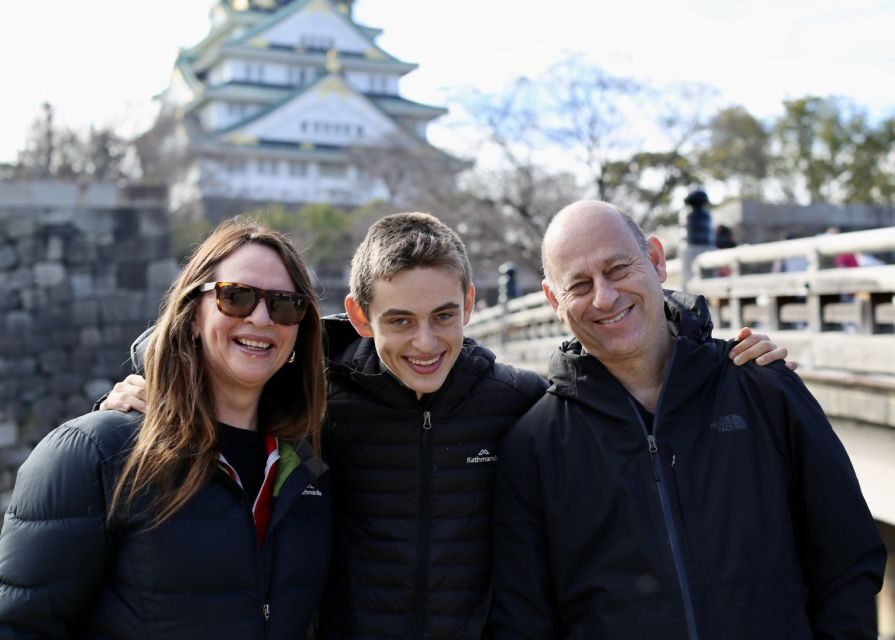
The tour duration can range from 2 to 8 hours, and that matters because Osaka’s best neighborhoods aren’t all next door. The itinerary is planned according to your booked time and then adjusted to your preferences.
Here’s a practical way to choose:
- 2 hours: Best for a tight “high-impact” sweep—think one or two key areas like Dotonbori plus a lane or market stop. You’ll get a feel for the city but won’t chase every district.
- 4 hours: A balanced option for classics plus one themed stop (market + retro lane, or neon + Den Den Town).
- 6 hours: Enough time to mix food streets, shopping districts, and a deeper neighborhood arc like Shinsekai alongside the main highlights.
- 8 hours: This is for maximum variety and relaxed pacing. You can cover the bigger “Osaka personality” mix without feeling like you’re sprinting.
If you’re sensitive to walking distance or you know you want more food time (without tickets), aim for 4–6 hours.
Price and logistics: what $67 gets you and what it doesn’t
At $67 per person, the value isn’t just the walking part. You’re paying for the guide’s job: planning around your interests, guiding you through confusing zones, helping you pick what to do, and turning Osaka into a sequence you can understand.
What’s included is a guide plus practical support like recommendations for the rest of your stay. Hotel meet-up is available if you ask, from a central location. That can save you time, especially on your first day.
What’s not included is also important:
- Food and drinks
- Entrance into ticketed attractions
- Transportation
So you’re in control of your budget. If you want to snack at Kuromon Market, you cover those meals. If you want a ticketed site, that may be arranged at extra cost. The guide can help organize those add-ons, but they’re not bundled into the base price.
My advice: If you care about food and shopping choices, decide a daily snack/eating budget before you go. Then tell your guide your comfort level—quick bites vs. longer meals.
Who this Osaka tour suits best
This experience is a great match if you want:
- A private guide who can tailor stops to your pace.
- A mix of food streets, retro neighborhoods, and shopping districts (not only one theme).
- A faster start in Osaka—getting oriented through districts like Namba, Dotonbori, and Shinsaibashi.
It’s also a solid choice for travelers who don’t want to “wander blindly.” Even if you love solo exploration, walking the first day with a guide helps you avoid wasted hours.
If you prefer museums and major historical monuments only, this may not be the best fit unless you clearly request that emphasis in advance.
Should you book this Osaka private walking tour?
Book it if you want an Osaka day that feels organized but not stiff—guided enough to reduce confusion, flexible enough to match your tastes. The best reason to book is the pairing with a local guide and the way the route mixes food, streets, and neighborhoods like Hozenji Yokocho and Dotonbori, plus options like Den Den Town when you want something different.
Skip it (or at least adjust expectations) if you only want ticketed attractions or long museum-style history. This tour leans into street-level culture: markets, alleys, nightlife districts, and shopping streets.
If you can, book at least 72 hours in advance so your guide can build the best fit for your interests.
FAQ
How much does the Osaka private walking tour cost?
The price is $67 per person.
How long is the tour?
It can be booked for a duration from 2 to 8 hours, depending on availability.
Is this tour private or a shared group?
It’s a private group tour. Private groups are normally no larger than 6 persons.
What languages do the guides speak?
The tour offers a live guide in English and Japanese.
What’s included in the price?
Hotel meet-up (available upon request from a central location), the tour guide, and recommendations for the rest of your stay are included.
Are food, drinks, and ticketed attractions included?
No. Food and drinks and entrance into ticketed attractions are not included.
Is transportation included?
No. Transportation is not included.
How flexible is the itinerary?
The tour is fully personalized. The itinerary is planned based on the number of hours you book and adapted to your preferences, and the exact places you visit may differ.
Is the tour wheelchair accessible?
Yes, the tour is wheelchair accessible.
FAQ
Can I cancel and get a full refund?
Yes. You can cancel up to 24 hours in advance for a full refund.
Can I reserve and pay later?
Yes. You can book your spot and pay nothing today.
Is there a meeting point?
The meeting point may vary depending on the option booked.