Osaka makes sense with a walking guide. I love how guides such as Ferdinand and Kevin turn Osaka Castle Park into a story you can actually picture, with the kind of historical context you miss when you just snap photos. The tour also moves fast enough to hit big-name Osaka and still leave you with time to wander after.
What I love most is the variety, from the maze-like streets of Tsuruhashi to the high-up view from Abeno Harukas and the street theater around Namba and Dotonbori. One consideration: you do not go inside the castle, and there are no official food stops, so if you want a sit-down meal included, this isn’t that kind of tour.
In This Review
- Key highlights at a glance
- First stop: Tanimachiyonchome to get your Osaka legs
- Osaka Castle Park: the exterior you can understand
- Tsuruhashi Korea Town: alleys, shops, and pre-war grit
- Abeno Harukas 300: the view, then the food-hall detour
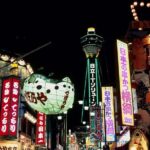
- Shinsekai: a neighborhood that feels slightly crumbling
- Namba to Dotonbori: present-day Osaka in full color
- Kuromon Ichiba and Doguyasuji: markets and kitchen craft
- Price and what you’re really buying for $59
- Pace, transport, and day-pass reality
- Who should book this Osaka walking tour
- Should you book it? My call
- FAQ
- How long is the Osaka Main Sights and Hidden Spots guided walking tour?
- How much does it cost?
- What is included in the price?
- What isn’t included?
- Does the tour go inside Osaka Castle?
- Are there food stops during the tour?
- What languages are the live guides available in?
- Where do I meet the tour?
- Does the tour run in bad weather?
- What happens if I book as a solo traveler and the minimum group size isn’t met?
Key highlights at a glance
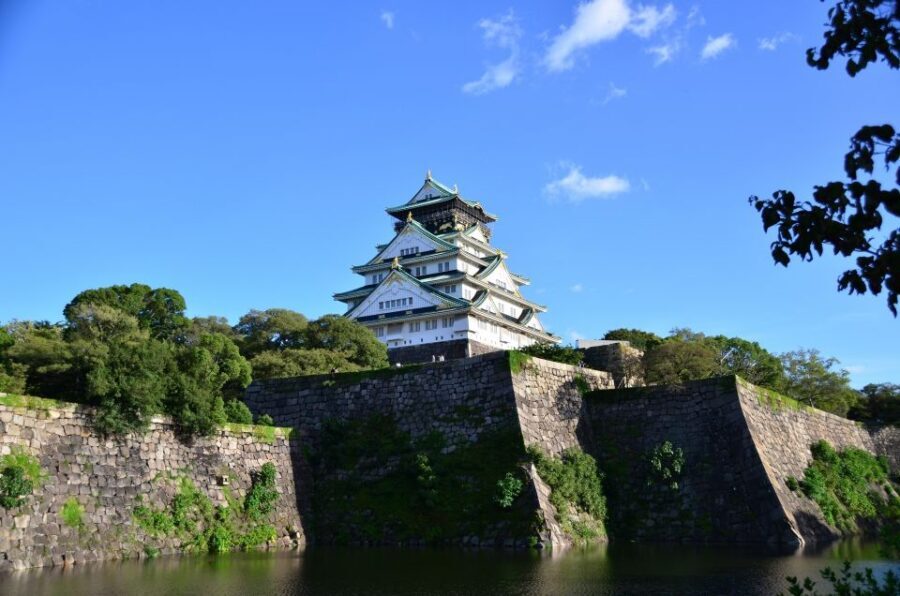
- Osaka Castle Park, without the ticket line: You get the grand exterior and the story behind it.
- Tsuruhashi Korea Town streets: Pre-war alleys and “how people actually shop” energy.
- Abeno Harukas 300 view + underground food hall: Citywide panorama plus a serious food-shopping detour.
- Shinsekai’s old-school vibe: A neighborhood that still feels like it’s frozen mid-time.
- Dotonbori and Kuromon: Street signs, neon mood, and a market that matters to locals.
First stop: Tanimachiyonchome to get your Osaka legs
Meet above ground at Tanimachiyonchome Station, Exit 2. If you’re arriving by taxi, the intersection name is tanimachi 3-chome (谷3交差点). The start matters because you’ll learn the first “how to move through Osaka” lesson fast: where the major pedestrian flows are, and which shortcuts help when you’re walking for hours.
This tour is built around a simple formula: walk through key districts, then use quick public transport links to keep the pace sane. At 4 hours, you’re not trying to “see everything.” You’re trying to see enough that Osaka stops feeling like a map and starts feeling like a city.
I also like that guides in this format are often people who can answer real questions, not just recite facts. In the reviews, names like Oisin, Bryan, Oshin, and Jamie show up with a similar theme: they explain why things are where they are, and they’ll offer practical recommendations for your remaining time.
You can also read our reviews of more walking tours in Osaka

Osaka Castle Park: the exterior you can understand
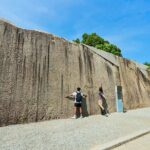
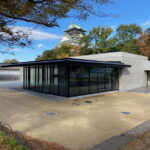
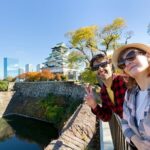
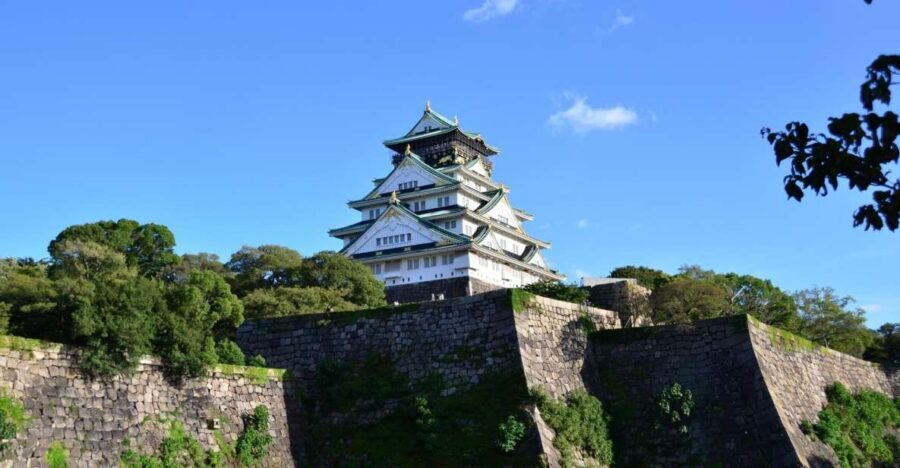
You’ll spend about 75 minutes at Osaka Castle Park, with guided sightseeing focused on the grand exterior. You’re not going inside the castle, but you still get the most important part for first-timers: the scale. From the surrounding park, you can read the building’s presence in a way photos alone don’t do.
This stop is also where the tour sets its tone: history told in plain language. You’ll hear how Osaka Castle was almost robbed from the Japanese about 400 years ago—so the story isn’t abstract. It’s about stakes, power, and the way Osaka has long been a city where commerce and control mattered.
A practical note: wear shoes made for walking surfaces that can get busy. This is a park approach, and you’ll spend time repositioning for views and explanations. If it’s raining, you’ll still go—this tour runs rain or shine—so plan for damp sidewalks and a little slower footing.
Tsuruhashi Korea Town: alleys, shops, and pre-war grit
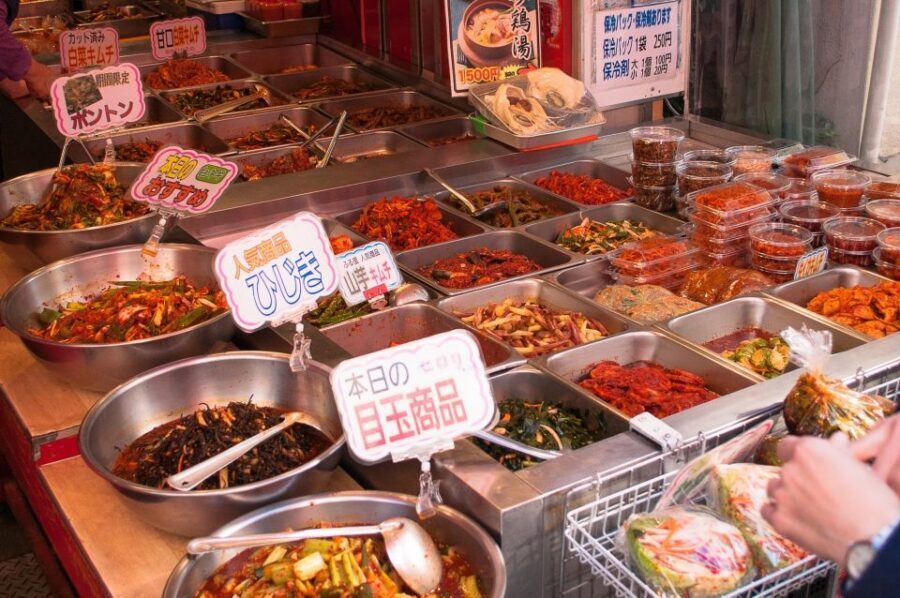
Next is Tsuruhashi, a quick public transport ride away, where you’ll get around 45 minutes in the neighborhood. This is the part I’d use as a reality check for Osaka. Instead of big plazas, you’re in narrow streets and alleys, watching the commercial rhythm that made the city famous for merchant culture.
The “maze” description is accurate. Even if you’re an experienced walker, this is where you’ll want a guide to keep you from looping the same blocks. You’ll also pick up context for what you’re seeing—how a district like this functions as a lived-in market rather than just a tourist corridor.
One small drawback: you’ll spend a chunk of time moving through lanes where crowds can bunch up. That’s normal here. The upside is that the energy feels older than the modern shopping zones later in the tour, and it gives contrast.
Abeno Harukas 300: the view, then the food-hall detour
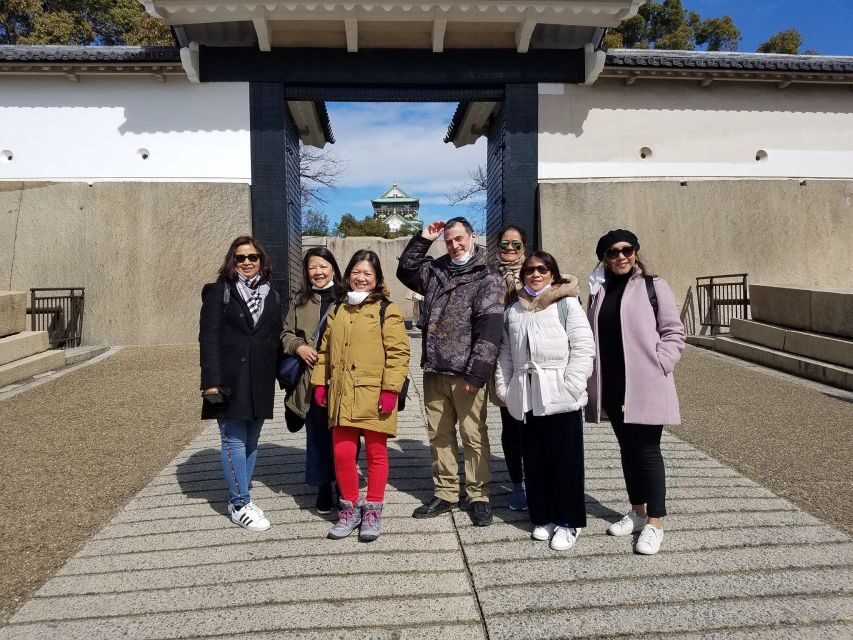
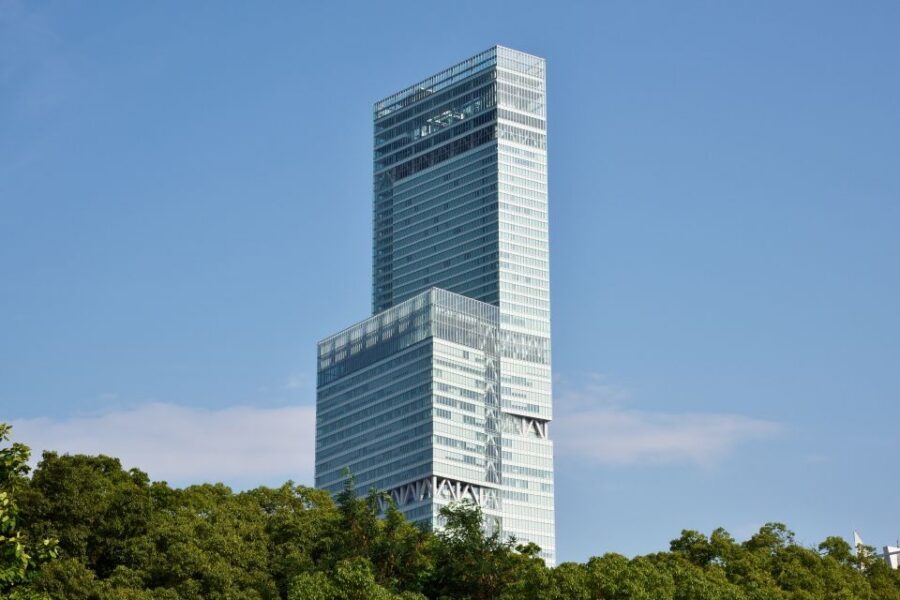
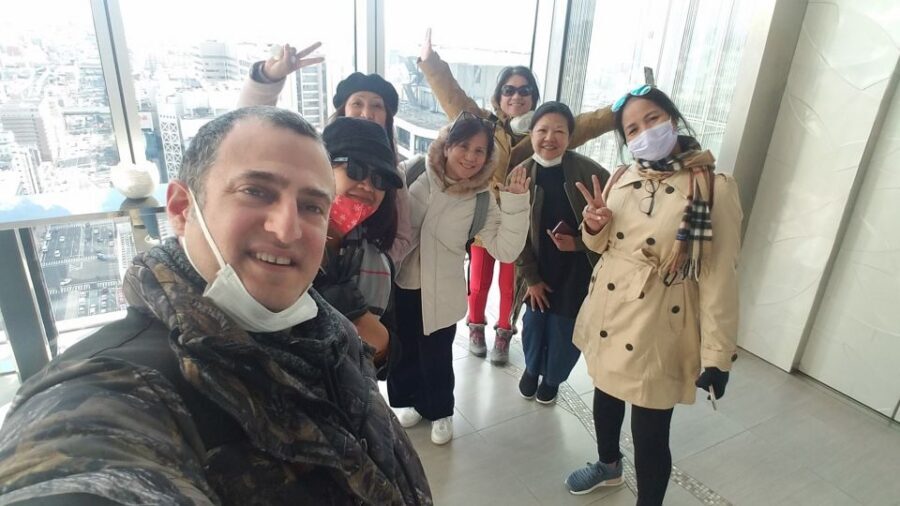
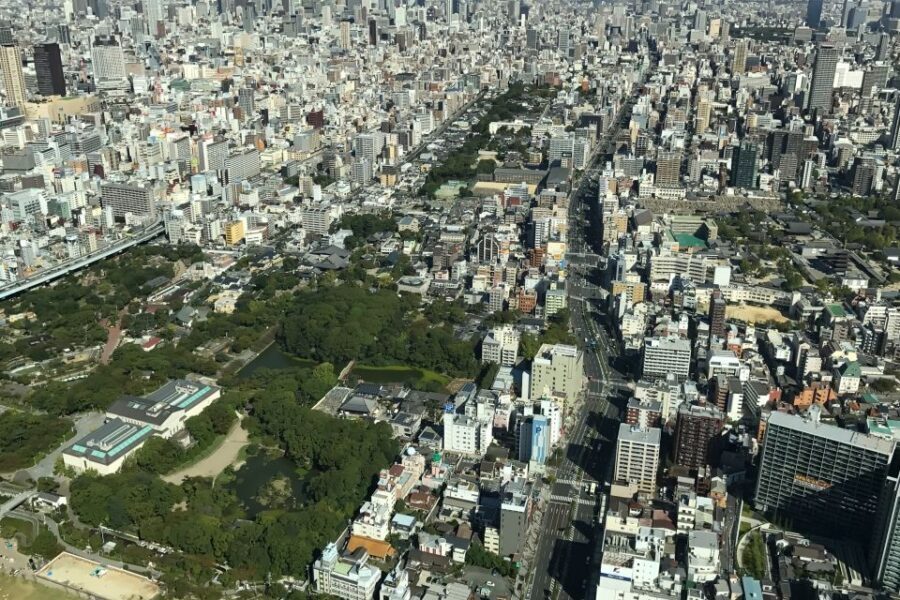
Abeno Harukas 300 is your “from street level to city brain” moment. You’ll get roughly 30 minutes here, starting with a high-floor view. Look out and you’ll see how Osaka layers itself—dense neighborhoods, major lines of movement, and the way different districts feel separate even when they’re close.
Then comes a smart twist: head underground to explore the food hall beneath the department store. This isn’t just sightseeing. You’ll see high-quality products for sale, with examples mentioned like killer puffer fish and Kobe beef. Even if you don’t buy anything, you get a feel for how food commerce works at a higher end.
If you’re the kind of person who maps travel through what’s on shelves, this stop is for you. It’s also a good reset point before the more neon-and-restaurant atmosphere of the Namba stretch.
Shinsekai: a neighborhood that feels slightly crumbling
From Harukas, you’ll head to Shinsekai, also about 30 minutes. This is where the tour leans into Osaka’s off-center personality. The area is known for local highlights that feel a bit worn at the edges—“slightly crumbling” in the best, story-rich way.
Think: old-school mood, recognizable local character, and streets that don’t try to impress you with shiny surfaces. You’ll get a guided orientation so you don’t just pass through. The goal is to help you understand why places like this keep their identity in a city that changes fast.
If you’re tired by then, good. Multiple reviews describe the pace as relaxed with occasional breaks. You still cover a lot, but you’re not sprinting.
You can also read our reviews of more guided tours in Osaka

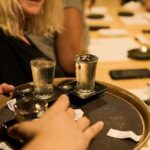

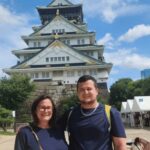

Namba to Dotonbori: present-day Osaka in full color
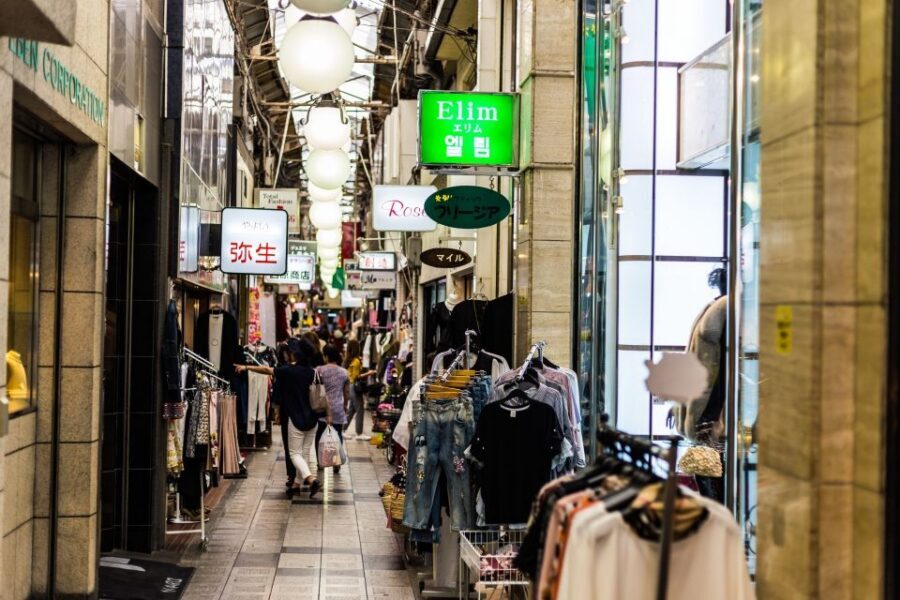
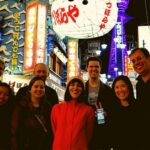
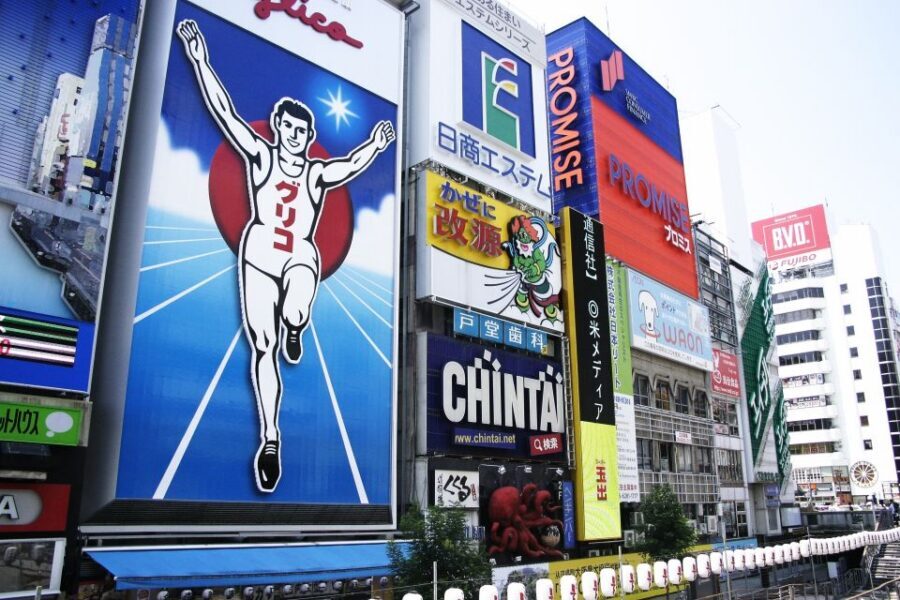
Now you’re in Namba, the center for shopping, dining, and entertainment. You’ll spend about 30 minutes here with guided sightseeing, then continue to Dotonbori for a longer stop. Dotonbori is Osaka’s version of Times Square, but it has its own quirks—street signage, crowd energy, and a lot of small surprises if you know where to look.
This is one of the most photo-friendly parts of the tour. In reviews, people repeatedly mention great photo spots and guides who help you position for them. You’ll also get the kind of guidance that saves time later: where to walk for the best angles, and which lanes are worth exploring if you want something more interesting than the main strip.
The best way to enjoy Dotonbori is not to treat it like a theme park. Let it be messy and loud. Walk at neighborhood pace. Stop when your eyes catch something weird. And yes, you can absolutely do that better with a guide because they’ll point out what’s “just scenery” versus what’s actually meaningful in Osaka’s street culture.
Kuromon Ichiba and Doguyasuji: markets and kitchen craft
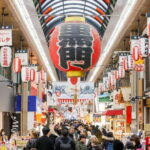
The tour’s food-and-stalls energy lands in Kuromon Ichiba, a fresh fish market with a role for more than 150 years. You’re there to see how Osaka trades in food. It’s not just about eating. It’s about understanding the supply chain culture—how markets shape what restaurants feel like, and how locals shop.
Next up is Doguyasuji, the kitchen and cooking district. Here you’ll spot wax food models, Japanese noren curtains (those hanging entrance curtains), and giant pottery pieces. It’s the kind of place where “shopping for tools” becomes part of the experience, because the storefronts look like mini exhibits.
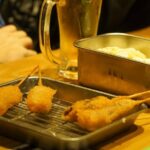
This is also where the tour stays honest about food. There are no structured food stops, but you’ll have chances to buy snacks if you’re hungry. If you want to snack, plan small: something you can eat while standing or walking without slowing the group too much.
Price and what you’re really buying for $59
At $59 per person for a 4-hour guided walk, the value comes from two things: expert storytelling and time saved. Osaka is easy to navigate in transit terms, but harder to navigate in meaning. A good guide helps you connect the dots—castle to merchant districts, Korean Town alleys to modern food shopping, old neighborhoods to present-day entertainment.
The price also reflects that the tour includes a live English (plus French and Spanish) guide and the walking tour itself. What’s not included is transportation and food/drink. That matters, because you’ll still need to manage a subway pass and get yourself to the starting point.
For me, the fair way to judge value is this: if you had to plan this route and research each district properly, you’d spend hours. Here, you get a route that hits the big essentials and still throws in the less obvious districts that give Osaka its flavor.
Pace, transport, and day-pass reality
You’ll be walking, but you’re not doing one straight line for the entire time. You’ll use quick public transport links between key zones—castle park to Tsuruhashi, then onward to Harukas, and so on. That keeps your energy for the stops where you actually need to slow down.
You’re also instructed to buy a subway day pass and use it to get to the meeting point and during the tour. This is one of those tips that makes a big difference. Without it, you’ll feel annoyed every time you approach a ticket machine or train gate.
A small logistics note: pickup is available for an extra 5000 yen, payable in cash to the guide on day of tour or via a secure payment link. Pickup is listed as central Osaka hotel pickup and port pickup at the Tempozan Ferris wheel. If you’re staying somewhere convenient, pickup can help. If you’re already near the subway grid, you may skip it.
Who should book this Osaka walking tour
This is ideal if you want a fast, structured introduction to Osaka with enough variety to cover multiple sides of the city. It suits first-timers with one day or half a day to use well, and it also works if you’re coming back to Osaka later and want a better sense of neighborhoods than you’d get from a single attraction.
It’s especially good if you like history as context, not as a lecture. Reviews mention guides telling stories around periods connected to Osaka Castle, then linking those stories to what you see today. Guides like Kevin, Ferdinand, Oisin, and Bryan come up often, usually for the same reason: explanation plus practical tips.
One caution: the tour is listed as wheelchair accessible, but it’s also noted as not suitable for people with mobility impairments. If you have mobility needs, treat that as a “check first” signal and confirm what the route involves.
Should you book it? My call
Book it if you want your Osaka day to feel guided but not scripted. You’ll cover iconic stops—Osaka Castle Park, Harukas, Shinsekai, Namba, Dotonbori, Kuromon—plus the kind of street-level districts that make Osaka feel like Osaka, not just Japan.
Don’t book it if you’re hungry for an included food crawl with formal meal stops. This tour is mostly sightseeing and shopping-watching, with chances for snacks rather than restaurant guarantees. Also, if you strongly want to go inside Osaka Castle, this specific route won’t satisfy that itch.
If your goal is a high-quality overview that teaches you how Osaka works, this is a smart way to start. The consistent theme from the guides praised in reviews is simple: they talk in a way that makes the city click. And for a first Osaka visit, that’s exactly what you want.
FAQ
How long is the Osaka Main Sights and Hidden Spots guided walking tour?
It lasts 4 hours.
How much does it cost?
It’s priced at $59 per person.
What is included in the price?
The guide and the guided walking tour are included.
What isn’t included?
Hotel pickup and drop-off are not included in the base price, and transportation plus food and drink are also not included.
Does the tour go inside Osaka Castle?
No. You’ll admire Osaka Castle from the outside in Osaka Castle Park.
Are there food stops during the tour?
There are no food stops. You may have chances to buy snacks along the way if you’re hungry.
What languages are the live guides available in?
The live tour guide is available in English, French, and Spanish.
Where do I meet the tour?
Meet above ground at Tanimachiyonchome Station Exit 2. If you arrive by taxi, the intersection is tanimachi 3-chome.
Does the tour run in bad weather?
Yes, it runs rain or shine.
What happens if I book as a solo traveler and the minimum group size isn’t met?
If the minimum of 2 guests isn’t met, you’ll be offered an alternate date, a 4000 yen solo supplement, or a full refund.