REVIEW · OSAKA
Kyoto 1 Day Tour from Osaka
Book on Viator →Operated by JTB Global Marketing & Travel Inc. · Bookable on Viator
Kyoto in one day can feel intense. The best part here is the JR-first start from Osaka, then a smart routing of major sights with a guided sweep. You’ll hit three UNESCO stops plus the Golden Pavilion, then finish with Kiyomizu-dera for big photo views.
I especially like that the tour includes admission fees and transportation in the price, so you’re not budgeting at every gate. One drawback to plan for: it’s a long day with a larger group, and if the guide’s voice doesn’t carry well in crowded bus/train transitions, you may miss some of the spoken details.
In This Review
- Key highlights worth your attention
- Why This Tour Starts With the Osaka–Kyoto JR Rapid Train
- Nijo Castle: Fortress Feel, Gold-Lean Luxury Inside
- The closure swap you should know
- Kinkaku-ji and Kyoto Imperial Palace: Gold Pavilion vs. Royal Calm
- Kyoto Imperial Palace: Opulence, but check whether it’s open
- Fushimi Inari and Sanjusangendo: Torii Red Energy and 1,001 Statues
- Kiyomizu-dera and the Temple Terrace Views
- How the Day Really Feels: Pace, Group Size, and Hearing the Guide
- Lunch Options: What’s Included, What’s Not, and How to Choose
- Price and Value: When $183.93 Works for Your One-Day Plan
- Photo Strategy: Golden Pavilion, Torii Gates, and Terrace Light
- Should You Book the Kyoto 1 Day Tour from Osaka?
- FAQ
- What time does the tour start and end?
- How long is the tour?
- Is the Kyoto tour round-trip from Osaka?
- Which UNESCO sites are included?
- What happens if Kyoto Imperial Palace is closed?
- What happens if Nijo Castle is closed?
- Is lunch included?
- Are admissions and transportation included in the price?
- Are JR train seats reserved?
- Does the tour include tickets for phone/mobile?
Key highlights worth your attention
- JR rapid train from central Osaka to Kyoto, with the return timed for a smooth end-of-day trip
- Three UNESCO World Heritage sites packed into one route: Nijo Castle, Kinkaku-ji, and Kiyomizu-dera
- Fushimi Inari Taisha with the classic red torii photo corridor
- Sanjusangendo Hall for 1,001 life-size Kannon statues in one long wooden room
- Lunch options (Western set or vegetarian Indian thali) depending on what you book
- Photo-season timing that’s designed for autumn leaves or cherry blossoms
Why This Tour Starts With the Osaka–Kyoto JR Rapid Train
This day is built around momentum. You begin in central Osaka (Hotel Granvia Osaka), then ride the JR rapid service to Kyoto. That matters because Kyoto’s sights are spread out, and a guided day loses value fast if you’re stuck figuring transit between far-flung temples.
The train portion is also part of the experience. You get travel comfort early, then you’re already in Kyoto before the walking really starts. After that, the day becomes a mix of walking + coached transfers, which is exactly what you want if you only have one day and you’d rather not spend it hopping between stations.
Two practical notes:
- The rail seats are not reserved, so in busy seasons you should expect a standing crush at times.
- You’ll be traveling with a group, so you’ll move at a set pace even if you spot a side street you want to chase.
A few more Osaka tours and experiences worth a look
Nijo Castle: Fortress Feel, Gold-Lean Luxury Inside
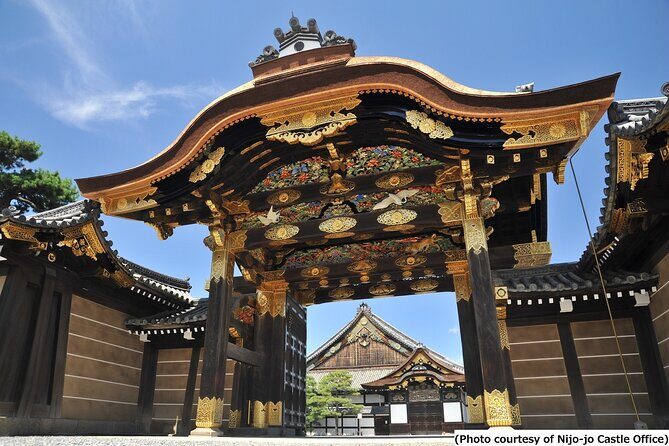
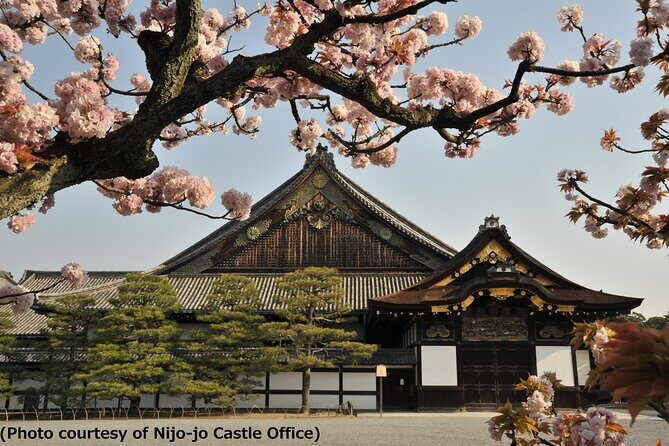
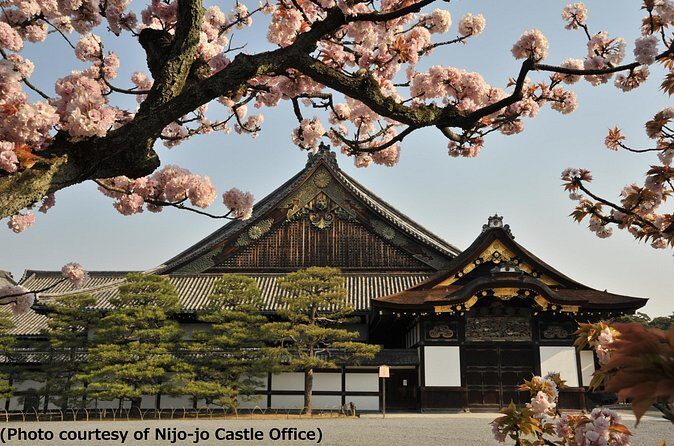
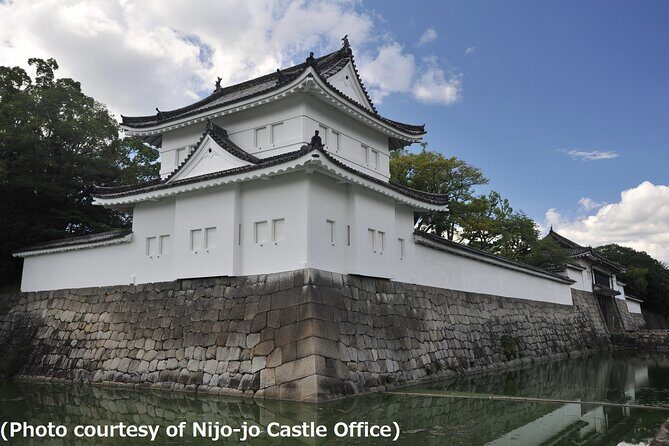
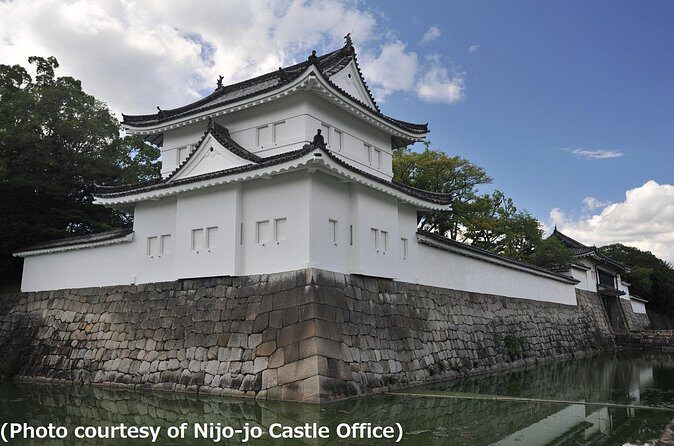
Nijo Castle sets the tone. It’s a UNESCO World Heritage site built in the early Edo period (completed in 1626). From the outside, it feels like a serious fortress: gates, walls, and that closed-in “watch it closely” mood.
Then you get the contrast that makes the place memorable: the lavish interiors with gold-leaf elements. If you like how Japanese historical sites show two sides of power—public muscle and private wealth—this is the stop that shows it clearly.
Time on site is about 50 minutes, so you won’t get the slow, obsessive museum treatment. Still, it’s enough to walk key areas, take photos, and get the big picture.
The closure swap you should know
Nijo Castle has a regular shutdown window on Tuesdays in January, July, August, and December. If it’s closed, the plan switches to Ryoan-ji Temple instead. That keeps the day alive, but it also means you should treat your “must photograph” list as flexible during those periods.
Kinkaku-ji and Kyoto Imperial Palace: Gold Pavilion vs. Royal Calm
After Nijo, the mood shifts hard—in a good way. Kinkaku-ji (the Golden Pavilion) is another UNESCO stop and the centerpiece for many first-time Kyoto photos.
The main visual is straightforward: the pavilion is covered in thin layers of pure gold, and it sits by a pond. The result is a reflective, postcard-perfect scene that changes depending on light and weather. Even on less-than-perfect days, it still hits because the color and geometry are so strong.
You’ll have about 45 minutes here. That sounds short, but Kinkaku-ji is the kind of place where the “wow” moment is fast. Then you can use the remaining time to walk viewpoints and settle into a slower look.
Kyoto Imperial Palace: Opulence, but check whether it’s open
The Kyoto Imperial Palace stop is about 40 minutes, and it’s where you get the feel of how the imperial household used to live until about the 19th century.
However, this is one of the stops you must mentally flag as variable:
- The palace is closed to visitors on Mondays (or the following day if Monday is a holiday).
- It’s also closed on days tied to Imperial Household Agency events.
If it’s closed, the tour swaps in a shrine alternative, listed as Kitano Tenmangu. There’s also another backup in the event the closure falls on the 25th: Nishi Hongan-ji Temple.
So what’s the practical lesson? You can’t count 100% on the palace interiors, but you can still count on a major cultural stop to keep the day full.


Fushimi Inari and Sanjusangendo: Torii Red Energy and 1,001 Statues
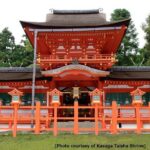
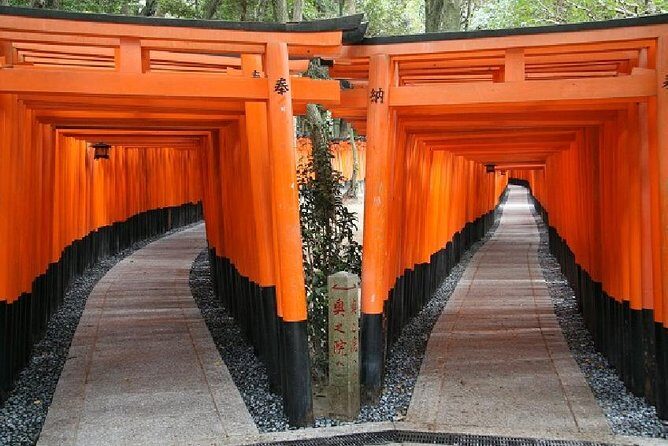
Next comes Fushimi Inari Taisha, one of Kyoto’s most recognizable shrine landscapes. The head shrine of thousands of Inari sites across Japan, it’s famous for the vermilion torii gates. The signature photo moment is the Senbon Torii area—the corridor of red gates that looks endless.
You’ll have about 30 minutes here, and there’s a twist you should plan for: you walk from the parking lot to the shrine entrance (about 15 minutes one-way). That means part of your time disappears into getting in and out, not just photos inside the main area.
Then the day swings to Sanjusangendo Hall, and it’s wildly different. This is Japan’s longest wooden structure, known for housing 1,001 life-size Kannon (Bodhisattva) statues dating to the 13th century.
Your time is about 30 minutes. That’s enough to take in the scale and notice that the statues repeat in lines rather than being all identical copies. If you like quiet intensity—counting, repeating patterns, and the feeling of being in a historic container—this is one of the stops that lingers after the day ends.
Kiyomizu-dera and the Temple Terrace Views
Kiyomizu-dera is where the tour earns its dramatic finishing power. You’ll get about 1 hour 10 minutes, which is the longest time block after Kiyomizu-dera’s shopping-lane approach.
The big draw is the UNESCO-listed temple itself and the views from the terrace. On clear days, you’ll see Kyoto spread out in layers. Even when the weather is moody, the temple’s setting still photographs well because of the mix of structure + trees + sky.
And yes, the approach matters. The shopping lane leading to the temple is part of the experience, even if you mostly treat it as a chance to wander, browse, and snack before heading back to the guided group.
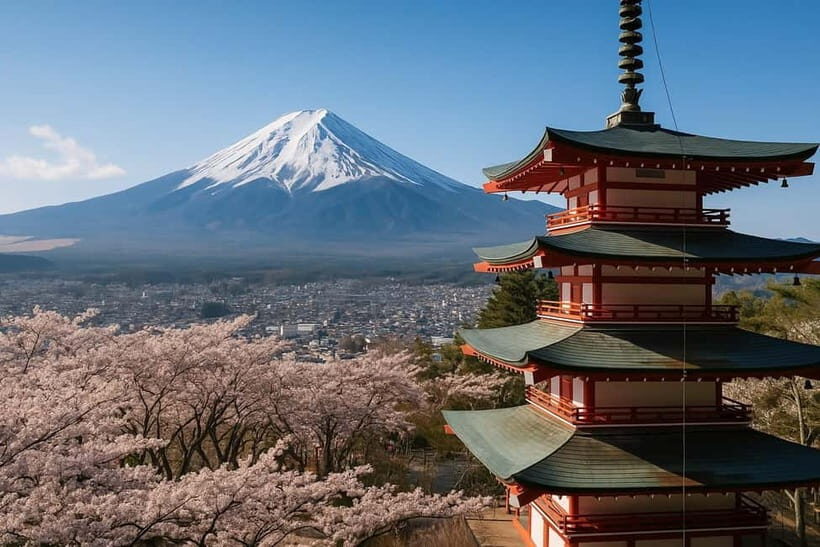
Because this is Kyoto, don’t ignore seasonal trees. The tour is designed with autumn leaves or cherry blossoms in mind, which can make the terrace photos much more dramatic than you’d expect in a one-day sprint.
How the Day Really Feels: Pace, Group Size, and Hearing the Guide
This is a full-day experience—about 11 hours from the morning start to the evening return. The tour is set up for value: you cover multiple far-apart areas with included transport and included admissions.
But that also means:
- You’ll be on your feet for a lot of the day.
- You’ll have less time for “I found a side street, let me spend 30 minutes there” moments.
- The group size is up to 40 travelers, and you may feel it during transfers, waiting, and indoor spaces.
From the overall tour setup, I’d treat the day like a schedule you manage, not a relaxed stroll you float through. One thing to watch: if your group is big and the bus is noisy, details from spoken commentary can get hard to hear. If you’re the kind of person who loves history speeches, bring your patience—and don’t assume every sentence will land perfectly.
Weather also affects the rhythm. Heavy rain can make outdoor stops feel less fun, and storm disruptions can shorten the plan. The tour can adjust with alternative stops when certain sites are closed, but on rough weather days you’ll want backup comfort items.
Lunch Options: What’s Included, What’s Not, and How to Choose

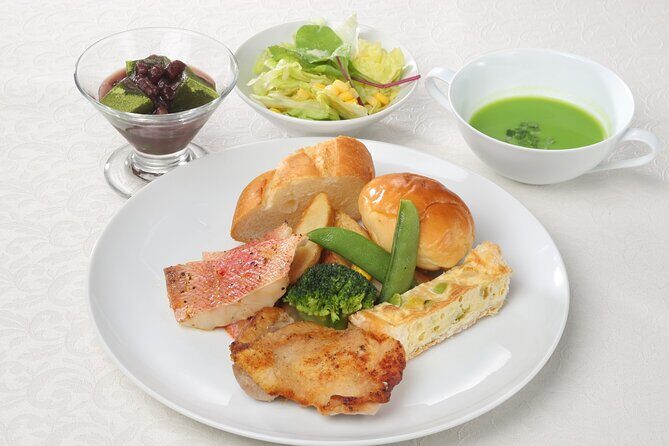
Lunch is one of the smartest “choose-your-own” parts of this tour. It’s included only if you select a lunch option when booking.
Here are the lunch types you can choose from based on what’s offered:
- Western-style set menu (included with the With Lunch option)
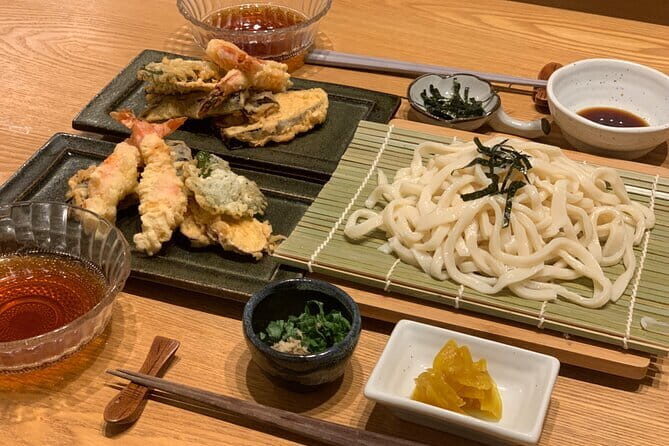
- Vegetarian Indian thali set menu (offered under the Indian thali option)
A few important boundaries:
- Vegetarian requests for the Western-style option must be provided in advance.
- Halal, gluten-free, and other meal requests aren’t available.
- Indian thali and Western lunch are served in separate dining areas, and you can’t swap between them on the day.
If you don’t need a guided lunch break, the No Lunch option gives you free time to eat on your own in the Kyoto Station area. That can be a good move if you want something specific—like comfort food, ramen, or a quick convenience store reset—without being locked into a set menu.
My advice: if you have dietary needs, pick the option that matches what’s allowed. Don’t count on last-minute changes.
Price and Value: When $183.93 Works for Your One-Day Plan
At $183.93 per person, this isn’t a cheap “hop on a bus and hope” deal. But it can still be good value because several big costs are bundled:
- Transportation between Osaka and Kyoto (rail + coach usage)
- Admission fees for the major stops
- A licensed English guide interpreter fee (plus additional assistant coverage for the train outbound and return segments)
The biggest value driver is time. Kyoto’s sights are not close together. If you did the same route independently, you’d pay for trains, tickets, and taxis (or spend too long between sites). This tour trades flexibility for efficiency.
So who’s this price fair for?
- You’re doing Kyoto as a day trip and want to cover the signature hits.
- You prefer a structured route with included entrances.
- You’d rather pay for organization than lose hours planning transit.
When might it feel less worth it?
- If you want a slow, deep temple day with minimal group movement.
- If you’re very picky about specific visiting days for Kyoto Imperial Palace or Nijo Castle, since closures can trigger swaps.
Photo Strategy: Golden Pavilion, Torii Gates, and Terrace Light
This is a tour made for pictures, especially if you’re traveling during the season when Kyoto’s trees are doing their best work.
The tour’s built-in photo anchors include:
- The Golden Pavilion’s reflective pond setting
- The Senbon Torii torii corridor in red
- Kiyomizu-dera’s terrace viewpoints for skyline-style Kyoto views
- Seasonal tree backdrops, designed for autumn leaves or cherry blossoms
A practical tip: Kyoto’s best photos often come with crowd timing. Since you’re on a guided schedule, you can’t always chase empty viewpoints. Still, if you walk a few steps beyond the first obvious angle at each stop, you’ll usually find cleaner compositions without breaking the tour flow.
Should You Book the Kyoto 1 Day Tour from Osaka?
Book it if you want a high-coverage Kyoto day and you like having admissions + transport handled for you. It’s a strong choice for first-timers, short trips, and anyone who’d rather spend effort seeing temples than figuring routes.
Skip (or at least consider alternatives) if you hate long days, you need quiet time, or you’re sensitive to hearing the guide’s commentary over noise and crowding. Also consider your travel calendar. Site closures can swap the Kyoto Imperial Palace and Nijo Castle plans, so confirm your days align with what you most want to see.
If you’re the kind of traveler who loves structure, good transport, and ticking off Kyoto’s biggest icons efficiently, this one-day setup is a solid way to make Osaka your launchpad.
FAQ
What time does the tour start and end?
The tour starts at 7:15 am from Hotel Granvia Osaka and ends at Osaka Station around 6:30 pm, with no hotel drop-off.
How long is the tour?
The duration is about 11 hours.
Is the Kyoto tour round-trip from Osaka?
Yes. You travel from Osaka to Kyoto and return to Osaka on included transportation (JR rapid service for the train segments, plus coach during the Kyoto sightseeing portion).
Which UNESCO sites are included?
You visit three UNESCO World Heritage sites: Nijo Castle, Kinkaku-ji (Golden Pavilion), and Kiyomizu-dera.
What happens if Kyoto Imperial Palace is closed?
If the Kyoto Imperial Palace is closed, the tour visits Kitano Tenmangu Shrine. If the closure falls on the 25th, it visits Nishi Hongan-ji Temple instead.
What happens if Nijo Castle is closed?
Nijo Castle is closed on Tuesdays in January, July, August, and December. If it’s closed, the tour visits Ryoan-ji Temple instead.
Is lunch included?
Lunch is included only if you choose the With Lunch option. There’s also an Indian thali lunch option. If you choose No Lunch, you’ll have free time to eat around Kyoto Station.
Are admissions and transportation included in the price?
Yes. Admission fees and transportation costs are included for the listed stops, along with the guide interpreter fee and tour coach.
Are JR train seats reserved?
No. The tour uses public transportation with non-reserved seats between Osaka and Kyoto, so seating is not guaranteed.
Does the tour include tickets for phone/mobile?
Yes. It’s listed as using mobile tickets.
If you tell me your travel month and whether you prefer more walking or more sitting, I can help you decide if this schedule matches your style.