REVIEW · OSAKA
Hiroshima & Miyajima 1 Day Bus Tour with Bullet Train Tickets
Book on Viator →Operated by H.I.S.Co., Ltd. · Bookable on Viator
Hiroshima and Miyajima in one tight day. This tour is interesting because it handles the hardest parts for you: Shinkansen tickets plus bus transfers, ferry access, and timed sightseeing around two major areas. I also like that the included lunch is Hiroshima-style okonomiyaki, so you’re not stuck hunting for food between stops. The main drawback is the pace: it’s a long 12-hour day with limited time per stop, so plan for some walking and not many slow, meandering breaks.
What makes this day feel special is the emotional morning in Hiroshima, then the contrast of Miyajima’s shrine views and island streets. I like that you get a set block at the Peace Memorial Museum and a focused visit to Itsukushima Shrine and Omotesandō. The trade-off is that Hiroshima can get crowded, so some moments can feel a little rushed compared with a slower, overnight-style visit.
In This Review
- Key highlights I’d mark for your planning
- What This Tour Really Includes (and Why It’s Worth Your Attention)
- Getting There Smoothly: Osaka, Kyoto, or Fukuoka Meet Points and Train Flow
- Hiroshima Morning: From the Atomic Bomb Dome to Peace Memorial Museum
- When the Peace Museum Is Closed: The Backup You’ll Visit
- Miyajimaguchi and the Ferry Ride: Getting Close to the Floating Torii View
- Itsukushima Shrine and Omotesandō: Shrine Time Plus Island Wandering
- Pacing and Comfort: The 12-Hour Schedule and How to Handle It
- Practical Tips That Make This Tour Feel Easier
- Price Check: What You’re Paying For (and What You’d Otherwise Face DIY)
- Who This Works Best For (and Who Might Prefer Another Plan)
- Should You Book This One-Day Hiroshima & Miyajima Tour?
- FAQ
- What’s included in the tour price?
- Do I need to buy entrance tickets for Itsukushima Shrine and the Peace Memorial Museum?
- How long do I spend at Hiroshima’s main sites?
- How long is the shrine visit on Miyajima?
- What lunch options are available for okonomiyaki?
- Can I cancel and get a full refund?
Key highlights I’d mark for your planning
- Okonomiyaki lunch included: you eat like locals without extra planning stress
- Attractions handled end-to-end: entrance fees and the ferry are built in
- Ferry timing for great torii photos: you go close to the floating torii view
- Guide-led Hiroshima context: the morning is structured for reflection, not just photos
- Two clear free-and-guided blocks on Miyajima: shrine time plus shopping street wandering
What This Tour Really Includes (and Why It’s Worth Your Attention)
This day trip is built around a simple idea: you shouldn’t lose your vacation time fighting logistics. Your ticket bundle covers round-trip Shinkansen (Nozomi or Sakura, depending on route), a comfortable air-conditioned bus in Hiroshima, ferry access to Miyajima, plus entrance fees for Itsukushima Shrine and the Hiroshima Peace Memorial Museum.
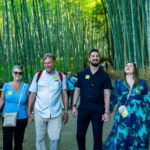
Then they add the human part: an English-speaking guide leads the day and keeps the flow moving. That matters because Hiroshima and Miyajima are both popular, and the day is packed enough that a slow start can ripple into lost sightseeing time later.
The price tag ($270.88 per person) looks high at first, but here’s how the math makes sense for most people: you’re not only paying for trains. You’re also paying for the guide, entrance fees, ferry tickets, and lunch—the parts that usually cost extra when you try to DIY the day.
A few more Osaka tours and experiences worth a look
Getting There Smoothly: Osaka, Kyoto, or Fukuoka Meet Points and Train Flow
You’ll start the day early and then switch transport modes in a clear pattern. For Osaka departures, you meet at Shin-Osaka Station, Central Gate, 3rd Floor at 8:18am. You’ll get help to board the bullet train, then later meet your guide again at Hiroshima Station.
For Kyoto departures, the meet point is Kyoto Station, Shinkansen Central Gate, 2nd Floor at 8:03am. For Fukuoka departures, it’s Hakata Station, Chikushi Gate, in front of 3 Mailbox at 8:23am.
A detail worth noting: the info provided says an assistant won’t accompany you on the bullet train to Hiroshima Station. So you’ll want to be ready to follow the instructions you receive at the first meeting point, especially if you’re still getting comfortable with station layouts.
On the way back, you take a scheduled Shinkansen: Nozomi 56 (18:43 Hiroshima) back to Osaka (arriving 20:04 Shin-Osaka) or Kyoto (arriving 20:19), or Sakura 565 from Hiroshima to Hakata (arriving 19:59). Those return times are a big deal because they shape how late your day really runs.
Hiroshima Morning: From the Atomic Bomb Dome to Peace Memorial Museum
The Hiroshima portion is short by design, but it’s not random sightseeing. You start with the Atomic Bomb Dome area for about 30 minutes. Even with limited time, this stop anchors your whole day because you’re looking at one of the most recognizable symbols connected to the bombing.
Next is the Hiroshima Peace Memorial Museum for 60 minutes, with admission included. This is the emotional core of the visit. The museum is built for serious reflection, and 60 minutes can feel like both enough and not enough, depending on how much you want to read and watch.
Also plan for crowds. On busy days, the museum setting can feel packed and the flow can feel time-pressured. You still come away with the essentials, but if you’re the type who likes to sit with every exhibit, you’ll need to accept that this is a guided day-trip tempo.
When the Peace Museum Is Closed: The Backup You’ll Visit
You aren’t left hanging if the Peace Memorial Museum is closed. The tour notes that if it’s not operating, you’ll instead visit Hiroshima National Peace Memorial Hall for the Atomic Bomb Victims.
The museum closure dates listed are Dec 30–31 and Feb 16–21. This swap is useful for planning because it tells you the operator already anticipated the calendar issue—and it keeps your Hiroshima morning meaningful even on those days.
Miyajimaguchi and the Ferry Ride: Getting Close to the Floating Torii View
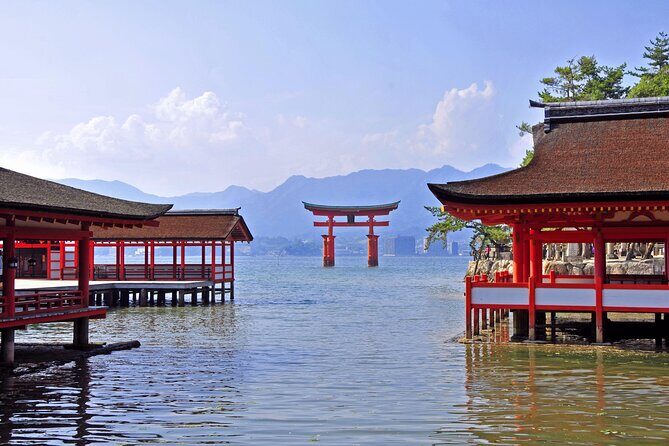
After Hiroshima, you travel to Miyajimaguchi, then board a ferry with the Great Torii Ferry Route. This part of the day is where the pace often shifts from heavy to scenic.
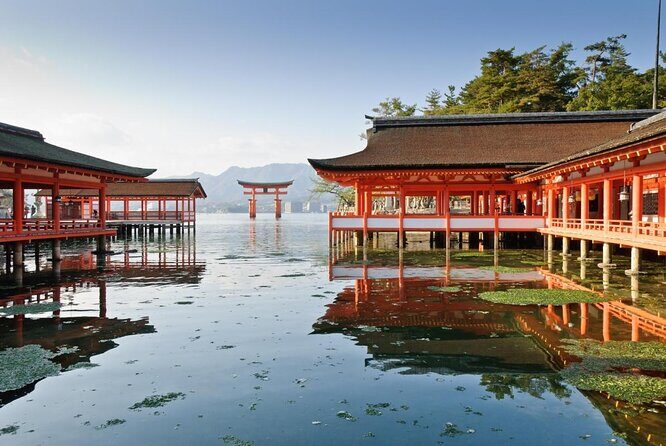
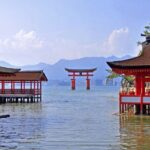
The ferry is included, and the tour specifically aims to get you close to the Great Torii from the sea. That’s a smart move because torii photos are famous for a reason, and the timing matters. If you’ve ever tried to coordinate this on your own, you know how quickly “just get a ferry” can turn into stress.
You’ll also be traveling with a group, so it helps to be ready at the ferry area when the boarding moment arrives. On a hot or crowded day, that small readiness makes a difference.
A few more Osaka tours and experiences worth a look
Itsukushima Shrine and Omotesandō: Shrine Time Plus Island Wandering
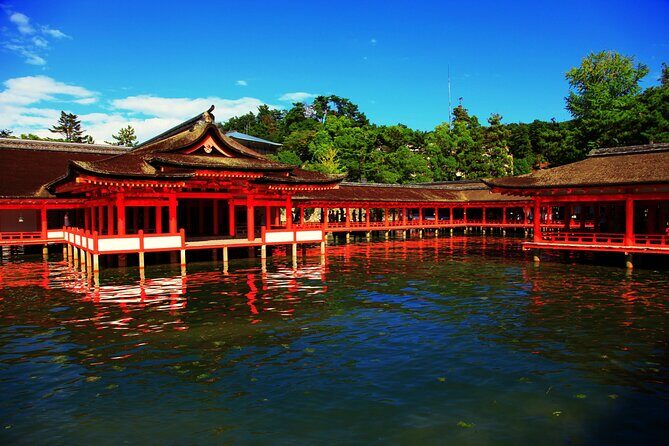
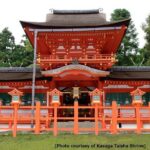
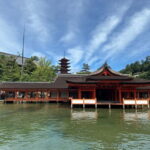
Once you reach the island, you get about 60 minutes at Itsukushima Jinja. This stop is the reason Miyajima is on most first-timers’ lists. The shrine’s setting is dramatic, and 60 minutes is enough to see the key views and take your best photos from the main areas you’re routed toward.
After the shrine, you get free time at Omotesandō Shopping Street for 60 minutes. This is where you shift from “sightseeing” to “living Japan for an hour.” You can snack, browse small shops, and soak up the island vibe.
A practical note from real-world experience: the deer are part of the island experience. They may not be as aggressive as in Nara, but they can still try to grab what you’re holding. Keep food secured and don’t assume they’ll ignore you.
And if you like local treats, Miyajima has plenty of snack options, including seafood favorites like grilled and deep-fried oysters that you’ll often see sold around the area.
Pacing and Comfort: The 12-Hour Schedule and How to Handle It
This is a full day: roughly 12 hours from start to finish. The itinerary is packed with major “must-see” moments—Dome, museum, ferry, shrine, shopping street—so the time at each stop is intentionally limited.
Here’s what that means for you:
- You’ll get efficient, guided time at the big targets.
- You’ll have fewer long pauses than you’d have on an overnight trip.
- Toilet breaks may not be as leisurely as you’d like.
On top of that, the day includes walking—both in Hiroshima and on Miyajima. If you have trouble with long stretches on foot, this is flagged as not recommended for people with difficulty walking long periods.
Still, the bus is air-conditioned, and the tour keeps things structured so you don’t burn energy figuring out transport. On hot days, that practical comfort is a win.
Practical Tips That Make This Tour Feel Easier
A few small details can make the difference between a smooth day and a slightly annoying one.
Earphones are provided. The tour supplies earphone guides for convenience, and you’re asked to handle them carefully and return them afterward. If they’re lost or damaged, participants may be asked to cover replacement costs up to 18,000 yen.
Luggage is handled for you. The tour says you can store luggage in the bus luggage compartment during the day, so you’re not carrying bags around every stop.
Lunch has real options, but you must plan ahead. The included Hiroshima okonomiyaki lunch offers multiple menu types: regular, no pork with eggs, or no pork/no fish powder/no eggs. The key point is that you should inform them of allergies and dietary restrictions when you book, because menu changes on the day of the tour aren’t accommodated.
Bring water instincts. The day can be hot, and good guides tend to remind people to drink and take care during outdoor time. Even if water shows up on the bus sometimes, don’t count on it—arrive ready for a long day outdoors.
Price Check: What You’re Paying For (and What You’d Otherwise Face DIY)
If you’re debating between DIY and tour, focus on what’s hard to do in one day without a plan.
With this option, you don’t need to buy attraction tickets separately. Itsukushima Shrine and the Peace Memorial Museum entry are included. You also don’t need to figure out ferry logistics to get the best torii views.
The biggest value is the pairing: trains + guide + admissions + ferry + lunch. If you try to DIY, you’ll likely spend time assembling tickets, aligning train times, and hunting down meeting points—exactly the kind of planning that steals energy from the places you came to see.
That said, it’s still a group experience. You’re with other people, and the schedule is built for moving everyone through the day.
Who This Works Best For (and Who Might Prefer Another Plan)
This tour is a great fit if you want:
- A one-day highlights package with minimal planning
- The Hiroshima morning context and a structured museum visit
- Miyajima with shrine time plus shopping street freedom
- The comfort of having Shinkansen and ferry tickets handled for you
It may not fit as well if you:
- Want to linger quietly for hours in the museum area
- Need lots of flexible downtime between stops
- Have difficulty walking long distances
If you’re traveling with kids or teens, this format can still work because it hits major points in a single day without forcing you to manage multiple transfers and ticket lines.
Should You Book This One-Day Hiroshima & Miyajima Tour?
I’d book this if you want the trip to feel organized from the moment you meet the guide to the moment you’re back on the bullet train. The included okonomiyaki lunch, the fact that admissions are taken care of, and the ferry ride aimed for torii views make it a strong “time-saving” deal.
I’d think twice if you hate tight schedules. The Hiroshima museum and the island walking are meaningful, but they’re still limited to guided time blocks. If you’re the type who likes slow reading and long pauses, you might enjoy Hiroshima more with a multi-day plan.
If your priority is seeing the big moments without logistics headaches, this is a solid choice—and it’s one of the cleaner ways to experience both Hiroshima’s reflection and Miyajima’s charm in a single day.
FAQ
What’s included in the tour price?
You get round-trip Shinkansen tickets (from Osaka, Kyoto, or Fukuoka), air-conditioned bus transportation in Hiroshima, an English-speaking guide, lunch (Hiroshima-style okonomiyaki), entrance fees for Itsukushima Shrine and the Hiroshima Peace Memorial Museum, plus the Miyajima ferry ticket.
Do I need to buy entrance tickets for Itsukushima Shrine and the Peace Memorial Museum?
No. Entrance fees for Itsukushima Shrine and the Hiroshima Peace Memorial Museum are included. If the museum is closed, you’ll visit Hiroshima National Peace Memorial Hall for the Atomic Bomb Victims instead.
How long do I spend at Hiroshima’s main sites?
You have about 30 minutes at the Atomic Bomb Dome and about 60 minutes at the Peace Memorial Museum.
How long is the shrine visit on Miyajima?
You’ll have about 60 minutes at Itsukushima Shrine, plus about 60 minutes of free time at Miyajima Omotesandō Shopping Street.
What lunch options are available for okonomiyaki?
Lunch is Hiroshima-style okonomiyaki with options: regular, no pork with eggs, or no pork with no fish powder and no eggs. You should inform the operator in advance about allergies or dietary restrictions, since day-of menu changes aren’t accommodated.
Can I cancel and get a full refund?
Yes, you can cancel up to 24 hours in advance for a full refund. If you cancel less than 24 hours before the start time, the amount you paid isn’t refunded.
![[Miyako Island/Half Day] Sea Turtle Snorkeling - What happens during the 90 minutes in the water](https://images.thejapantraveler.com/wp-content/uploads/miyako-island-half-day-sea-turtle-snorkeling.jpg)